
Painting
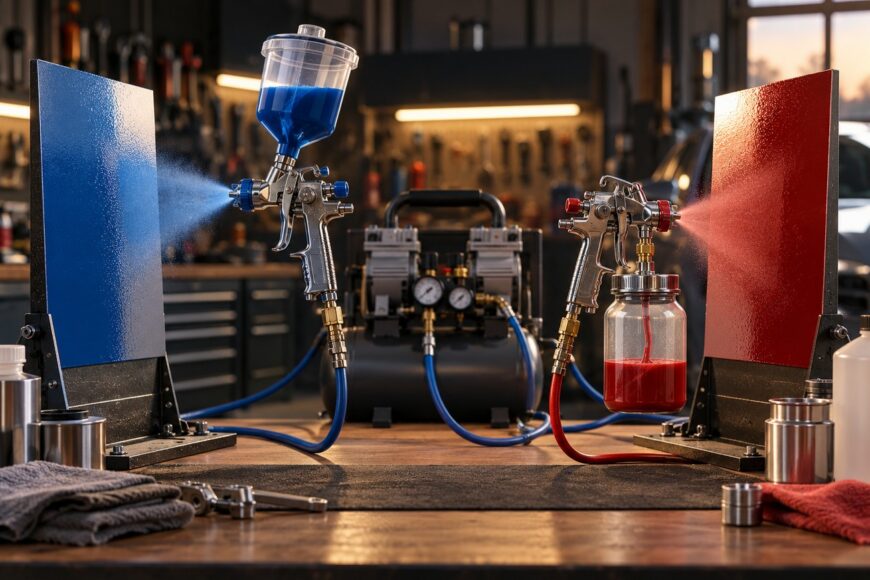
A small compressor and frequent color changes point toward a different spray setup than a long, uninterrupted run across large panels. A gravity-feed gun
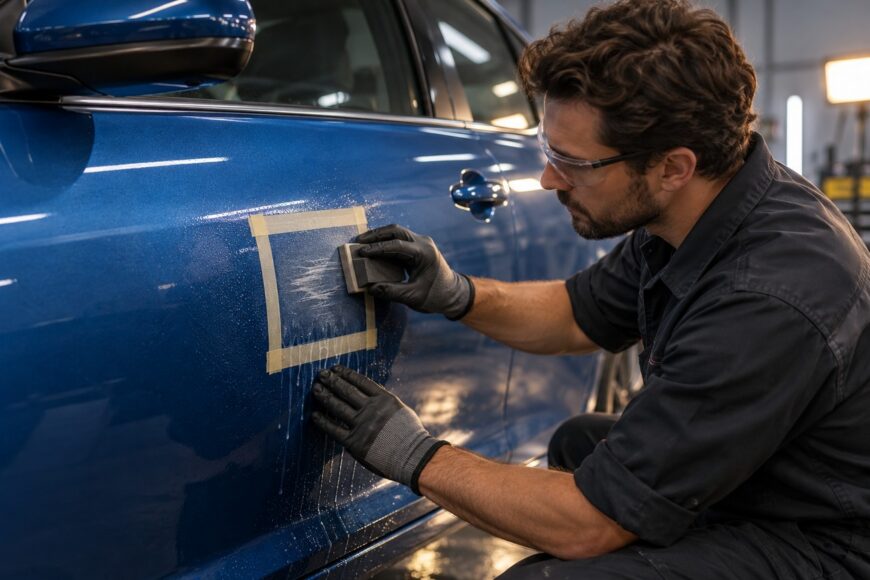
A small scratch can turn into a visible color spot, a halo, a peeling edge, or a texture mismatch after an apparently successful repair.
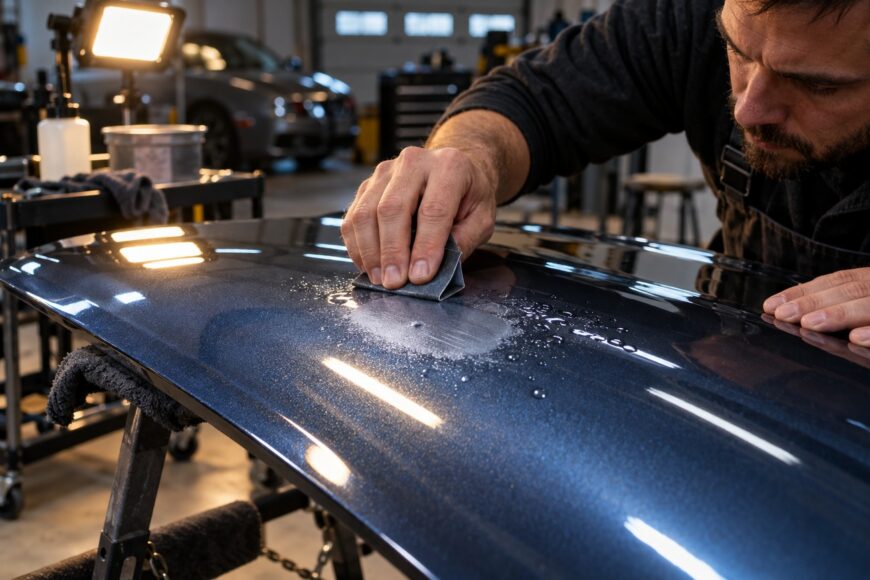
Fresh clear coat can look glossy, dry, and ready for correction while remaining too soft for aggressive sanding or buffing. The surface may hide solvent
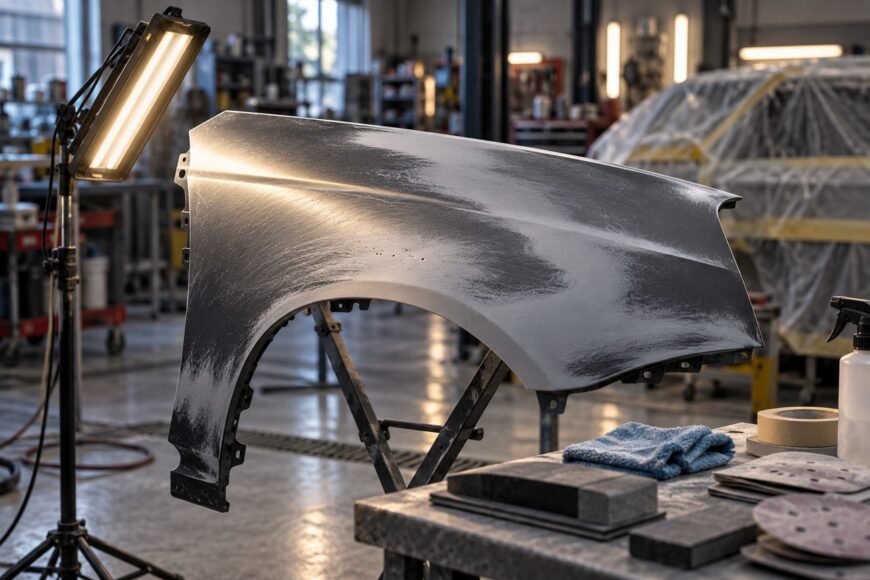
Waves, deep sanding scratches, dust, and uneven gloss often become visible only after color and clearcoat have been applied. Under ordinary shop lighting
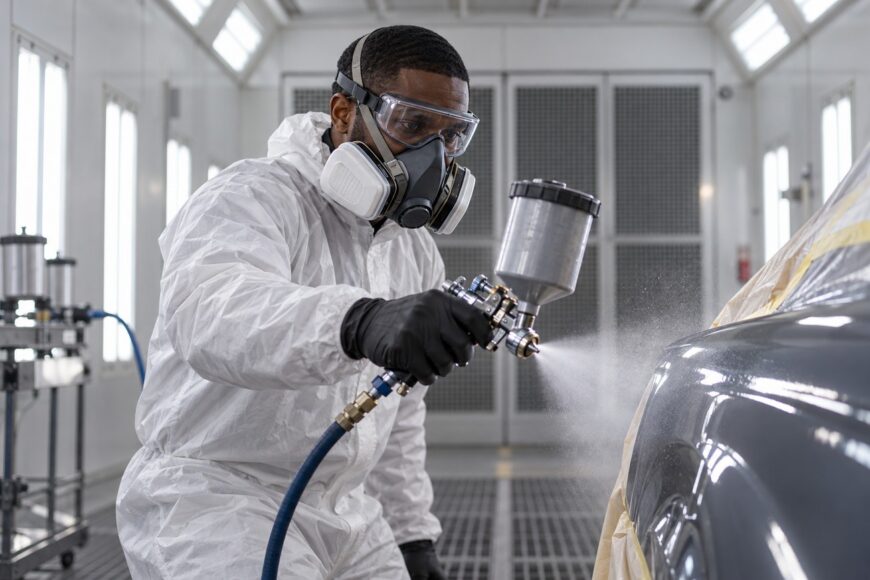
You put on a painting respirator, start spraying, and still notice fumes. Your eyewear fogs, or your skin feels irritated after cleanup.
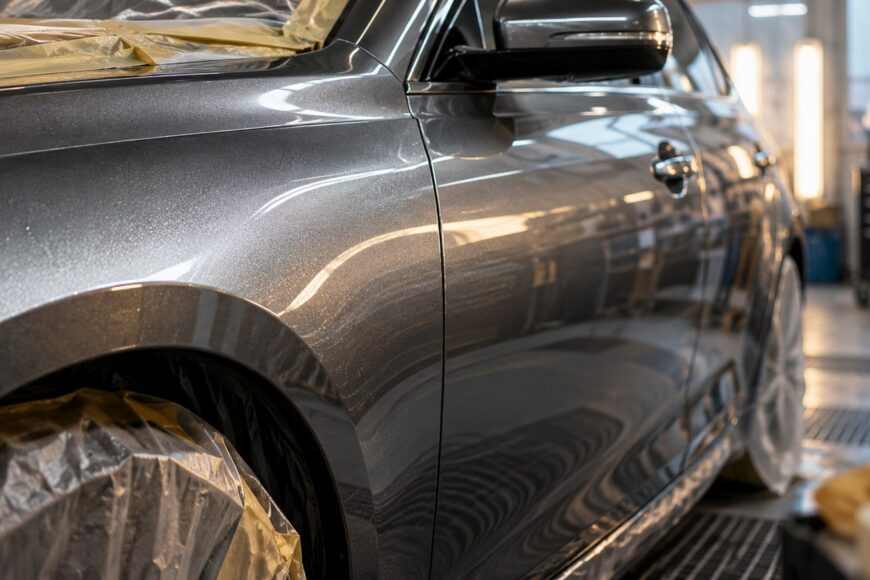
Paint can match by code and still look visibly different on an older panel. Fading, previous repairs, shade variants, and the way metallic or pearl particles
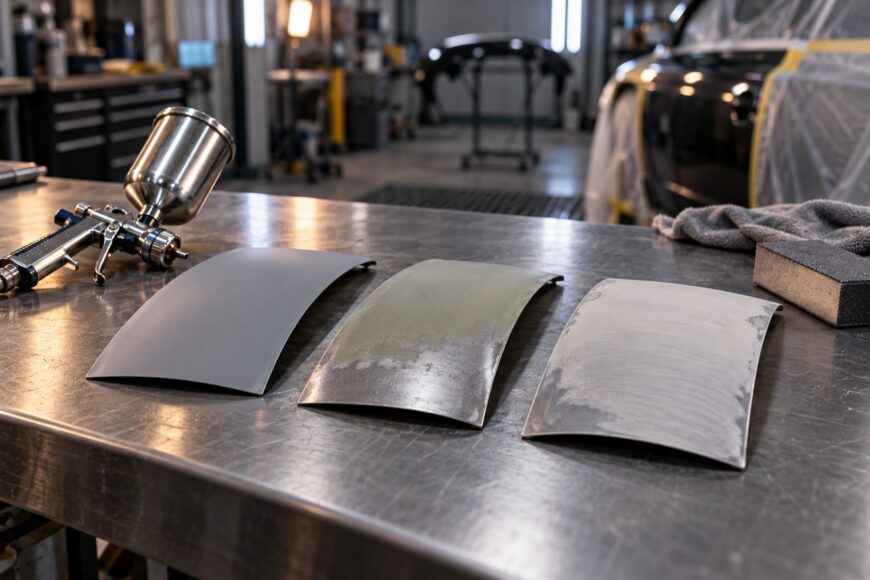
A repair panel can need two things at once: adhesion and corrosion protection where sanding has exposed metal, and a level surface where scratches or minor
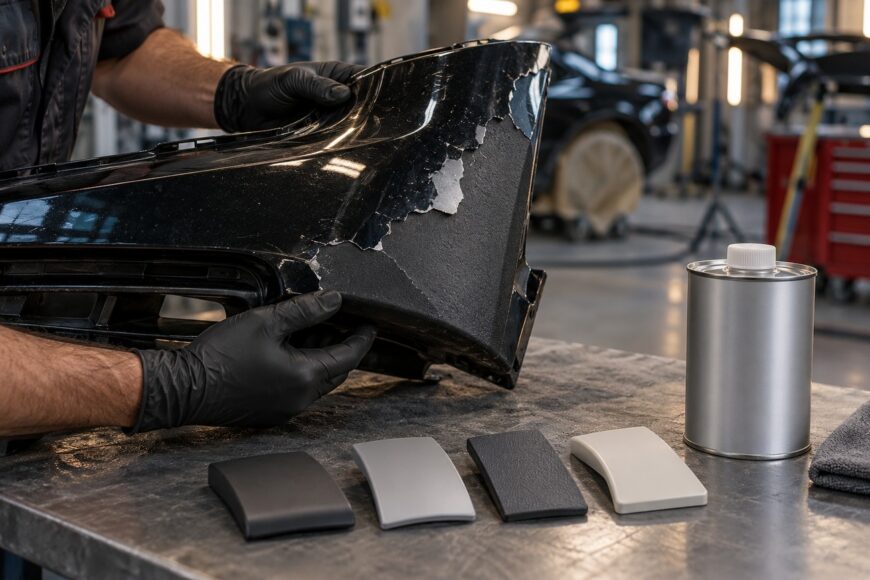
Paint can look sound until washing, flexing, or a light impact makes it peel in a sheet. On a bumper, the first failure often appears around an edge, recess
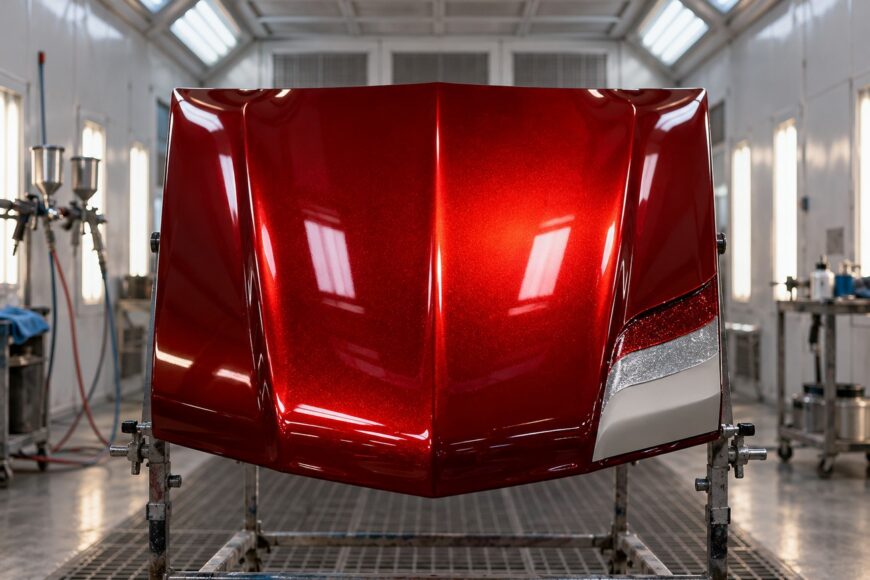
Candy and pearl finishes look simple on a color chip, yet their appearance depends on the base, film thickness, gun movement, and drying time.
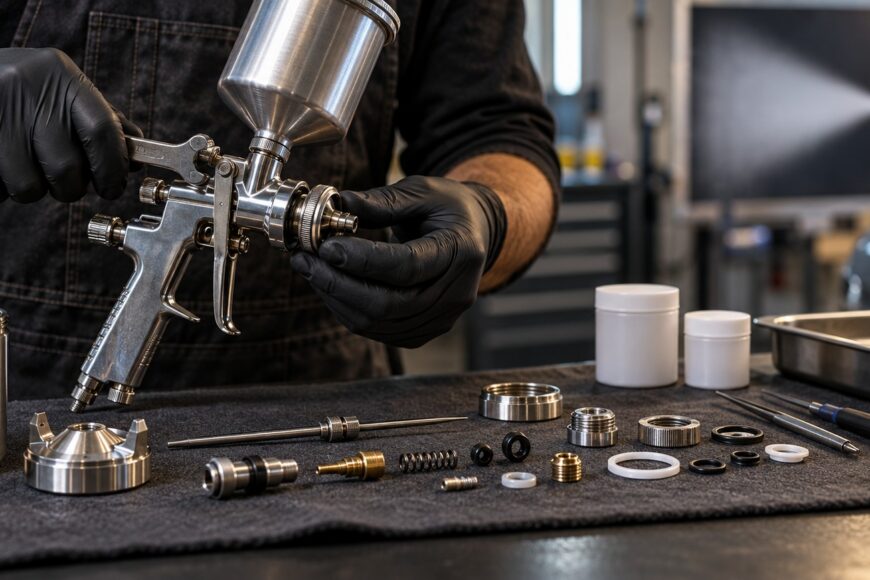
A service kit can cure leaks, a sticking trigger, and an unstable spray pattern, but it can also make a spray gun worse. The usual causes are a kit for