
Painting
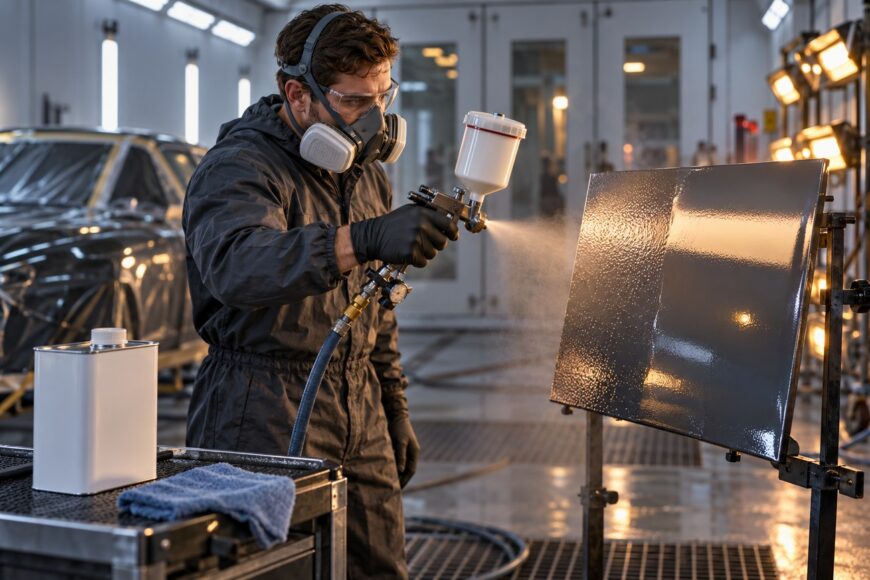
Cold application produces thick mixtures, rough spray, spitting, and slow leveling. Heat creates the opposite failure: volatile components leave the film
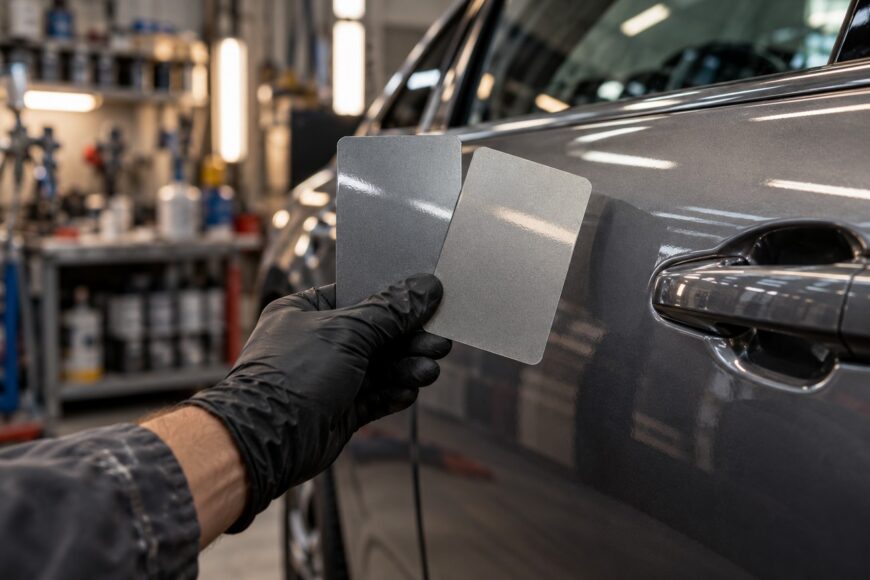
You buy paint under the correct factory code, apply it carefully, and then see a different shade in daylight. The code may be right while the match is
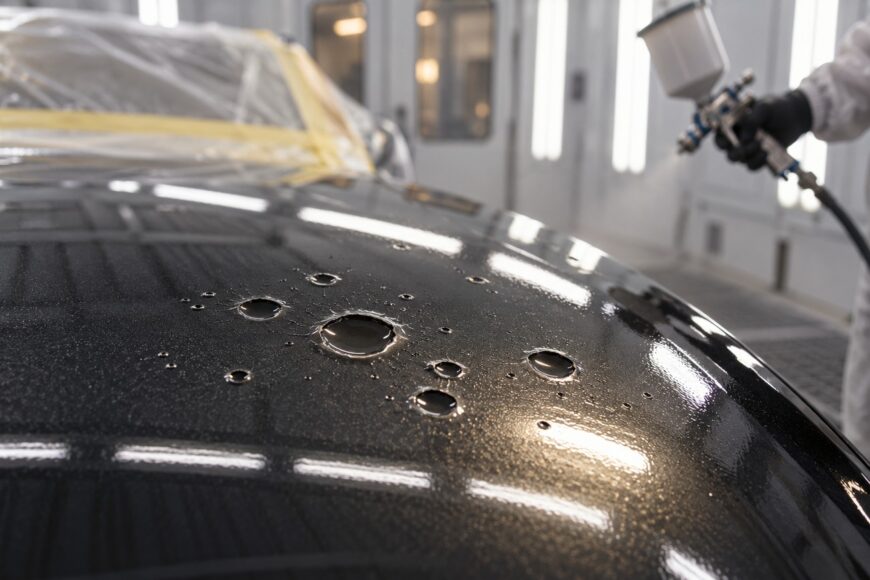
Few paint defects are more frustrating than seeing fisheyes appear seconds after spraying a panel that looked clean. These small circular craters form
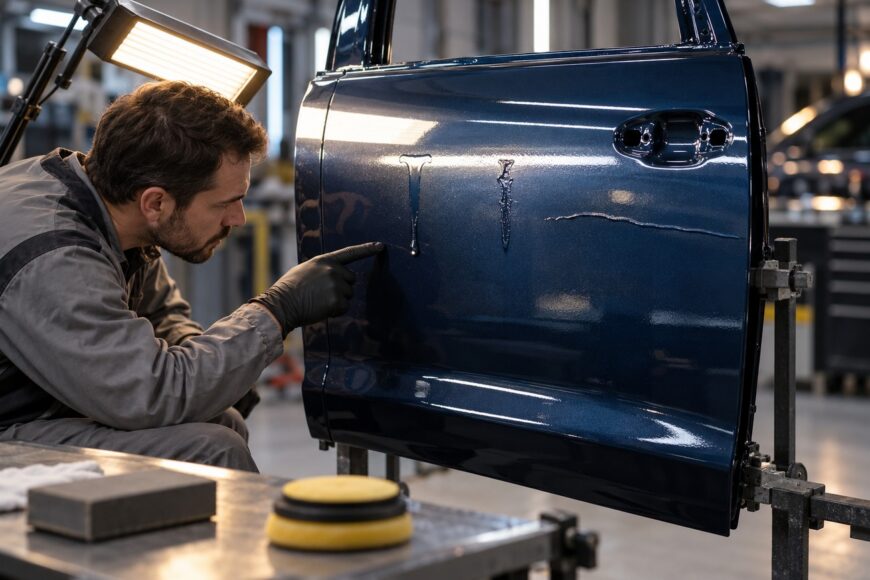
The common mistake is to wipe a fresh paint run with a cloth or solvent. The material is still mobile, so wiping can spread the defect, lift the surrounding
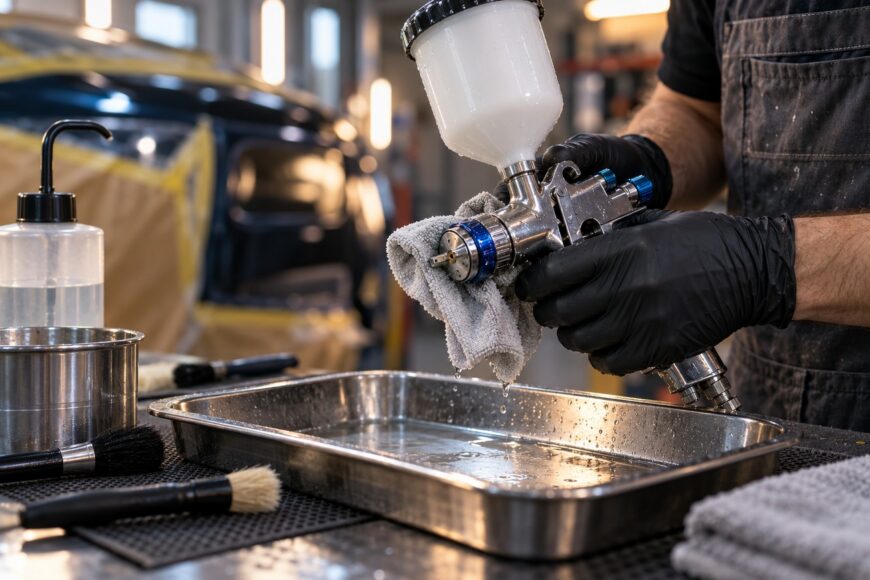
Delaying cleanup allows coating to dry in the fluid passages, around the needle, and inside the air cap. The result can be spitting, a narrow or crooked
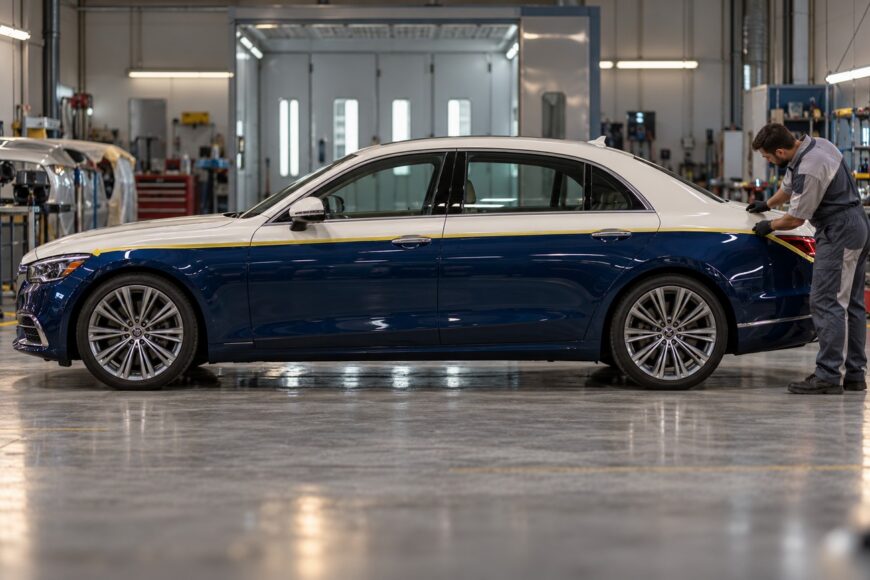
A two-tone line can look straight on a loose panel and still look wrong once the doors, hood, and trunk are closed. Panel gaps interrupt the line, arches
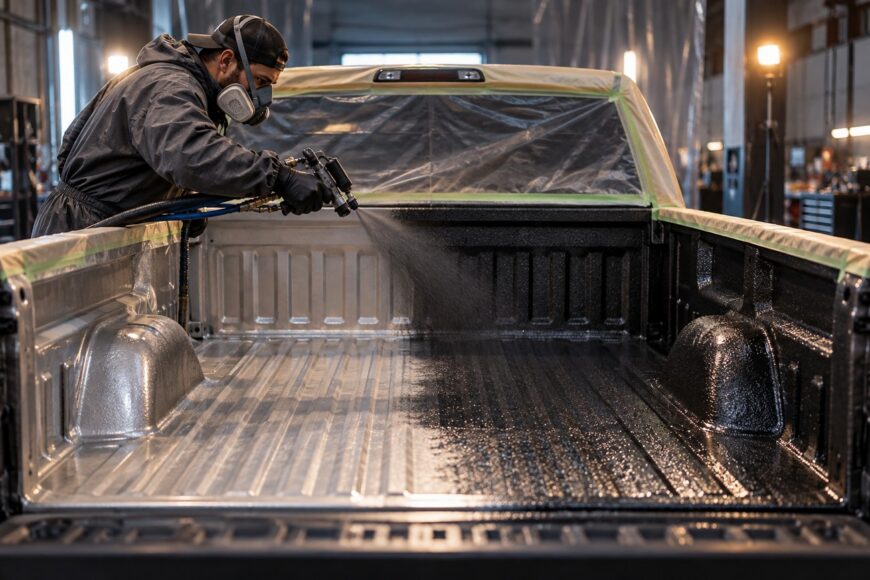
A seamless spray-on truck bed coating can turn a worn cargo box into a continuous, impact-resistant surface without the seams and loose edges found in
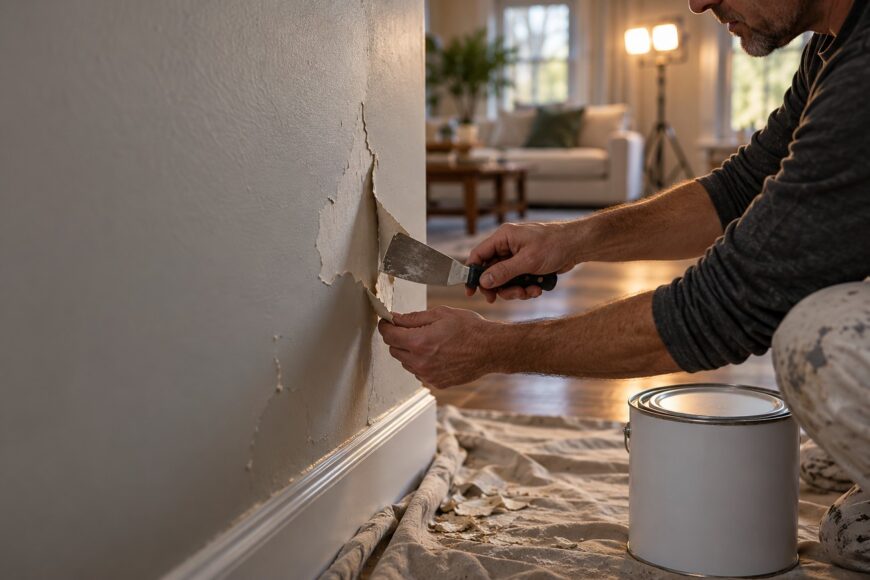
Painting straight over an old finish can save time, while preparation can feel like the part that delays the job. The risk is familiar: new paint peels
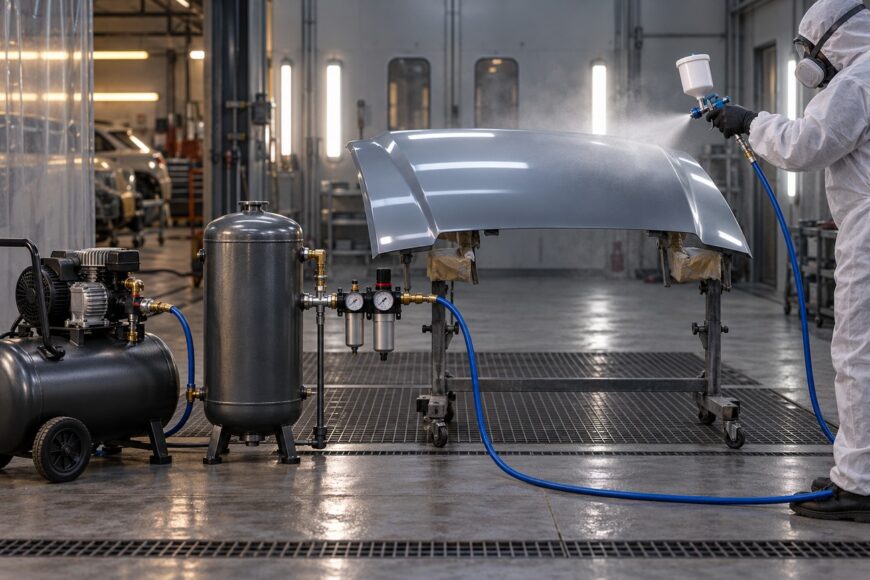
A compressor can show adequate pressure while the spray pattern collapses, water reaches the workpiece, or coverage becomes uneven. The receiver gauge
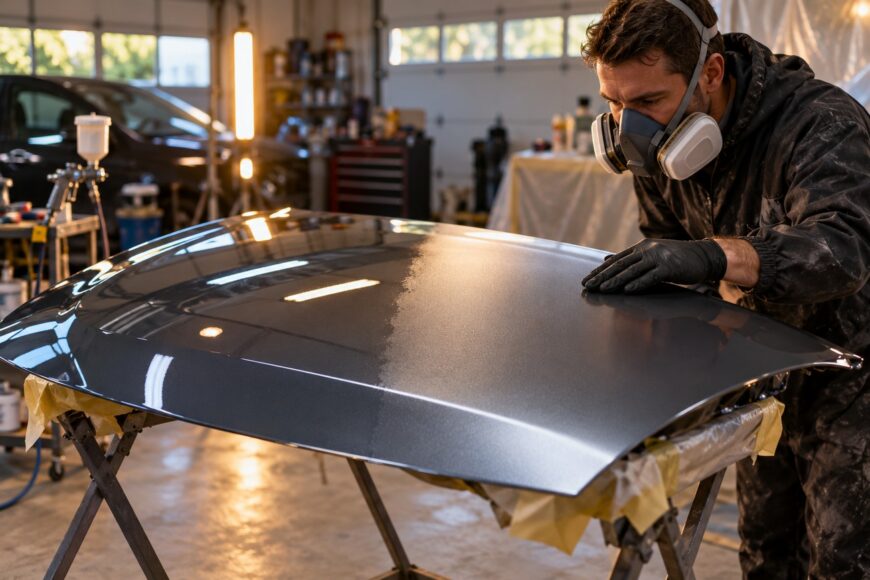
A clear coat can feel dry on top while remaining soft underneath. That is why a surface may seem ready to touch yet clog sandpaper, smear under a polisher