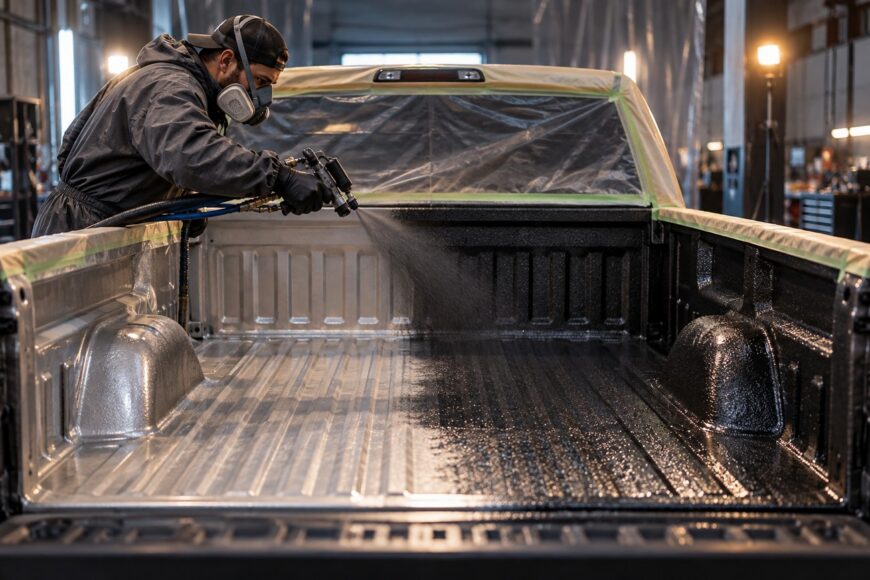
A seamless spray-on truck bed coating can turn a worn cargo box into a continuous, impact-resistant surface without the seams and loose edges found in some drop-in liners. Polyurethane and polyurea systems also add grip, so tools and equipment are less likely to slide on a textured floor. Those benefits are real, provided the coating is matched to the work the truck actually does.
Durability depends more on preparation, application conditions, and design choices than on the label alone. A premium material applied over oil, rust, silicone, or damp metal can fail at the bed rails just as readily as a cheaper system. The practical decision includes cargo type, corrosion risk, texture, downtime, chemical exposure, and how difficult the bed will be to repair later.
- What a Spray-On Bed Liner Actually Protects
- Surface Preparation Is the Real Durability Test
- Application Conditions, Thickness, and Texture
- Choose the Liner Around the Work, Not the Advertisement
- The Failures Owners Notice After Installation
- A Better Installation and Maintenance Decision
- Frequently asked questions
- What are the disadvantages of a spray bedliner?
- What is the best truck bed coating spray?
- How long do spray-on bed liners last?
- How soon can a truck be used after a spray-on bedliner is applied?
What a Spray-On Bed Liner Actually Protects
A spray-on liner forms a bonded polymer layer over the prepared bed surface. Polyurethane and polyurea systems can withstand everyday abrasion and impact better than bare painted metal, while their textured profile helps keep cargo from sliding. The result is a working surface rather than a decorative finish, so the quality of the bond and the shape of the coating matter as much as its appearance.
Many systems produce approximately 1.5–3+ mm of coating thickness. Some heavy-duty systems specify more, but the installed thickness is controlled by the number of passes, nozzle, material temperature, panel temperature, and application technique. A stated thickness is therefore a target within an application process, not proof that every point on the bed has the same build.
Thickness affects impact protection, flexibility, texture, and repairability. A controlled layer can protect high-wear areas while remaining compatible with the bed’s vibration and movement. Excessive build can become a liability if it creates weak internal curing, bubbles, cracks, or difficult transitions around fittings and edges.
The coating also has a clear limit: a liner is not automatically a complete anti-corrosion system. Rust removal, suitable primer, seam treatment, and dry metal remain essential. If moisture or oxidation is sealed beneath the polymer, corrosion can continue out of sight and may later undermine the bond from below.
Surface Preparation Is the Real Durability Test
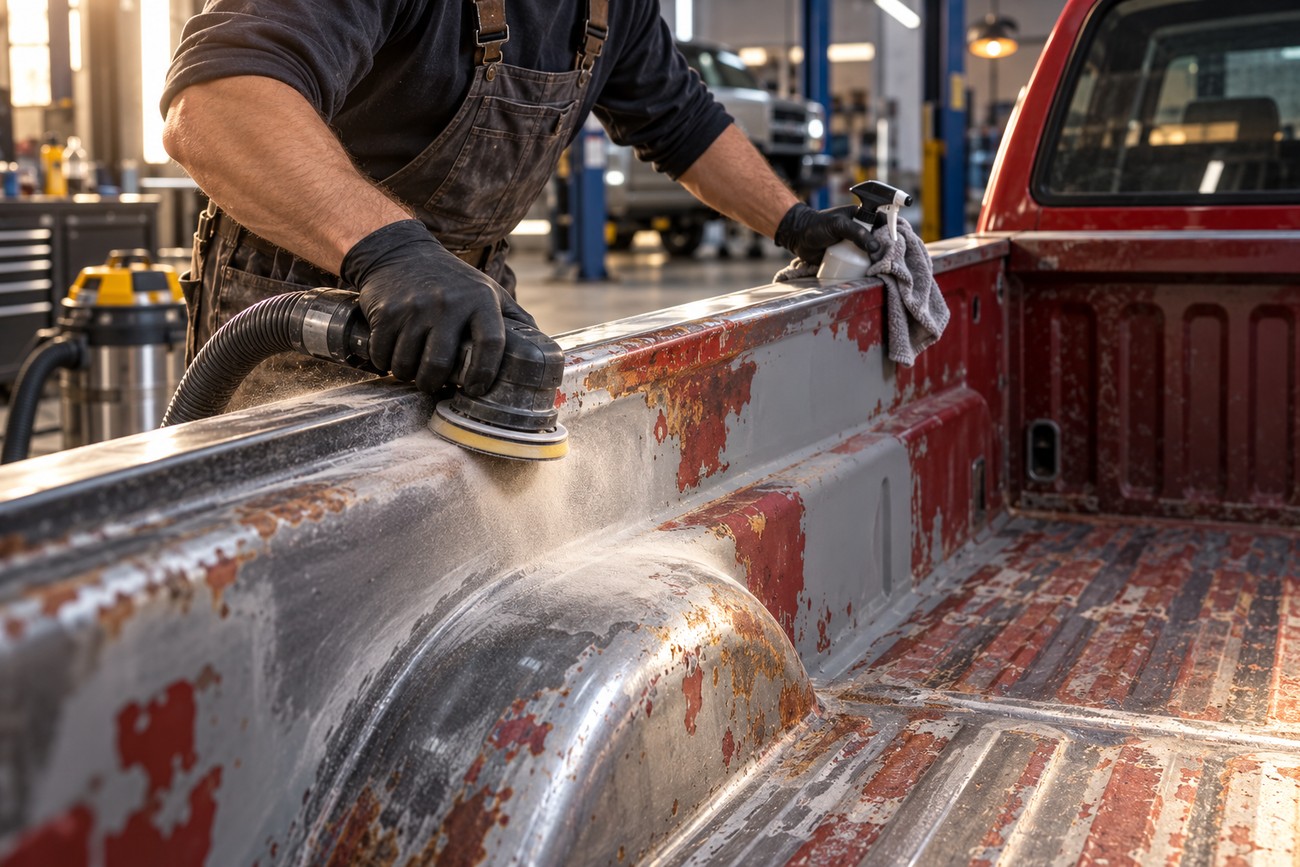
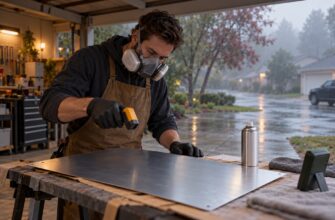
Peeling corners and lifting bed rails usually point to a preparation failure rather than a mysterious defect in the product. Oil, wax, silicone, dust, loose paint, and oxidation all interfere with adhesion. The essential sequence is degreasing, abrasion or matting, thorough dust removal, rust treatment, and the correct primer for the substrate.
Old paint must be assessed for soundness before it becomes part of the coating system. Spraying over unstable paint, active rust, silicone residue, or retained moisture gives the liner a weak layer to pull away from. The thick top coating may hide the problem for a while, which is why a failure can appear after a season of loading, washing, and winter exposure.
Seams and cavities deserve separate attention. A coating that bridges a damp seam or traps water near a flange can accelerate concealed corrosion, even if the visible floor looks intact. Seam sealer and primer must be compatible with the liner system, and the surface must be allowed to dry rather than merely appear dry at the top.
Aluminum panels and composite inserts require stricter compatibility checks than ordinary steel. The applicator should confirm the recommended cleaning method, abrasion standard, primer, and recoat window for each material. Skipping that verification is a common way to create a visually uniform bed with different adhesion performance from one section to another.
Application Conditions, Thickness, and Texture
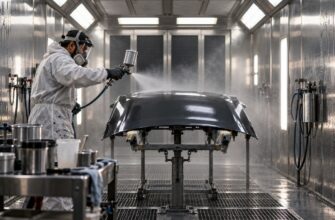
Most 2K spray systems are sensitive to temperature and humidity during mixing, spraying, and curing. Panel and material temperature matter more than air temperature alone. Cold material becomes more viscous, atomizes less effectively, and can produce a rougher surface with increased porosity risk; a cold metal panel can also reduce wetting and bonding.
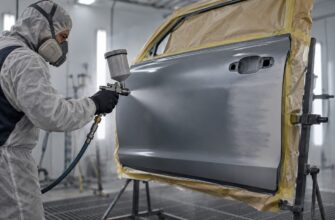
Application technique controls the finished profile. Pressure, nozzle choice, spray distance, overlap, and the time between passes all affect whether the floor is even or varies from a soft texture to an abrasive, sandpaper-like surface. One excessively thick pass can create runs, bubbles, or weak internal curing, even when the outer skin appears finished.
Check the panel and material temperature, spray pattern, and wet-film build between passes instead of chasing maximum thickness in one pass. A controlled build usually gives a more consistent surface and leaves fewer hidden problems at edges and fittings.
Texture is a working compromise. A rough profile reduces cargo sliding, yet it does not replace tie-downs because cargo can still move during hard braking. Higher roughness can also trap dirt, complicate washing, and abrade furniture, tool cases, or other cargo as they are dragged across the bed.
The best finish is rarely the roughest finish available. Occasional light hauling may benefit from a more moderate profile that is easier to clean, while constant loading of abrasive equipment may justify more grip and reinforcement at contact zones. The target should be agreed before spraying, rather than chosen after the surface has cured.
Choose the Liner Around the Work, Not the Advertisement
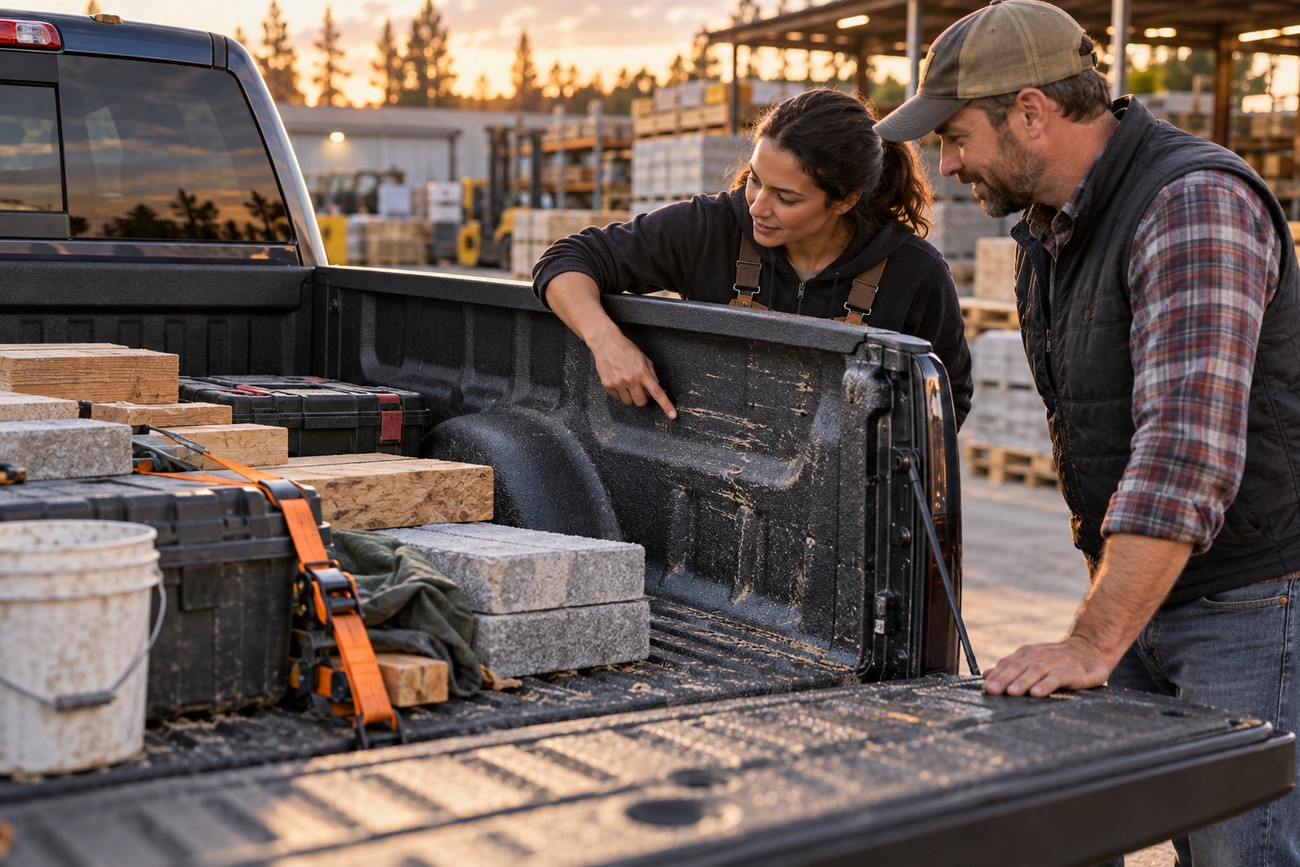
Product selection should start with the truck’s workload. A bed used for occasional household cargo has different priorities from one carrying tools, machinery, scrap, or abrasive building materials every day. Consider the substrate, loading pattern, impact points, chemical exposure, desired texture, ultraviolet exposure, and the possibility of a local repair.
For frequent loading, reinforced bed edges and the rear wall may matter more than maximum hardness across the entire floor. Those areas receive concentrated impacts when cargo is dragged or tipped in. Elasticity can be valuable where the body vibrates or flexes, while a very hard surface may be less forgiving if the application or substrate cannot support it.
Technical data sheets are more useful than broad claims such as “indestructible.” Many professional systems show resistance to common automotive fluids and road salts under specified test conditions. Prolonged contact with fuel or solvents may remain limited, and a result measured under controlled laboratory conditions should not be treated as a universal guarantee for spills, heat, abrasion, and standing contamination combined.
Check the data sheet for substrate requirements, primer, film-build guidance, service-temperature information, chemical resistance, texture options, and repair instructions. No universal service life can be promised because preparation, exposure, loading, chemistry, impact, and maintenance vary widely. A system that matches the truck’s real exposure is a safer choice than the hardest or thickest product in a brochure.
The Failures Owners Notice After Installation
The most visible failures occur where the bed works hardest: corners, rails, tailgate edges, impact points, and the rear wall. Poor adhesion in these zones can lead to chips or delamination when equipment hits the surface. Once an edge lifts, water and dirt can enter the gap and enlarge the damaged area during loading and washing.
Rust appearing after winter is often linked to trapped moisture, incomplete rust removal, or an unsealed seam rather than to the textured surface itself. Hidden cavities can stay wet while the exterior looks sound. Because the liner restricts access and conceals the original metal, corrosion may remain unnoticed until the repair requires stripping a larger area.
Odor and downtime also depend on the system and the working conditions. A dark coating can heat noticeably in strong sunlight, which may intensify odor in hot weather. Poor ventilation, low temperature, high humidity, or an excessive film build can extend the period before the truck is suitable for normal use, so advertising promises should not replace the product’s technical guidance.
Uneven texture creates a different complaint: one area feels smooth enough to clean, while another holds mud and de-icing residue. Roughness can improve grip while making routine washing more difficult. It can also increase abrasion against furniture and tools, especially when cargo is dragged instead of lifted.
Repairability is the hidden cost. A local repair may leave a visible transition, and restoring the factory surface geometry is difficult after a spray-on liner has been installed. Extra preparation, dent repair, masking, or primer work can also raise the final price. These additions are justified when they correct a failure risk, but they should be identified before approval rather than appearing as an unexpected charge.
A Better Installation and Maintenance Decision
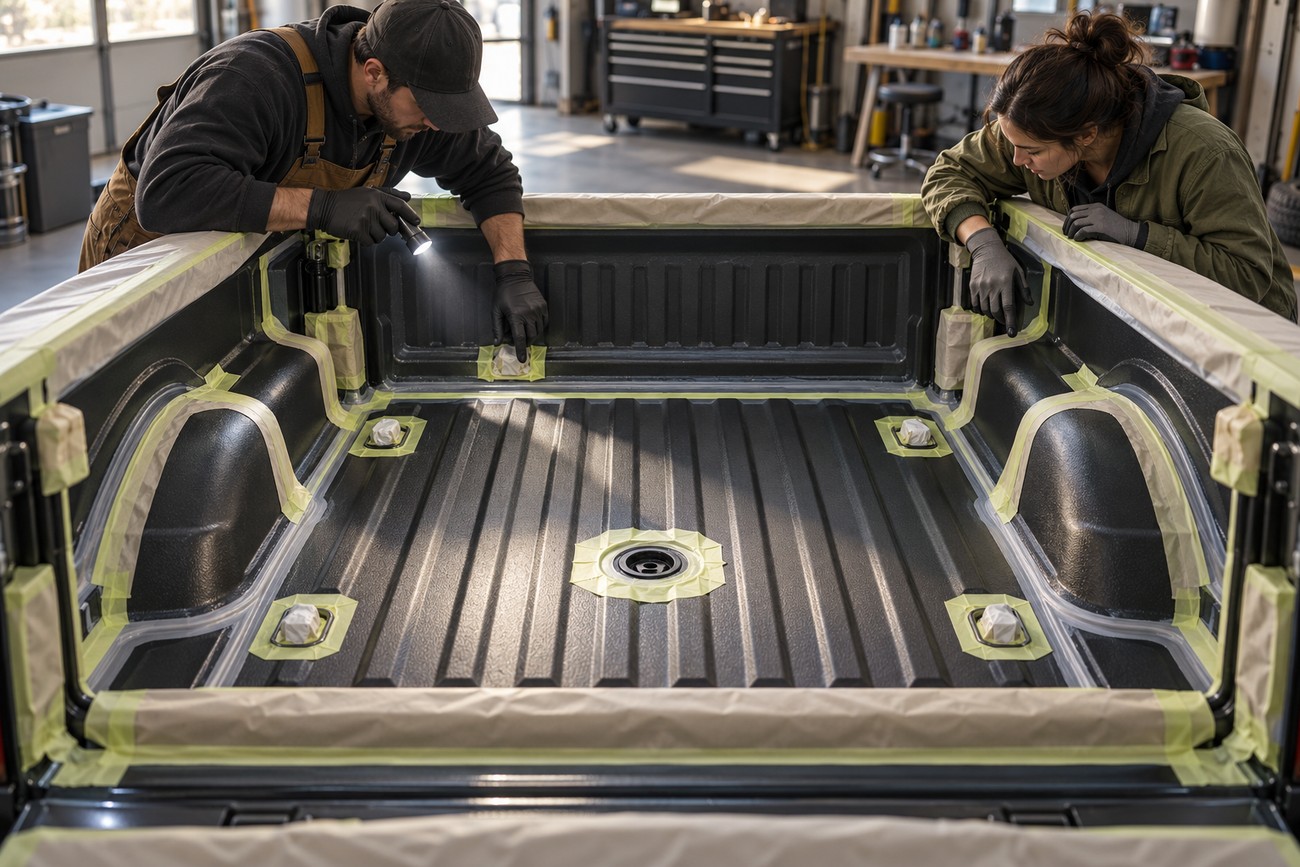
Before approving the work, inspect the substrate with the applicator. Agree on how dents, rust, old coating, seams, and damaged edges will be handled. Confirm the primer and seam-sealer compatibility, target thickness, texture, and the conditions required for spraying and curing.
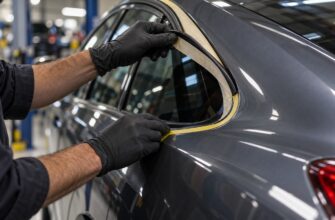
Masking deserves a written check because overspray in the wrong place can create mechanical problems. Drains, bolts, fasteners, threads, mounting points, latch interfaces, and removable hardware should be protected or masked. It is easier to prevent a blocked drain or coated thread than to cut cured material away without damaging the surrounding finish.
Ask how panel and material temperature, humidity, ventilation, and film build will be controlled. A professional result should have a consistent profile, clean transitions, open drains, accessible fasteners, and no visible bubbles or uncoated edges. A controlled coating build is preferable to an unnecessarily thick layer.
Maintenance starts after installation. Wash the textured surface often enough to remove dirt and road chemicals, inspect the rails and impact zones, and repair chips or lifted edges before contamination reaches the substrate. Continue using proper tie-downs: liner texture reduces sliding, but it cannot restrain cargo during hard braking or a sudden change of direction.
Frequently asked questions
What are the disadvantages of a spray bedliner?
The main disadvantages are the irreversible change to the bed surface, difficult local repairs, retained dirt in a rough profile, heat and odor from dark coatings, and the possibility of hidden corrosion. A liner can also reduce access to concealed body areas and make the original factory geometry difficult to restore.
These drawbacks do not make the coating unsuitable. They mean the installation should be treated as a long-term surface decision, with extra care given to preparation, drainage, edge protection, texture, and future repair expectations.
What is the best truck bed coating spray?
The best system is the one whose technical data sheet matches the substrate, loading pattern, chemical exposure, texture preference, and repair strategy. Compare primer requirements, compatibility with steel, aluminum, or composite sections, film-build guidance, chemical resistance, and the conditions used for testing.
Frequent abrasive loading may justify stronger edge and rear-wall protection, while a mixed-use truck may benefit from a less aggressive texture that is easier to wash and gentler on cargo. There is no universal winner independent of preparation and application quality.
How long do spray-on bed liners last?
No fixed service-life figure applies to every installation. Durability depends on preparation, exposure, loading, chemical contact, impact, and maintenance. A well-prepared liner may remain serviceable while a poorly bonded one can fail early at the edges.
Judge the condition by inspecting adhesion, bed rails, corners, impact zones, chips, cracks, and signs of corrosion around seams. Early repairs are easier when the damage is limited and the substrate has not been exposed to prolonged contamination.
How soon can a truck be used after a spray-on bedliner is applied?
Return-to-service time depends on the specific system, temperature, humidity, film build, ventilation, and the manufacturer’s technical data sheet. A surface that feels firm may still require additional curing before heavy loading, chemical exposure, or washing.
Use the applicator’s written guidance rather than a generic advertising promise. If conditions changed during the job, the applicator may need to adjust the expected cure period, particularly after a thick build or application in cool, damp conditions.