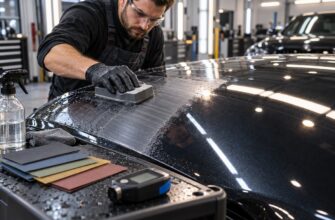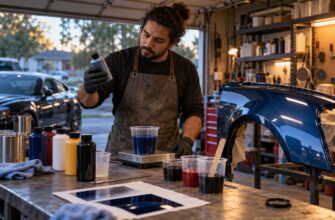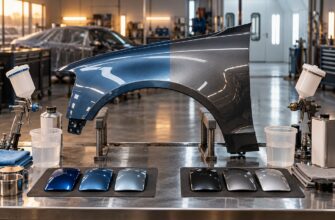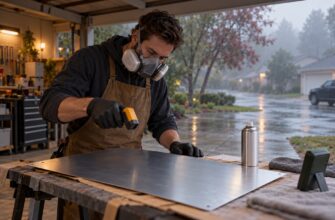
A nozzle that starves thick primer can overfeed clear coat, while a familiar 1.4 mm setup is not automatically right for every automotive coating. The correct starting point depends on the material’s viscosity, formulation, spray method, and the design of the gun and air cap.
Nozzle diameter affects fluid delivery and layer thickness, but it does not determine finish quality by itself. Use the coating’s technical data sheet (TDS/PDS) first, then confirm that the gun, nozzle set, and air supply are compatible with that recommendation.
- Automotive Spray Gun Nozzle Sizes at a Glance
- Why the Same Nozzle Size Behaves Differently
- Match the Nozzle to the Material and the Finish
- When the Wrong Nozzle Causes Runs, Dry Spray, or Waste
- Common Nozzle Myths and Hidden Gun Limitations
- Frequently asked questions
- How can I tell whether my spray gun’s nozzle is worn or damaged?
- What should I check if the nozzle size matches the TDS but the finish is still poor?
- What size tip should I use for spraying automotive primer?
- What size nozzle should I use for a primer spray gun?
- What is the best tip size for spraying base coat?
Automotive Spray Gun Nozzle Sizes at a Glance
These are practical starting ranges for common automotive coatings. They help narrow the choice, but the product documentation takes priority.
| Coating | Typical starting nozzle size | Practical note |
|---|---|---|
| High-build primer / primer-filler | 1.7–2.0 mm | Use a larger size only when the coating documentation and gun permit it. |
| Primer/sealer | About 1.3–1.6 mm | This thinner material should not be treated like a high-build primer-filler. |
| Automotive base coat | 1.2–1.4 mm | 1.3 mm is a common starting point; formulation and spray system can shift the recommendation. |
| Automotive clear coat | 1.3–1.4 mm | A common working range, including many HS clear setups; check the product and gun specifications. |
A high-build primer contains more solids and usually needs a larger fluid passage so it can flow without excessive restriction. A primer/sealer is generally thinner, so using a large primer-filler nozzle can increase material delivery and make film control more difficult.
Base-coat recommendations commonly fall around 1.2–1.4 mm, with 1.3 mm often serving as a sensible starting point. Clear coat commonly falls around 1.3–1.4 mm, although the correct choice still depends on the clear, the gun, and the required application method.
These ranges are not fixed specifications. Temperature, mixing ratio, approved reducer, material age, and the gun’s air-cap design can all change how a coating behaves. If the TDS/PDS specifies another size, follow it rather than forcing the product into a general table.
Why the Same Nozzle Size Behaves Differently
Viscosity is one of the first variables to consider, but it is only part of the picture. A thick primer-filler needs more passage area than a thin sealer, while a base coat may require finer atomization and more controlled fluid delivery. Resin type, solids content, drying speed, and the approved reduction system also influence the result.
Gun design changes the meaning of a nominal nozzle size. Needle geometry, fluid tip design, air-cap passages, and the balance between fluid and atomizing air affect both flow and fan shape. Two guns marked with the same nozzle diameter can therefore deliver different amounts of material and produce different edge softness.
HVLP, LVLP, and conventional or high-pressure systems are not interchangeable on nozzle size alone. Their air demand, transfer behavior, and atomization characteristics differ, so a size that works well on one system may produce a dry fan, excessive overspray, or poor control on another.
Select the nozzle using the coating’s TDS/PDS together with the spray-gun manufacturer’s compatibility guidance. General ranges are useful for narrowing the choice, while a test panel confirms whether the selected combination produces the required wetness, coverage, and texture.
Match the Nozzle to the Material and the Finish
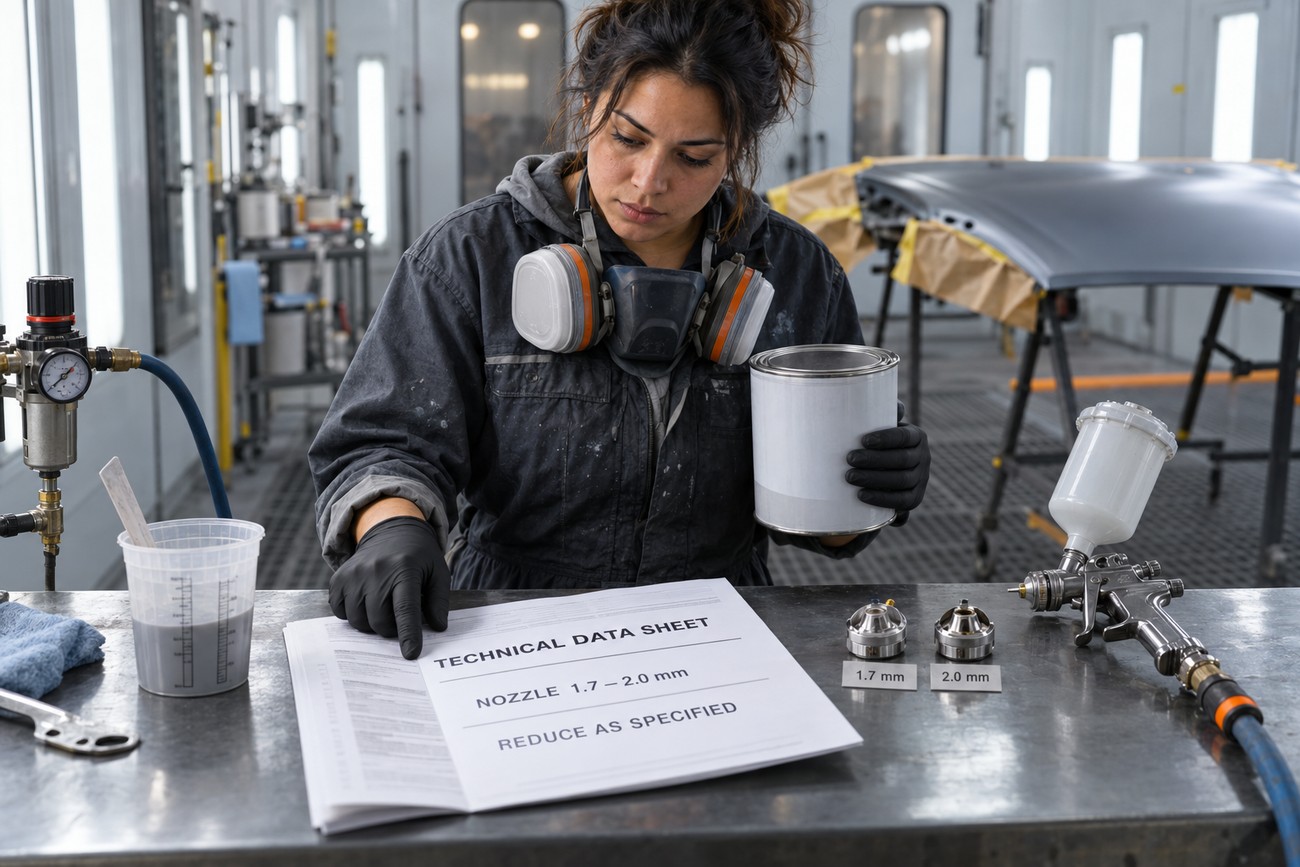
Start by identifying the exact product, rather than relying on a label such as “primer” or “clear.” Read the TDS/PDS for the recommended nozzle range, reduction method, and application process. Then check that the gun can use that nozzle and that its air supply can support the specified setup.
For a typical primer-filler, 1.7–2.0 mm is a practical starting range. A high-build product may require a larger size when its manufacturer specifies it and the gun is designed to handle the additional material flow. A larger opening can help the coating pass through the gun without forcing excessive adjustments that destabilize atomization.
Base coat commonly falls around 1.2–1.4 mm, while clear coat commonly falls around 1.3–1.4 mm. Waterborne and solventborne base coats can behave differently even at the same nominal viscosity, and the spray method, repair size, and required finish can shift the best choice within the product’s approved range.
Small repair areas may benefit from a setup that gives tighter control, while a full panel can require a different fan and delivery balance. The goal is a stable, repeatable application rather than the largest possible wet coat. If primer and finishing materials demand clearly different nozzle sizes, separate guns can be more practical than compromising both stages with one setup.
When the Wrong Nozzle Causes Runs, Dry Spray, or Waste
A nozzle that is too small for a viscous primer can restrict flow. The gun may struggle to keep the fan supplied, producing dry edges or an uneven film. Continued adjustment of fluid and air controls may make the gun appear usable for a short time, while the underlying mismatch remains.
An oversize nozzle can create the opposite problem with base coat or clear. Higher material delivery can make wet coats, runs, and excessive waste harder to control, especially on vertical panels. A coarse or heavy fan may also contribute to rough texture when the coating does not atomize or level as intended.
Orange peel, striping, and poor coverage do not prove that the nozzle is the only cause. Material preparation, pressure, distance, gun speed, overlap, temperature, air supply, and gun condition can produce similar symptoms. Diagnose the complete spray setup before changing several variables at once.
Air and fluid adjustments have limits. They may refine a correctly matched setup, but they cannot reliably turn a nozzle intended for a thinner coating into a suitable high-build primer setup, or make an oversize nozzle behave like a fine finishing tip. Follow the product instructions, make one controlled change, and verify the result on a test panel.
Common Nozzle Myths and Hidden Gun Limitations
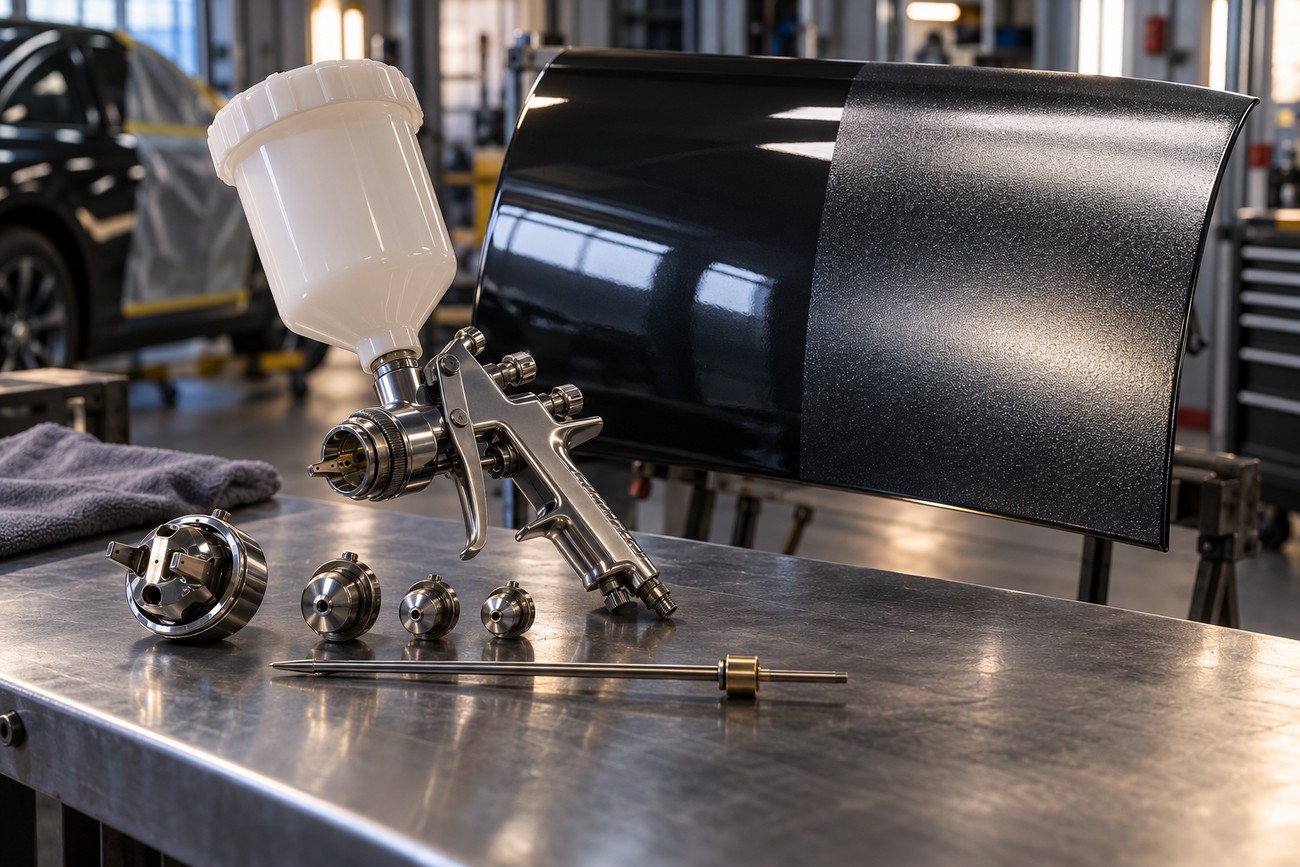
A 1.4 mm nozzle may suit some base-coat or clear-coat applications, but it is not a universal choice for high-build primer. Using one “middle” size for primer, base, and clear often creates compromises in film build, control, and material consumption.
A smaller nozzle does not automatically prevent clear-coat texture. If the opening restricts the material or the atomization is unsuitable, the result can be dry spray and poor leveling. Clear coat needs enough controlled flow to form a continuous film, so the correct size must be judged against the product and gun specifications.
Higher pressure cannot compensate for every nozzle mismatch. Excess air may increase overspray and dry the material before it reaches the panel, while excessive fluid adjustment can overload the fan. Use the pressure and fluid settings specified for the coating and gun, then fine-tune only within that approved working range.
Budget guns and universal kits can hide practical limitations. The stated nozzle diameter does not guarantee the same fan stability or material delivery as another gun with the same marking. A primer gun setup with a larger nozzle may also require more air capacity, and a compressor that cannot keep up may cause the fan to deteriorate during a pass.
Wear is another overlooked variable. Filled primers can be abrasive, and a worn fluid tip or needle may change the fan, increase leakage, or make the gun inconsistent even when the nominal nozzle size is correct. Inspect and clean components carefully, and replace damaged or worn parts as a matched set when the manufacturer requires it.
Frequently asked questions
The questions below cover nozzle wear, finish problems, and starting sizes for primer and base coat. Check the coating’s TDS/PDS and the gun’s specifications before relying on a general range. If a recommended nozzle still gives a poor finish, inspect the material, air supply, and gun condition before changing sizes.
How can I tell whether my spray gun’s nozzle is worn or damaged?
Inspect the fluid tip and needle under good light after thorough cleaning. Look for a visibly enlarged or distorted orifice, nicks on the tip, a bent needle, persistent leakage, or a fan that remains uneven after the material, air pressure, and gun adjustments have been checked.
Compare the suspect gun with a known-good nozzle set if available. If the fan changes unexpectedly, material delivery becomes inconsistent, or the same product suddenly needs unusual adjustments, replace the compatible nozzle and needle set rather than assuming the coating has changed.
What should I check if the nozzle size matches the TDS but the finish is still poor?
Check material mixing, reduction, temperature, pot life where applicable, and straining first. Then verify air pressure at the gun while spraying, compressor capacity, fluid supply, fan adjustment, spray distance, gun speed, overlap, and the cleanliness of the air cap.
Test the gun on a suitable panel using one controlled pass pattern. A correct nozzle can still produce orange peel, striping, dry spray, or poor coverage when the coating viscosity, air supply, gun condition, or application technique is outside the product’s working instructions.
What size tip should I use for spraying automotive primer?
For high-build primer or primer-filler, a typical starting range is 1.7–2.0 mm. Primer/sealer is usually thinner and commonly starts around 1.3–1.6 mm.
Use the exact size listed in the primer’s TDS/PDS when it differs, and confirm that the gun and air supply support it. High-build products may require a larger nozzle only when the product and gun manufacturers allow that choice.
What size nozzle should I use for a primer spray gun?
Choose the nozzle according to the specific primer, rather than the fact that the gun is labeled for primer. A typical primer-filler range is 1.7–2.0 mm, while a primer/sealer commonly falls around 1.3–1.6 mm.
Check the gun manufacturer’s approved nozzle range as well as the coating documentation. A gun with a suitable nozzle diameter may still lack the air-cap design needed for the primer, and its air supply may be insufficient.
What is the best tip size for spraying base coat?
Automotive base coat commonly uses a 1.2–1.4 mm nozzle, with 1.3 mm as a common starting point. The best choice depends on whether the system is waterborne or solventborne, the product’s viscosity, the gun design, and the spray method.
Confirm the recommendation in the base-coat TDS/PDS and test the fan before spraying the vehicle. A properly sized nozzle should provide controlled coverage and atomization without forcing excessive air or fluid adjustments.