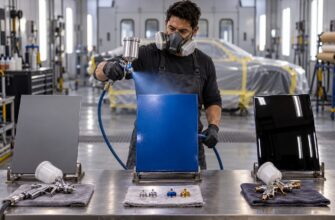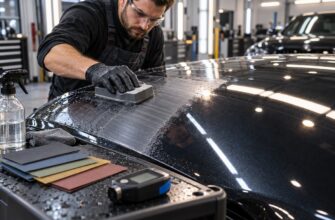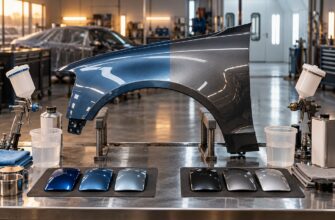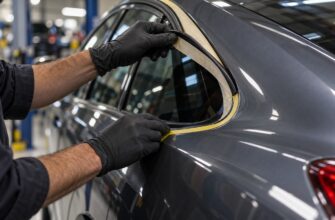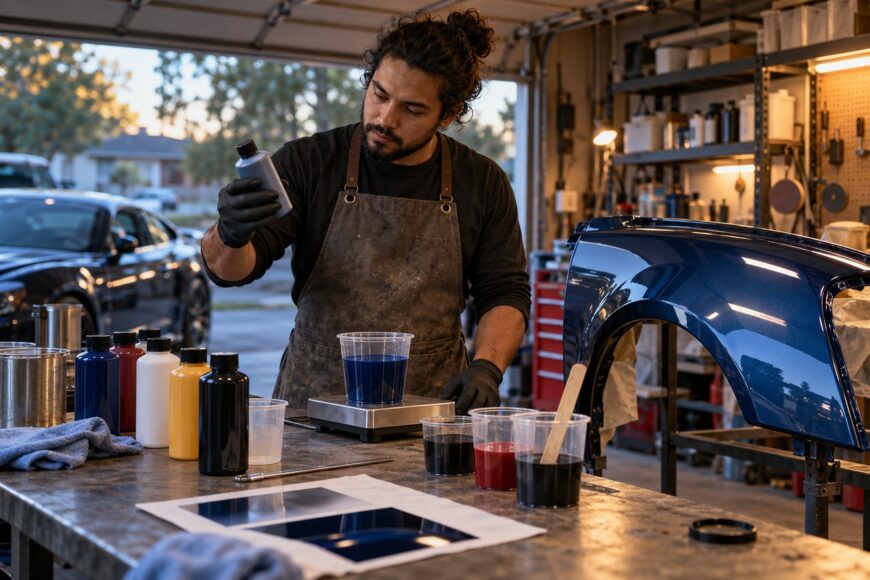
A recipe or an expensive mixer cannot guarantee a color match. The existing finish may be faded, previously repaired, or different across panels, while an activated 2K mixture can begin curing before you have used it. For a hobbyist, the wrong system can turn a small repair into wasted material and a second attempt.
The useful choice depends on repeatability, current formula support, material compatibility, and how often you paint. A modest setup with accurate weighing and good records may outperform a larger system that contains outdated formulas or more colorants than you can store and maintain.
- What an Automotive Paint Mixing System Actually Includes
- Choose a Mixing Setup That Fits Your Volume and Skill
- Compare System Types by Accuracy, Support, and Upkeep
- Check Formula Coverage and Color-Matching Limits Before Buying
- Control Mixing, Application, and Waste in a Home Workshop
- Calculate the Real Cost and Avoid Common Buying Mistakes
- Frequently asked questions
- Which is better for car painting, HVLP or LVLP?
- What is the recommended mixing ratio for automotive paint?
- What is the best software for mixing car paint colors?
- Why are some low-cost automotive paint jobs so inexpensive?
What an Automotive Paint Mixing System Actually Includes
An automotive paint mixing system can mean several different things. It may include a formula database, a rack of colorants, scales, dispensers, mixing cups, agitators, and software. Some packages include only the physical equipment, while others are tied to a particular paint line and its technical support.
Formula retrieval and physical dispensing are separate functions. Software may identify a recipe, but the color still has to be measured, mixed, adjusted, and applied correctly. A manual setup can use the same recipe as a dispensing system if the formula is available and the operator can weigh each component consistently.
The database is useful only when it is current and covers the relevant vehicle make and year. A large catalog can contain unavailable, outdated, or discontinued formulas. Before buying, confirm how updates are delivered and whether access requires a license, subscription, or paid service.
The complete material system matters more than the stand or software alone. Any basecoat, binder, reducer, hardener, and clear you use must follow the relevant product system’s compatibility and application instructions. Mixing components from different lines can create problems with adhesion, drying, gloss, or application even when the color itself appears correct.
Choose a Mixing Setup That Fits Your Volume and Skill
A small manual setup is often sensible for occasional work. It can consist of accurate scales, clean containers, a manageable group of colorants, and a written record of every addition. This approach demands more attention from you, yet it avoids paying to store and maintain a large inventory that may sit unused.
Recipe-guided systems add structure by connecting a formula database with weighing instructions or dispensing prompts. Larger dispensing systems can improve repeatability and may state dosing accuracy in grams. Budget manual approaches commonly rely on percentages or marked increments, and actual results still depend on operator technique, mixing, and the condition of the equipment.
Inventory size changes the workload. More pigments, metallics, and pearls require more storage, regular agitation, protection from contamination, and attention to settling or drying. A smaller system with reliable formula support can be more useful to a beginner than a large catalog with stale data and many slow-moving components.
For small batches, weigh each addition, pause before the final increment, and record the actual amount used. That pause helps prevent a dosing overshoot and makes a successful correction repeatable.
Consider batch size as well as annual painting frequency. A system that dispenses tiny additions consistently is valuable for spot repairs, where one excess component can force a larger correction. If you usually paint complete panels and follow a known product line, a carefully documented manual setup may provide enough control without the maintenance burden of full automation.
Compare System Types by Accuracy, Support, and Upkeep
The following comparison shows the practical differences between common approaches. These are general tendencies; the quality of the formula database, equipment, and operator can change the result.
| Setup | Repeatability | Formula access | Costs and upkeep | Best fit |
|---|---|---|---|---|
| Manual scale-based mixing | Depends on scale resolution, records, and operator technique; marked increments can limit small-dose control. | May use printed or digital recipes, if the paint line provides them. | Lower equipment commitment, with ongoing costs for colorants, containers, cleaning, and waste. | Occasional repairs, learning, and small inventories. |
| Recipe-guided mixing | More structured weighing and repeatable instructions, though manual errors remain possible. | Usually linked to a current brand database and its update policy. | Software access, licenses, updates, and compatible consumables may add recurring costs. | Regular hobby work with one supported product line. |
| Automated dispensing | Professional systems may specify dosing accuracy in grams; results still depend on agitation and clean equipment. | Often tied closely to a proprietary database and colorant range. | Higher setup commitment, plus maintenance, cleaning, calibration, consumables, and software access. | Frequent painting or a workshop handling many supported colors. |
Software subscriptions and formula updates can matter more over time than the initial price of a stand or dispenser. Ask what happens if access ends, whether old formulas remain available, and how quickly discontinued products are removed or replaced. A system with impressive hardware has limited value if the support behind it stops being current.
Proprietary consumables also affect ownership cost. Dedicated cups, tips, valves, hoses, or cleaning products may be necessary for reliable operation. Cleaning is especially important when colorants share equipment, because a small amount of contamination can alter a pale or transparent color.
Maintenance should be realistic for a home workshop. If the system requires regular agitation, calibration, software updates, or careful cleaning and you rarely paint, the unused inventory and service burden may exceed the benefit. The operator remains part of the accuracy chain even with automated dosing.
Check Formula Coverage and Color-Matching Limits Before Buying
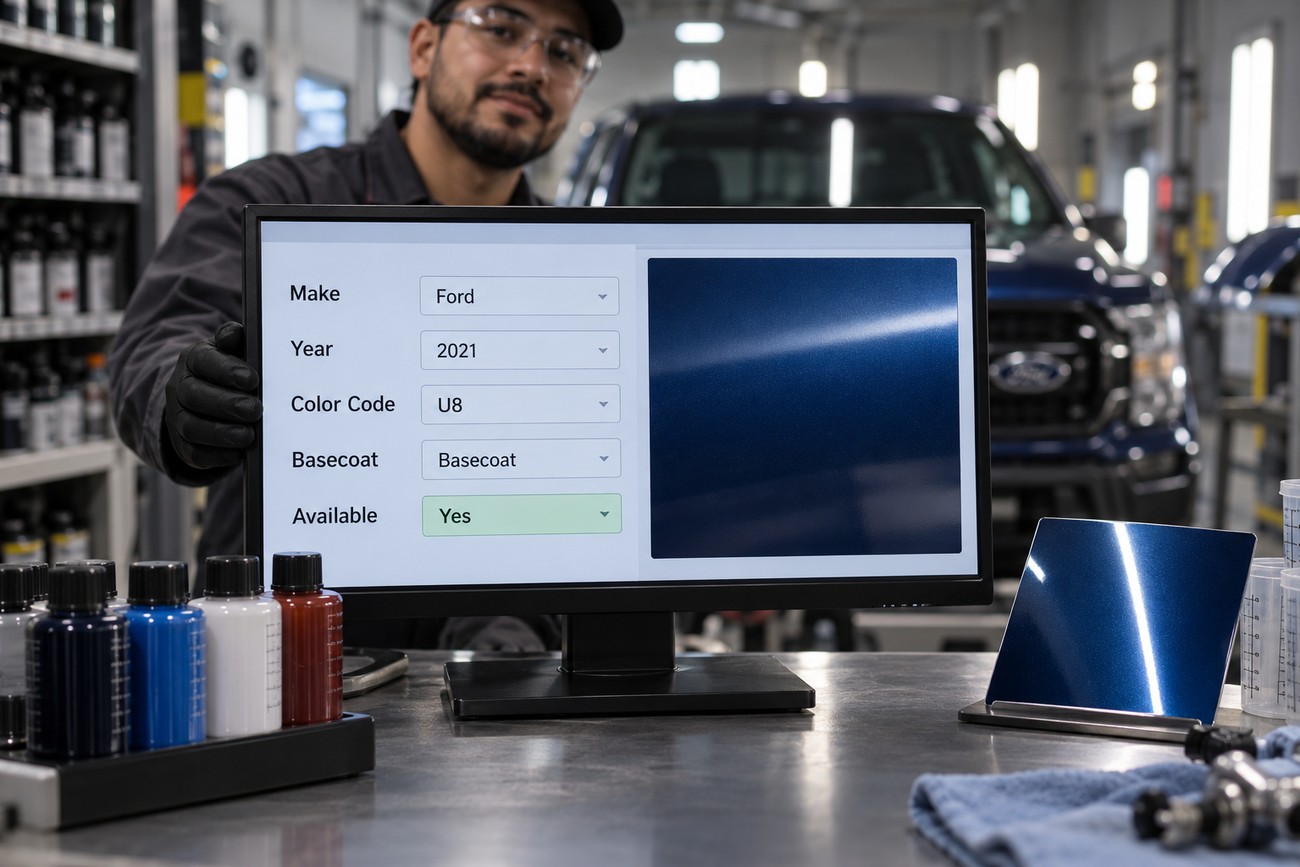
Start with the vehicles you actually intend to repair. Check the database for the relevant make, model year, color code, and paint line, then ask whether the formula is current and physically mixable from available components. A formula shown in a catalog may be unavailable, outdated, or discontinued.
Ask how updates are delivered and whether local support can explain a missing or revised formula. Confirm that the system covers the specific basecoat line you plan to use, whether waterborne or solventborne. Switching later can involve different binders, reducers, hardeners, cleaning procedures, and application instructions.
A spectrophotometer can narrow formula options and reduce the number of candidates, but it does not replace manual correction or a test spray. The instrument reads the condition of the panel in front of it; fading, oxidation, previous repairs, and differences between adjacent panels can still require adjustment.
Use a controlled sequence: verify the formula, mix a small test amount, spray a test card, and assess it under suitable light and viewing angles. Adjust only after the test has dried according to the product instructions. Metallic and pearl colors may need a blend or application adjustment even when the selected formula is correct.
Control Mixing, Application, and Waste in a Home Workshop
Begin with clean containers, accurate scales, and a written record of the formula. Record any correction separately from the original recipe, including the actual amount added. This gives you a usable reference when two panels must match on different days.
Colorants must be mixed thoroughly before dosing, especially metallics and pearls that can settle. Dirty lids, contaminated stirrers, and residue in a dispenser can change the result. Accurate equipment cannot compensate for poor agitation, inaccurate weighing, or inconsistent handling.
Temperature and viscosity affect spraying. Keep the material within the product’s stated working conditions and select the reducer, nozzle, and air pressure according to the technical data sheet. A universal ratio or spray setting is unsafe because basecoats, binders, hardeners, and clears follow different product instructions.
Once activated, 2K material has a limited pot life and begins irreversible curing. Any remaining material may need to be discarded, so mix only what you can apply within the stated working window. This is one reason a small, well-planned batch can be more economical than an ambitious mix made before the gun and panel are ready.
Waterborne basecoats generally require closer control of temperature, humidity, and airflow. Poor drying can contribute to mottling and an uneven metallic appearance. The final look also depends on spray technique and flake orientation, so a correct recipe alone cannot guarantee the same appearance on every panel.
Calculate the Real Cost and Avoid Common Buying Mistakes
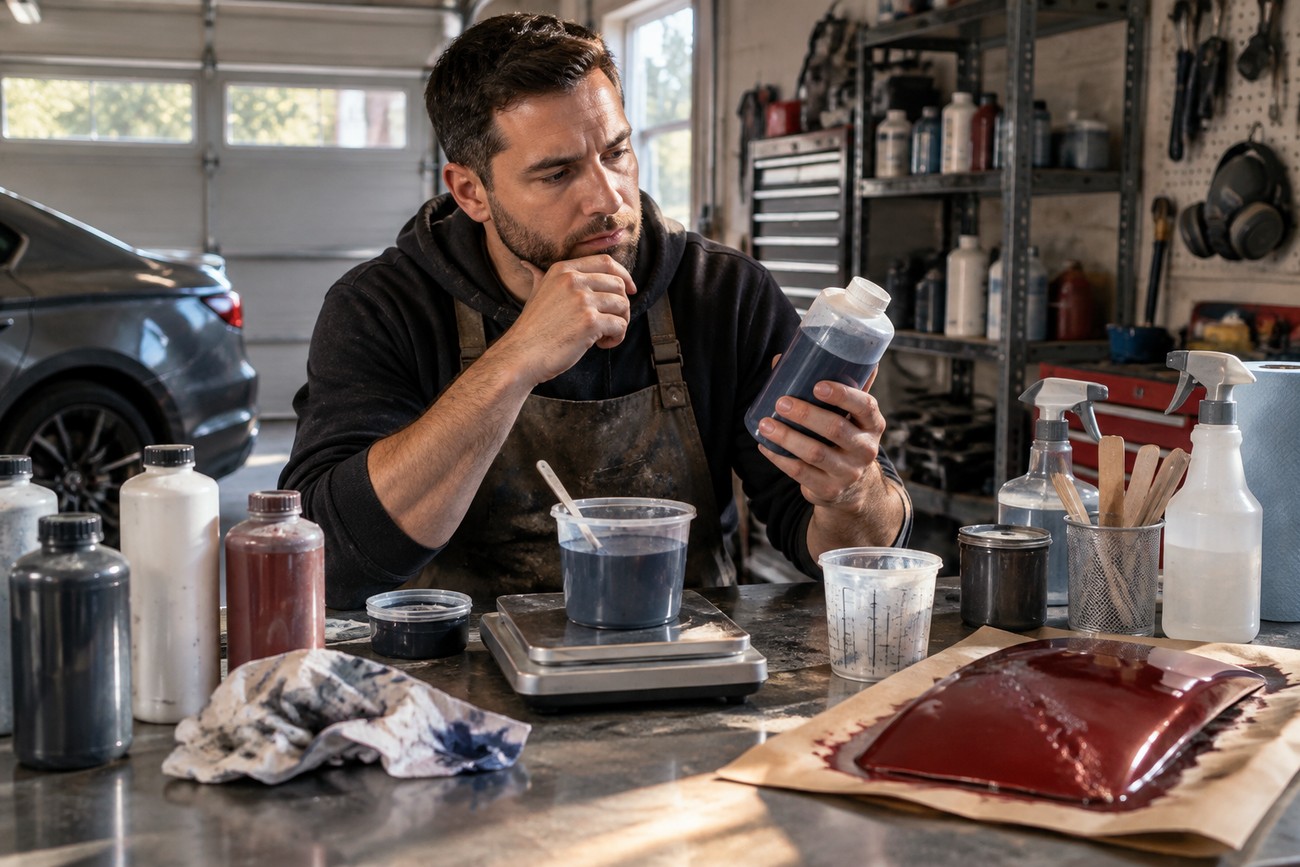
Ownership value depends on painting frequency, colorant costs, material losses, and rework. A mixing stand does not automatically create savings. Savings become more plausible when you use the system often, reduce failed batches, and can maintain the inventory without allowing components to settle, dry, or expire.
Count software access, updates, containers, cleaning products, agitation, storage, and disposal alongside the equipment. Check the cost of changing product lines as well. A new line may require different colorants, binders, reducers, hardeners, and cleaning procedures, leaving part of the original investment unused.
Buying from reviews without checking local formula coverage is a common mistake. So is buying a wide range of rarely used colorants. More components increase storage and contamination-control demands, while slow-moving materials can become waste before they are needed.
Mixing by eye makes a successful repair difficult to repeat. Keep scales level, use clean containers, record every adjustment, and retain a test card where practical. A premium price can improve equipment and support, yet it cannot correct a faded finish or an unrecorded manual adjustment.
Frequently asked questions
Equipment and formula choices depend on the products and repairs involved. Compare a spray gun’s air demand with your compressor’s usable output, and follow the exact paint product’s mixing instructions. For mixing software, check coverage and support for the colors you need; for a quoted paint job, check what work the price includes.
Which is better for car painting, HVLP or LVLP?
HVLP and LVLP can both work well when the gun, coating, and air supply are compatible. HVLP typically needs a stronger air supply, while LVLP can suit a smaller compressor, but the actual requirement depends on the specific gun and the coating manufacturer’s instructions. Transfer efficiency also depends on setup and technique, so compare the gun’s air demand with your compressor’s usable output rather than choosing by label alone.
What is the recommended mixing ratio for automotive paint?
Use the ratio stated in the technical data sheet for the exact product. There is no single ratio for all automotive paint because basecoats, reducers, binders, hardeners, and clears follow different systems, and some products are ready for a specified application method. Read the instructions for component order, induction time if stated, pot life, and application equipment before mixing.
What is the best software for mixing car paint colors?
The best software is the one that supports your paint line and gives current coverage for the vehicle makes and years you repair. Check update access, formula availability, local support, export or printing options, and compatibility with your scales or dispenser. Software can narrow formula choices, but it does not guarantee a visual match; a test spray and manual correction may still be necessary.
Why are some low-cost automotive paint jobs so inexpensive?
A low price may reflect a narrower preparation scope, cheaper or different materials, less labor, a limited warranty, or a finish standard intended for an older vehicle. Ask what sanding, masking, color matching, blending, clearcoat work, and correction are included. Budget pricing does not describe every shop, so compare the defined work and expected finish rather than the number alone.