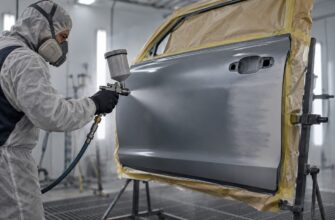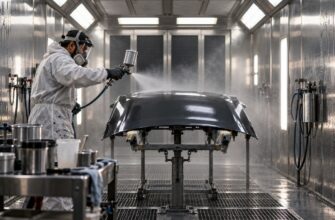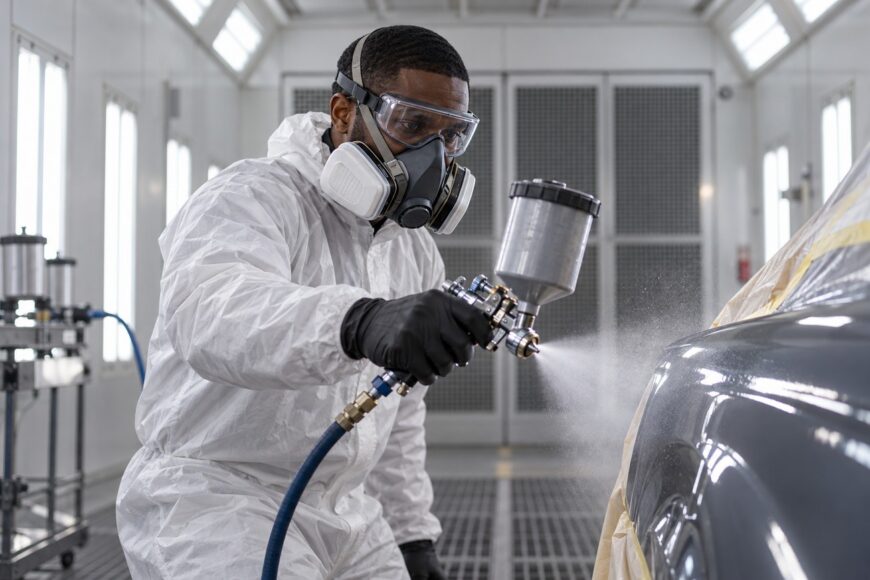
You put on a painting respirator, start spraying, and still notice fumes. Your eyewear fogs, or your skin feels irritated after cleanup. Those problems do not point to a single faulty piece of equipment: paint vapors, airborne droplets, and skin contact require different controls, and a respirator can address only some of them.
The right starting point is the task and the coating, rather than the mask on the shelf. Brushing a small surface, spraying a solvent-based finish, and sanding an old coating create different exposures. Check the product safety data sheet (SDS), consider how the work area is ventilated, and choose protection for the hazards that can reach you.
- What paint exposes you to—and why one filter is not enough
- Painting tasks and the protection they may require
- Fit can fail before the filter does
- Cartridge life: plan the change before breakthrough
- Protect eyes and skin without creating new fit problems
- When ventilation or supplied air takes priority
- Frequently asked questions
- How should I clean a reusable painting respirator?
- What should I do if I wheeze, get a headache, or develop a rash after painting?
- How can I protect other people and pets while painting?
What paint exposes you to—and why one filter is not enough
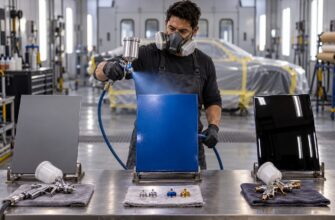
Paint can release organic vapors from solvents and other ingredients. Spraying also puts fine liquid droplets into the air, while sanding cured coatings creates dust. An appropriate organic-vapor cartridge addresses specified organic vapors; a suitable particulate filter addresses airborne droplets or dust. A particulate-only respirator does not protect against solvent vapors.
These hazards can occur together. During solvent spraying, a painter may need both suitable vapor and particulate protection, subject to the SDS and an exposure assessment. A disposable particulate mask may catch some airborne paint droplets while leaving the wearer exposed to solvent vapors. Adding a filter also cannot correct a poor face seal or inadequate ventilation.
Brushing and rolling generally put less paint into the air than spraying, so the respiratory-protection decision may be different. The formulation still matters: a water-based coating may contain ingredients that need precautions, while solvent-based products vary in composition and application conditions. Read the SDS for the specific coating and any thinner, hardener, or cleaner used with it.
Smell is a poor exposure gauge. Noticing paint odor does not, by itself, identify whether vapor is passing through a cartridge or leaking around the facepiece; failing to notice it does not establish that the air is safe. Use product information and a competent assessment where exposure is uncertain, especially before sustained indoor spraying.
Painting tasks and the protection they may require
Use this table as a starting point, not a universal equipment prescription. Check the product SDS, work conditions, and exposure assessment before selecting respiratory protection.
| Task | Likely airborne hazard | Possible protection path | When to reassess |
|---|---|---|---|
| Brushing or rolling | Product-dependent vapors; usually less airborne paint mist than spraying. | Prioritize ventilation and follow the SDS. If respiratory protection is needed for relevant organic vapors, select an appropriate organic-vapor cartridge. | Reassess if the product, room ventilation, or duration of work changes. |
| Conventional solvent spraying | Solvent vapors and airborne paint droplets. | Suitable organic-vapor and particulate protection may both be required. P95 and P100 are US particulate-filter ratings, not organic-vapor ratings; local classifications differ. | Reassess if exposure is uncontrolled, the respirator does not fit, or its use conditions fall outside its instructions. |
| Spraying isocyanate-containing two-component coatings | Airborne spray and product-specific chemical exposure. | Pause for the SDS and a competent exposure assessment. Supplied-air protection may be needed for some spraying tasks. | Do not assume an air-purifying cartridge is sufficient without a task-specific determination. |
| Sanding cured coatings | Airborne coating dust; composition depends on the existing finish. | Control dust at its source and select a suitable particulate filter if respiratory protection is required. | Reassess when the coating is unidentified, dust escapes containment, or other hazards are suspected. |
Fit can fail before the filter does
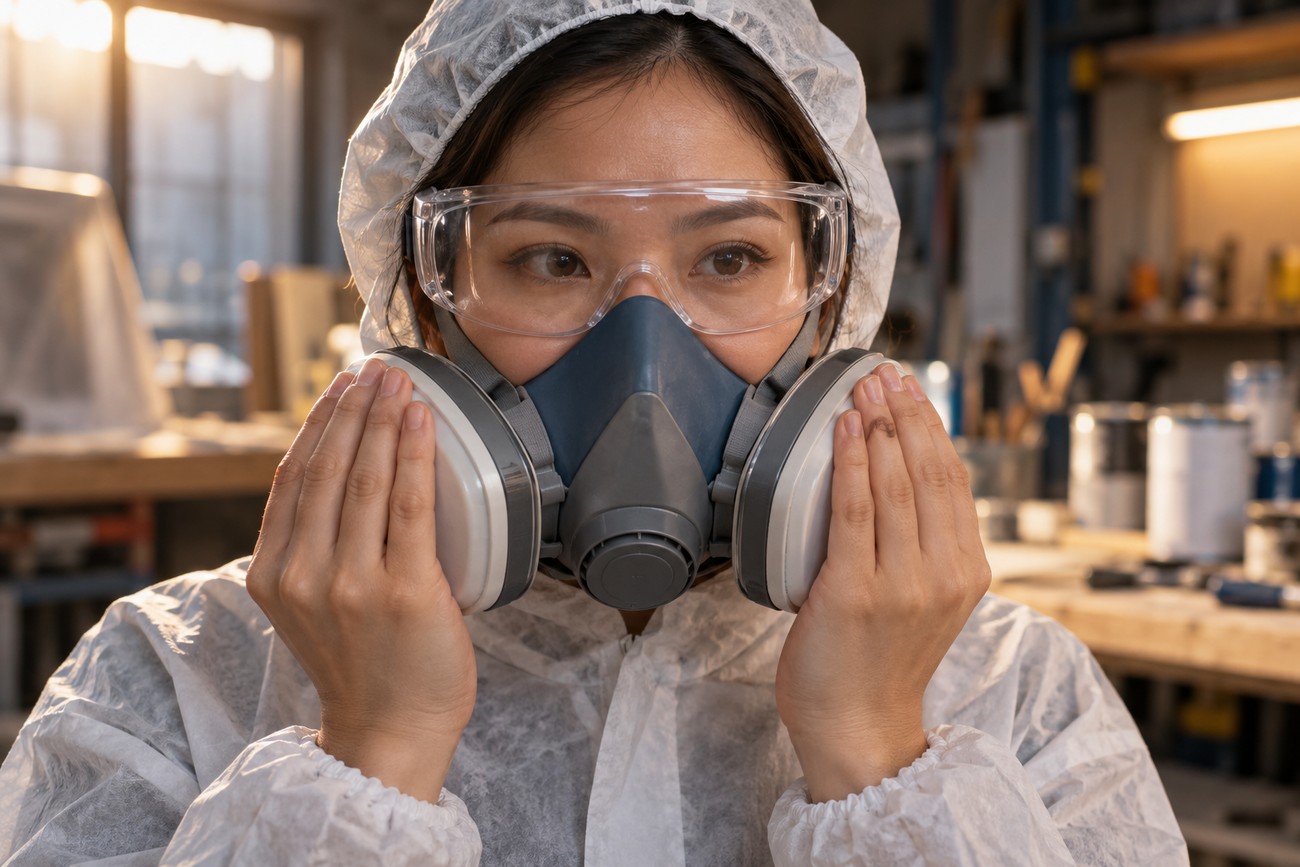
A tight-fitting respirator works only when its facepiece seals against your skin. Leaks can develop along the nose and cheeks even when the mask feels snug elsewhere. A different facepiece size or shape may be needed; tightening the straps until the mask hurts is not a reliable repair and can make extended wear harder.
Facial hair in the sealing area can compromise that seal, including short stubble. Eyewear, a hood, or headgear can also shift the facepiece or sit between it and the skin. Before each use, put on the complete set of gear and perform a user seal check as the respirator manufacturer directs. That check can reveal an immediate problem, but it does not replace a formal fit test.
When respirator use is required at a US workplace, OSHA requires a respiratory-protection program, including fit testing for tight-fitting respirators. That workplace requirement should not be presented as a universal rule for hobby use, although a secure seal matters in either setting. A “one-size” label or a comfortable first impression cannot establish an effective fit.
Pressure on the nose, difficult breathing, or constantly fogged eyewear is a reason to pause and reassess the equipment and work conditions. Do not solve fogging by lifting eye protection while spray is in the air. Check whether the eyewear interferes with the mask, whether components are correctly installed, and whether a different compatible combination is needed before restarting.
Cartridge life: plan the change before breakthrough
Organic-vapor cartridges have a limited service life, but there is no single replacement interval that fits every painting job. The chemical mixture, airborne concentration, humidity, temperature, and pattern of use all affect how long a cartridge remains suitable. A cartridge used during prolonged spraying may face different conditions from one used briefly for brushwork.
Follow the cartridge manufacturer’s instructions and, at work, the applicable cartridge-change schedule. Waiting until paint smells strong is unreliable: odor perception varies, and a smell may come from a leaking face seal rather than an exhausted cartridge. Equally, an absence of odor does not confirm that the cartridge still has capacity.
If you notice an unexpected smell or irritation, leave the exposure area before troubleshooting. Check the facepiece position and seal, confirm that the cartridge is specified for the relevant vapors and fitted correctly, and review the change schedule. Do not keep spraying while trying to decide which component is at fault.
Storage matters after the package is opened. Follow the manufacturer’s instructions for removing or retaining cartridges and for storing them between uses; an opened cartridge may lose usable life during storage, especially if it is left exposed to contaminated air. Marking when cartridges were first used can help you follow instructions or a workplace schedule, but the date alone cannot establish remaining service life.
Protect eyes and skin without creating new fit problems
Spray can reach your eyes, face, hair, and exposed skin even when your breathing protection is appropriate. Choose splash-appropriate eye protection, chemically suitable gloves, and clothing that covers exposed areas for the specific coating and task. The SDS can help identify relevant contact hazards and protective materials; no glove material should be assumed to resist every coating, thinner, or cleaner.
Think through the whole job, including mixing and cleanup. Splashes can occur while pouring a hardener or washing equipment, while airborne spray can settle on sleeves and hair. Keep contaminated gloves from transferring coating to your face, phone, or clean surfaces, and follow the product and glove instructions when removing used protection.
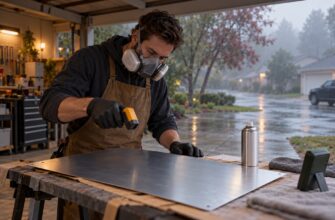
Eye protection must work with the respirator rather than disturb its seal. Eyewear arms, a hood edge, or a head covering trapped under the facepiece can create a leak. Try the complete combination before starting; if eyewear fogs or shifts during use, step out of the exposure area to adjust it and check the respirator seal again.
Skin irritation after painting deserves attention rather than a stronger cleaning solvent. Review where the coating reached the skin, whether glove cuffs or sleeves left gaps, and whether the chosen materials suit the product. Follow the SDS for first-aid guidance and seek medical advice when symptoms persist or cause concern.
When ventilation or supplied air takes priority
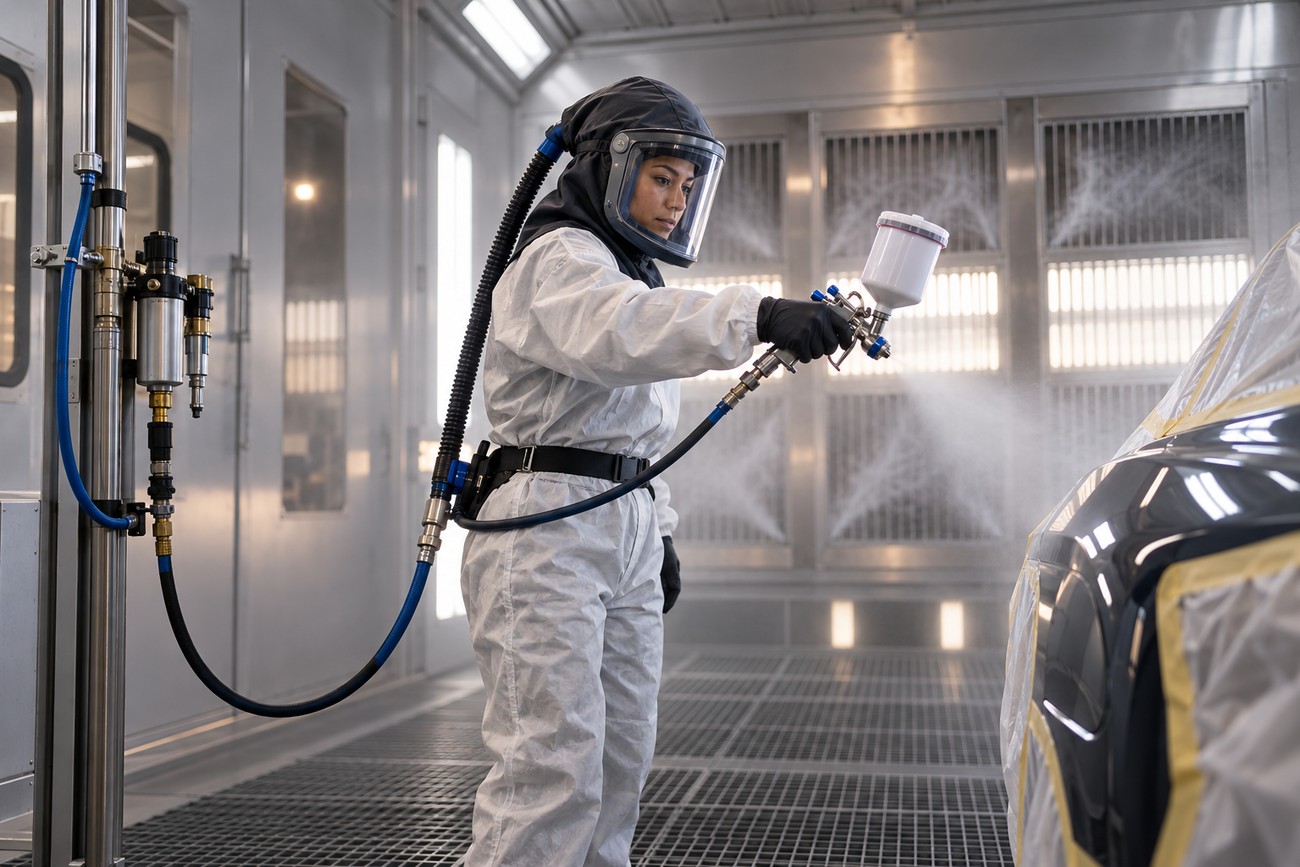
Respirators address what reaches the wearer; ventilation and other source controls reduce what enters and remains in the work area. Suitable spray capture, containment, and ventilation can also limit drift toward other people. Their effectiveness depends on the space, airflow, and application method, so opening a window is not proof that exposure is controlled.
An air-purifying cartridge does not supply oxygen. It cannot make an oxygen-deficient or otherwise unsuitable atmosphere safe, regardless of how new the cartridge is. In a confined or poorly ventilated space, pause the job and obtain a competent assessment instead of upgrading the cartridge and proceeding.
Two-component coatings containing isocyanates need particular care when sprayed. For some of these tasks, an air-purifying respirator may be insufficient and supplied-air respiratory protection may be needed. Determine the requirements from the product information and a competent exposure assessment; a general-purpose “paint respirator” label is not enough.
Supplied-air equipment also has requirements for the air source, setup, and use. It is not a shortcut around controlling spray or protecting eyes and skin. Where suitable ventilation or the required respiratory system cannot be provided, change the work method or arrange for the task to be carried out under appropriate controls.
If you develop a headache, throat irritation, wheezing, or other symptoms while painting, stop and leave the exposure area. Do not use the presence or absence of paint smell to decide whether to continue. Reassess the product, task, ventilation, and protective equipment before work resumes, and seek appropriate medical advice for symptoms.
Frequently asked questions
Post-use care and bystander protection are part of planning a painting job. The details depend on the equipment, coating, and work area, so use the relevant manufacturer instructions and SDS rather than a single rule for every project.
How should I clean a reusable painting respirator?
Clean and dry the reusable facepiece according to its manufacturer’s instructions after use, paying attention to the parts the instructions identify for inspection. Handle filters and cartridges as directed for those components; do not wash them as though they were the facepiece. Before the next use, check that the mask and its parts are clean, undamaged, correctly assembled, and suitable for the task.
What should I do if I wheeze, get a headache, or develop a rash after painting?
Stop painting and leave the exposure area. Seek medical advice for symptoms after possible exposure, urgently if you have difficulty breathing. Have the product name, details of any thinner or hardener, and the SDS available if possible; they can help a clinician identify what was used. Do not resume the job simply because symptoms ease away from the work area.
How can I protect other people and pets while painting?
Keep other people and pets out of the work area and prevent spray or fumes from drifting into occupied spaces. Plan containment and ventilation before opening the product, including where extracted air will go. Follow the coating’s ventilation and re-entry directions; there is no universal waiting time that applies to every product, room, and application method.