
Engine
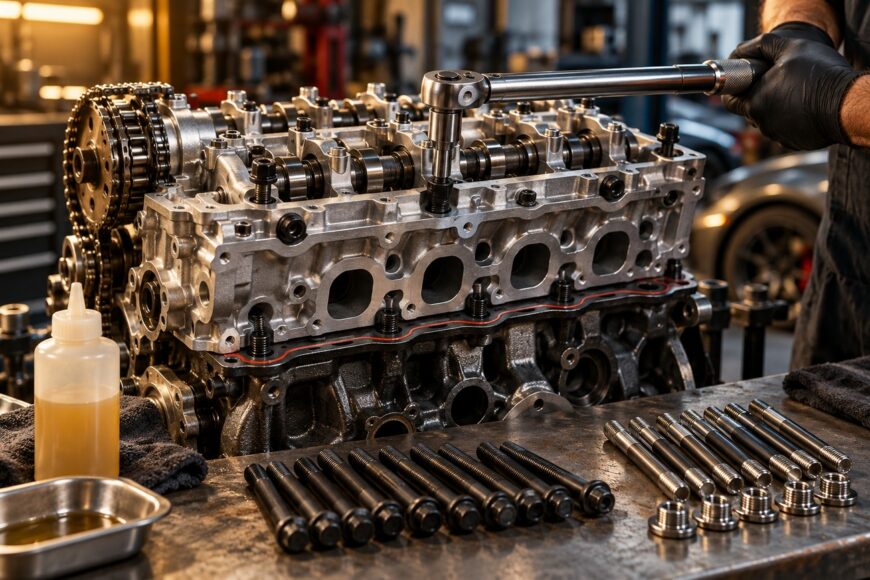
A torque wrench can show the specified reading while a head gasket still leaks, a bolt breaks, or a thread pulls out of the block. Torque measures resistance to turning;
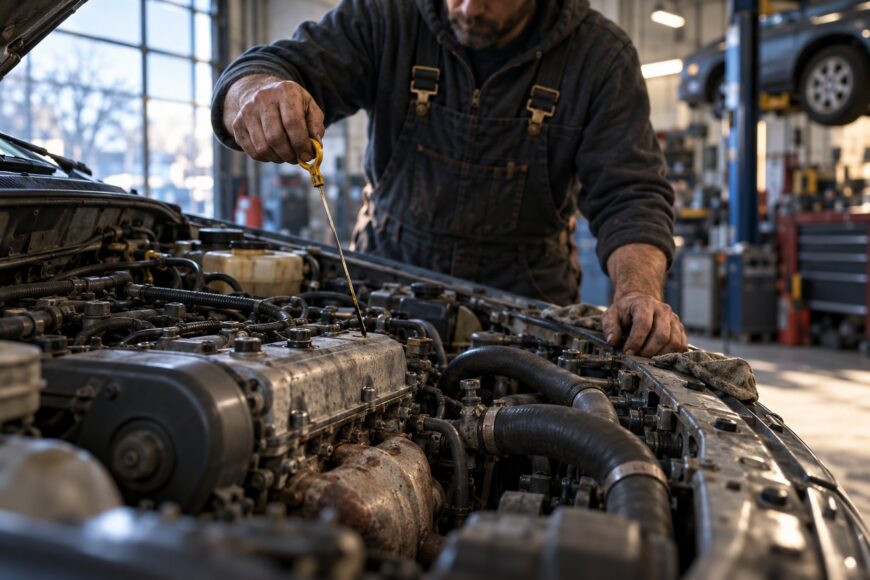
An engine can still start cleanly and pull well beyond 200,000 miles while consuming oil or carrying damage from an overheating event years earlier.
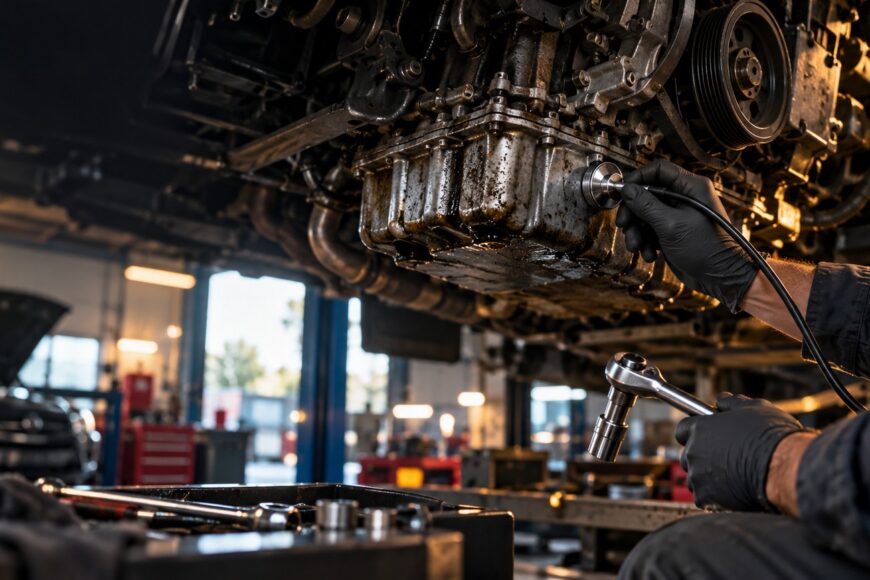
A deep metallic knock from the lower part of the engine may appear only when the engine is hot, under load, during a throttle change, or briefly after startup.
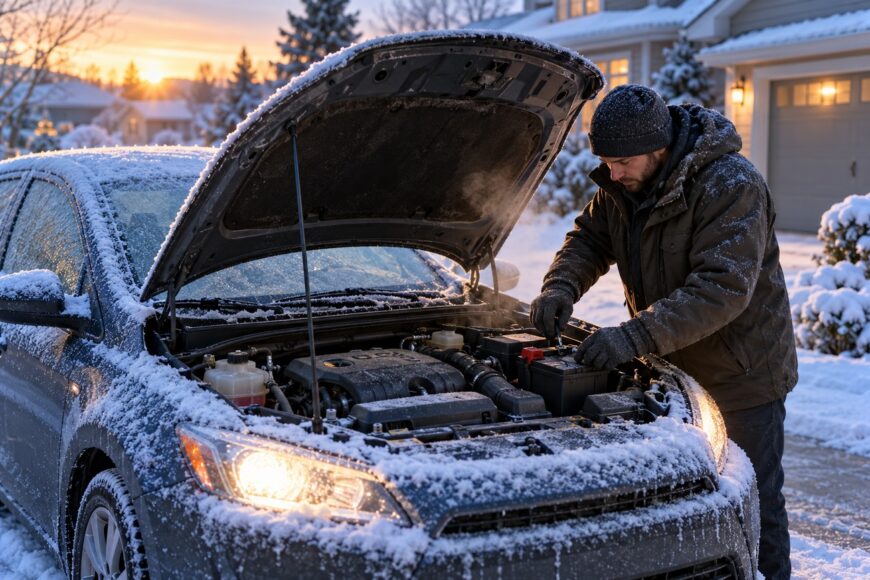
The car worked normally the previous evening, yet now the starter turns slowly, clicks, or barely moves. In other cases, the engine fires and stalls, leaving

A service book may allow a long interval, while a filter exposed to dust, traffic, or construction debris can look exhausted much sooner.
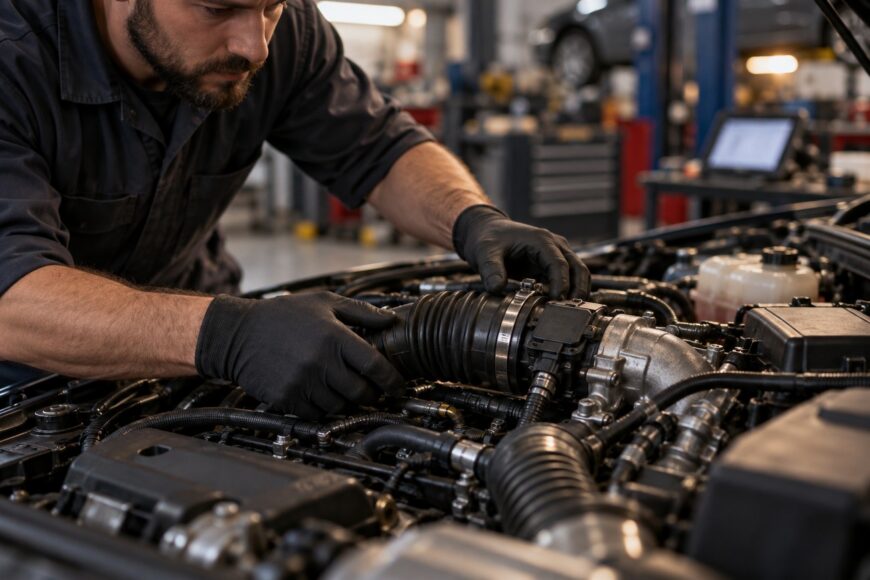
Shaking at a stop, an unstable cold start, or a stumble that nearly disappears when you open the throttle can all point to a rough idle.
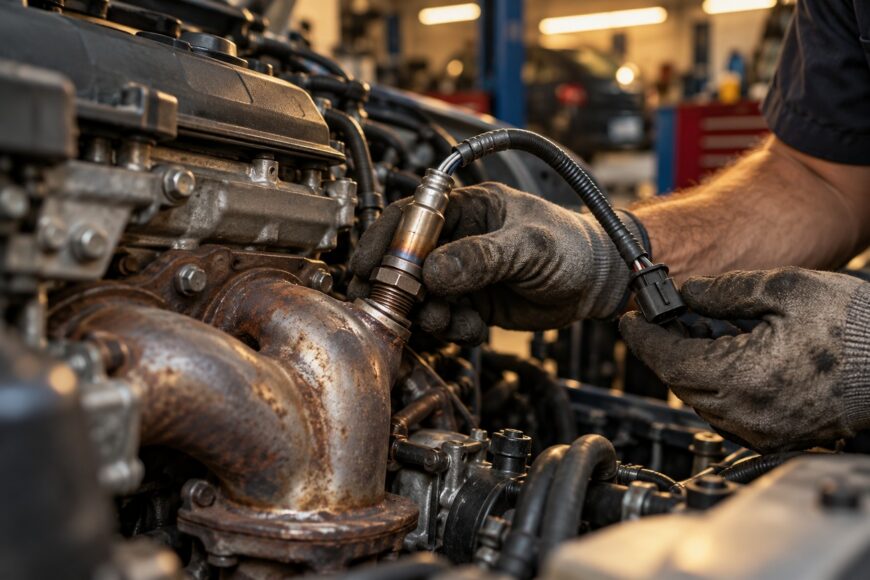
A rising fuel bill, weaker response, or a fuel smell from the exhaust can appear while the car still seems perfectly driveable. A degrading oxygen sensor
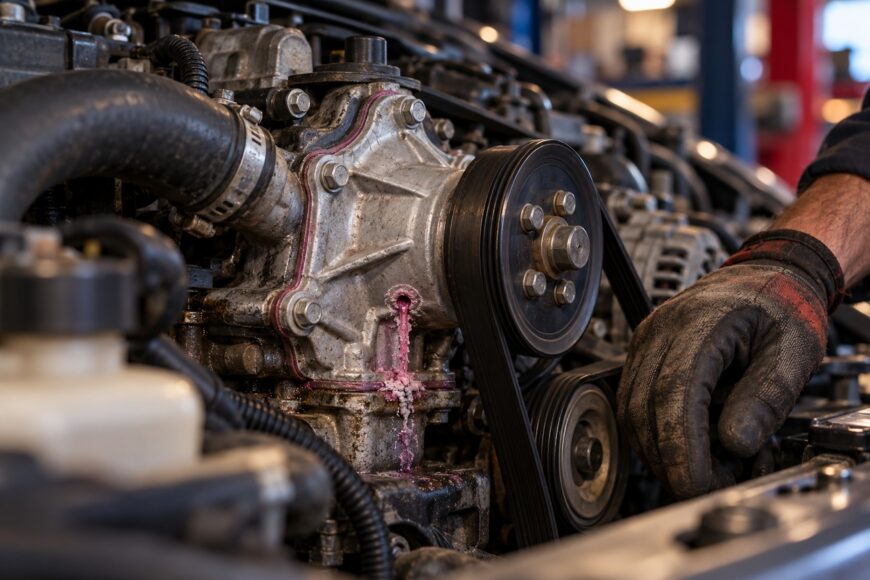
A rising temperature gauge and disappearing coolant naturally point toward the water pump, especially when no clear puddle appears. A pump can lose circulation
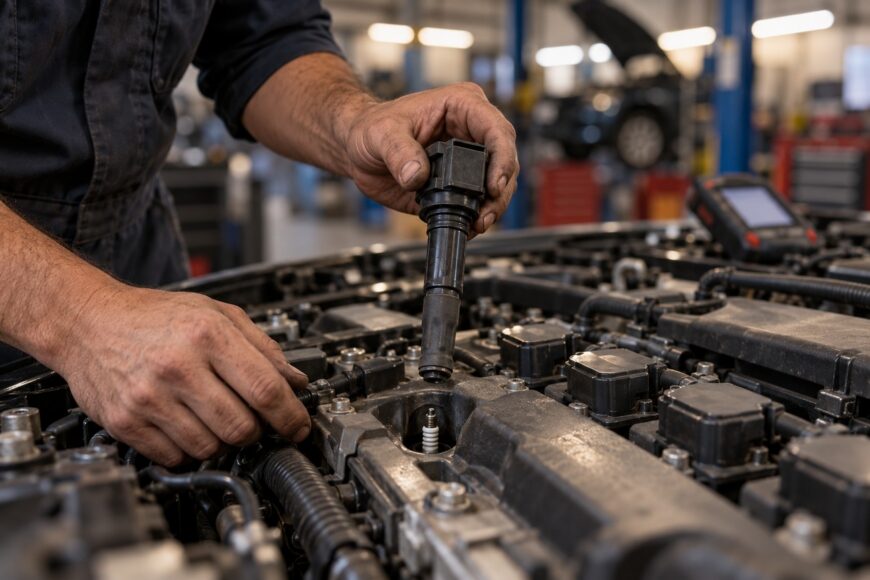
Replacing an ignition coil can seem like a direct fix for a misfire, yet rough running often returns. The same code may be caused by a worn spark plug

A recurring lean code can be frustrating when the engine still starts, idles, and drives almost normally. High fuel trims may also return after a sensor