
Engine
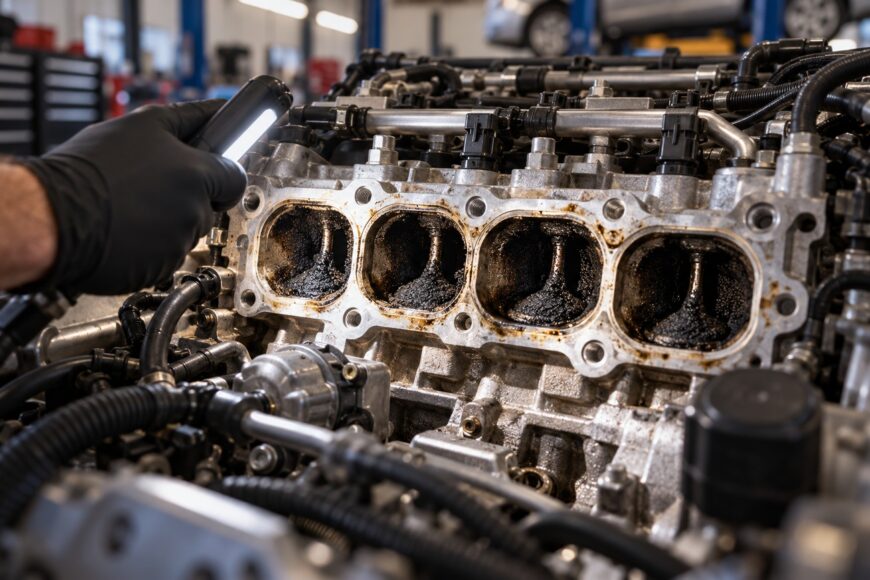
Sluggish acceleration, a rough or shaking idle, hard cold starts, and rising fuel consumption can all appear when deposits affect a direct-injection engine.

A long service interval can look reasonable on paper while your car spends much of its time in stop-and-go traffic. A shop may advise changing the oil
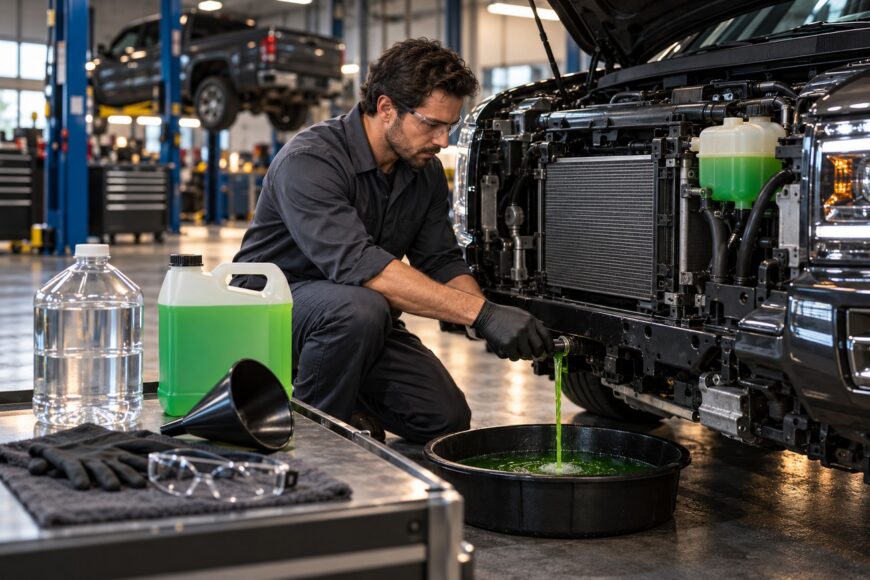
Old coolant may need replacing, especially when its service history is uncertain or it has become contaminated. Yet a flush can leave a car worse off if
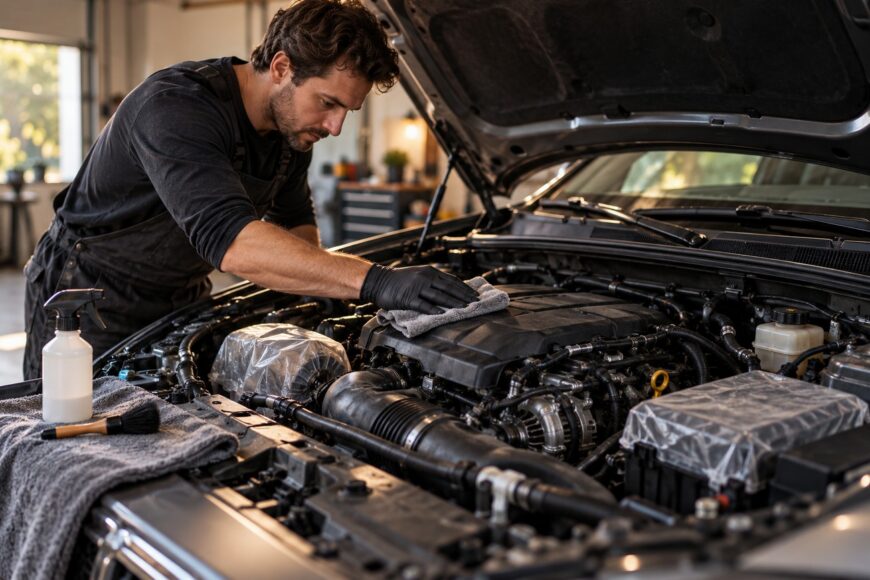
Removing grime from an engine bay can make leaks and damaged parts easier to spot. The trade-off is water: trapped in a coil well or connector, it can
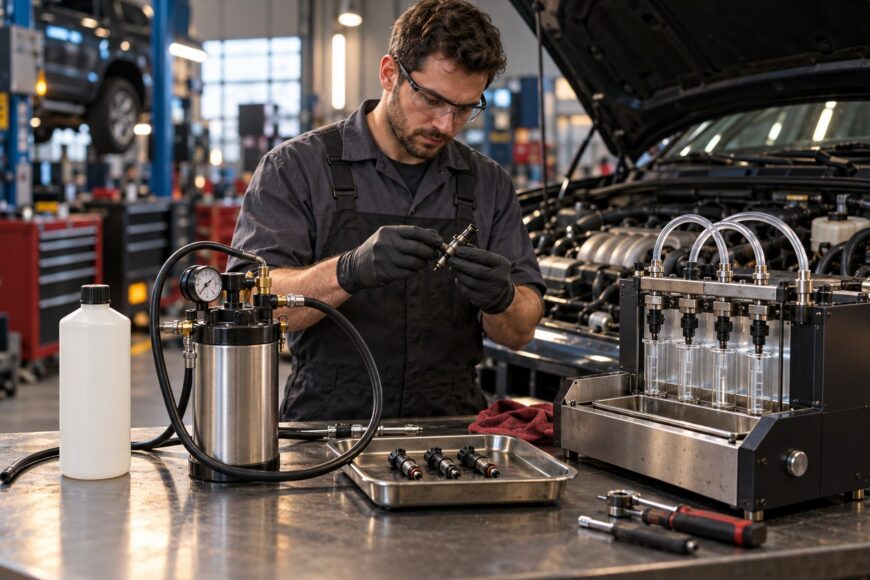
Paying for a fuel-system cleaner and then feeling the idle turn rough again is frustrating. The same applies when hesitation returns after a short improvement.
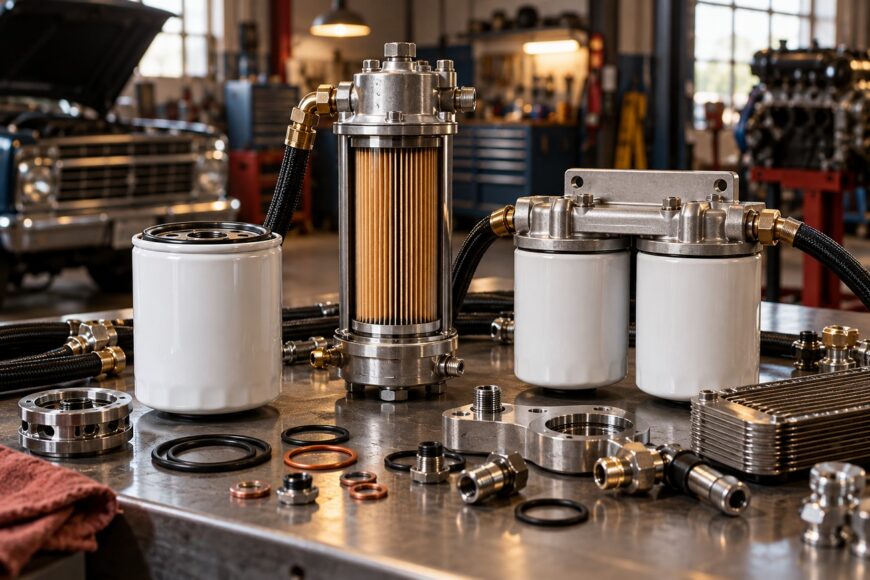
Choosing an oil filter means considering oil flow, valve calibration, filtration efficiency, and physical quality. The brand name or a small micron figure
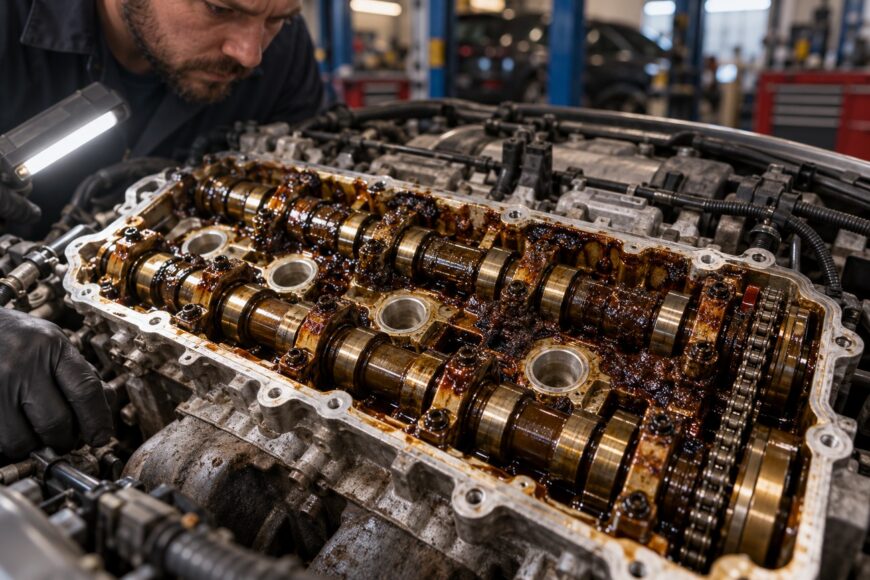
Finding sticky deposits under the oil filler cap after routine oil changes or repeated short trips creates an awkward choice: flush the engine, change
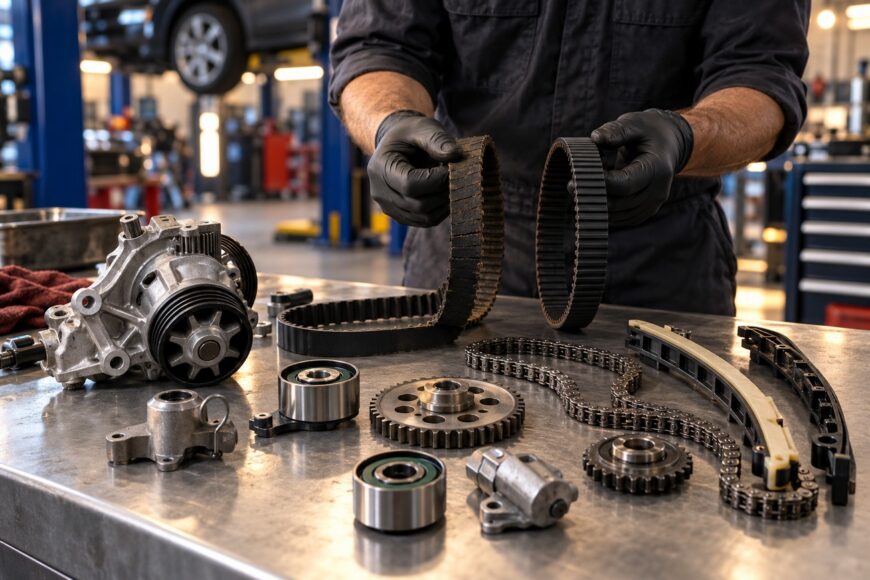
A timing belt can fail without obvious warning, while a supposedly lifetime timing chain may begin rattling and lead to an expensive repair.
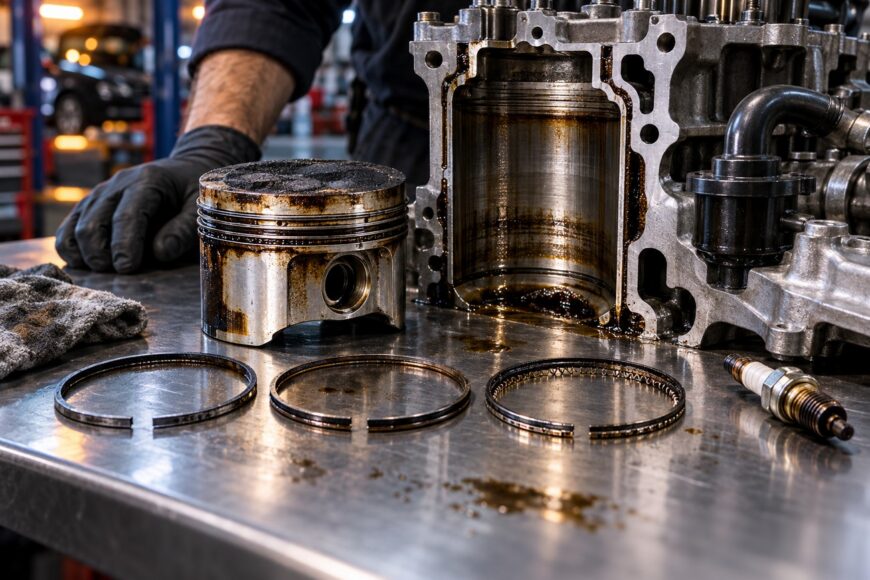
The engine needs oil between services, leaves blue-gray smoke behind it, or feels weaker than it used to. It may also idle unevenly. Worn piston rings
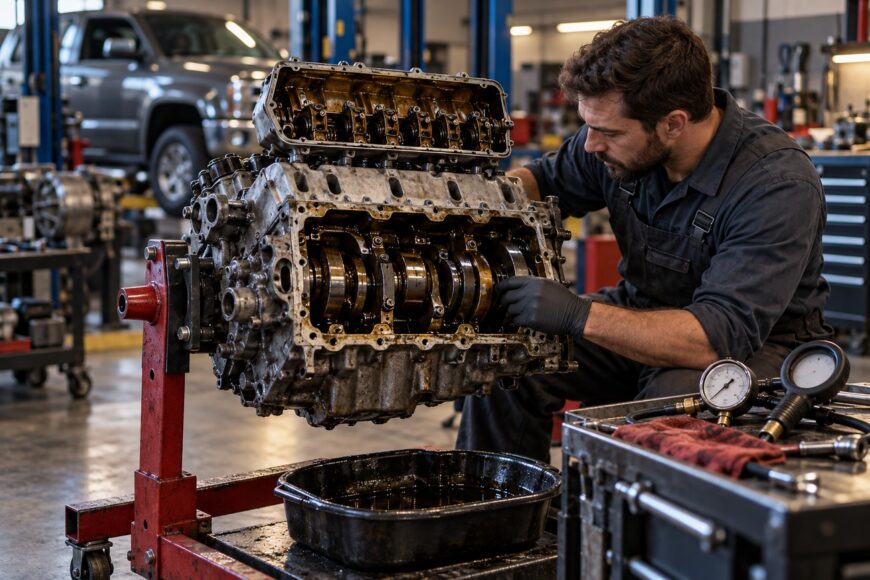
Oil consumption, engine noise, or a daunting repair quote can leave you choosing between rebuilding the engine and giving up on the car.