An engine can still start cleanly and pull well beyond 200,000 miles while consuming oil or carrying damage from an overheating event years earlier. A healthy feel during a short drive says little about oil control, cooling margins, timing components, or the quality of previous service.
Extending engine life means responding to the engine’s condition and the work it actually performs. The useful strategy is consistent maintenance, correct specifications, prompt diagnosis, and sensible budgeting—not a magic oil interval, a thicker lubricant, or an additive that promises to reverse wear.
- Start With Engine Condition, Not the Odometer
- Choose the Right Oil—and an Interval That Fits Your Driving
- Track Oil Consumption Instead of Just Topping It Off
- Protect Cooling and Timing Before Small Symptoms Escalate
- Adjust Maintenance to the Trips the Engine Actually Makes
- Budget for the Whole Car, Not an Engine Miracle Cure
- Frequently asked questions
- How long can a car last after 200,000 miles?
- How many engine hours are normal at 200,000 miles?
- What proof of maintenance should I request when buying a 200,000-mile car?
Start With Engine Condition, Not the Odometer
200,000 miles is an odometer milestone, not a fixed technical engine-life limit or a prediction of remaining life. Maintenance history, overheating history, and the present condition of the cylinders, lubrication, cooling, and timing systems matter more than mileage alone. Two engines with the same reading can have very different prospects because one spent most of its life cruising at operating temperature while the other endured short trips, neglected oil changes, and repeated overheating.
Begin with records, then inspect the car cold. A cold start can reveal extended cranking, timing-chain noise, smoke, or an uneven idle that disappears after warm-up. Check the oil and coolant levels, look for fresh or baked-on leaks, and watch the temperature gauge during a proper drive. A coolant smell, unexplained level change, or rising temperature deserves attention before the car delivers a more obvious warning.
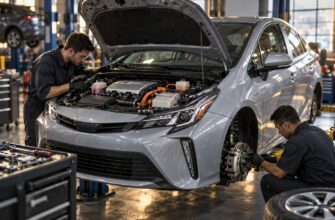
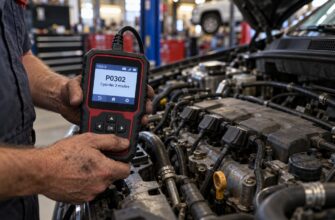
If symptoms justify it, a repair shop can add compression or leak-down testing, cooling-system pressure testing, scan-tool data, and checks for oil leaks or combustion gases in the cooling system. These tests answer different questions, so a single favorable result should not be treated as a complete health certificate. A vehicle with incomplete records should be assessed from its current evidence rather than from a seller’s unsupported statement that it was serviced on time.
Choose the Right Oil—and an Interval That Fits Your Driving
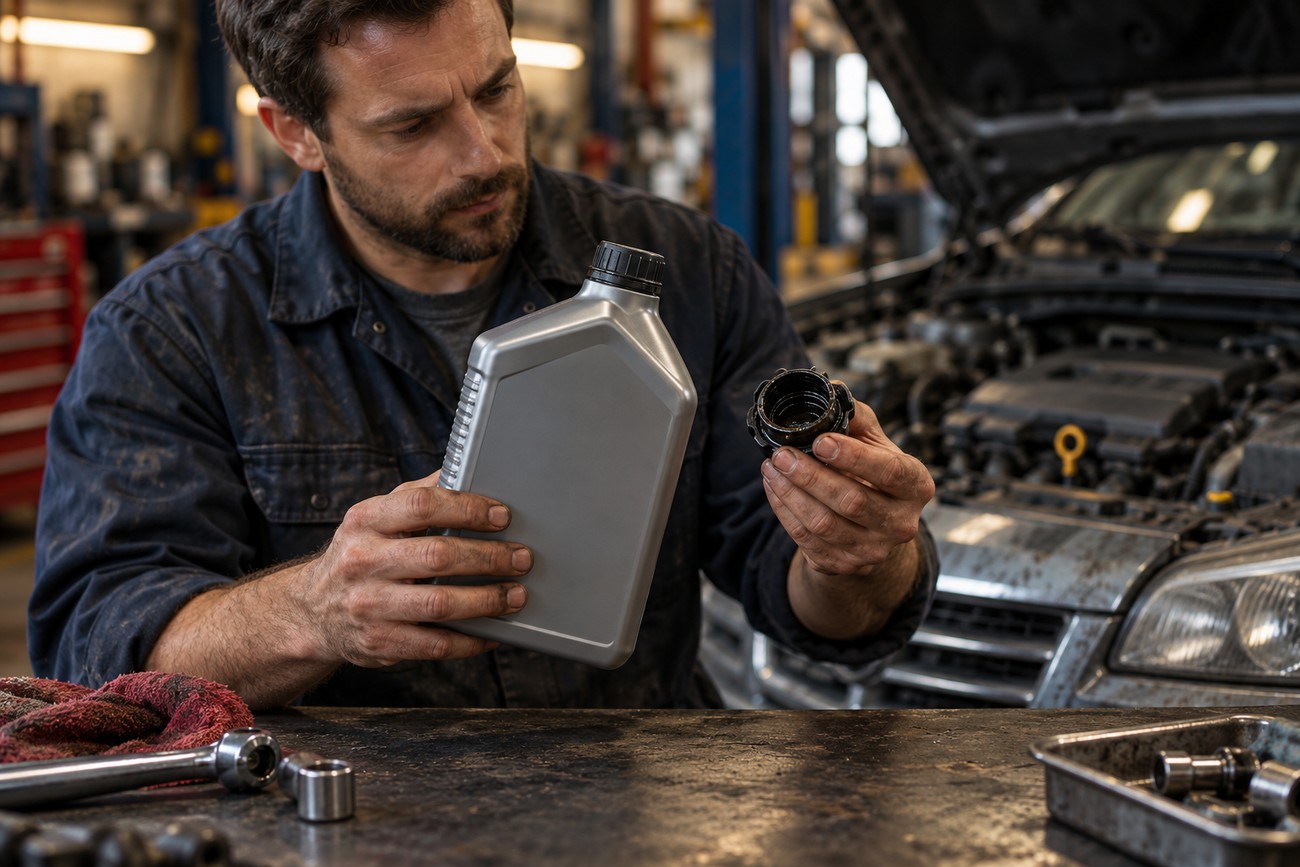
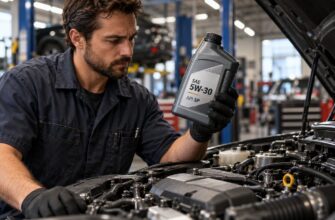
Read the owner’s manual and oil-filler information before buying lubricant. The requirement includes the manufacturer’s specified SAE viscosity, the applicable API/ILSAC category, and any manufacturer-specific oil approval. SAE viscosity describes one part of the oil’s behavior; it does not replace the performance category or approval required by the engine.
API SP can replace API SN when SN is specified, provided the oil also meets the required viscosity and other applicable specifications. ILSAC GF-6B applies only to SAE 0W-16; it does not justify using 0W-16 in an engine that specifies another viscosity. API SP likewise does not make every viscosity suitable for every gasoline engine.
The manufacturer sets the oil-change interval with the engine and operating conditions in mind. There is no universal 5,000- or 10,000-mile rule, and “fully synthetic” on the bottle does not automatically justify extending the interval beyond the vehicle’s schedule. Follow the vehicle-specific maintenance system and severe-service guidance where applicable.
Some owners and technicians favor changes in the 3,000–7,000-mile range for demanding use, including turbocharged engines, short trips, traffic, and frequent cold starts. That range is a preference rather than a universal standard. The useful decision comes from matching the manual, the driving pattern, oil level, engine condition, and any evidence of fuel dilution or contamination.
Track Oil Consumption Instead of Just Topping It Off
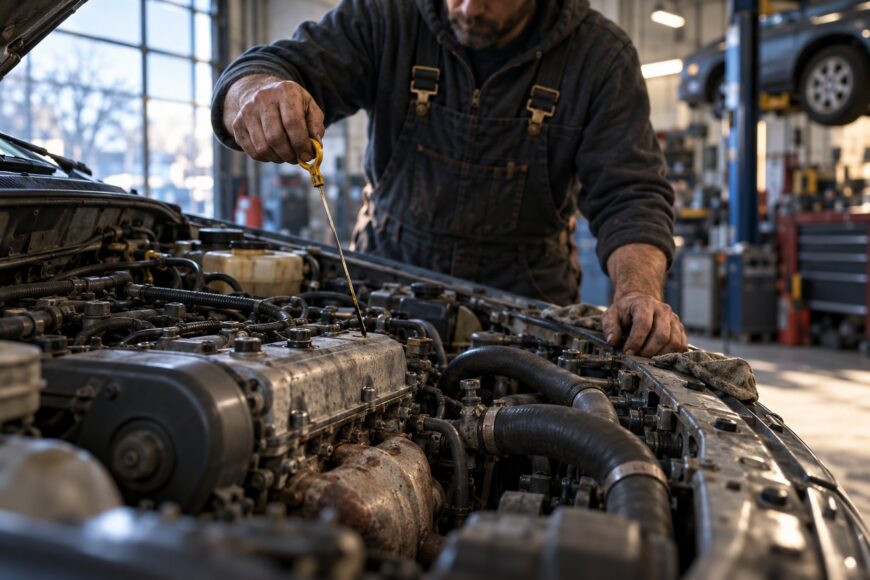
Check the dipstick on level ground, with the engine off for the period specified by the manufacturer, and use the same routine each time. Record the date, mileage, reading, and amount added. This turns “it uses a little oil” into a pattern that can be compared with driving conditions and investigated at the next visit.
Look for wet areas around the engine, oil on the undertray, and drops where the car is parked. Blue exhaust smoke, oily deposits, or a persistently low level without visible leakage can point toward oil burning, although diagnosis may require inspection of the intake, turbocharger, crankcase ventilation system, or cylinders. A safe oil level protects the engine temporarily; it does not repair the leak or explain where the oil went.
A measured log of dipstick readings and top-ups can distinguish a stable consumption pattern from a sudden change. That difference helps a technician decide whether to look first for an external leak, a ventilation fault, a turbocharger oil passage, or internal wear.
Longer service intervals can conceal consumption because the owner may check the level less often and forget how much was added. A thicker viscosity may temporarily reduce noise or consumption in some engines, yet changing viscosity solely because the engine is old can conflict with its specified requirements. Diagnose the cause and confirm any alternative oil choice against the manual and the engine’s operating conditions.
Protect Cooling and Timing Before Small Symptoms Escalate
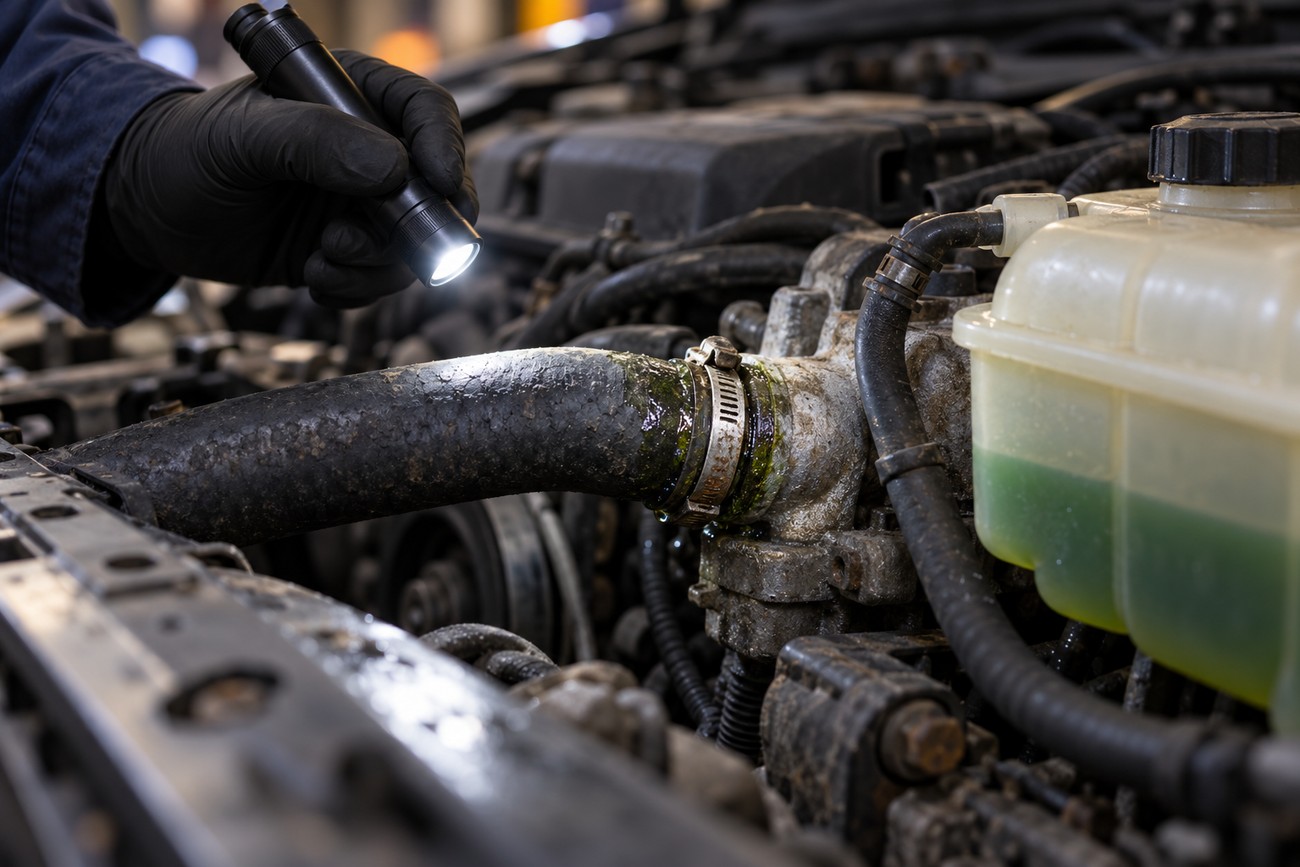
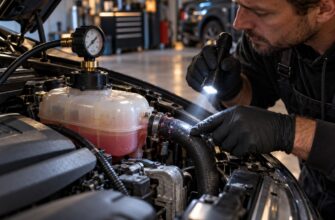
Cooling-system warnings deserve prompt inspection even when the engine still drives normally. A small coolant loss, sweet smell, damp hose connection, or temperature increase can precede a much larger failure. A single overheating event can also precede later engine problems, including cylinder-head, gasket, or lubrication damage that becomes apparent only after more driving.
Check the maintenance schedule for coolant service, hoses, belts, filters, and spark plugs. Oil changes do not replace ignition, filtration, or cooling-system maintenance. Restricted air or fuel filters, worn plugs, and neglected coolant can increase operating stress or reduce the engine’s ability to handle load efficiently.
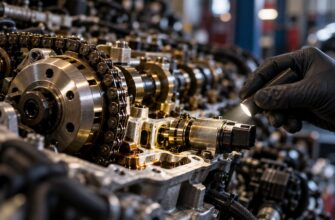
Timing-belt replacement is usually schedule-based and should follow the manufacturer’s mileage, age, and component guidance. Timing-chain work is more symptom-led: cold-start rattle, correlation faults, unstable timing, or a weak tensioner calls for diagnosis. Modern oil cannot correct a faulty chain tensioner, oil starvation, or chronic overheating.
Do not wait for the temperature gauge to enter the red zone before investigating a change in behavior. Many gauges are deliberately damped, and a brief rise may be more useful as an early clue than as a measure of actual damage. A shop can inspect for leaks, test system pressure, verify thermostat and fan operation, and assess whether an earlier overheat left evidence behind.
Adjust Maintenance to the Trips the Engine Actually Makes
Odometer mileage does not describe the whole workload. Ten thousand highway miles generally provide long periods of stable temperature and lubrication, while the same distance made through short trips can involve repeated cold starts, condensation, enrichment, and incomplete warm-up. Stop-and-go traffic, dust, towing, and extended idling add other forms of stress.
Use the vehicle’s severe-service schedule when the manual places your driving in that category. That schedule may alter oil service, inspections, filter replacement, or other maintenance. It is more useful than applying one interval to every driver, particularly when the car spends much of its time in traffic or on trips too short to reach full operating temperature.
Turbocharged engines are especially sensitive to oil quality, oil level, service timing, and heat after heavy load. Follow the manufacturer’s instructions for operation after demanding driving instead of adopting a universal cool-down procedure. Pay attention to new boost noises, smoke, loss of power, or oil in places where it was previously absent.
Dusty roads can load filters and expose seals and intake components to abrasive contamination. Towing and heavy loads raise heat in the engine and transmission, while frequent cold starts increase the importance of correct viscosity and timely service. The right response is a review of the applicable schedule and the actual symptoms, rather than an automatic switch to thicker oil or an arbitrarily shorter interval.
Budget for the Whole Car, Not an Engine Miracle Cure
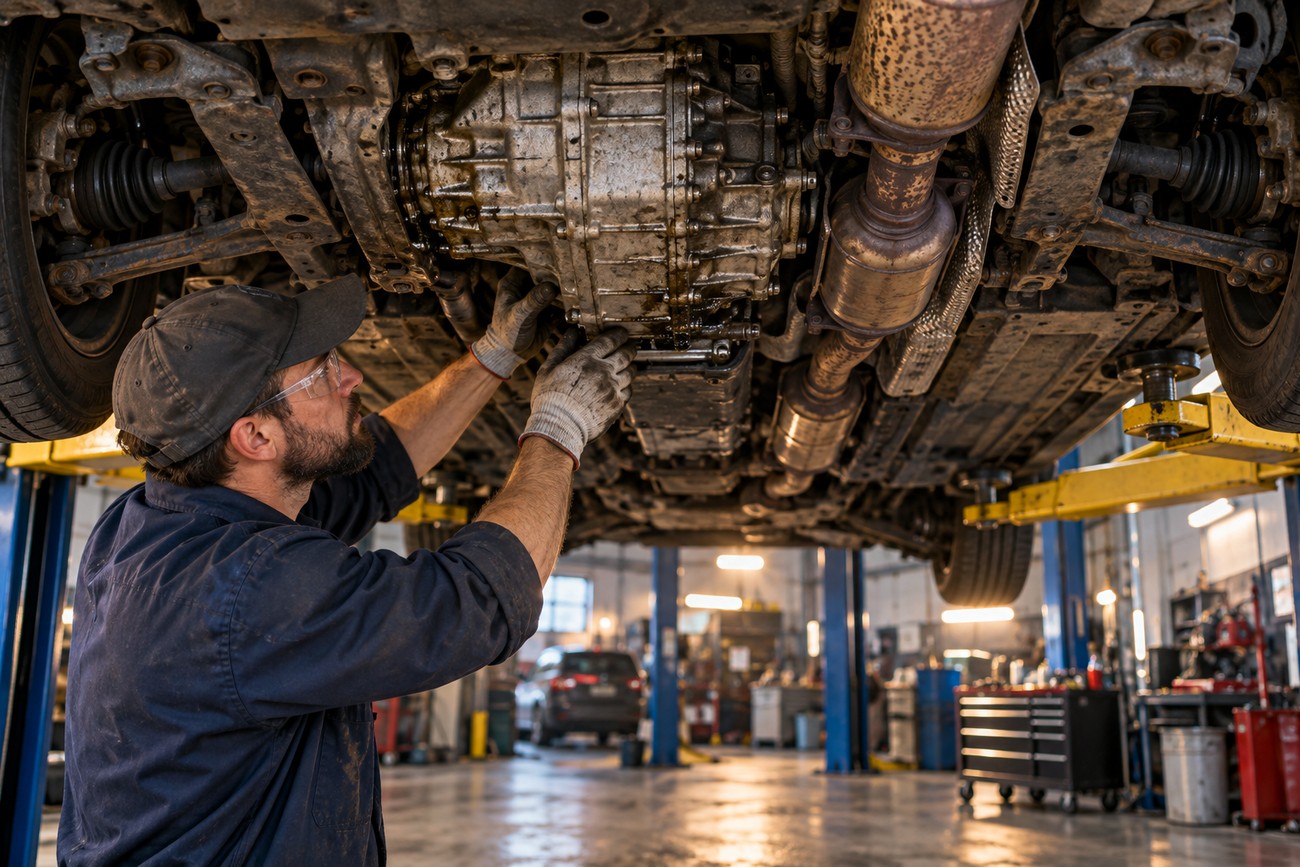
An engine can remain serviceable while the rest of the vehicle becomes expensive to operate. A turbocharger, injectors, catalytic converter, transmission, cooling component, or accessory may need substantial work while compression, oil pressure, and drivability remain acceptable. Engine mileage and whole-vehicle condition are therefore separate parts of the ownership decision.
At this stage, plan for inspections and repairs as a group. Review the condition of the transmission, charging system, suspension, brakes, exhaust after-treatment, air-conditioning system, and cooling components. A car can be worth maintaining when these needs are predictable and manageable; the same car may be a poor investment when several major systems are deteriorating together.
Check the manufacturer’s vehicle-specific guidance for fluids described as “lifetime” or “maintenance-free.” Such wording does not remove the need to consider age, heat, contamination, leaks, and the intended service conditions. The applicable schedule may call for inspection or service even when routine replacement is not listed in ordinary intervals.
Additives should not substitute for diagnosing wear, oil starvation, deposits, or overheating. Some products may have a limited application, but they cannot restore damaged cylinders or repair a failing tensioner. After 200,000 miles, a maintenance reserve and clear repair priorities usually do more for reliability than an attempt to “rejuvenate” the engine with an unverified treatment.
Frequently asked questions
Engine longevity after 200,000 miles depends on condition, maintenance, operating conditions, and the health of the rest of the vehicle. The following questions address the evidence that matters most when evaluating an older, high-mileage car.
How long can a car last after 200,000 miles?
There is no fixed remaining mileage implied by a 200,000-mile reading. Decide whether to continue by tracking changes in reliability, oil or coolant use, warning lights, breakdown frequency, and repair costs over time. A sound inspection and stable service records are more useful than a predicted lifespan.
Compare planned repairs with the vehicle’s overall condition and replacement alternatives. A reliable car with a healthy cooling system and manageable maintenance may remain practical, while a car developing repeated failures across several major systems may no longer justify its running costs.
How many engine hours are normal at 200,000 miles?
No single engine-hour total is normal at 200,000 miles. Hours depend on average speed and idling: highway travel produces fewer hours for the same distance, while urban traffic and extended idling produce more. If the vehicle provides an engine-hour reading, use it as context alongside maintenance records and condition.
Hours cannot establish remaining life by themselves. They become more useful when paired with oil-service history, idle-related symptoms, temperature behavior, and evidence of how heavily the vehicle was used.
What proof of maintenance should I request when buying a 200,000-mile car?
Request dated invoices or service records showing mileage, oil specification, and major scheduled work. Useful evidence includes cooling-system repairs, spark-plug replacement, timing-belt work where applicable, and documented diagnosis of recurring warnings or leaks.
Treat gaps as unknown history rather than proof of neglect or proper care. Have an independent technician inspect the cold start, fluids, leaks, cooling behavior, and relevant engine systems before purchase, and compare the findings with the records.