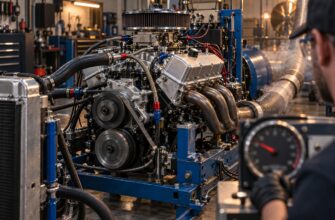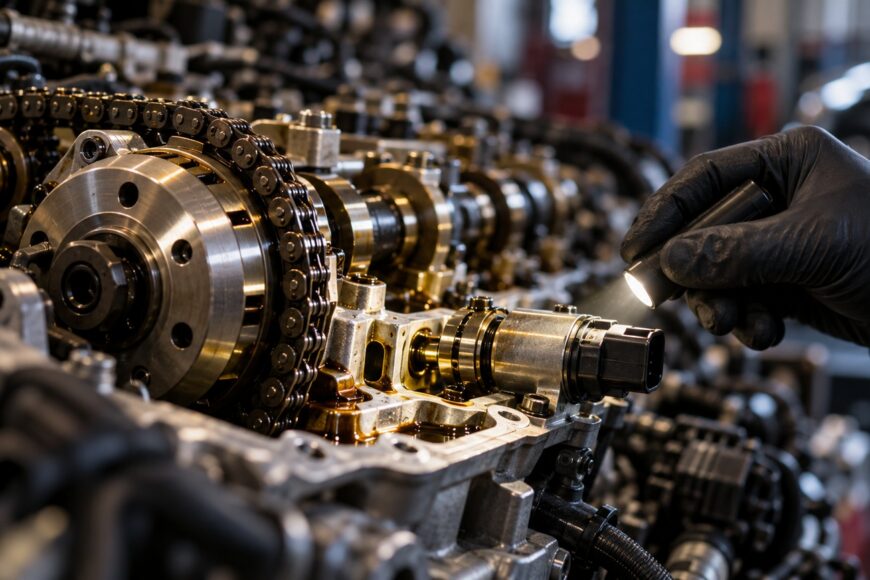
Variable valve timing problems are system problems, even when the scan tool displays a code associated with one solenoid. A hydraulic VVT system uses an electrically controlled solenoid to direct engine oil to a cam phaser, while the ECU compares the commanded camshaft angle with the actual position reported by the sensor. Any failure in that chain can produce rough idle, hesitation, weak acceleration, poor fuel economy, cold-start rattle, or a Check Engine light that returns after a part is replaced.
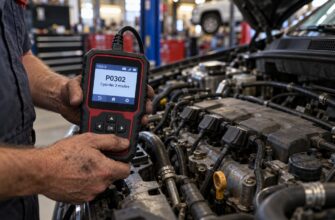
Operating conditions matter. A fault may appear after an overnight start, during hard acceleration, or only at a particular temperature and engine speed. Oil level, oil condition, viscosity, pressure, wiring, sensors, timing-chain condition, and the cam phaser can all affect the result. A code such as P0011 or P0014 therefore identifies a camshaft-position or VVT-performance mismatch; it does not automatically identify the replacement part.
- How Variable Valve Timing Works—and Why Problems Come and Go
- Common Symptoms of VVT Problems
- What Causes VVT Problems?
- How to Diagnose VVT Before Replacing Parts
- Why a New VVT Solenoid May Not Fix the Fault
- VVT Repair Choices and When Continued Driving Is Risky
- Frequently asked questions
- How do you know if your variable valve timing is bad?
- How much does it cost to fix a VVT problem?
- What is the typical lifespan of a VVT solenoid?
How Variable Valve Timing Works—and Why Problems Come and Go
In a hydraulic VVT system, the ECU requests a camshaft position suited to engine speed, load, and operating conditions. It then compares the commanded angle with the actual camshaft position. The VVT solenoid meters engine oil into the cam phaser, which changes the relationship between the camshaft and the crankshaft. The system must move accurately and quickly enough for the ECU to accept the result.
Oil flow is central to this process. A solenoid can receive the correct electrical command while restricted oil, low pressure, or a slow-moving valve prevents the phaser from reaching the requested angle. The ECU may then record a performance or correlation fault even though the electrical circuit appears functional.
Response changes with RPM, engine load, temperature, oil pressure, and oil viscosity. Cold oil may move slowly through a narrow passage, while a worn engine may lose more pressure as it warms. A marginal phaser can therefore work acceptably at steady idle and fall behind during acceleration, or behave poorly during a cold start and improve after the oil reaches operating temperature.
Electrical and hydraulic VVT systems do not respond identically to oil viscosity. In one laboratory test of an electric cam phaser at room temperature, SAE 30 produced an approximately 1.6-times slower response than SAE 5W-20. That result does not justify changing oil grades at will: the correct oil grade and specification remain those listed by the engine manufacturer.
Common Symptoms of VVT Problems
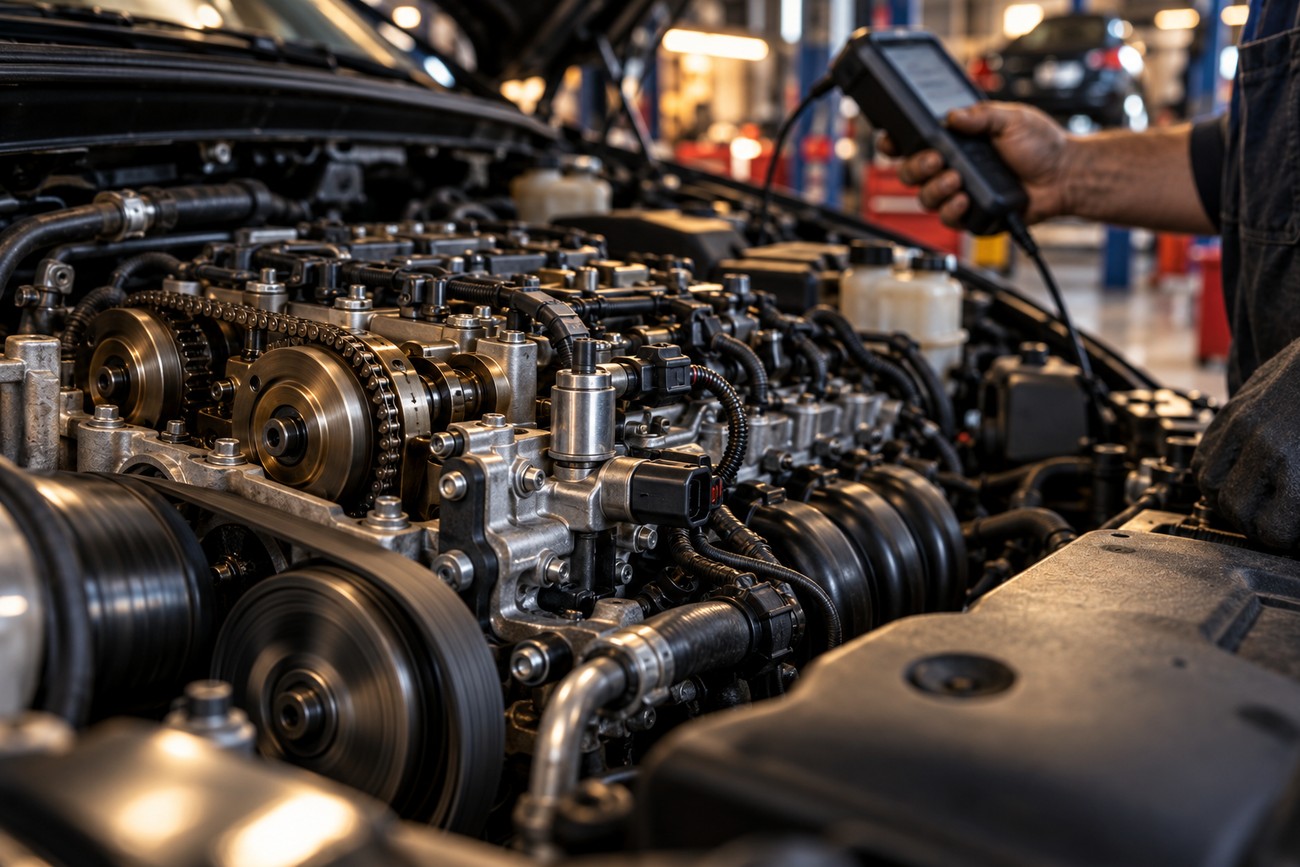
Rough idle is a common complaint because incorrect cam timing changes cylinder filling at low speed. The engine may stumble, surge, or feel as if it has an ignition fault. Hesitation and weak acceleration can become more noticeable when the ECU commands a rapid cam-angle change under load.
Reduced fuel economy may accompany these symptoms because the engine is operating away from its intended valve-timing strategy. The same issue can cause a Check Engine light, although a stored code does not prove that the VVT solenoid itself has failed. Ignition, fuel, compression, and air-metering faults can create similar drivability complaints and should remain part of a sensible diagnosis.
A metallic rattle or ticking that is strongest after an overnight cold start deserves particular attention. Oil may drain away from a phaser or tensioning component while the vehicle sits, allowing a brief delay or movement when the engine starts. Persistent or worsening noise is more concerning than a short symptom that disappears immediately after oil pressure builds.
Some VVT faults are intermittent. If the cam-angle mismatch occurs only at a particular temperature, RPM, or load, the vehicle may feel normal during a short inspection and may not retain a permanent fault code. Symptoms that repeatedly follow the same operating condition are useful evidence, even when the dashboard warning is off.
What Causes VVT Problems?
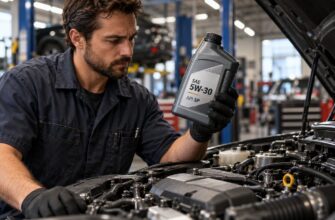
Start with the oil supply. Low oil level, overdue oil service, contamination, or incorrect viscosity can disrupt VVT operation. Thickened lubricant can slow movement through the solenoid and phaser, while oil that is too thin for the application may reduce pressure or protection. Use the manufacturer’s specified oil grade and specification rather than treating oil viscosity as a universal cure.
Sludge and particles can restrict the solenoid screen or narrow oil passages inside the cam phaser. This creates a misleading pattern: the valve may click, show acceptable electrical resistance, and still fail to deliver the required flow and response. Cleaning the visible valve does not necessarily remove material trapped deeper in the passage or phaser.
Low oil pressure has several possible sources. A worn oil pump, excessive bearing clearances, an internal leak, a restricted pickup, or other engine wear can reduce the pressure available to the VVT circuit. Replacing a solenoid without measuring actual pressure leaves the main cause untouched.
Electrical faults also matter. Damaged wiring, poor connector contact, a power or ground problem, or a control-side fault can prevent the solenoid from responding correctly. A camshaft-position sensor that produces an inaccurate or unstable signal can create the same commanded-versus-actual mismatch, even when the oil system and solenoid are healthy.
Mechanical timing components complete the fault list. A stretched timing chain, excessive chain slack, a worn tensioner, or a failing cam phaser can leave the camshaft in the wrong position. These faults can generate the same type of code as a restricted solenoid, which is why P0011 and P0014 should be treated as evidence of a mismatch rather than as parts-catalog references.
How to Diagnose VVT Before Replacing Parts

Begin with basic evidence. Check the oil level on a level surface, inspect its condition, confirm the exact grade and specification, and look for signs of fuel dilution, sludge, or metallic debris. If the service history is uncertain, an oil change may be appropriate, but it should not replace pressure testing when the symptoms or warning indicators point to an oil-supply problem.
Retrieve all diagnostic codes and freeze-frame data before clearing anything. Record engine temperature, RPM, load, and the conditions present when the fault was stored. Inspect the solenoid connector and wiring for oil intrusion, corrosion, loose terminals, chafing, or a damaged harness. A resistance test can identify an open or shorted coil, but correct resistance does not prove that the valve moves freely or delivers the correct oil flow and response.
Use a scan tool to compare commanded and actual camshaft angles. The graph is more informative than a stored code alone: a small, repeatable delay may suggest viscosity, temperature, contamination, or flow restriction, while a position that remains far from the command may point toward pressure loss, mechanical timing, or a phaser fault. Compare the data during the temperature and RPM range in which the complaint occurs.
Require a commanded-versus-actual cam-angle comparison under the temperature and RPM where the fault occurs before condemning a solenoid that passes a resistance test.
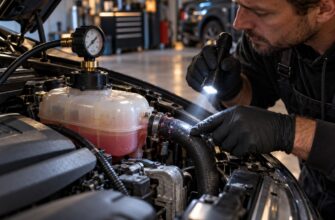
Measure oil pressure with a mechanical gauge under the conditions specified by the manufacturer, including hot idle and, where required, higher engine speeds. “At least 25 psi at hot idle” appears in some training material, but it is not a universal limit; the engine manufacturer’s specification controls. A pressure reading that is acceptable under one condition can still hide a problem under another.
If the electrical and oil checks do not explain the mismatch, inspect the solenoid screen, oil passages, timing-chain slack, tensioner, and cam phaser as the design allows. Some inspections require substantial disassembly. A slow response is diagnostic information in its own right: it can indicate viscosity, temperature, restricted flow, or contamination rather than a completely failed actuator.
Why a New VVT Solenoid May Not Fix the Fault
Solenoid replacement is often selected because it is easier than opening the timing cover. That repair can be correct when testing shows a sticking valve or incorrect electrical operation. It cannot remove sludge trapped in a separate screen, a narrow passage, or the cam phaser, so the original fault may return immediately after installation.
Replacement quality also affects the result. An aftermarket solenoid may have the correct resistance while its flow characteristics, calibration, or response time differs from the part specified for the engine. Resistance confirms one electrical property; it does not confirm hydraulic performance under temperature and pressure.
Timing-chain slack and low oil pressure require a broader repair. If the chain has stretched or the phaser cannot hold its commanded position, another solenoid will not restore the camshaft angle. Likewise, thicker oil may temporarily reduce noise while slowing VVT response or masking a pressure, leakage, or wear problem.
Engine flushing has limits. It may loosen or remove some contamination, yet it is not guaranteed to clear every VVT restriction and cannot substitute for mechanical cleaning or component repair where a screen, passage, chain, or phaser remains damaged. A recurring code after a new valve is evidence that the diagnostic scope needs to expand.
VVT Repair Choices and When Continued Driving Is Risky
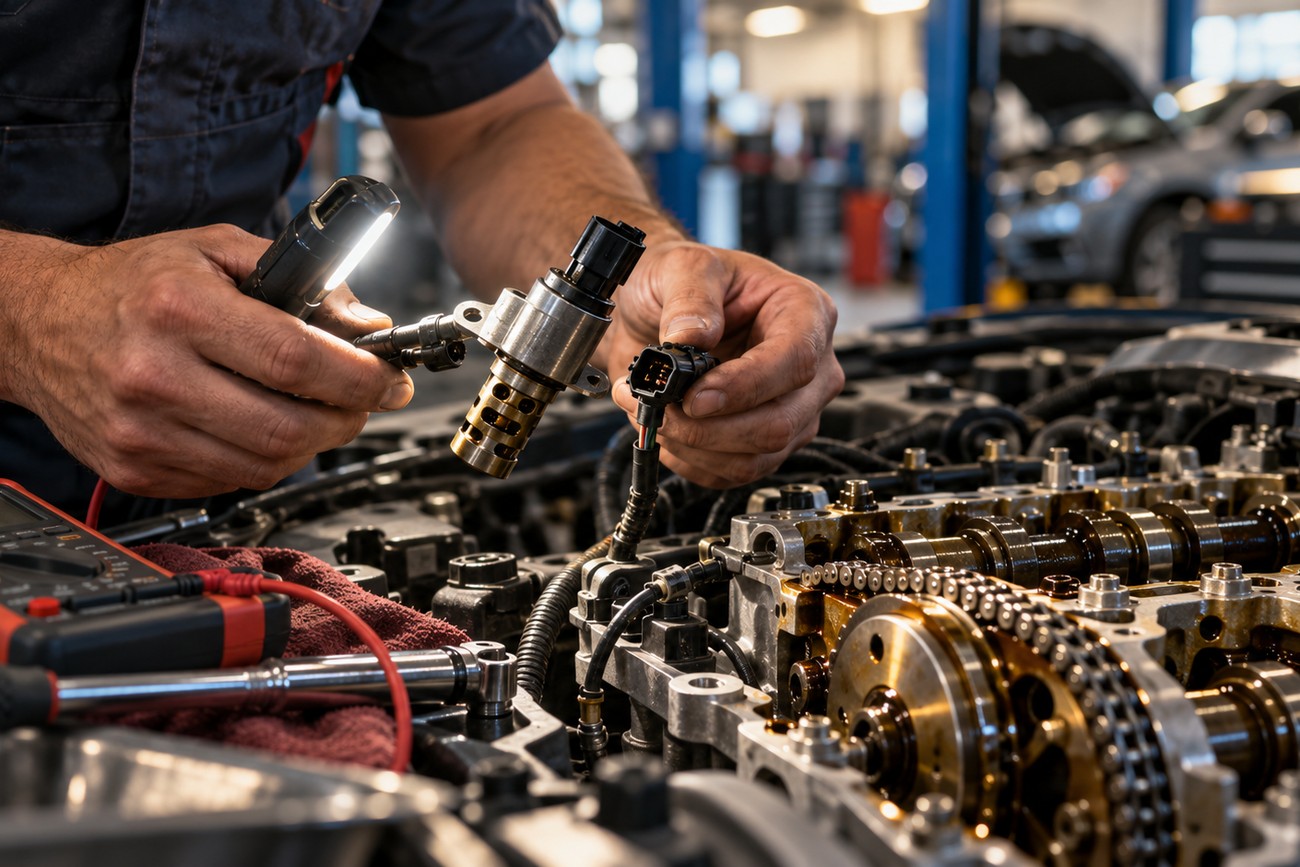
Repair should follow the confirmed cause. Correct oil and filter service may resolve a maintenance-related problem, while a restricted or electrically faulty solenoid may require cleaning or replacement. Wiring and sensor faults need circuit or sensor repair, and low pressure requires investigation of the pump, pickup, internal leaks, bearing clearances, or other engine conditions.
Persistent commanded-versus-actual errors after those checks justify inspection of the timing chain and cam phaser. Depending on the engine, this may require substantial disassembly and alignment checks. The repair can therefore range from oil or electrical service to a timing-drive or phaser repair; the diagnostic findings determine the scope.
Driving risk depends on the warning signs and the cause. Incorrect valve timing can reduce power, while low oil pressure, severe chain noise, or a failing phaser can lead to more serious engine or timing-drive damage. A vehicle that still runs smoothly is not automatically safe if the oil-pressure system or timing components are deteriorating.
Stop driving and arrange a prompt inspection if the oil-pressure warning appears, the Check Engine light flashes, power drops severely, or persistent metallic rattle develops. Continued operation under those conditions can turn a repairable control problem into wider engine damage. A steady warning light with mild symptoms may allow careful movement to a repair facility, subject to the vehicle manufacturer’s guidance and the actual symptoms.
Frequently asked questions
How do you know if your variable valve timing is bad?
A likely VVT-related pattern is a repeatable rough idle, hesitation, cold-start rattle, or power loss that follows a specific temperature, RPM, or load condition. The strongest confirmation comes from scan-tool data showing that the actual camshaft angle falls behind or remains away from the commanded angle during that same condition.
Ignition or fuel faults may produce similar symptoms, so inspect misfire data, fuel-trim behavior, and sensor readings before assigning the problem to VVT. If the complaint occurs randomly without a consistent cam-angle error, the evidence for a VVT fault is weaker. A stored code helps direct testing, but it does not replace that comparison.
How much does it cost to fix a VVT problem?
There is no universal VVT repair price because the work may involve oil and filter service, a solenoid, wiring, a sensor, oil-pressure diagnosis, the timing chain, or the cam phaser. Basic service and timing-component repair are fundamentally different jobs, even when both produce a similar code.
Before approving an estimate, request the measured oil pressure, oil grade and condition, relevant freeze-frame data, commanded-versus-actual cam angles, electrical test results, and the reason the proposed part is considered failed. Also ask whether the solenoid screen, oil passages, chain condition, and phaser have been assessed. Those findings show whether the quote addresses the cause or only the first visible symptom.
What is the typical lifespan of a VVT solenoid?
There is no reliable universal mileage figure or routine replacement interval for a VVT solenoid. Durability depends on the engine design, oil-service history, contamination, heat, and operating conditions. A solenoid exposed to clean oil and regular servicing may remain functional for a long time, while sludge or repeatedly low oil levels can shorten its service life.
Replacement is usually justified by test results rather than age alone. If resistance is correct and the valve moves and flows properly, the fault may lie in oil pressure, wiring, the sensor, timing chain, or cam phaser. This approach avoids replacing a serviceable solenoid simply because the engine has reached an arbitrary mileage.