
Bodywork
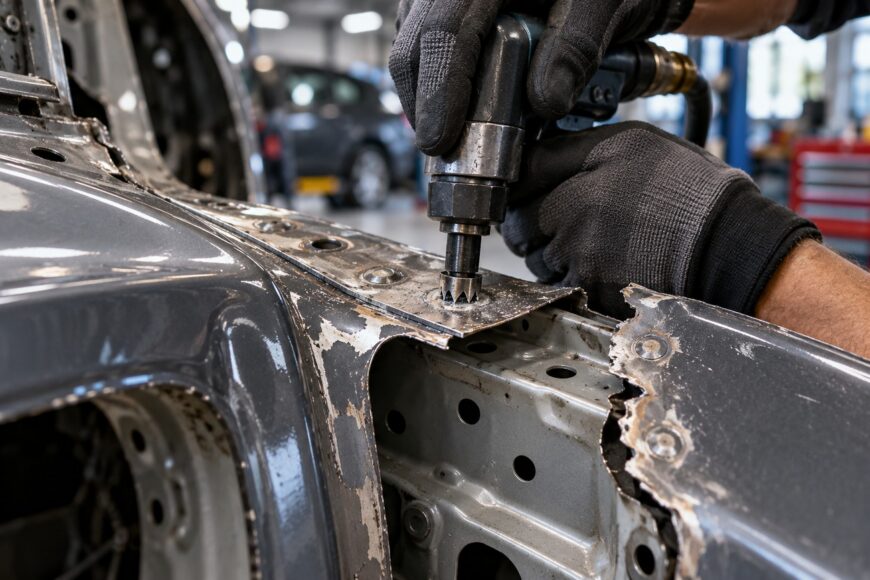
Spot-weld drilling is a controlled panel-separation operation, not ordinary through-drilling. The aim is to weaken or remove the localized weld joining
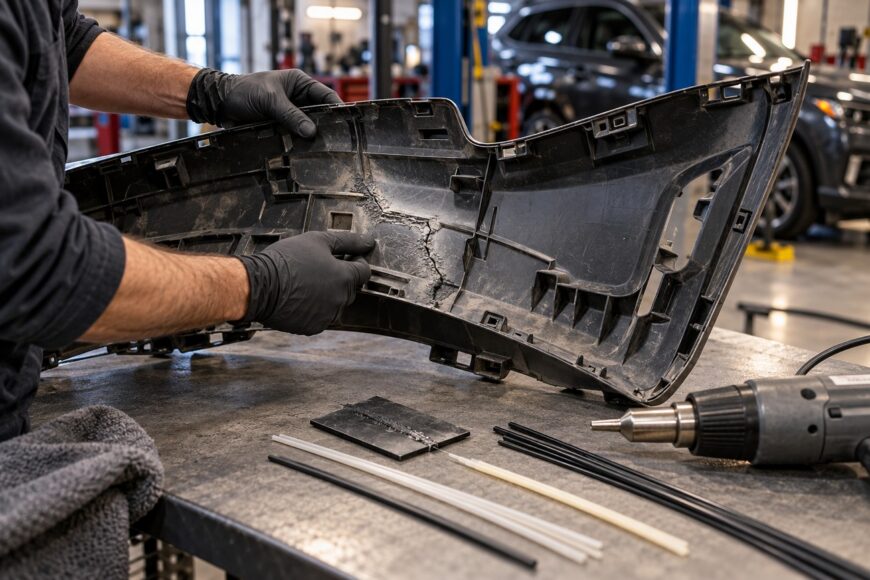
Plastic body-panel repair depends on controlled heat, suitable reinforcement, and a filler that matches the panel. The most powerful welder rarely produces
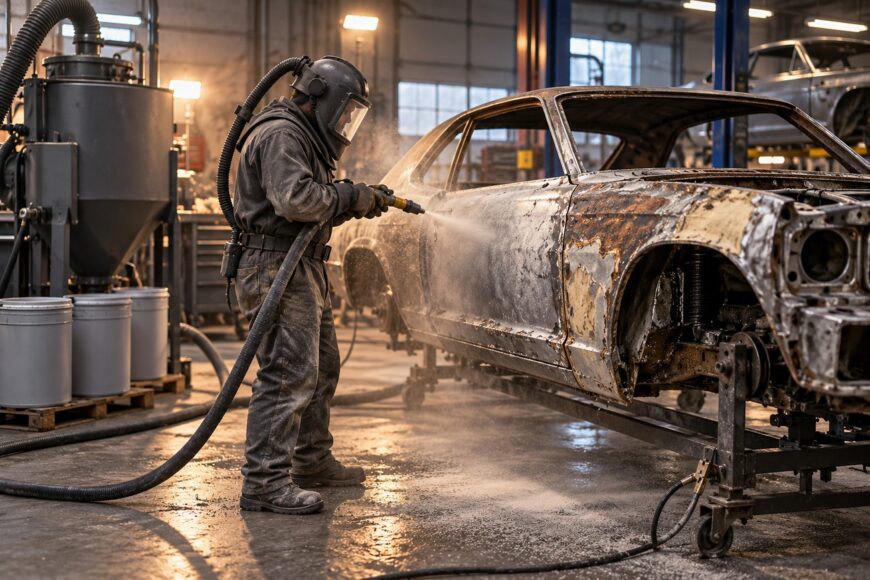
Media blasting is a material-selection and process-control decision, not a universal cure for rust. The right approach depends on panel thickness, contamination
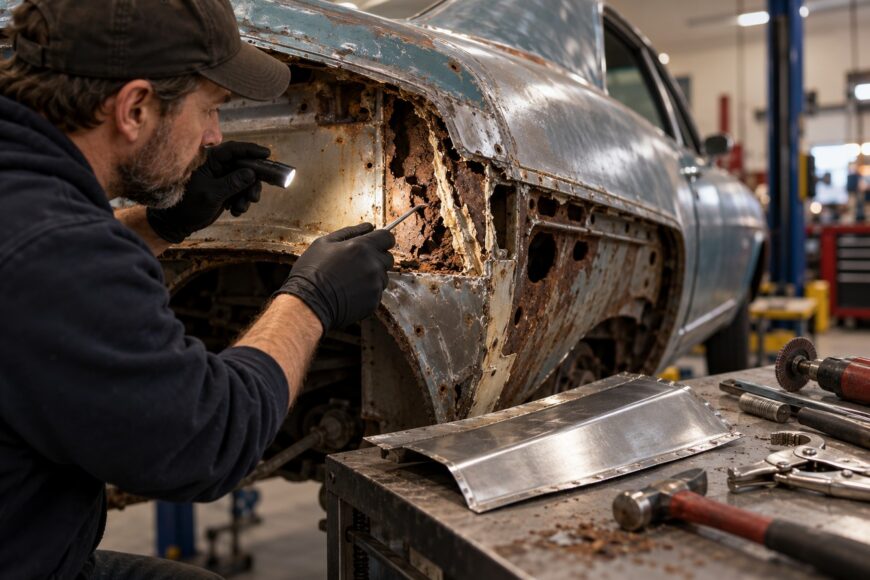
A rust patch can look convincing from the outside and still fail because the metal does not match the surrounding shape, the weld pulls the panel out of
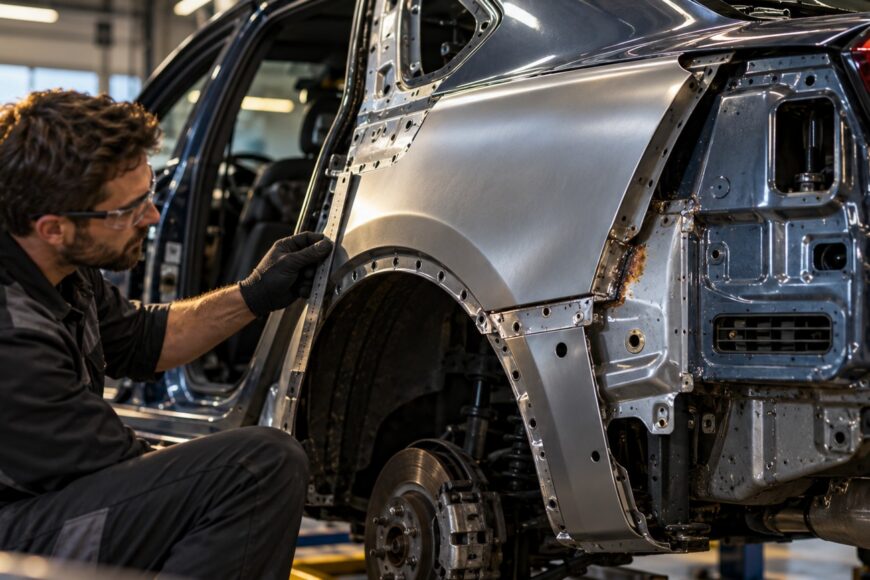
A damaged quarter panel can look like a small body repair, yet it is welded into the vehicle’s unibody. Its position affects door and trunk alignment
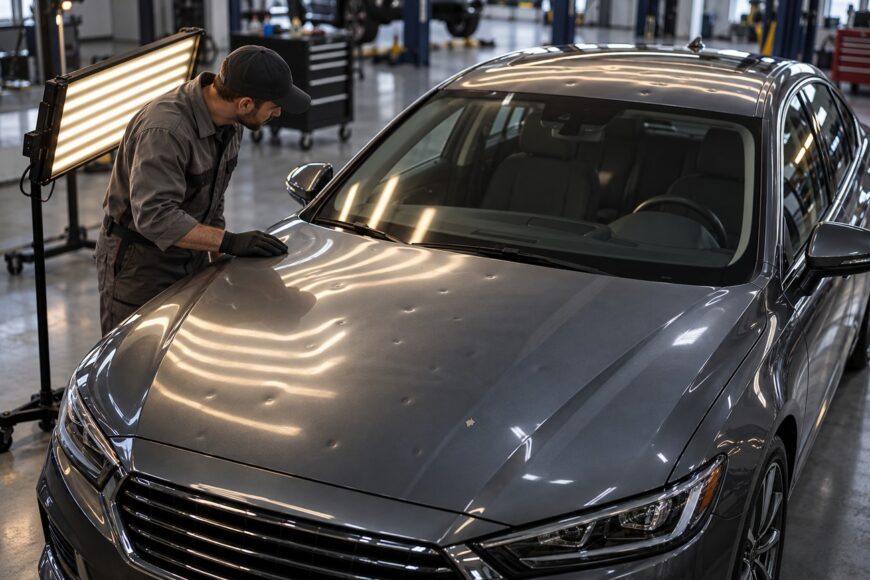
A hood or roof can look smooth in sunlight, then show a field of small dents when reflected lines cross the paint. That change in lighting can make the
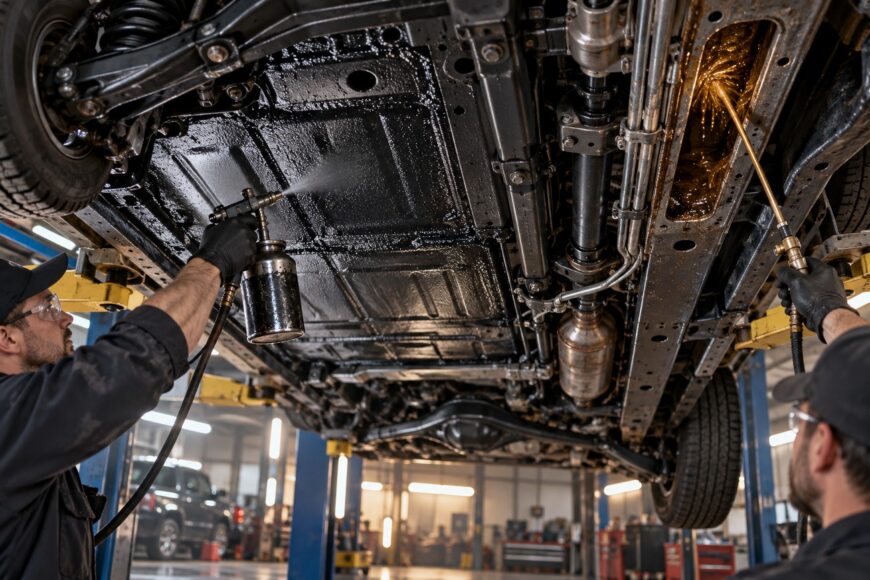
A tough underbody coating resists water, road salt, and stone impact, while an oil or lanolin spray reaches seams, frame sections, and hidden cavities
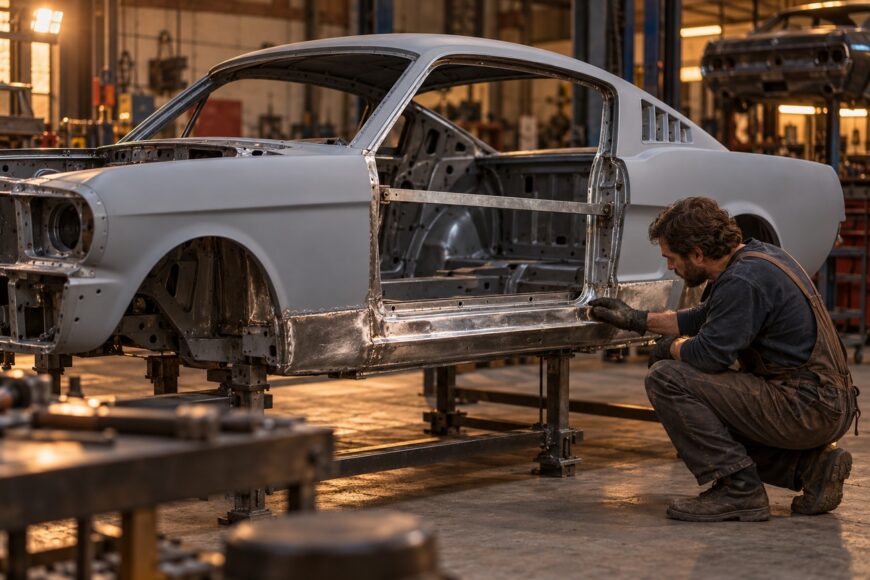
A freshly stripped classic-car shell can develop rust spots before the next workshop session. Worse, removing a blister at a lower seam may reveal corrosion
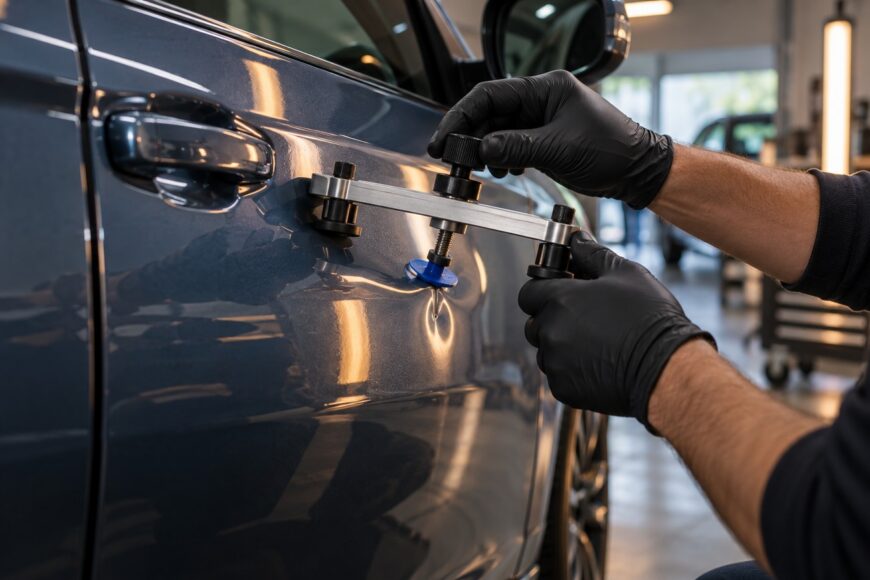
A small door ding can look like an ideal DIY repair until the glue tab releases early, the metal barely moves, or a raised spot appears beside the original damage.
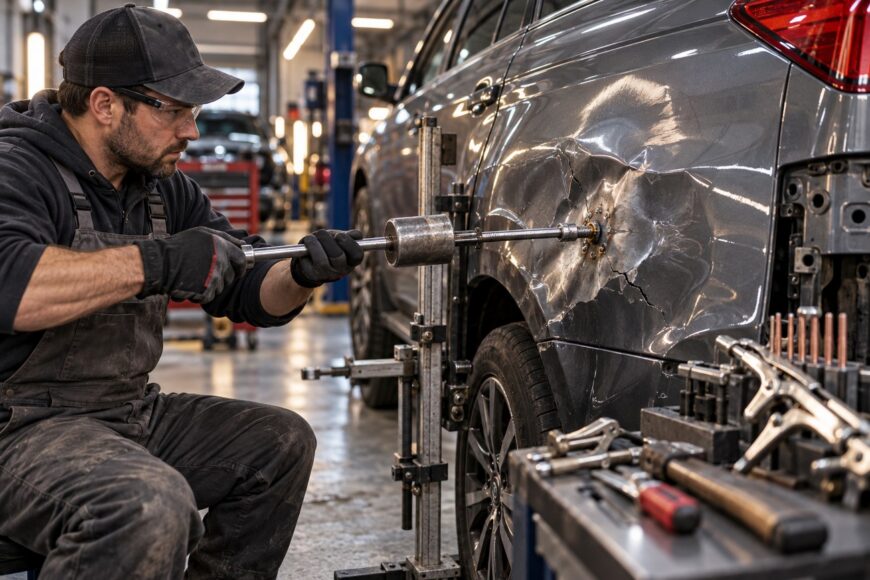
A slide hammer can move a large dent, but uncontrolled force can create waves, stretch the panel, tear paint, or damage the attachment point.