
Tuning
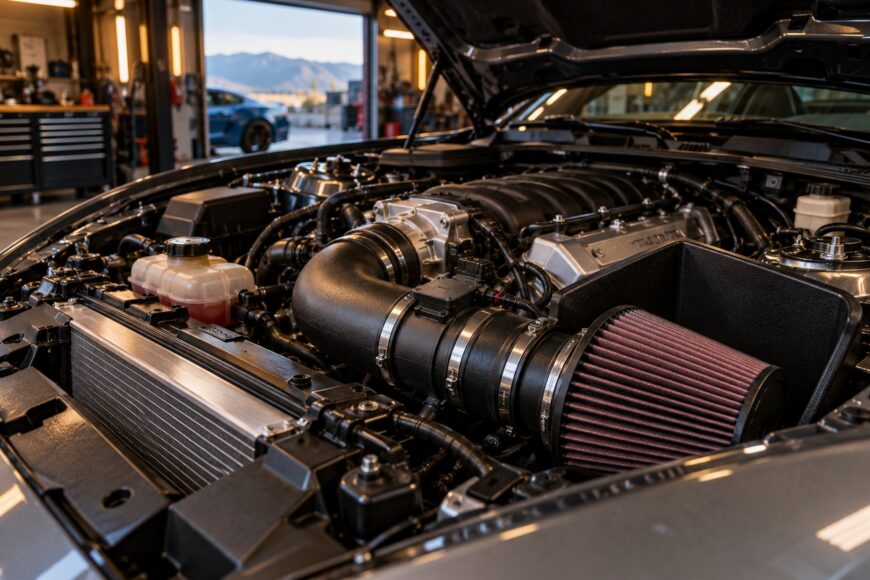
More intake noise with almost no noticeable acceleration is the most common cold-air-intake disappointment, especially in city driving. The engine may
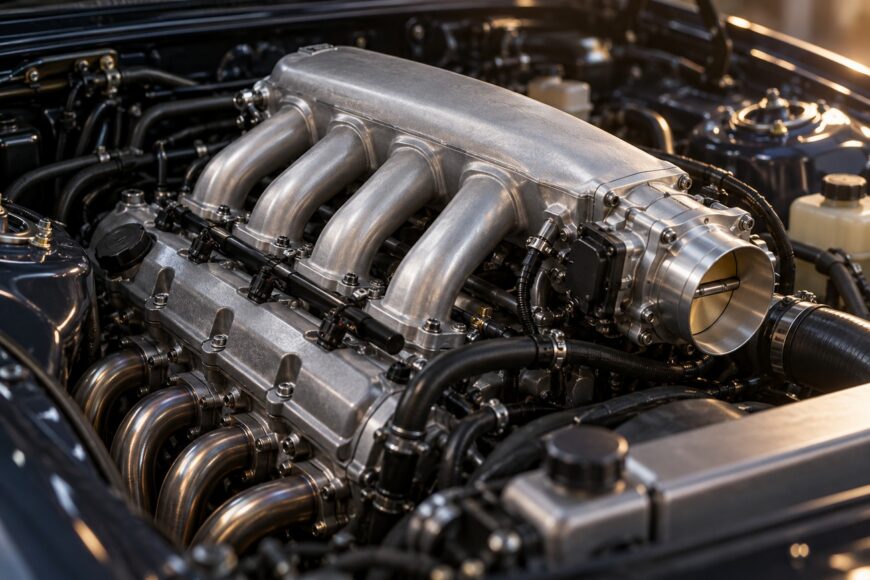
An intake manifold can move a naturally aspirated engine’s power higher in the rev range while making a street car weaker below that band.
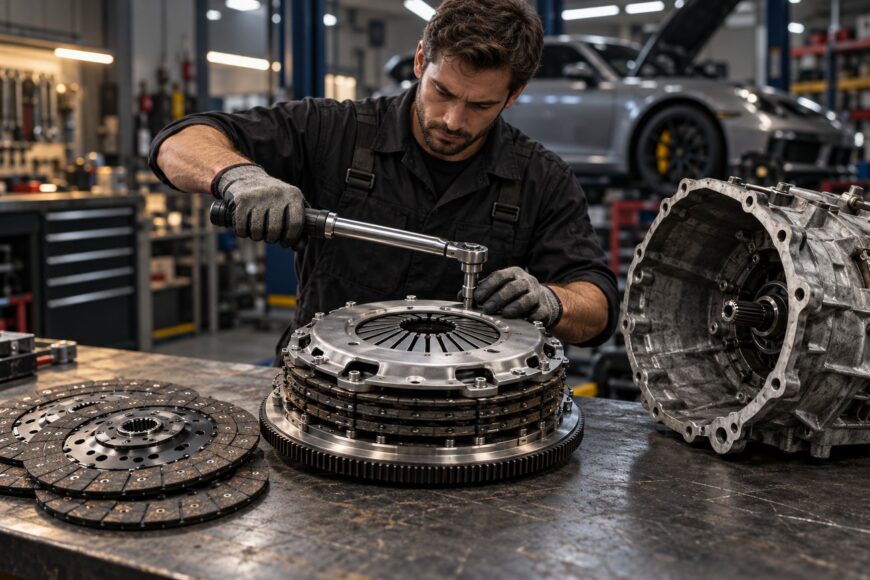
Upgrading a clutch to handle more torque always involves a compromise. More holding capacity can bring a heavier pedal, sharper engagement, extra noise
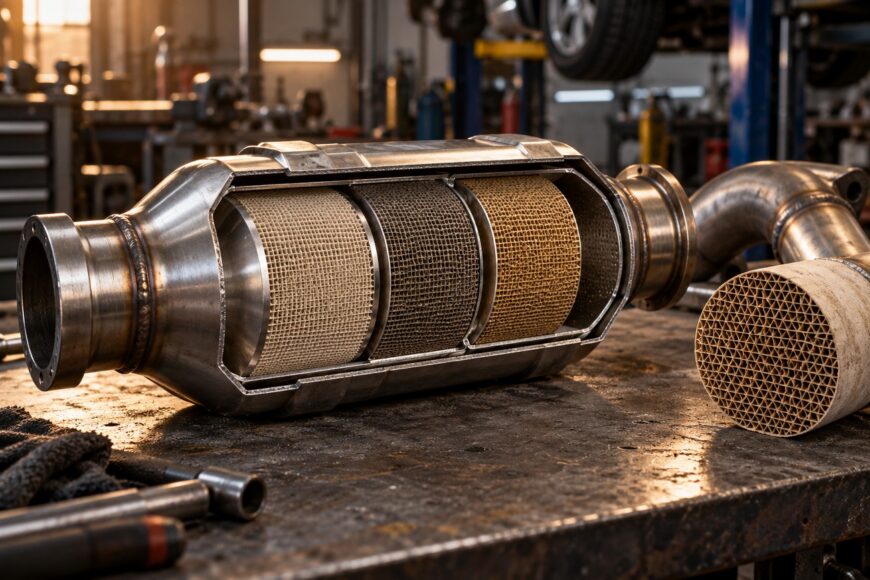
A high-flow catalytic converter can reduce exhaust-flow resistance, yet the trade-off may include weaker emissions control, slower warm-up, uncertain legality
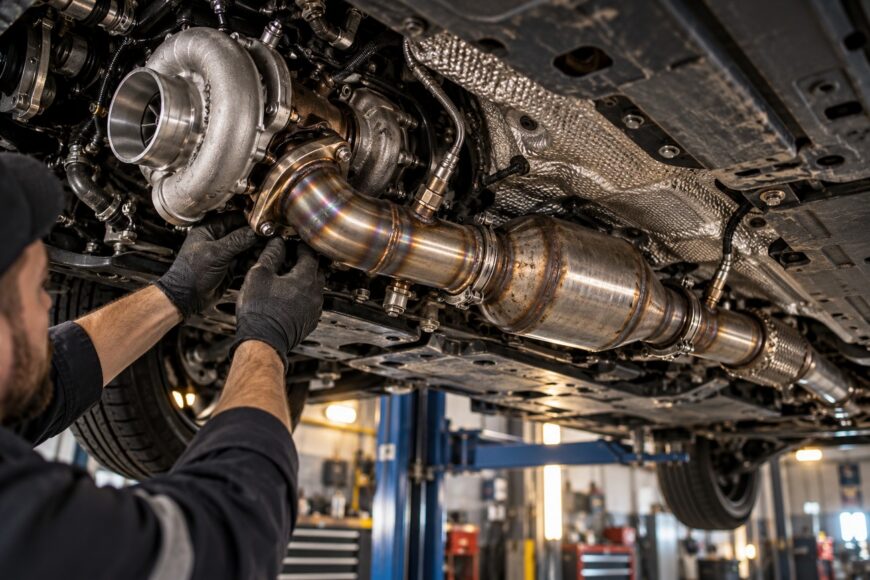
A freer-flowing downpipe can reduce restriction after the turbocharger, improve turbine-outlet flow, and change how quickly the exhaust system sheds heat.
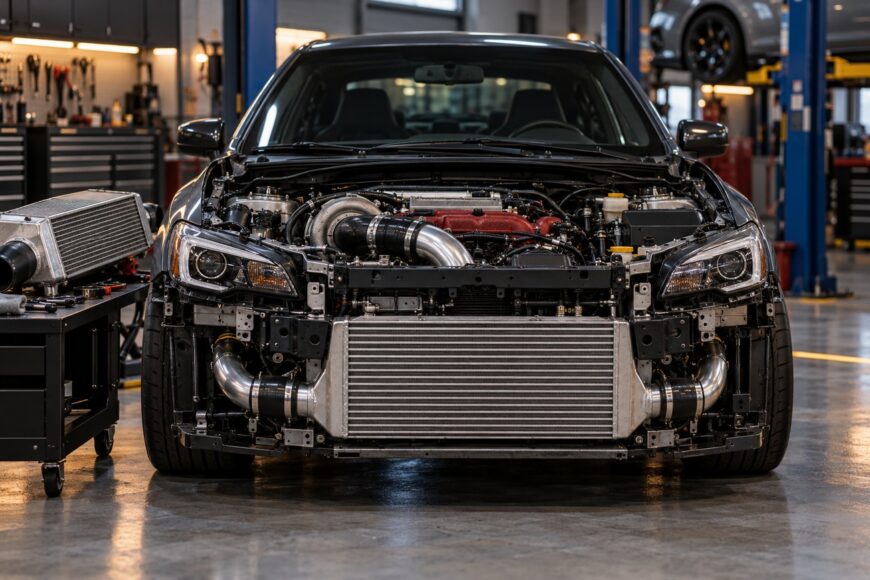
Turbocharged cars become less consistent as intake temperature rises. Hot compressed air is less dense, and the engine may respond with less ignition timing
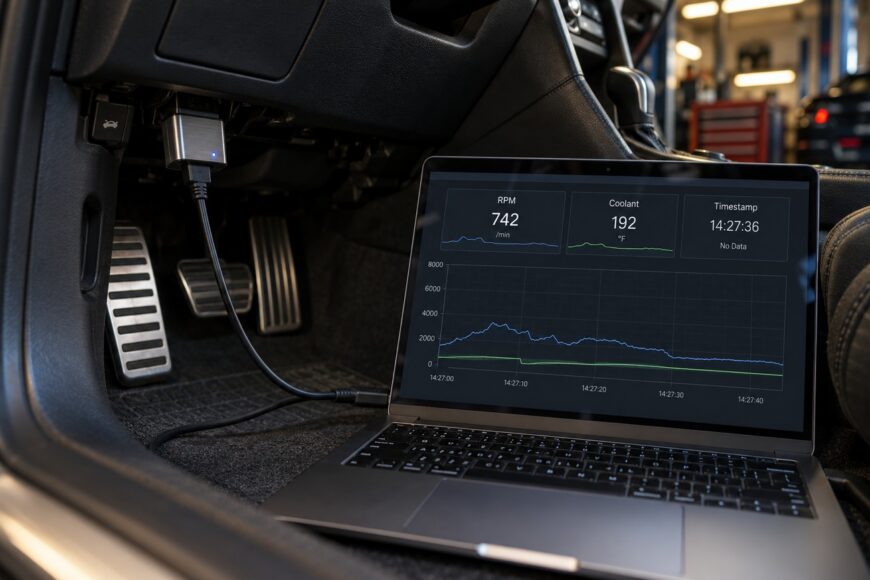
An OBD log can look detailed while hiding delayed responses, missing channels, or values that the ECU never supplied. A long CSV file is easy to collect;
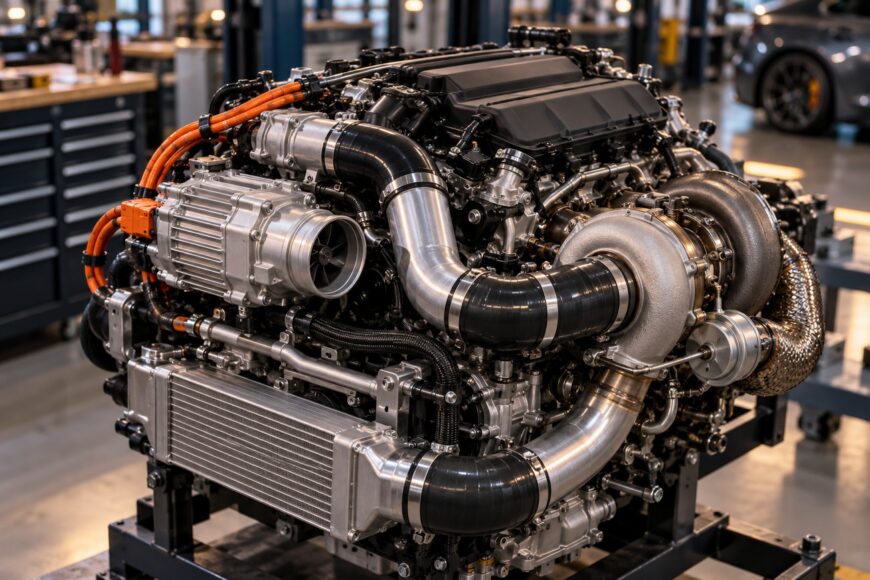
Modern turbo engines can feel flat for a moment at low engine speed, before enough exhaust energy reaches the turbine. Electric boost addresses that delay
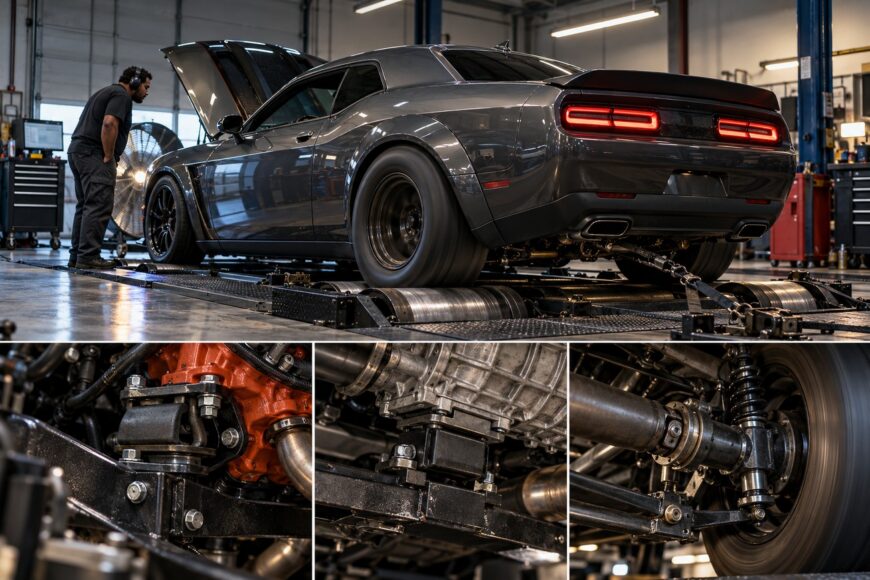
Wheel hop can survive an apparently successful engine-mount upgrade. The engine may move less, throttle response may feel sharper, and the launch can still
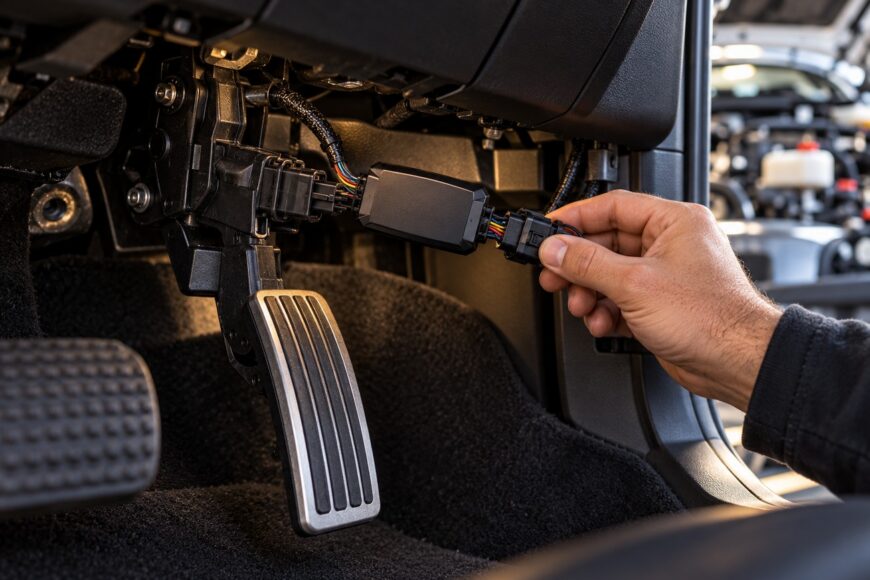
A car can feel lazy even when its engine has adequate power. The usual culprit is a soft accelerator-pedal map: you press the pedal, but the vehicle requests