
Wheels
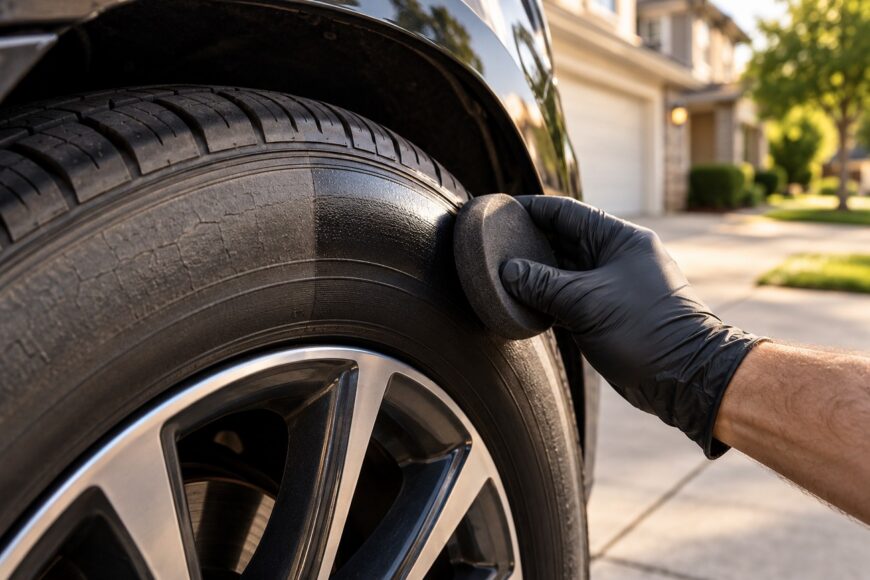
A freshly dressed sidewall can make a car look cared for, yet the same product may leave sticky residue, sling onto the bodywork, or raise concerns about rubber damage.

Assuming every vehicle uses the same tire rotation pattern can put a tire in the wrong position or leave an important wear problem untouched.
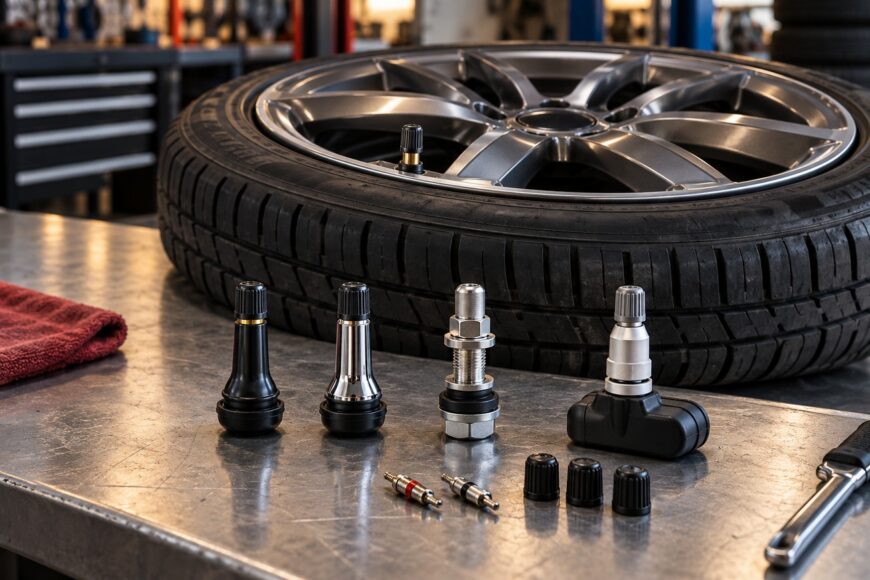
A replacement stem can appear to fit during assembly, yet the valve still leaks, binds, or fails to connect to its actuator. Matching the visible length

A car that drifts across a lane, needs constant steering correction, or wears one tire edge quickly may have a wheel-alignment problem. Alignment and balancing
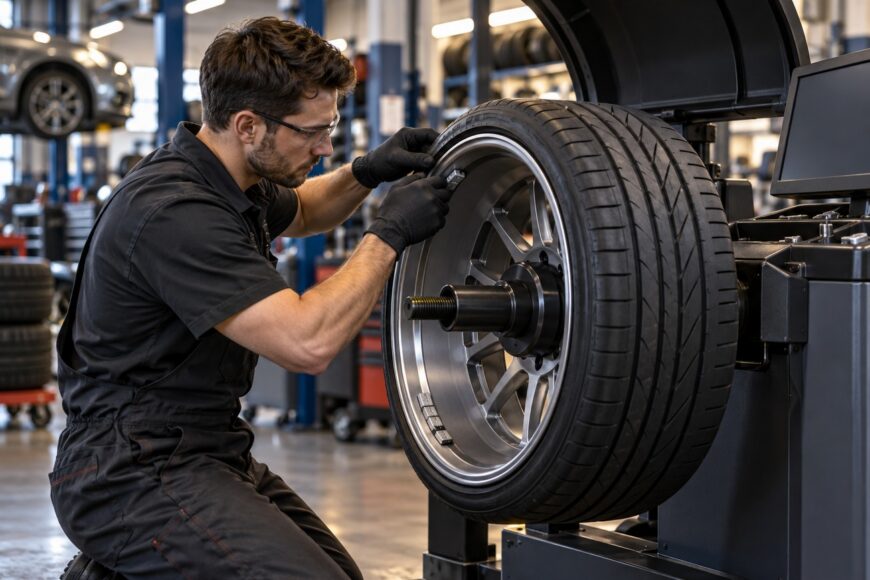
You have a choice between static and dynamic wheel balancing, and the distinction can feel urgent when the steering wheel still shakes after a tire change.

The steering wheel starts to shake after a pothole, even though the wheel looks round. A balance service may quiet the vibration for a while, only for it to return.

A new set of tires can bring an unfamiliar hum that fades on smooth asphalt and swells on a rougher road. The change may be ordinary rolling noise, but

A tire can look ready for a muddy trail yet become tiring on the highway that leads there. Large tread blocks may help off-road, while their noise and
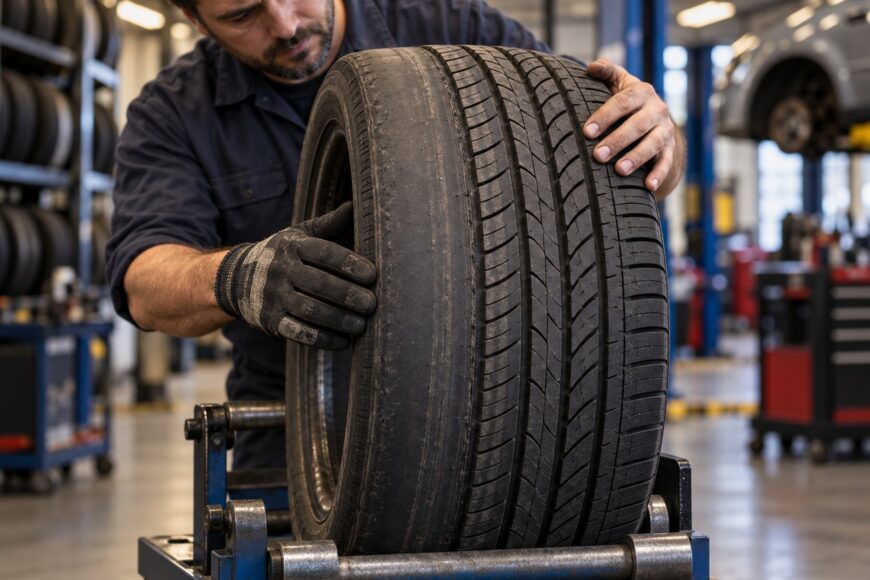
A tire can look healthy from beside the car while its inner edge has lost most of its tread. Replacing it may be necessary, but a new tire can wear the
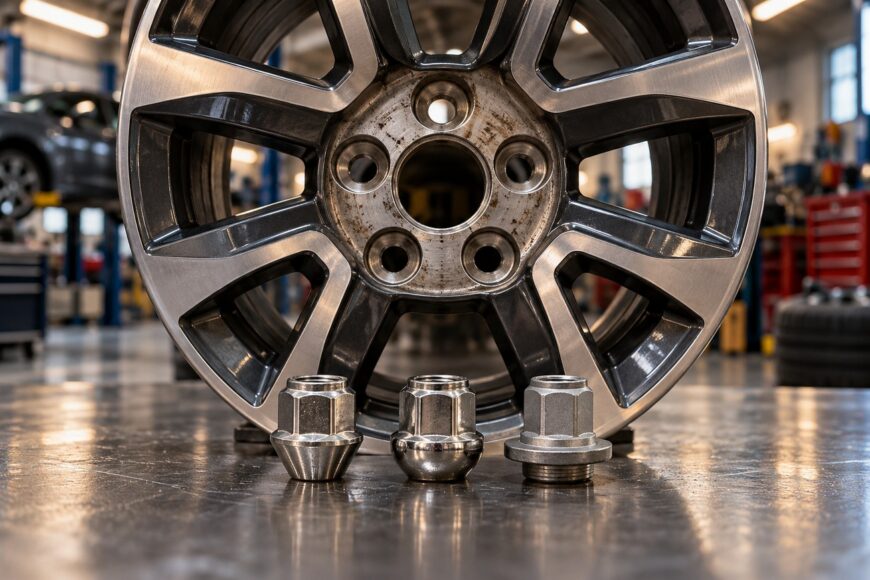
A new set of lug nuts may thread onto the studs and still be wrong for the wheel. If the contact surface does not match, the wheel can vibrate, its mounting