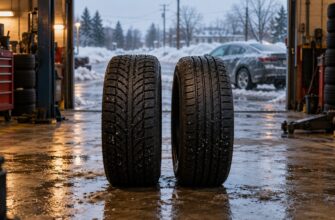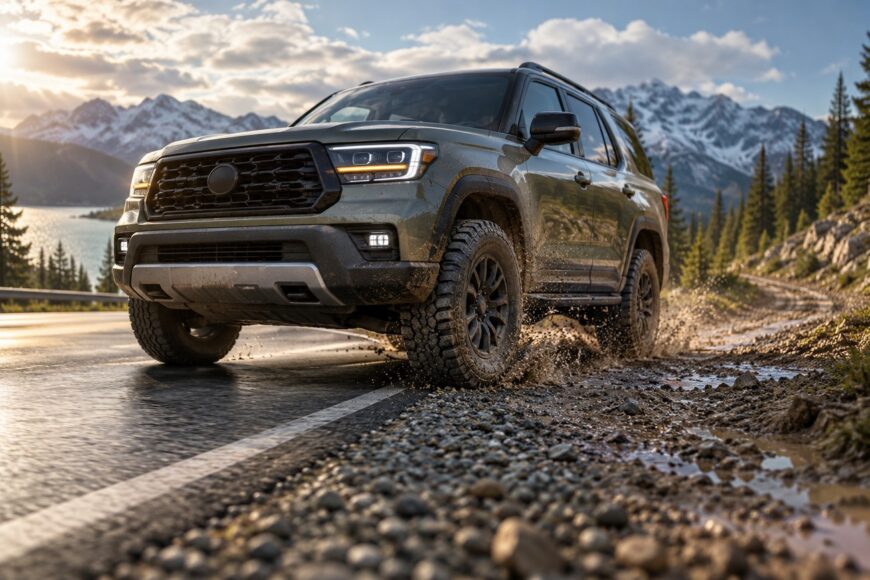
A tire can look ready for a muddy trail yet become tiring on the highway that leads there. Large tread blocks may help off-road, while their noise and firmer ride are harder to ignore during a long paved drive.
Start with the routes you actually use, then check what your vehicle can safely fit and carry. The right choice depends as much on road miles, load, and driving conditions as it does on the deepest mud you expect to meet.
- Start With the Roads You Actually Drive
- H/T vs A/T vs M/T: Match the Tire to the Route
- Check Fit and Ratings Before Choosing a Tread
- Judge Sidewalls and Tread by the Terrain They Must Survive
- Treat Tire Width and Air Pressure as Conditions, Not Upgrades
- Account for the Highway Costs of Off-Road Grip
- Frequently asked questions
- What does the 3% rule for tire size mean?
- When should an off-road tire be replaced even if it has tread left?
- What type of tires are best for off-road?
- What is the 3% rule for tires?
- What is the best tire for off-road driving?
Start With the Roads You Actually Drive
Think through a normal month of driving before shopping. If most trips stay on pavement and the occasional unpaved road is firm and maintained, an H/T tire may cover your needs with fewer road compromises. A dramatic tread pattern adds little value when the difficult section is a short gravel driveway.
For regular dirt roads, gravel, light mud, and moderate sand, A/T is generally the useful middle ground. It balances paved-road use with moderate off-road travel, though that balance costs some road refinement compared with H/T. It also cannot be expected to pull through deep mud like a tire built for that terrain.
M/T makes more sense when deep mud or demanding rocky trails are a regular part of the route. Its more open, aggressive tread can be worth the highway penalties when those conditions would repeatedly stop a milder tire. Buying M/T for occasional dirt-road trips usually means living with noise and a firmer feel for capability you seldom use.
The best tire for off-road driving therefore depends on the hardest route you drive regularly, not the hardest route you can picture. If a difficult trail is a rare trip, plan for its conditions separately rather than letting it dictate every paved commute.
H/T vs A/T vs M/T: Match the Tire to the Route
These categories describe priorities rather than guaranteeing how every model will perform.
| Type | Typical route | On pavement | Reason to pass |
|---|---|---|---|
| H/T | Paved roads and maintained tracks | Prioritizes road comfort and manners | Regular mud or rough trails exceed its intended role |
| A/T | Gravel, dirt roads, light mud, moderate sand | Usable daily, with possible noise and comfort costs | Deep mud is a frequent obstacle |
| M/T | Deep mud and demanding rocky terrain | Generally noisier; wet-road behavior needs attention | Most driving is on pavement |
Check Fit and Ratings Before Choosing a Tread
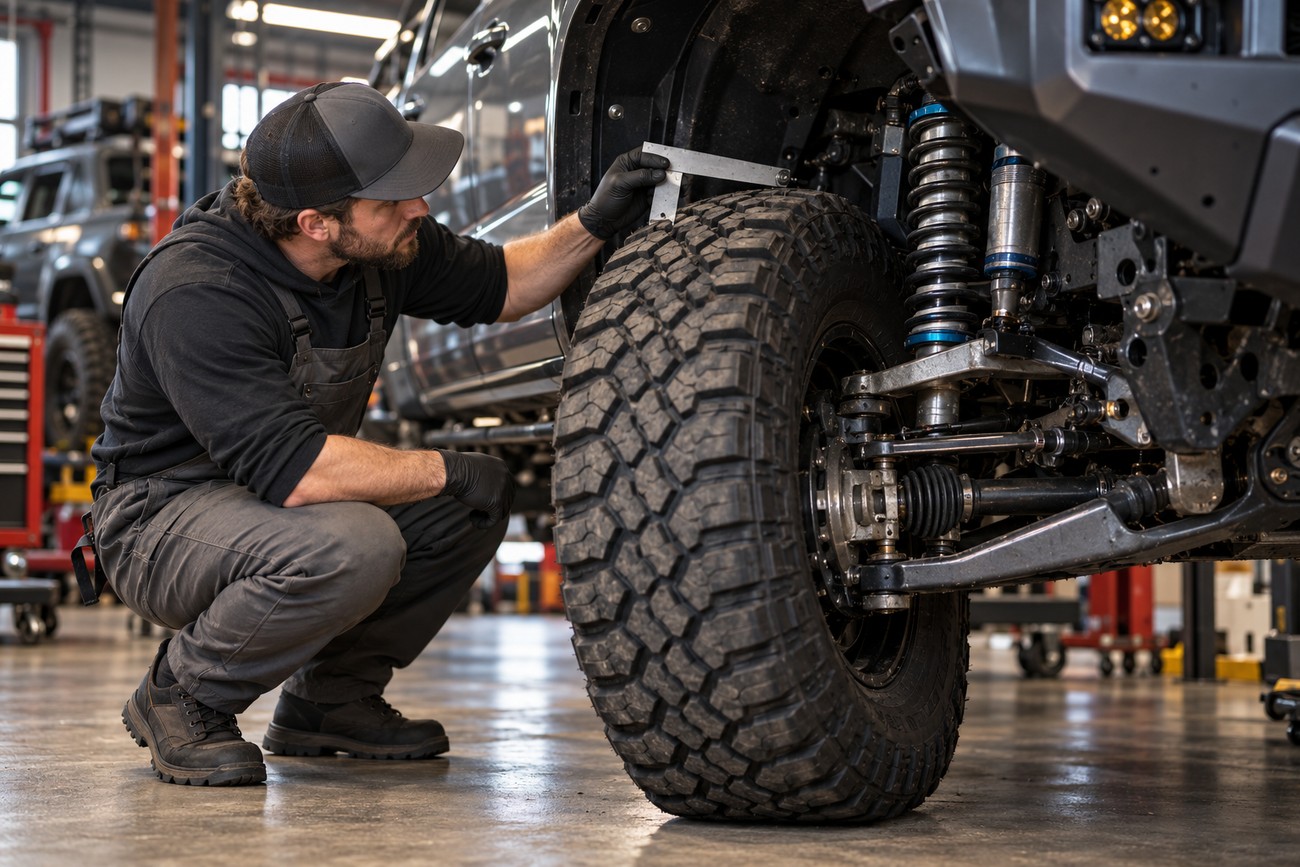
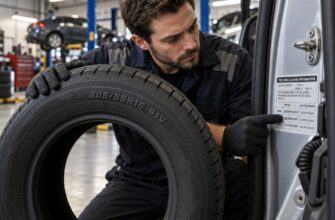
Begin with the tire sizes and requirements in your vehicle documentation. The replacement must fit the vehicle, while its load and speed ratings must meet the manufacturer’s requirements. A tread that looks suitable for your trail cannot compensate for an unsuitable size or rating.
Be cautious with a seller’s assurance that a larger tire “fits.” Clearance can change as the suspension moves or the steering reaches full lock, and a tire that clears while parked may rub in use. Wheel fit, vehicle specifications, and any applicable local rules matter more than a quick visual check.
Construction affects the drive even when the size is correct. A tougher off-road tire may add mass and stiffness, making steering feel heavier and small bumps more noticeable. On a vehicle used mainly for commuting, that change can matter more than the tread’s appearance suggests.
Compare candidate tires in the approved size and suitable ratings before weighing tread designs. If you are considering a size change, verify the full fitment with a qualified tire specialist rather than treating a diameter rule of thumb as approval.
Judge Sidewalls and Tread by the Terrain They Must Survive
Off-road tires generally have deeper tread and larger blocks than road-focused tires. In mud, the spaces between blocks give loose material somewhere to move and may help the tread clear as the wheel turns. Deep tread alone is no guarantee: clay that packs the gaps can leave an aggressive-looking tire with little effective grip.
Match the pattern to the ground beneath it. An open tread may be useful in persistent mud, while a milder pattern can make more sense on gravel routes linked by long paved stretches. Look beyond the blocks at how a tire handles wet pavement, where aggressive tread may feel less settled.
Sidewalls deserve equal scrutiny. Sharp gravel, rock edges, and ruts can damage a tire well before its tread wears out, particularly if you lower pressure for a trail. Reinforced construction may offer useful protection, although it can add weight and make the ride firmer.
A tire with the most substantial sidewall is not automatically the best purchase. Choose enough protection for the hazards you meet regularly, then consider how its weight and stiffness will feel over the rest of the journey.
Treat Tire Width and Air Pressure as Conditions, Not Upgrades
A wider footprint can help on some soft ground, but width is not a universal route to traction. Vehicle weight, tread, and pressure all affect how the tire meets the surface. On some loose tracks, a narrower tire may cut through material more effectively than an oversize one.
Extra width also has costs on firm surfaces, including greater rolling resistance and changes to steering feel. It can create fitment problems even when the tread pattern suits the route. Choose width within the vehicle’s fitment limits rather than assuming the widest available option will float over every obstacle.
Carefully reduced pressure can improve traction in some off-road conditions, provided the tire, wheel, load, and terrain permit it. There is no universal safe off-road pressure: going too low raises the risk of damage or losing the bead, while rocks and ruts remain hard on the sidewalls. Follow guidance appropriate to your equipment, inspect the tires for damage, and reinflate before normal road use.
Account for the Highway Costs of Off-Road Grip
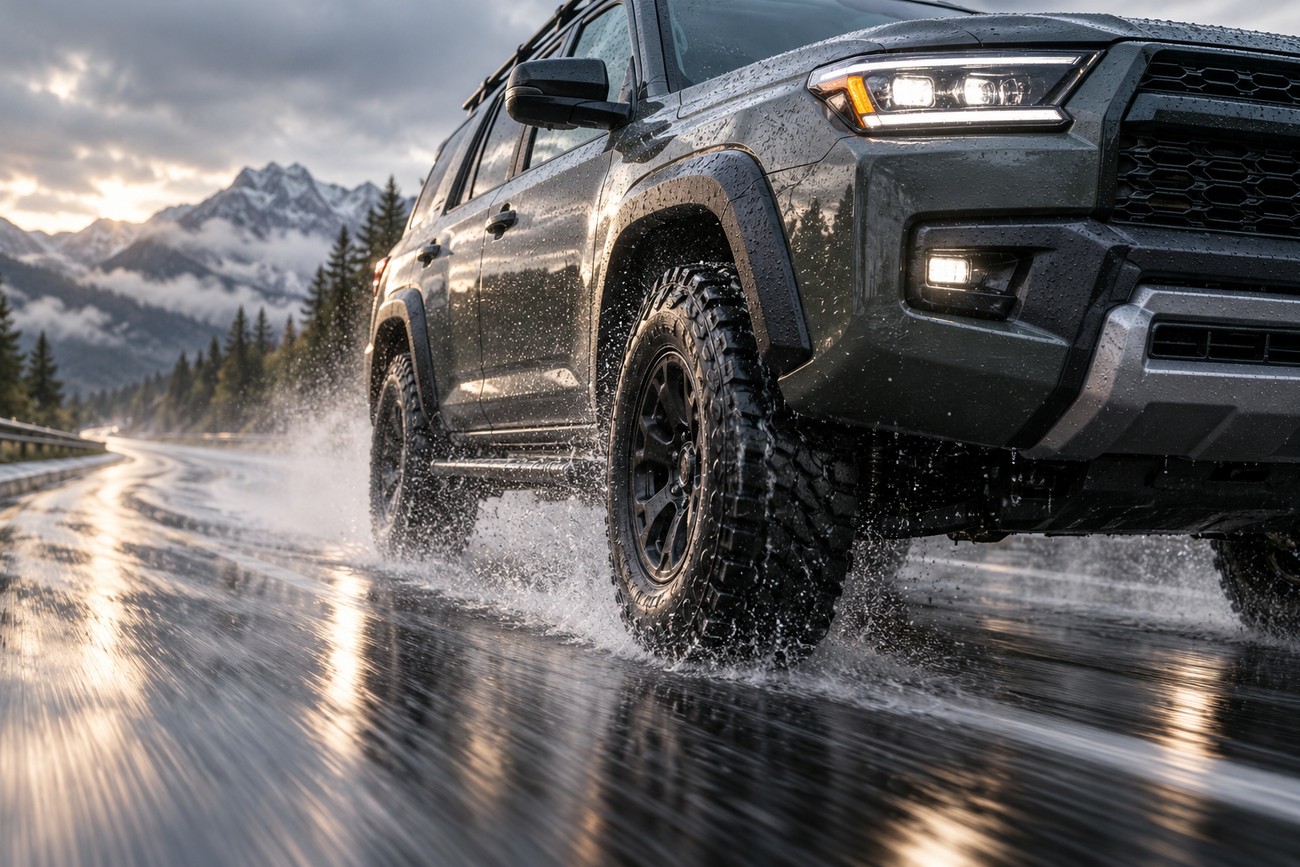
Large, widely spaced tread blocks tend to bring more road noise, and aggressive A/T or M/T tires can add vibration. That may be tolerable on a short drive to a trail and wearing on a long highway journey. The result varies by model and vehicle, so compare road-behavior information for the tires you are considering.
Wet pavement deserves particular attention. An off-road tread designed to work in loose ground may offer less reassuring braking or stability on a wet hard surface than a road-focused option. Leave room for that difference in your choice and your driving; an aggressive pattern does not improve grip everywhere.
Heavier tires and reinforced sidewalls can make a vehicle feel less responsive and less comfortable. Depending on the tire and use, fuel consumption and wear may also become less favorable. These costs are easy to overlook when the purchase decision focuses only on whether a tread will clear mud.
Favor the least aggressive tire that reliably covers your hardest regular route. A/T remains a compromise between pavement and moderate off-road use, while M/T is easier to justify when demanding terrain is routine. Neither label replaces checking the fit, construction, and road behavior of a specific tire.
Frequently asked questions
A few checks remain useful after you have narrowed down the tread type. Size rules are only screening tools, and tire condition can matter more than the tread left on it.
What does the 3% rule for tire size mean?
It is a commonly cited rule of thumb for comparing a proposed tire’s overall diameter with the original size: keep the change within about 3%. It does not establish that the tire has adequate clearance, meets vehicle requirements, or leaves instrument readings accurate. Check the manufacturer’s specifications and the actual fit.
When should an off-road tire be replaced even if it has tread left?
Sidewall cuts, bulges, or exposed cords call for prompt professional inspection, even when the tread looks usable. Damage picked up on rocks or in ruts may affect the tire’s structure; tread depth alone cannot show whether it remains safe to drive.
What type of tires are best for off-road?
Choose the type for the terrain you encounter often enough to influence the purchase. Before settling on a category, check whether your usual obstacles are loose surfaces, deep mud, or sharp rock, and whether you must also cover long paved distances. A suitable type still needs the right size, ratings, and construction for your vehicle.
What is the 3% rule for tires?
It refers to overall tire diameter, rather than a permitted increase in width or tread depth. Even a diameter change within that rule of thumb can affect clearance or instrument readings. Treat it as an initial comparison, then confirm vehicle specifications, physical space, and any applicable requirements.
What is the best tire for off-road driving?
The best tire is one that handles your recurring trail conditions without imposing unnecessary costs on the roads between them. If the route changes by season, assess the conditions in which you will actually drive; an off-road tread alone does not establish snow or ice performance or replace a dedicated winter tire when one is needed.