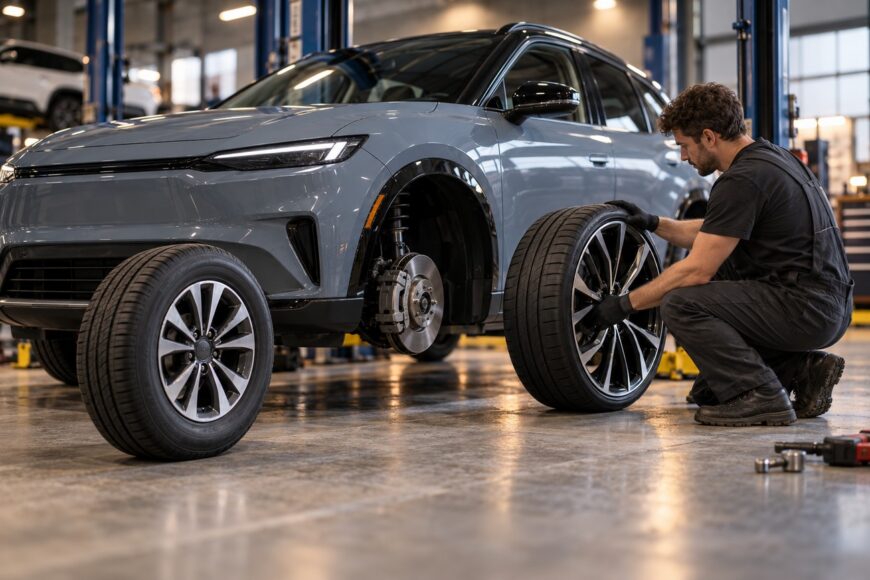
Larger wheels can give an EV a more assertive look, yet owners often worry about losing range, feeling more bumps, or hearing more tire noise. Those concerns are reasonable, though rim diameter alone cannot predict the result. The tire fitted to the wheel, its pressure, and the weight and width of the complete assembly all matter.
Choosing wheels therefore involves two sets of checks. The wheel must mount correctly, clear the brakes, and carry its share of the vehicle’s weight; the tire must meet the approved size, load, speed, and pressure requirements. Start with the combinations approved for your vehicle, then decide which appearance and driving trade-offs are worth making.
- Start with the vehicle’s approved wheel specifications
- How diameter, width, and weight affect range and ride
- Choose tires by load, wet grip, and rolling resistance
- OEM, smaller, and oversize EV wheel setups at a glance
- Noise, wear, and the hidden costs of EV-focused upgrades
- A fitment and ownership checklist before you buy
- Frequently asked questions
- What is the 3% rule for tire size changes, and does it apply to EVs?
- What are the best wheels for an electric vehicle?
- What is the 3% rule for tires?
- What EVs should I stay away from?
Start with the vehicle’s approved wheel specifications
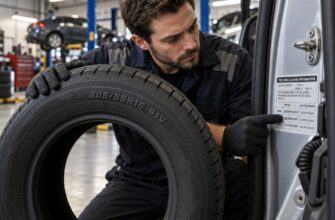
Check the owner’s manual, door placard, and manufacturer-approved wheel-and-tire combinations before shopping by appearance. An EV label on a product cannot override those specifications. If your vehicle has different sizes at the front and rear, record each position separately rather than assuming that all four wheels are interchangeable.
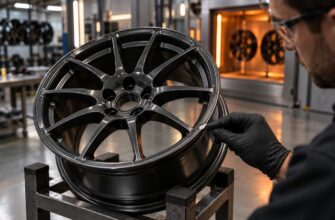
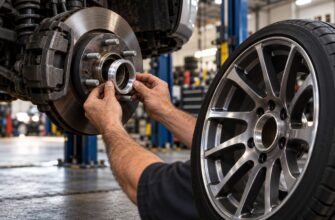
Wheel diameter and width determine which tires can be mounted, while offset affects where the assembly sits relative to the suspension and bodywork. The bolt pattern and center bore must suit the hub, and the finished assembly needs adequate brake clearance. A wheel can accept an approved tire size yet still have the wrong offset or interfere with a brake caliper.
Check the wheel’s load rating as its own specification. It is separate from the tire’s load index and speed index, and neither rating compensates for a shortfall in the other. Ask the wheel supplier to confirm the rating and mounting fit for the specific vehicle, particularly if the replacement differs from an approved factory wheel.
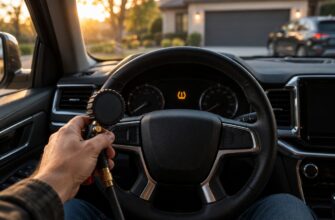
Finally, account for the hardware and equipment associated with the original setup, including the specified fasteners and any tire-pressure monitoring components. A wheel that appears to bolt on is only a starting point; a manufacturer-approved combination remains the clearest route to a reliable fit.
How diameter, width, and weight affect range and ride
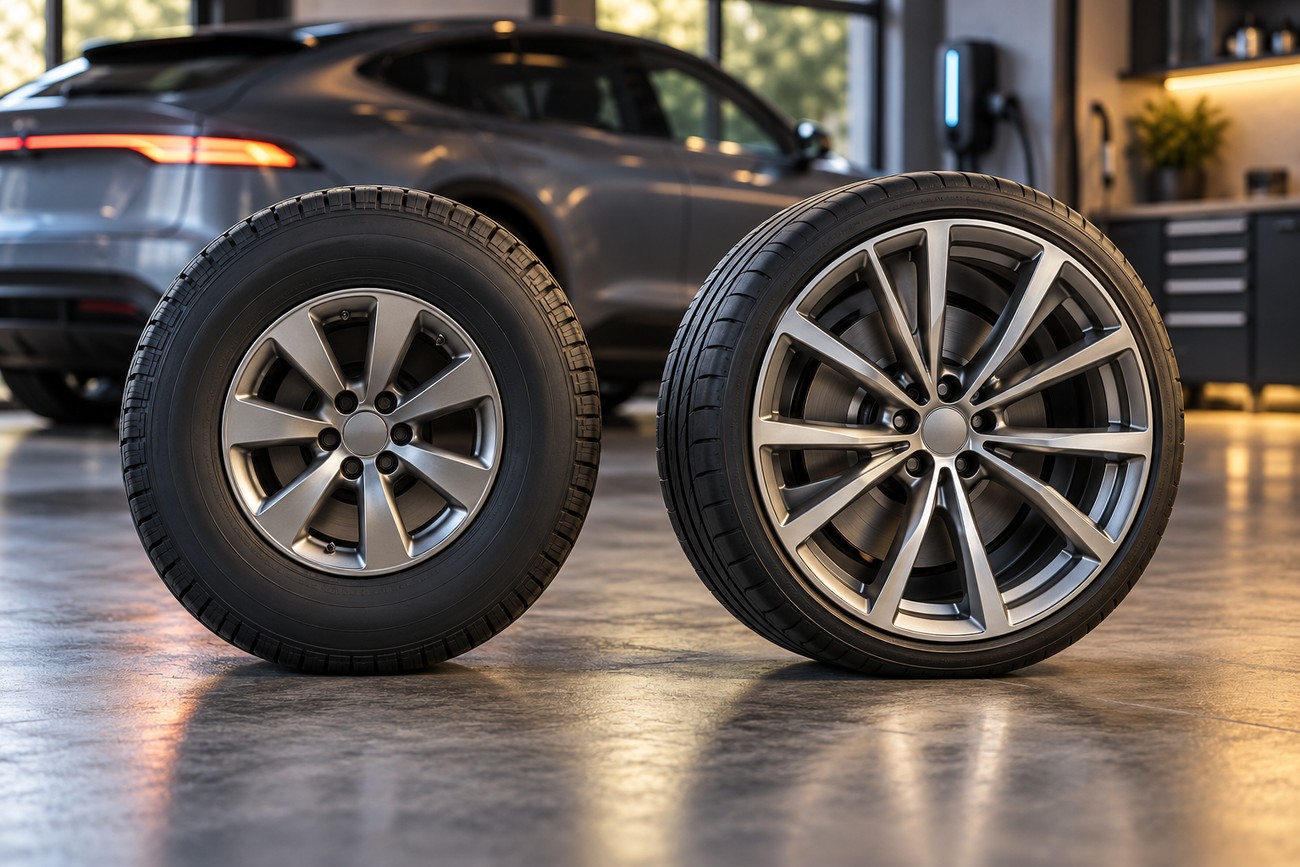
A larger rim commonly comes with a lower-profile tire to keep the overall tire diameter near an approved size. With less sidewall between the road and wheel, sharp edges may feel more pronounced. That change in ride is distinct from the effect of width or weight on energy use.
A wider tire may add rolling resistance, while a heavier wheel-and-tire assembly can require more energy during repeated acceleration. Tire construction and compound also matter, so two setups with the same rim diameter need not behave alike. Larger, wider, or heavier setups can reduce efficiency, but no rim size alone predicts a range loss.
An approved narrower, higher-profile combination may offer a useful balance of comfort and efficiency. Its extra sidewall can soften impacts, and the narrower footprint may reduce some sources of road noise. Confirm that the manufacturer approves the entire combination, including its load capacity and brake clearance, before treating a smaller wheel as an option.
Compare range claims with care. Tire model, inflation pressure, temperature, roads, and driving style can all change the outcome, sometimes enough to obscure the effect of the wheels. Expect tendencies rather than a promised percentage or distance gain from any alternative setup.
Choose tires by load, wet grip, and rolling resistance
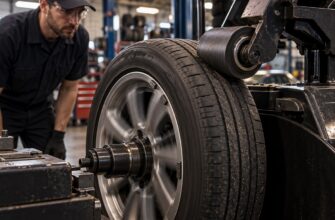
Once the wheel choice is settled, verify the tire size, load index, and speed index against the vehicle’s specifications. Use the specified inflation pressure for the fitted combination, accounting for any manufacturer guidance on loading. Matching the printed tire size while overlooking its service description can leave a heavy EV with inadequate tire capacity.
HL denotes a higher-load tire designation in applicable sizes; it is not a mandatory EV marking. Use it when the vehicle’s approved specifications require it, rather than assuming every EV needs HL or that XL is always an acceptable substitute. An ordinary tire can be suitable when it meets all vehicle requirements, while EV branding alone establishes neither fit nor performance.
Low rolling resistance can help efficiency, but wet grip deserves equal attention in a vehicle with substantial mass and readily available torque. Compare the evidence available for the actual tire model and size, including wet-grip information and likely wear, instead of relying on an “eco” description. A tire that saves energy offers little practical value if its other characteristics do not suit your roads and driving.
Efficiency-focused tires can affect range, but the result depends on the complete setup and conditions. Where comparable tire information is available, weigh rolling resistance alongside braking confidence, noise, and replacement availability. There is no universal range gain that applies to every EV.
OEM, smaller, and oversize EV wheel setups at a glance
These are tendencies, not guaranteed results. Every option still needs adequate wheel and tire load capacity.
| Setup | Fitment check | Range and comfort tendency | Availability and reason to choose it |
|---|---|---|---|
| Original approved setup | Confirm the specified wheels, tires, and pressure. | Known reference point; results still depend on tires and use. | Often simplest to replace; preserves the intended setup. |
| Smaller or narrower approved alternative | Use only a manufacturer-approved combination; check brakes and both load ratings. | May favor efficiency and a softer ride. | Check that the required tire size and indexes are stocked; choose for comfort or efficiency. |
| Larger or wider proposed setup | Verify approval or specific fitment, clearance, and both load ratings. | May reduce efficiency and comfort; the complete package decides. | Specialized tires may be harder to source; usually chosen for appearance. |
Noise, wear, and the hidden costs of EV-focused upgrades
Tire hum can stand out in an EV cabin because there is less motor noise to mask it. Tread design, road surface, and tire construction all affect what you hear, so an EV label does not promise a quiet ride. There is no separate universal EV tire noise limit; a 70 dB shopping reference should not be treated as one.
Some tires use acoustic foam to reduce noise transmitted into the cabin. It can be useful, but a puncture repair may require additional care around the foam, and repair options depend on the damage and tire maker’s instructions. Ask about local repair support before paying extra for a specialized tire you may struggle to replace promptly.
High vehicle loads, abrupt acceleration, and incorrect pressure can contribute to rapid or uneven wear. The pattern matters: wear concentrated on one axle calls for different checks than uniform wear across all four tires. EV tires do not all wear quickly, and a low-rolling-resistance design does not automatically have poor grip.
Specialized tires may also cost more or be harder to find in an unusual size or load designation. Check current availability and wet-grip information before buying on an efficiency claim. A small or uncertain energy benefit may be less useful than dependable grip and an obtainable replacement when a tire is damaged.
A fitment and ownership checklist before you buy
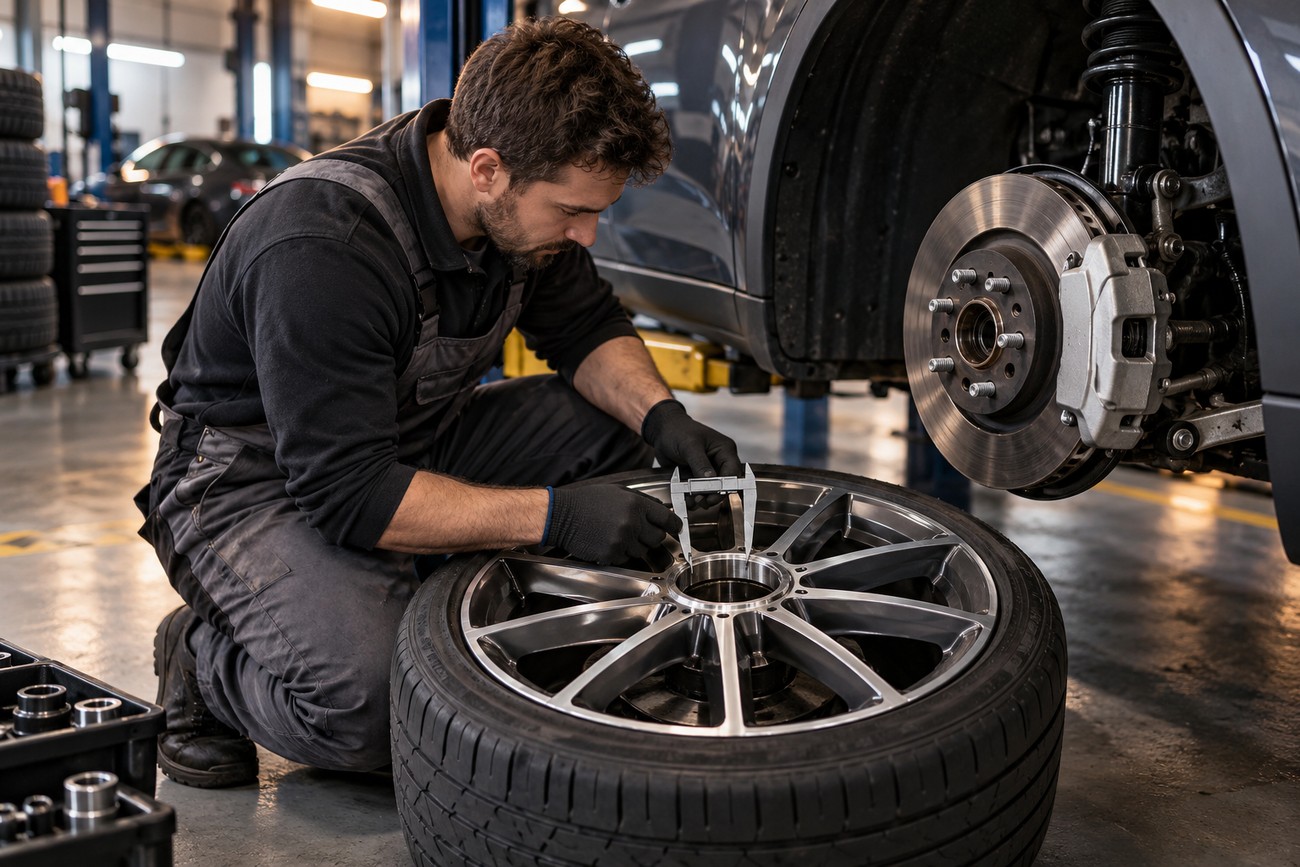
Begin with the owner’s manual, door placard, and manufacturer-approved wheel-and-tire combinations. Write down any front-to-rear differences and the specified pressure for the combination you intend to use. This gives a seller or installer a precise starting point rather than a request for wheels that simply “fit an EV.”
Next, verify wheel diameter, width, offset, bolt pattern, center bore, brake clearance, mounting hardware, and wheel load rating. Separately, check tire size, load index, and speed index. Compare wet grip, rolling resistance, noise, availability, and total replacement cost only after the fitment and capacity checks pass.
After installation, confirm the correct pressure and pay attention to vibration, rubbing, or a change in handling. Inspect wear across each tire and between axles. Rotation is worth discussing with your service provider, but follow vehicle guidance and first establish whether the wheel-and-tire configuration permits it; the sometimes-cited 8,000–12,000 km interval is a practitioner reference, not a rule for every EV.
Frequently asked questions
Two common versions of the “3% rule” refer to the same rough tire-diameter comparison. Neither replaces a vehicle’s approved sizes, and neither resolves wheel fitment on its own. The answers below separate that sizing shortcut from the broader question of which wheels suit an EV.
What is the 3% rule for tire size changes, and does it apply to EVs?
It is a rough check that compares a proposed tire’s overall diameter with the original, commonly using a difference of about 3%. It can flag an obvious size departure on an EV, but it is not manufacturer approval or a universal safe-change allowance. A near-matching diameter can still create clearance issues or affect vehicle systems that rely on wheel-speed information.
What are the best wheels for an electric vehicle?
The best choice is usually a manufacturer-approved setup that meets your priorities without sacrificing fitment or load capacity. If comfort and efficiency matter most, compare approved narrower or higher-profile options. If appearance leads the decision, assess the weight, tire choices, and ride of the complete package rather than choosing by rim diameter alone.
What is the 3% rule for tires?
For tires, the same rule is an informal overall-diameter screening tool, not a tire-performance or safety rating. It says nothing about load index, speed index, wet grip, or the required pressure. A tire can fall within that diameter comparison and still be unsuitable for the vehicle.
What EVs should I stay away from?
Wheel choice alone is not a sound reason to rule out an EV model. If you are assessing a vehicle to buy, be cautious about one already fitted with undocumented aftermarket wheels or tires that lack the required load capacity. Check the original specifications and the availability of approved replacement tires before accepting an unusual setup.