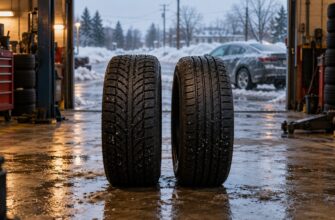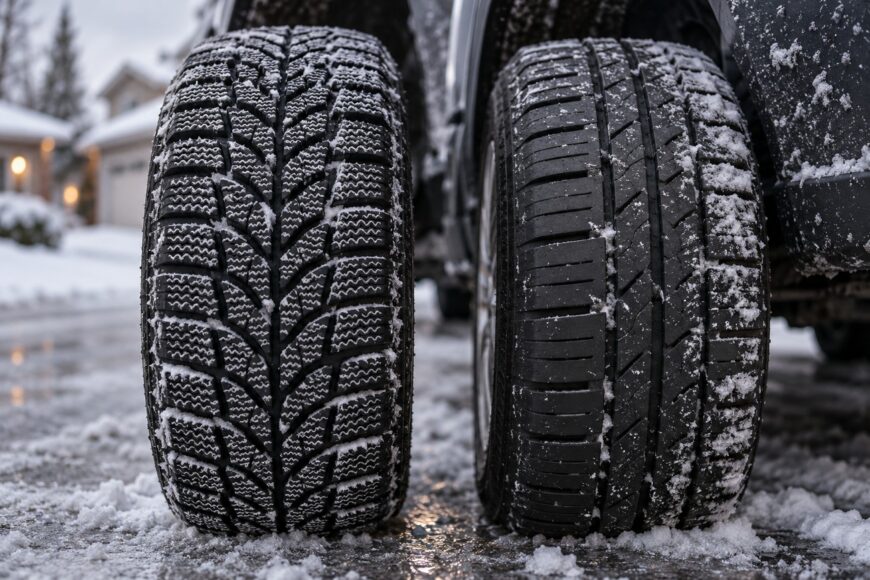
Adding grip to tires you already own sounds appealing, especially if icy streets are only an occasional part of your winter driving. Tire siping promises more edges in the tread without the cost of replacing a usable set.
The choice is harder than that promise suggests. Extra cuts may improve bite on ice while making steering less precise on dry roads or leaving durability uncertain. Factory sipes are built into a tire’s design; cuts made after purchase have to work within a tread that was designed without them.
- What Tire Siping Changes—and What It Cannot
- Where Extra Sipes Help: Ice, Packed Snow, and Slush
- Factory Winter Tires vs. Aftermarket Siping: What You Gain and Risk
- The Trade-Offs Shops May Understate
- Is Your Tire a Sensible Candidate?
- Before and After the Service: Questions Worth Asking
- Frequently asked questions
- What is the “7/7 rule” for winter tires?
- What should I do if tread blocks start chipping after siping?
- What is one disadvantage of tire siping?
- What is the 7’7 rule for winter tires?
What Tire Siping Changes—and What It Cannot
Factory sipes are narrow slits designed into the original tread. Aftermarket siping adds slits to an already manufactured tire, usually with a cutting machine. Both create edges that can press into ice or packed snow, but only the factory version is part of the tire’s engineered design.
As a tread block meets the road, its sipes open slightly and create more biting edges. The same cuts let the block flex more. That flexibility can aid grip on a slippery surface, yet too much movement may make the tire feel less settled on pavement.
Aftermarket cuts are often described as approximately 3–6 mm deep. That range is a description, not a depth specification: the suitable location and depth depend on the tire’s tread, remaining rubber, and construction. A shop should assess the individual tire before proposing a pattern.
Cutting the tread does not change its rubber compound. A summer tire remains a summer tire, and an all-season tire does not become a purpose-built winter tire. Factory winter siping works alongside a winter compound and a tread designed for cold, snowy conditions.
Where Extra Sipes Help: Ice, Packed Snow, and Slush
The most plausible gain from aftermarket siping is extra traction on ice and packed snow, particularly during lower-speed driving. A driver pulling away on a slick residential street may notice more bite. That observation cannot predict a particular tire’s braking distance or handling in every winter condition.
Deep, loose snow asks something different of a tire: enough tread depth and an open pattern to move and release snow. Additional fine cuts offer limited help if the existing tread cannot do that work. Slush and wet pavement also depend heavily on drainage and the tire’s overall design; more edges alone do not ensure better grip.
Reports from loaded pickups and vehicles on all-terrain or mud-terrain tires need context. Their weight, drive layout, and relatively large tread blocks can make a change in block edges more noticeable than it would be on a light passenger car. Some owners choose partial siping to retain block support, but that is a compromise, not a proven recipe for other tires.
A tire with dense factory siping may have little useful space for additional cuts. New slits could interfere with how its blocks support one another or how its grooves clear water. Before treating a favorable ice report as relevant, compare the original tread and the surfaces you actually drive on.
Factory Winter Tires vs. Aftermarket Siping: What You Gain and Risk
These choices differ in more than the number of tread edges. Consider the compound, the full tread pattern, and how much confidence you can place in the tire’s stated performance after any modification.
| Tire choice | Ice and packed snow | Deep snow and other roads | Testing and warranty |
|---|---|---|---|
| Purpose-built winter tire | Factory sipes work with winter rubber and an engineered tread. | Pattern and depth still matter in deep snow; wet and dry behavior varies by model. | Manufacturer performance claims apply to the tire as supplied, subject to its terms. |
| Aftermarket-siped all-season tire | Extra edges may help; the gain depends on the tire and conditions. | Cuts cannot add tread depth or guarantee slush drainage; block flex may affect pavement handling. | The modified version generally lacks the original model’s validation; warranty coverage may change. |
| Aftermarket-siped summer tire | Cuts do not provide a winter compound or make it a winter-tire substitute. | Its underlying tread and rubber remain unsuited to winter use. | Original performance claims cannot automatically be applied after cutting; check warranty terms. |
The Trade-Offs Shops May Understate
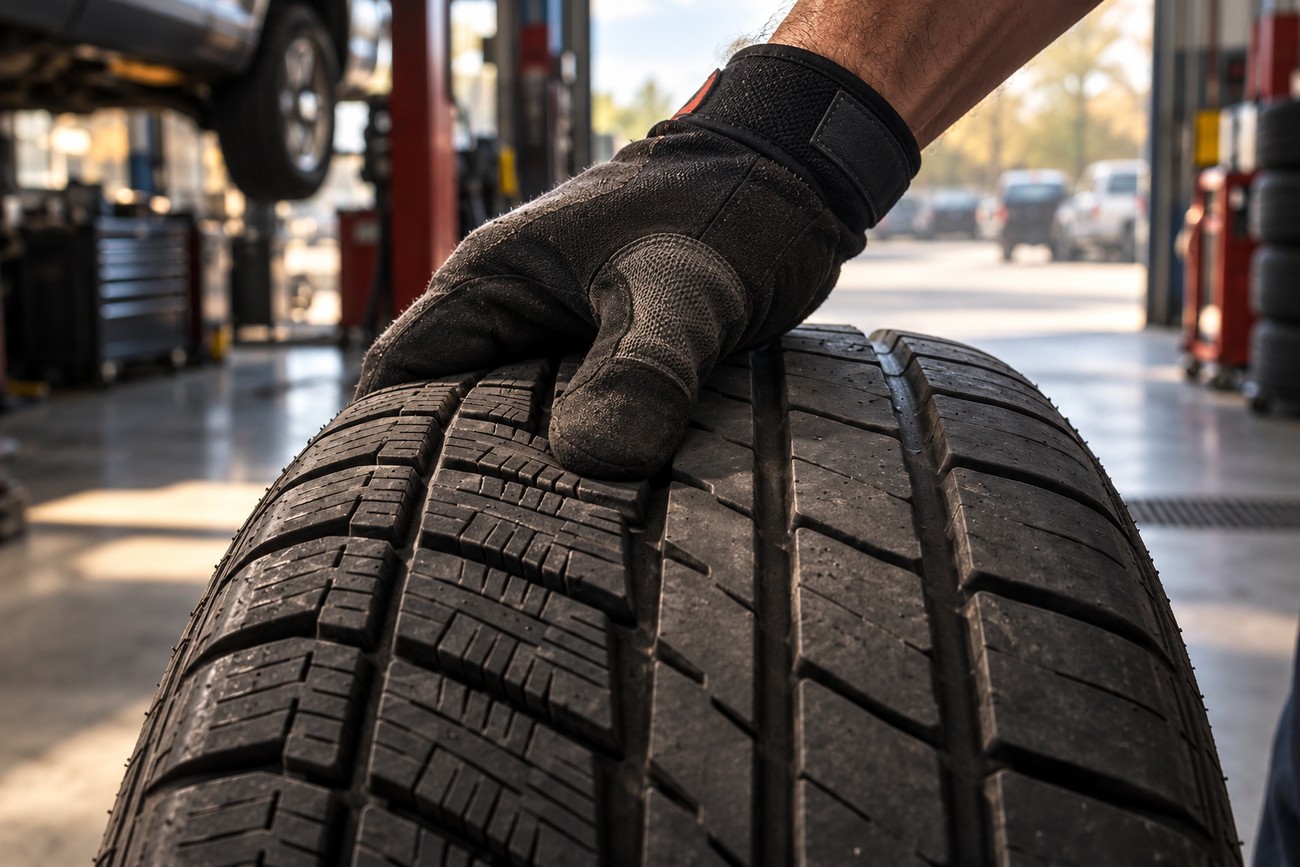
Every added slit divides a tread block further. If too many cuts weaken its support, the block can move more under braking and cornering. Drivers have reported less precise steering after siping; the mechanism is plausible, although an individual result depends on the tire, cut pattern, and road.
Better bite on ice does not guarantee shorter stops elsewhere. On dry or wet pavement, extra block movement may work against braking and steering response. A promise of improved grip on every surface overlooks those competing demands and the lack of model-specific testing for most modified tires.
More block motion may also contribute to uneven or faster wear, noise, and heat during sustained highway use. Reports of tires wearing quickly or becoming louder deserve attention, but they are not proof that every siped tire will do so. Gravel and heavily cut blocks can add another concern: pieces of tread may chip away.
Siping does not alter the tire’s printed speed rating. It does, however, change the tread whose behavior helped establish the original tire’s performance claims. Treat those claims as unverified for the modified version, particularly if your driving involves long, warm highway runs or repeated heavy loads.
Is Your Tire a Sensible Candidate?
Start with condition before considering a cutting pattern. Reject tires that are cracked, badly worn, or old and hardened; new slits cannot restore sound rubber or lost tread depth. Visible damage calls for inspection or replacement rather than an attempt to improve winter grip through cutting.
Next, rule out a summer tire being kept for winter use as a cost-saving workaround. If ice, packed snow, and cold roads are regular parts of your trip, a suitable purpose-built winter tire is the more dependable choice. Its sipes, compound, and tread were developed together.
Look closely at the tread you already have. A tire with intricate factory sipes may gain little from extra cutting, and new slits could interrupt its intended block support or drainage. An all-season or AT/MT tire with relatively plain blocks is a more reasonable subject for a discussion with a specialist, though suitability still depends on that specific model.
Finally, weigh your driving mix. Occasional low-speed travel on packed snow presents a different trade-off from frequent highway trips, higher-speed use, or long journeys in warmer weather. The latter put greater emphasis on block stability, wear, and heat; siping creates no new speed limit or guarantee of safety.
Before and After the Service: Questions Worth Asking
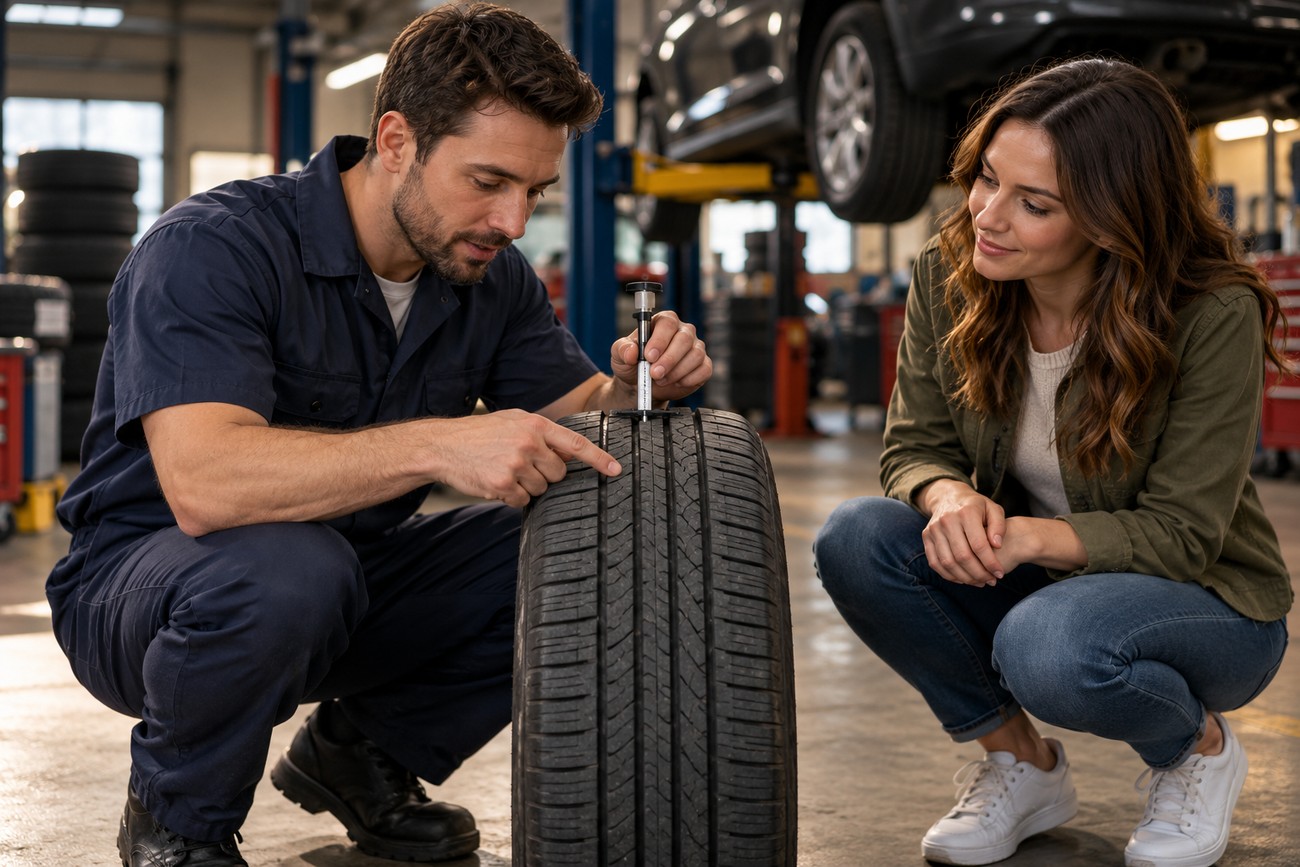
Before booking, ask the shop whether it has worked with your tire model and why it considers the tire eligible. Request an assessment of its age, damage, remaining tread, and existing sipes. A shop that offers the same pattern for every tire should explain how the proposed cuts suit yours.
Ask where the cuts will go, how their depth will be chosen relative to the remaining tread, and how the shoulders will be treated. Aggressive cuts through shoulder blocks can reduce their support in turns. A restrained central pattern may preserve more support in some cases, but it is no universal safety guarantee.
Check the manufacturer’s warranty terms before authorizing work, and ask the shop how it handles damage that appears afterward. Modification may affect coverage, while the tire’s original performance claims cannot automatically be assumed to apply. Keep the work order and a record of the tire’s condition.
Afterward, pay attention to steering feel, new noise or vibration, and the wear pattern during routine checks. If the car feels less stable, have the tires inspected rather than waiting for the next seasonal change. No shop can promise that an aftermarket-cut tire will retain its factory-tested behavior.
Frequently asked questions
The useful answers depend on the tire’s condition, the work performed, and local requirements. These points help separate a reason to seek inspection from a term that needs clarification.
What is the “7/7 rule” for winter tires?
No established winter-tire definition or numerical threshold for a “7/7 rule” is identified here. Ask whoever uses the phrase what each number means, then check the tire maker’s guidance and the rules that apply where you drive. Do not use an unexplained shorthand to decide whether a tire is fit for winter travel.
What should I do if tread blocks start chipping after siping?
Avoid continued normal driving and arrange a tire inspection promptly. Photograph the affected blocks, note when the damage appeared, and retain the siping work order. Those details help the shop assess the cause and support any discussion about service responsibility or warranty coverage.
What is one disadvantage of tire siping?
It can make steering feel less precise if the added cuts let tread blocks flex too much. The change may be most noticeable on dry pavement during braking or turns, and it will vary by tire. If steering changes after the service, have the tires checked rather than assuming the feel is harmless.
What is the 7’7 rule for winter tires?
The “7’7 rule” appears to be another unclear rendering of “7/7 rule,” not a winter-tire standard established here. Ask for the source and meaning of both figures before acting on the advice. For a real decision, use the tire maker’s instructions, the tire’s condition, and applicable local requirements.