A durable-looking wheel refresh is appealing, especially when the original finish is tired. Yet curb chips, winter corrosion, and the difficulty of repairing one damaged spot can change the calculation. Powder coating is a useful refinishing option, not a way to make a wheel immune to road use.
The powder itself matters, but the outcome depends just as much on the wheel’s condition, surface preparation, coating system, and cure. A smooth face can look convincing on collection day while an exposed edge or a thinly coated recess determines how the finish ages.
- What powder coating changes—and what it cannot fix
- How wheels are powder coated, step by step
- How long does the finish last in real driving?
- Where corrosion and peeling begin
- The finish trade-offs owners notice later
- How to choose a shop and care for the result
- Frequently asked questions
- How much does it cost to powder coat four wheels?
- What happens to tire-pressure sensors during powder coating?
- How long do powder-coated rims last?
- What are the downsides of powder coating?
What powder coating changes—and what it cannot fix
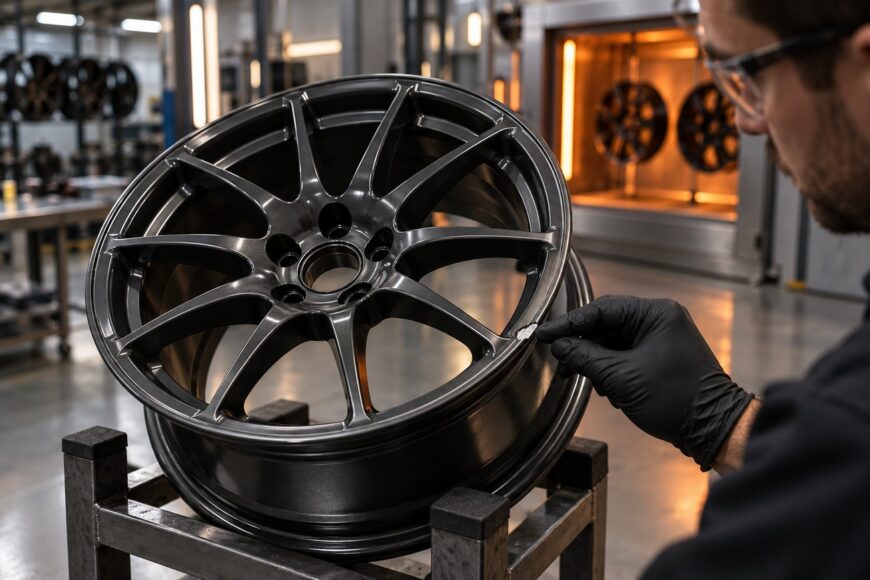
A shop applies electrically charged powder to a grounded wheel, then heats it so the particles flow and cure into a continuous thermoses finish. Polyester-based systems are commonly chosen for exterior exposure; the exact primer, color, and clear-coat combination depends on the desired result. A properly applied finish can resist routine washing and road grime better than a quick cosmetic touch-up.
That continuous layer has a limit: a stone or curb strike can chip it down to bare metal. Once moisture reaches the damaged area, corrosion may spread beneath an edge. The cured coating does not remelt for a seamless spot repair, so a small blemish can become a larger refinishing job.
Coating also cannot straighten a bent wheel or repair a crack. The wheel needs a structural and geometry check before its old finish is removed, particularly if it has been repaired before. Powder is not automatically superior to factory paint: a quality original finish may outlast a cheap or poorly applied powder system.
How wheels are powder coated, step by step
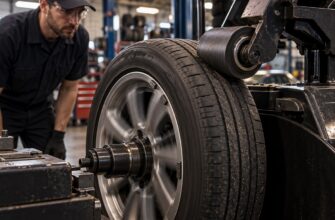
The shop first removes the tires and components that should not enter cleaning equipment or the oven, then checks the wheels for cracks and excessive runout. An unsound wheel needs assessment before cosmetic work continues. Old coating is stripped so the new system bonds to a known surface rather than to failing paint.
Controlled abrasive cleaning removes remaining contamination and gives the surface a suitable profile. Abrasive type and pressure matter: an overly aggressive blast can leave deep marks, while inadequate cleaning leaves weak spots. Where appropriate for the wheel material and coating system, chemical pretreatment and a compatible primer add protection beneath the visible color.
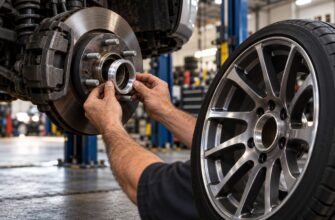
Before spraying, the shop masks critical mounting and fitment surfaces according to the wheel and vehicle requirements. It then applies the specified primer, color, or clear coats. An indicative thickness for one applied coat is 60–120 µm; the total thickness depends on how many layers the system requires. Excess buildup can soften fine details or interfere with areas that need a precise fit.
For many automotive powders, the indicative cure is 170–200 °C for 15–30 minutes, but the product specification governs, and the shop must verify the wheel’s temperature rather than rely only on the oven display. Correct curing is generally suitable for sound cast and forged wheels. Old, welded, or previously repaired wheels need case-specific assessment before they are heated.
How long does the finish last in real driving?
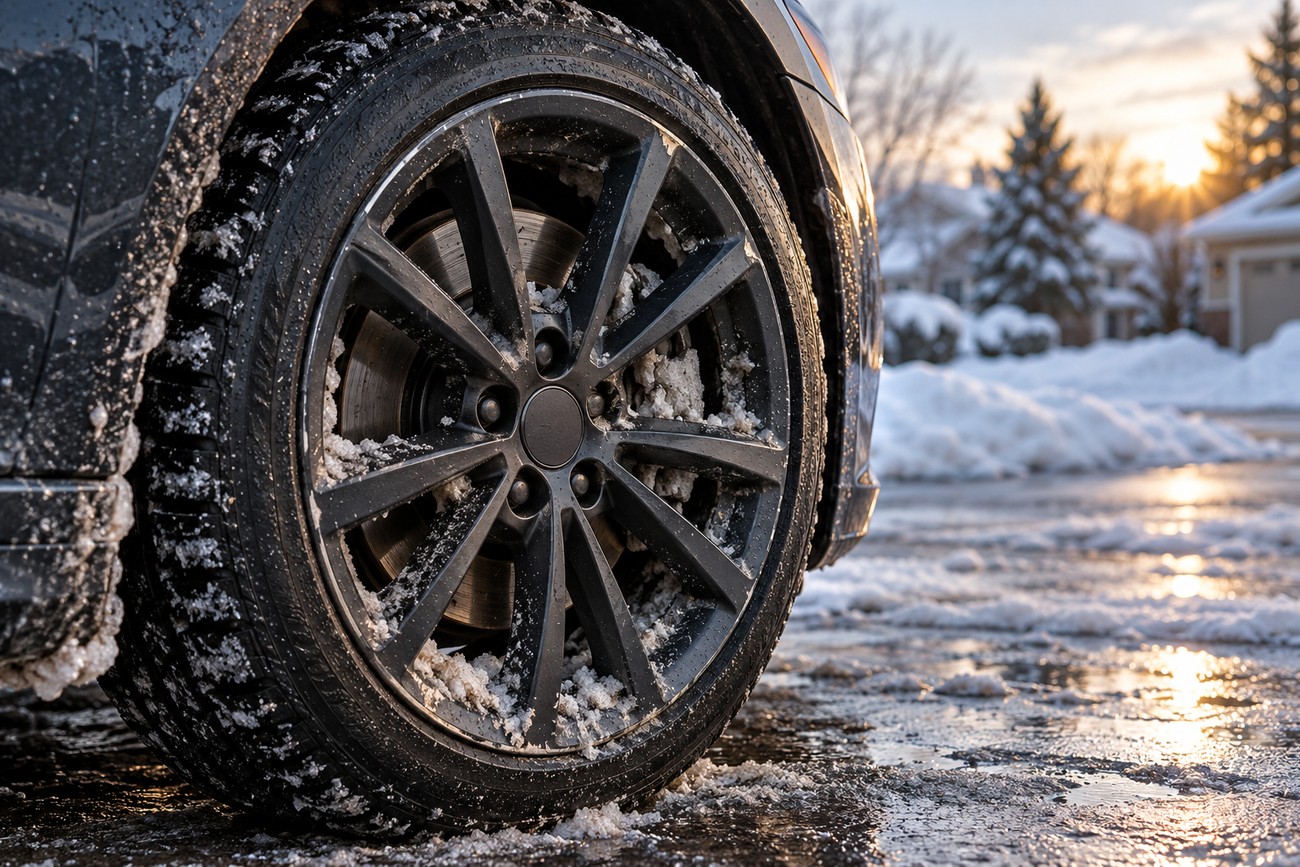
Under careful use, about 3–7 years without noticeable chips is a practical observation, not a warranty. With winter chemicals and impacts, noticeable wear can appear after 2–4 years. “Wear” may mean a duller gloss or a few visible chips; it does not necessarily mean the whole coating has failed.
Exposure varies even between wheels on the same vehicle. Salt and grime collect around recesses and the center opening, while frequent curb contact attacks outer edges. Prompt cleaning helps, but it cannot restore a finish after an impact breaks through to metal.
Some products are marketed with resistance claims of up to 10 years. Individual accounts from harsh-winter use describe fading or localized corrosion after 3–5 years; neither claim establishes a universal service life. ASTM B117 and ISO 9227 are laboratory corrosion-exposure tests, not conversions from salt-spray hours into years on the road.
Where corrosion and peeling begin
Damage often starts at an edge rather than across the open face of a wheel. Stones and curbs can fracture a hard coating, leaving bare metal exposed; corrosion can then work beneath the damaged boundary. The rim lip and center opening deserve attention during cleaning and inspection because chips and trapped grime are easy to miss there.
Peeling can also begin without an obvious impact. Residual old coating, contamination, unsuitable pretreatment, or a surface made too rough by blasting can compromise adhesion. A compatible primer can improve the system’s corrosion resistance, but it cannot promise complete protection against winter chemicals.
Grounding and wheel position during spraying affect coverage inside spoke recesses. A face that looks even can still have a thin patch in a sheltered area.
Ask the shop to inspect coverage at recesses and edges, not only across the front face. ASTM D3359 can assess coating adhesion on test specimens, but a test result cannot replace examination of the particular wheel and its vulnerable areas.
The finish trade-offs owners notice later
A cured thermoses powder coat does not soften back into place for an invisible touch-up. A chip can be covered cosmetically, but the patch may differ in color, texture, or gloss. For a consistent full-wheel result, recoating generally involves mechanically or chemically removing the existing finish first.
That removal adds work when you change colors or return to an original appearance, especially if a wheel already carries multiple layers. Delicate engraving, sharp edges, and narrow design features can also lose definition under a thick coating system. Agreeing on the intended finish before stripping avoids an expensive change of direction.
A RAL code or screen photo is a starting point, not proof of how a wheel will look outdoors. Metallic and pearlescent effects, clear-coat choice, and gloss can make the finished color read differently; some complex effects are better suited to liquid automotive paint. Ask to see a physical sample made with the proposed system. Orange peel and uneven gloss should be discussed as finish-quality issues, rather than accepted as unavoidable features of all powder coating.
How to choose a shop and care for the result
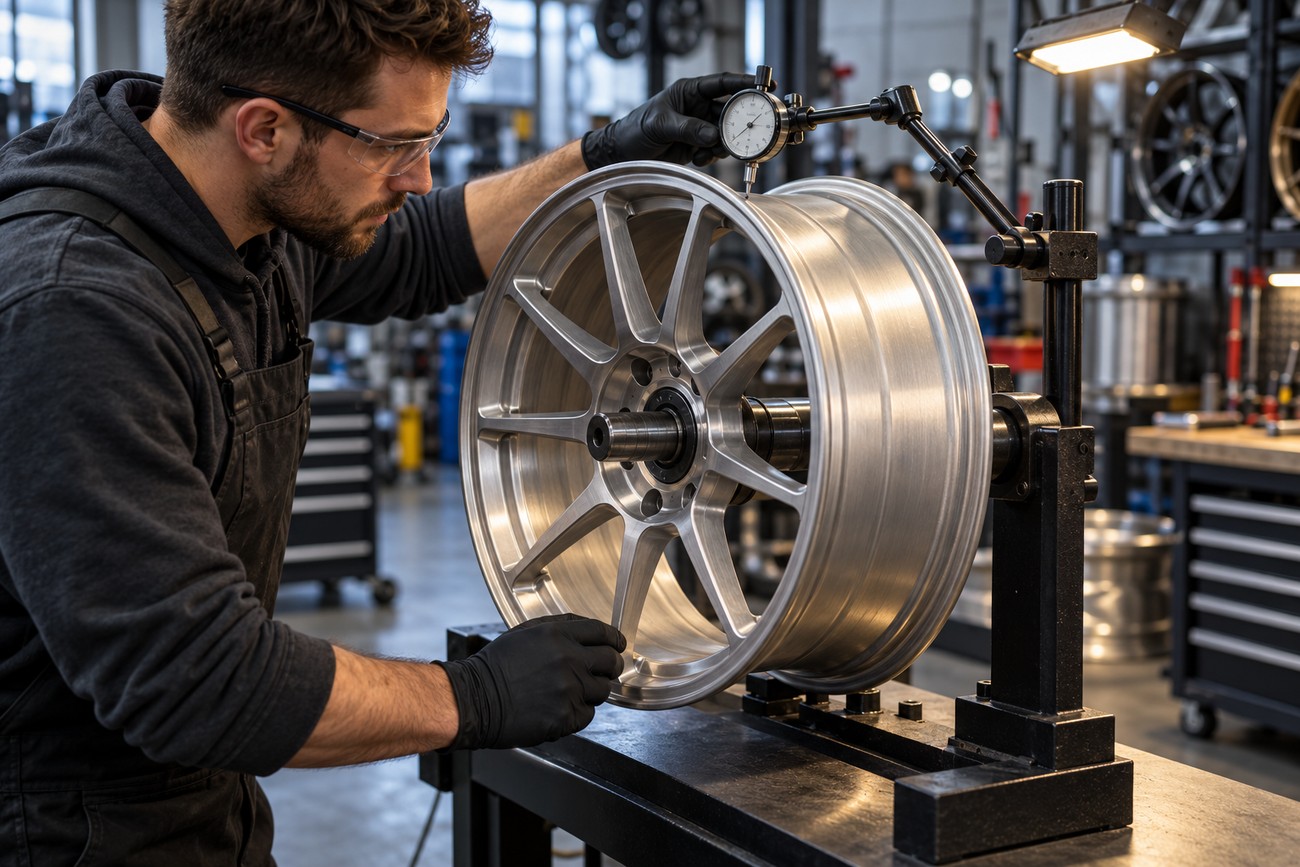
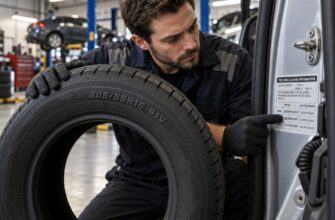
Ask whether the shop checks for cracks and runout before coating, and what happens if it finds a defect. A fresh finish can hide visible signs that would otherwise prompt inspection. Also ask how old coating is removed and how blasting is controlled for the wheel material.
Request an itemized description of pretreatment, primer, color, and any clear coat. Confirm that the selected powder is intended for exterior wheel exposure, and ask which mounting surfaces and openings will be masked. A shop familiar with wheels should be able to explain these choices more specifically than a shop offering only a generic metal-coating process.
Discuss how the shop verifies the cure required by its particular powder, including wheel temperature. For many automotive products, 170–200 °C for 15–30 minutes is an indicative range, not a setting to use regardless of the specification. Put the warranty’s coverage and exclusions in writing, including how the shop treats impact damage and corrosion starting at a chip.
After refitting, wash wheels with a mild product and rinse away grit before wiping. Avoid aggressive acidic or alkaline cleaners, and inspect chips before corrosion spreads beneath their edges. ASTM D3363 measures pencil hardness; it does not promise protection from curbs, sand, or wash brushes.
Frequently asked questions
The practical details of a coating job extend beyond the oven and the visible finish. Quotes, removable components, and the condition of the other wheels all affect the decision. Confirm these points before the tires come off.
How much does it cost to powder coat four wheels?
There is no reliable universal price for four wheels. Compare itemized quotes covering tire removal, stripping, any defect correction, pretreatment and primer, finish coats, and tire refitting and balancing. Ask whether a discovered crack or bent wheel stops the job and how additional work would be authorized. A lower coating-only quote may exclude much of the work needed for a durable result.
What happens to tire-pressure sensors during powder coating?
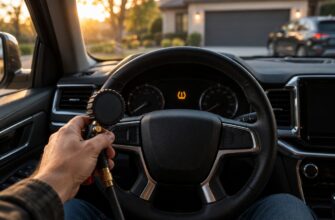
Tire-pressure sensors should be removed before abrasive cleaning and curing, rather than coated or heated with the wheel. Agree with the shop on who removes and reinstall them, and have their seals inspected during reassembly. Adhesive balancing weights also need to be removed before refinishing; the tires must be balanced again afterward.
How long do powder-coated rims last?
The useful life depends on whether you mean an intact coating or an appearance you still find acceptable. A small chip may be visible long before the rest of the finish needs replacing. Judge the wheels by edge condition, adhesion, and any corrosion spreading from damage, rather than by age alone.
What are the downsides of powder coating?
The main compromises are difficult color-matched spot repairs, extra stripping work if you later want a different finish, and limited fidelity for some intricate designs and effects. Coating also cannot make a damaged wheel structurally sound. If an exact match to untouched wheels matters, compare a physical sample with them before committing: one newly coated wheel may differ in shade or gloss, particularly with metallic finishes.