A new set of tires can bring an unfamiliar hum that fades on smooth asphalt and swells on a rougher road. The change may be ordinary rolling noise, but it can also expose uneven wear or a problem elsewhere on the car. Buying another set before checking the basics risks leaving the cause untouched.
Start with when the sound appeared and where you hear it. Road texture, speed, tread condition, and the car’s insulation all shape what reaches the cabin. Those clues can help you decide whether to inspect the tires you have or look for a quieter replacement, though sound alone rarely gives a certain diagnosis.
- Where tire noise comes from
- A new hum: tires, wheel bearings, or another fault?
- How to quiet the tires you already have
- How to choose quieter replacement tires
- What tire noise ratings leave out
- Why the same tire sounds different on another car or road
- Frequently asked questions
- What are the best tires for reducing road noise and improving comfort?
- How to tell the difference between tire noise and wheel bearing noise?
- How can I make my tires sound quieter?
- What are the common causes of tire noise?
Where tire noise comes from
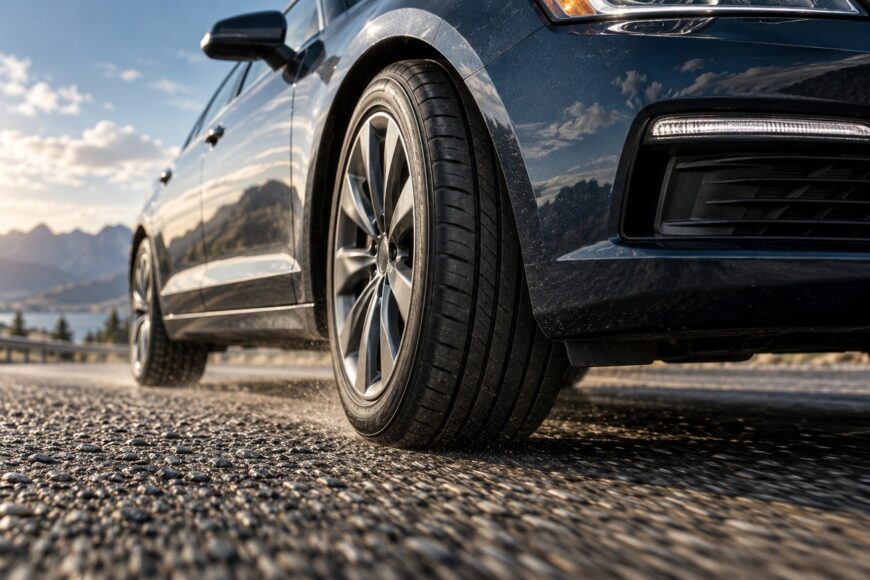
Tire noise mainly arises where the tread meets the road. As the tread meets and leaves the pavement, its blocks flex, and air moves through the grooves. Speed and coarse pavement increase rolling noise, which is why the same car can sound calm on one stretch of road and loud on the next.
Tread layout changes the character of the sound. A regular, repeating tread-block pitch can produce a distinct tone, while varied spacing can spread that sound across frequencies. Neither design detail tells you, on its own, how quiet a tire will be inside a particular car.
A broad rush that rises on rough pavement may be normal for the tire and road combination. A pronounced hum or howl that develops after months of use deserves a tread inspection: uneven wear can make an otherwise quiet model noisy. Cupped areas or sawtooth-like edges provide a more useful clue than the tire’s comfort label.
A new hum: tires, wheel bearings, or another fault?
Note whether the noise began after a tire change, a wheel rotation, or gradually during everyday use. A hum noticed around 60–90 km/h is a symptom people report, not a diagnostic speed range. Notice whether the sound varies between smooth and coarse pavement during normal driving; avoid making abrupt maneuvers to test it.
With the car safely parked, look over each tire for visible damage, cupping, and uneven tread edges. Tire noise often follows pavement texture or tread condition. Bearing noise may change as cornering shifts the load on a wheel, but neither pattern proves the source of the sound.
If the hum is sudden, severe, or accompanied by vibration or a change in handling, arrange a professional inspection promptly. A technician can check the tires alongside the wheel bearings and other components. That is safer than replacing tires on the strength of a sound comparison alone.
How to quiet the tires you already have
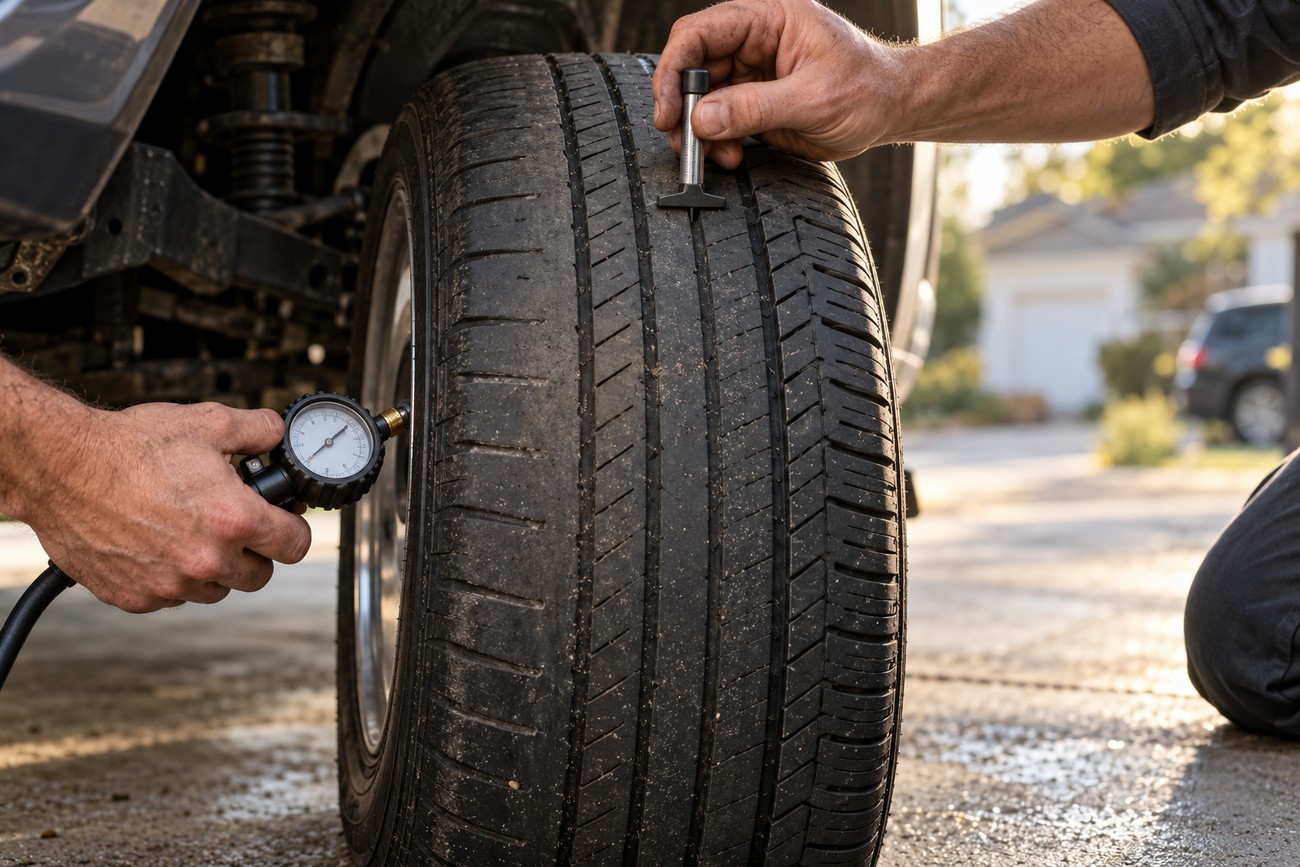
Check inflation when the tires are cold, using the pressure specified on the vehicle placard rather than the maximum printed on the sidewall. Low inflation can contribute to noise and wear, and uneven tread wear can make an otherwise quiet tire hum or howl. Recheck pressures periodically, especially if the sound followed a temperature change.
Inspect the tread across each tire, not only at its most visible edge. Uneven wear may point to an alignment or suspension issue that needs attention before new tires go on. Inflating above the vehicle recommendation is not a reliable noise fix and may affect how the tire contacts the road.
Rotation can change what you hear because the axles transmit sound differently, but it will not erase wear already formed in the tread. Follow the vehicle and tire guidance for rotation, including any limits imposed by tire direction or different front and rear sizes. If damage is visible or irregular wear keeps returning, have the cause assessed professionally.
Cabin insulation also matters: wheel arches and body panels can make a modest amount of road noise seem prominent. Added soundproofing is not a substitute for correcting tire damage or mechanical faults. Once the tires and car are sound, cabin acoustics may explain why a tire change made less difference than expected.
How to choose quieter replacement tires
Begin with a size and load rating approved for your vehicle, then compare tires suited to your climate and usual roads. Independent reviews are most useful when they cover the exact size you intend to buy and describe cabin noise on familiar surfaces. A general “quiet” or “comfort” description cannot account for every car and pavement.
Tread pattern offers clues rather than a verdict. Blocks with varied spacing can reduce a repeating tone, yet the whole tire construction affects the result. Pay attention to reviews that separate a low hum from the sharper sound heard on coarse asphalt; two tires can seem similar on smooth roads and quite different elsewhere.
Wider, lower-profile tires are often perceived as noisier on coarse pavement, although model, pressure, and road surface can outweigh that tendency. Choosing a different size solely for quietness may also change steering feel and ride quality. Stay within the vehicle’s approved fitments rather than assuming a taller sidewall will solve every noise complaint.
Price and brand are poor shortcuts: a premium tire is not automatically the quietest, and a comfort label is no guarantee. Keep tires on the same axle suitably matched; different models or markedly different wear can produce inconsistent sound and behavior. Give wet grip, seasonal needs, and wear performance weight alongside noise.
What tire noise ratings leave out
The EU exterior-noise label reports sound in dB under UNECE R117. It is useful for comparing the labeled results of suitable tires, but it measures exterior pass-by noise, not what occupants hear. Wheel-arch insulation, suspension, road texture, and tire size all influence cabin sound.
Small differences need perspective. A 1–3 dB gap may sound only slightly quieter in use, while 5 dB or more is often more noticeable. Perception depends on the car and conditions, so a claim built around a 1 dB difference is no promise of a quieter cabin.
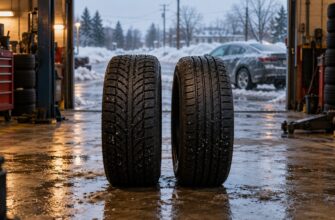
Noise is one part of tire performance. Tread and construction choices that reduce sound may involve trade-offs in wet or winter grip, wear, or steering response, although the balance varies by model. A winter tire that makes more noise on dry pavement may still be the better choice when snow traction matters.
Use the rating as a comparison point, then check evidence for the driving you actually do. A tire with a low exterior figure might still transmit an unwelcome tone through your car’s body. Safety-related performance should take priority over choosing the lowest number on the label.
Why the same tire sounds different on another car or road
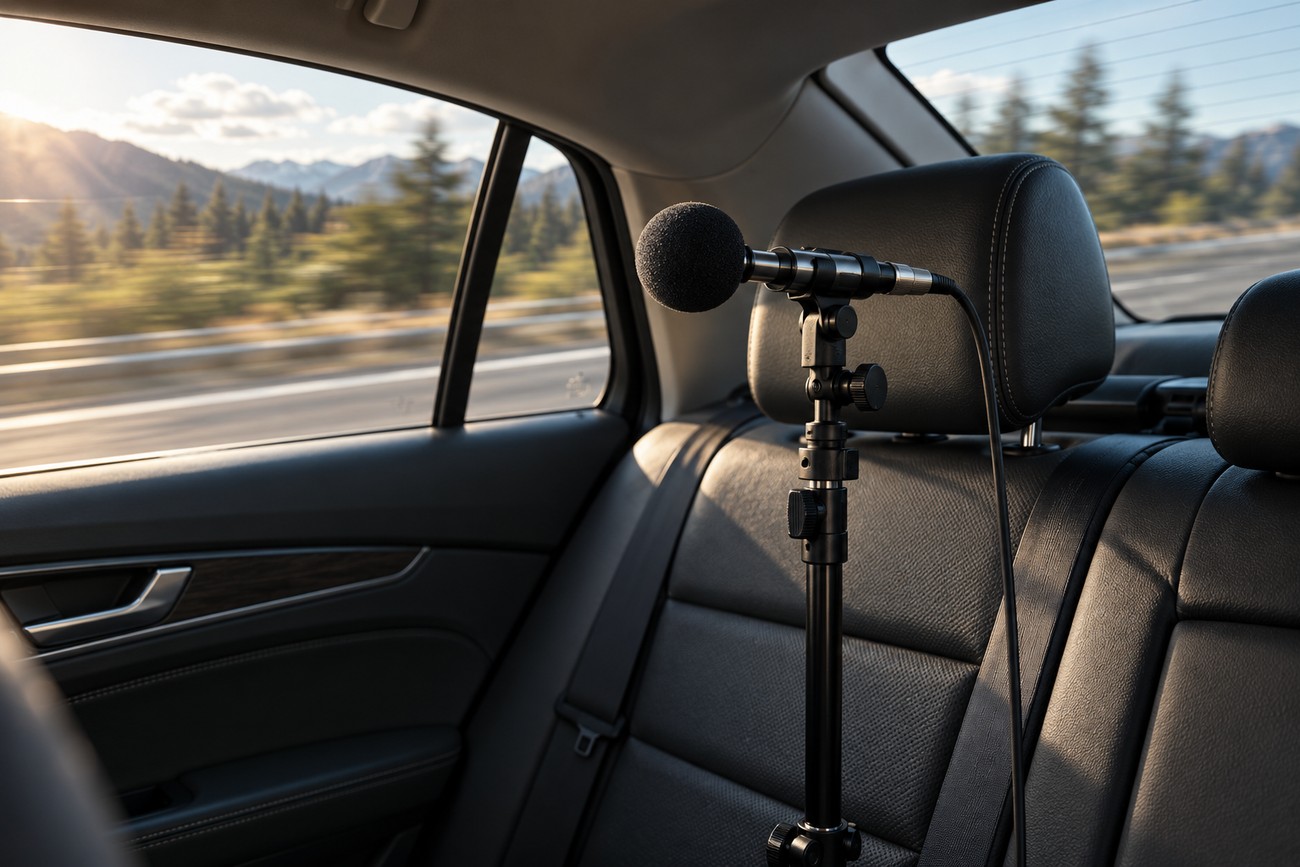
Road texture can change tire sound more than a small difference between tire models. Coarse pavement excites the tread differently from smooth asphalt, and the effect generally grows with speed. A review based on one road surface may therefore describe a result you rarely experience.
The car filters that sound before you hear it. Wheel arches, liners, body panels, and cabin insulation can emphasize or soften particular frequencies. Vehicle sound insulation can affect perceived cabin noise more than a small difference between tire models, which helps explain conflicting reports about the same tire.
Axle position plays a part as well. After a front-to-rear rotation, a familiar tire may become more noticeable because its load and its path into the cabin have changed. That shift is worth noting, but it does not by itself establish a fault.
In EVs and hybrids, tire noise can stand out at lower speeds when engine sound no longer masks it. A tire that seemed unobtrusive in another vehicle may be plainly audible without being defective. Quieter tire choices and the car’s acoustics work together; neither guarantees silence on every road.
Frequently asked questions
The answers below separate useful sound clues from conclusions that require an inspection. They also set realistic expectations for tires marketed as quiet.
What are the best tires for reducing road noise and improving comfort?
The best choice is a tire that performs well in your approved size on the roads you use most, while meeting your grip and seasonal needs. Look for independent assessments of both noise and ride comfort in that size. No model stays equally quiet on smooth pavement, coarse asphalt, and every vehicle.
How to tell the difference between tire noise and wheel bearing noise?
Tire noise often changes with pavement or uneven tread wear, while bearing noise may change as cornering alters wheel load. These are clues, not reliable tests on their own. If the source remains unclear, have both the tires and bearings checked rather than trying to confirm it through risky driving maneuvers.
How can I make my tires sound quieter?
Correct cold inflation to the vehicle placard and address any irregular wear or underlying alignment or suspension problem. A new tire may change sound as it wears in, but improvement attributed to break-in is inconsistent and model-dependent. Do not count on mileage alone to quiet a persistent howl.
What are the common causes of tire noise?
Normal tread contact with the road is the main source, especially at higher speeds or on coarse pavement. Tread design, low inflation, and uneven wear can add a stronger hum or tone. A sudden or severe change warrants an inspection because a sound heard near a wheel need not come from the tire.