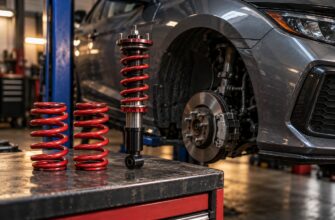
A lighter car can feel more alert under braking, through a corner, and when you accelerate out of it. Reducing mass also improves its power-to-weight ratio without asking more from the engine. Those gains appeal to owners who use the same car for commuting and occasional track days.
The trade-offs become clear when a stripped daily driver drones on the highway, takes effort to climb into, or fogs its windshield in cold weather. The useful question is where the weight comes off and what the car must still do. A measured, reversible change often serves you better than the largest weight-saving figure on a parts listing.
- Why Where You Remove Weight Matters
- Start With Reversible, Low-Cost Weight Savings
- Lighter Wheels Can Improve Response Without Adding Power
- Seats and Batteries: Useful Savings With Daily-Use Costs
- When Interior Stripping Makes the Car Worse
- Build a Weight-Reduction Plan You Can Verify
- Frequently asked questions
- What are the easiest mods to increase horsepower?
- What mods can I do to increase MPG?
- What is the most effective way to reduce car weight?
- What are the best performance car mods?
Why Where You Remove Weight Matters
With less mass to move, the same engine has less work to do, improving the car’s power-to-weight ratio. Weight reduction does not add engine horsepower, and there is no universal performance gain per kilogram. Traction, tires, vehicle setup, and test conditions all affect the result.
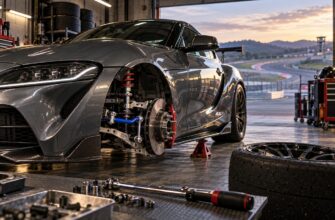
Weight in the body is sprung mass; wheels, tires, and some suspension components contribute to unstrung mass. Wheels and other rotating parts also require energy to spin up. Reducing mass in these places can change how the car responds, though a fixed multiplier comparing it with body weight is misleading.
Position matters as much as the total on a scale. Removing weight high in the body may reduce roll, while taking it from one end changes axle balance. In a rear-wheel-drive car, removing weight over the rear axle can even reduce launch traction, offsetting some of the expected acceleration benefit.
Assess each proposed change against the behavior you want to improve. A lighter roof panel and a lighter trunk load might show similar savings on a scale yet affect cornering and traction differently. Neither tells you much about the result until the car is driven on suitable tires under comparable conditions.
Start With Reversible, Low-Cost Weight Savings
Empty the trunk and cabin before buying lightweight parts. Unused tools, removable accessories, and equipment carried out of habit are straightforward candidates. Enthusiasts report that the first 30–40 kg may be relatively cheap to remove, depending on the vehicle and what it carries; that figure is an opportunity, not a target for every car.
A spare wheel and jack can account for useful mass, but removing them changes how you handle a roadside breakdown. Check whether the car has a workable repair provision and whether it suits your routes before leaving the spare at home. A repair kit cannot solve every type of tire damage, particularly when the tire cannot hold air.
More involved examples sometimes combine removal of the rear seat, some sound insulation, the spare, and the jack. Removing about 45–50 kg this way has been associated with an illustrative 0.1–0.2-second improvement in 0–100 km/h. Neither the mass saving nor the acceleration change is a universal promise, and those parts must not be counted again as separate gains.
Test a reversible change on normal journeys before pulling out bonded insulation or trim. You may discover that the rear seat gets used, or that the spare matters more than a small change in acceleration. Reinstalling a removable item is simpler than restoring a stripped interior when the noise becomes tiring.
Lighter Wheels Can Improve Response Without Adding Power
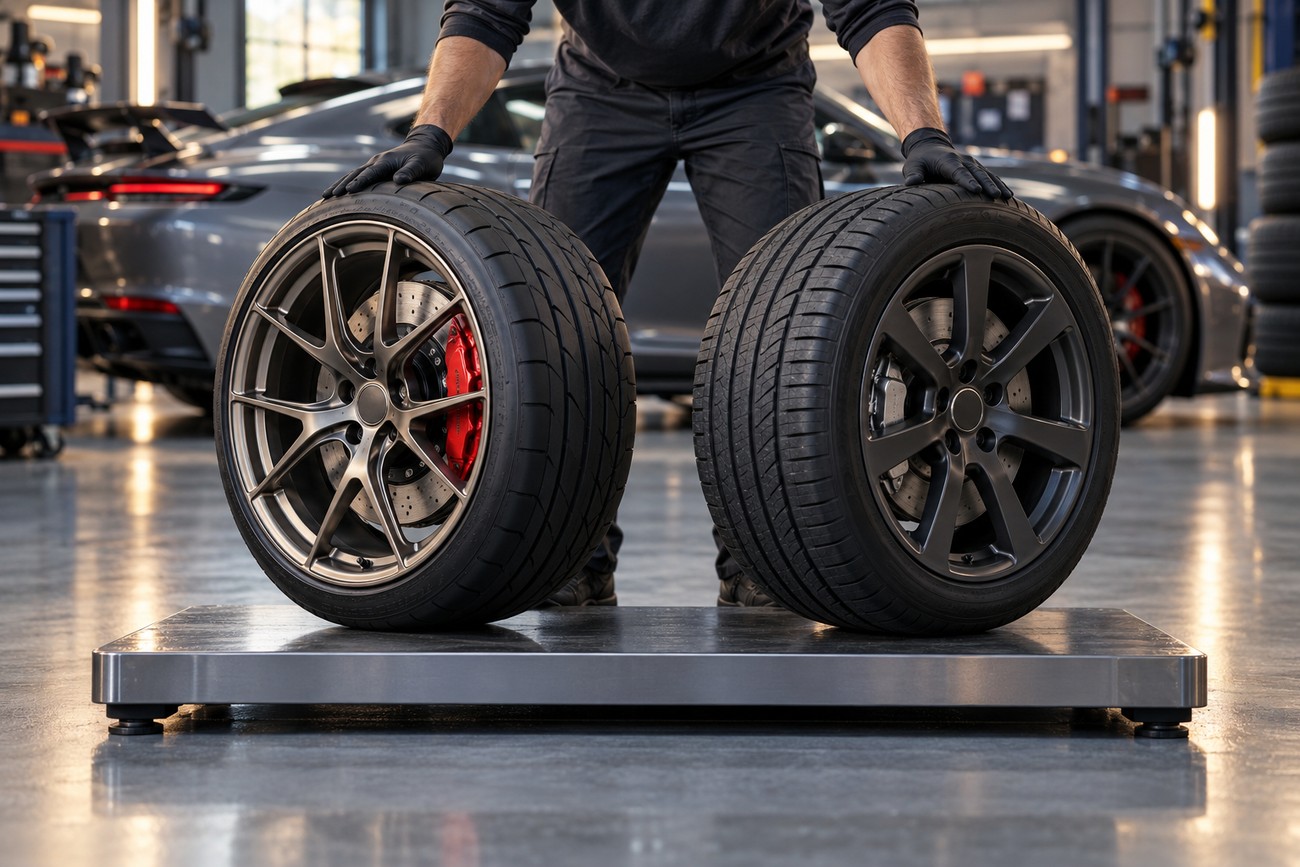
Wheels and tires move with the suspension and rotate as the car accelerates. Reducing their mass can help the suspension follow uneven pavement and make steering response feel more immediate. A forged-wheel and lighter-tire combination may save roughly 1–2 kg per corner, depending on the parts replaced; it does not increase engine output.
Compare complete wheel-and-tire assemblies rather than wheel weights alone. A light wheel paired with a heavier tire may erase the intended saving, while a different tire compound can change grip more than the weight change does. Choose tire behavior for the roads and weather you actually drive.
Strength, load rating, and fitment belong in the buying decision. A wheel must suit the vehicle and its loads, not merely look light on a specification sheet. Check the intended use and relevant approvals, particularly if rough roads or track sessions are part of the plan.
Keep an eye on width, profile, and offset when assessing a new setup. Those changes can affect steering feel and contribute to tramlining, where the car follows grooves in the road. If it becomes nervous after a wheel swap, inspect the tires, fitment, and alignment before treating lower mass as an automatic handling improvement.
Seats and Batteries: Useful Savings With Daily-Use Costs
Replacing a pair of factory seats with fixed-back seats can save about 15–25 kg, depending on the seats and mounts. The saving is attractive, especially if the originals have heavy adjustment mechanisms. A fixed-back seat may also make entry and exit awkward enough to matter on every short trip.
Check the entire installation before ordering: mounts, seating position, belt arrangement, and any systems connected to the original seats. A seat or mounting kit intended for competition may lack approval for road use where you live. Changes to restraints deserve particular care, because a seat that fits the cabin still has to work safely with the car’s occupant-protection system.
A LiFePO₄ battery may save roughly 8–15 kg versus a lead-acid unit. Some manufacturers claim up to 25 kg, though that may overstate the saving for many passenger cars. Compare the actual batteries being exchanged and confirm that the replacement suits the vehicle’s charging system.
Capacity matters more than the weight on a daily driver that sits between trips. An alarm or other parasitic load can drain a small-capacity battery, and cold-start needs may make a track-oriented choice frustrating in regular use. Check the battery’s specifications against your climate and parking pattern before trading dependable starts for a lighter component.
When Interior Stripping Makes the Car Worse
Removing sound insulation can cut mass, yet the cost is heard on every drive. Road and drivetrain noise, vibration, and heat become harder to ignore over a long commute. Fatigue can also erode concentration, so a car that feels exciting on a brief test may be less pleasant to drive well for an hour.
Removing air-conditioning and parts of the HVAC system may save about 8–20 kg, depending on what comes out. It can also compromise cabin comfort and effective windshield demisting. Clear glass is a visibility requirement in rain and cold weather, making this a particularly poor compromise for many road cars.
Draw a firm line around airbags, belts, pretensioners, and structural protection. Removing them can compromise crash safety and may breach local roadworthiness requirements; insurance and inspection implications depend on jurisdiction and vehicle use. A weight-saving plan should preserve the protection needed for the car’s intended use.
Permanent cuts, missing trim, and a visibly dismantled cabin can narrow the pool of future buyers. Even if you accept the noise, someone inspecting the car later may worry about what else was changed. Keep original parts where practical, and consider resale before treating the interior as disposable.
Build a Weight-Reduction Plan You Can Verify
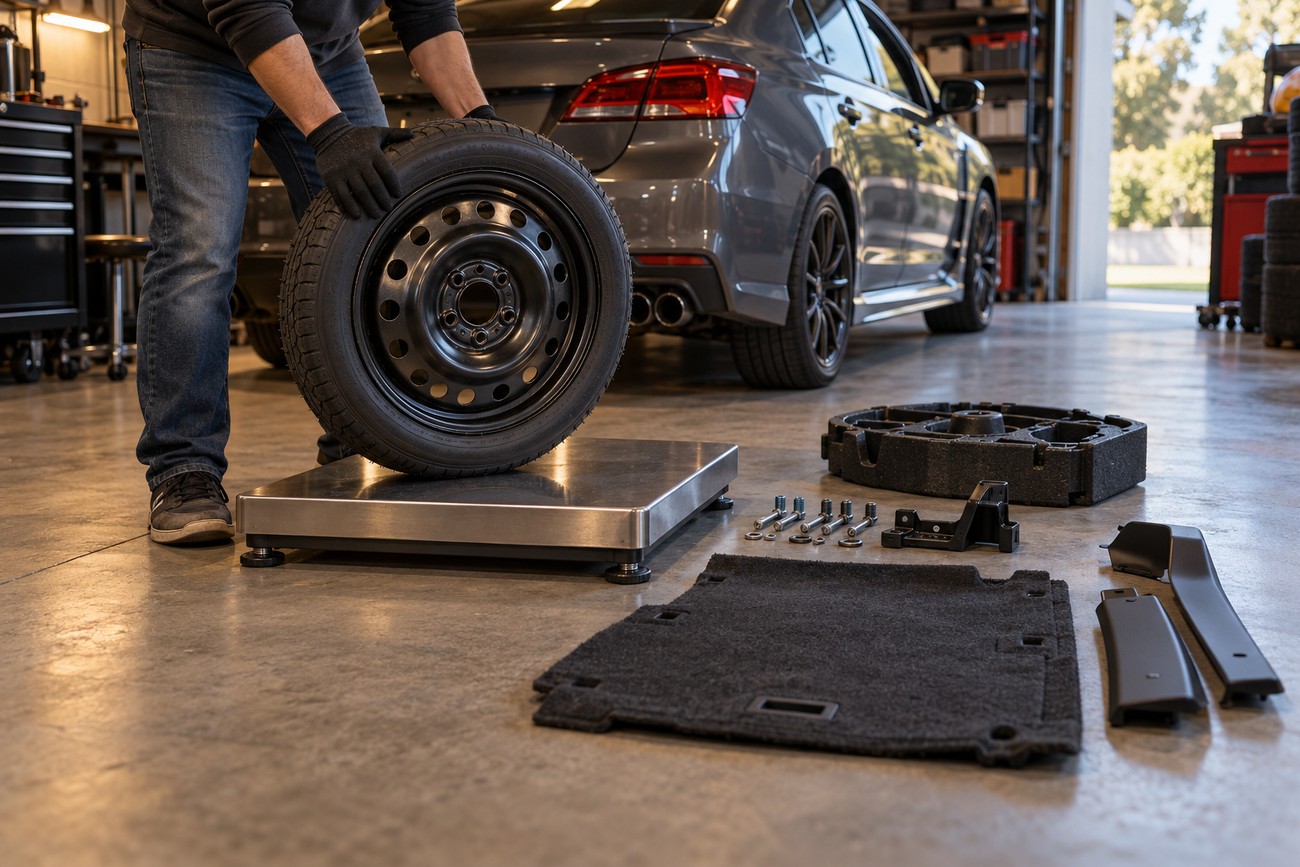
Decide whether the car’s priority is daily travel, track use, or a workable mix of both. Then weigh it in a consistent condition, with a known fuel level and the equipment you normally carry. Weigh candidate parts and their replacements as complete installations, including mounts, so advertised savings do not become assumed savings.
Start with removable changes and record what came off. This avoids counting the spare once as a low-cost saving and again as part of an interior-strip total. It also lets you restore a feature if a normal commute reveals a cost you had underestimated.
After a substantial weight change, check ride height and alignment before judging the handling. An unchanged setup can hide a benefit or introduce a problem of its own.
Reassess tires and brakes as the car changes. A quicker-feeling car is not proof of a faster or safer one, particularly if the new tire setup has less predictable grip or repeated hard stops expose brake fade. Compare acceleration and handling under similar conditions, rather than relying on one drive.
Leave cutting and welding until the likely benefit justifies the loss of reversibility. Changes that alter axle balance or suspension operating conditions may need further setup work, while permanent interior and body changes can reduce everyday usability and resale appeal. The best result is a car you can measure, control, and still live with.
Frequently asked questions
Weight reduction is one way to change how a car performs, but it does not replace engine tuning or other modifications. Fuel economy and daily usability also depend on how the car is driven and equipped. These questions separate those goals so you can judge each change on its own merits.
What are the easiest mods to increase horsepower?
Weight reduction cannot increase measured engine horsepower. If the aim is more engine output, start by confirming the engine is healthy and performing as intended; then assess vehicle-specific, road-legal tuning options with credible before-and-after measurements. An advertised gain is less useful if it sacrifices reliability, emissions compliance, or drivability.
What mods can I do to increase MPG?
For better fuel economy, begin with correct tire pressures, suitable tires, maintenance, and removing cargo you routinely carry without using. Lower mass can reduce the energy needed to accelerate, but savings on a steady-speed journey may be modest. Track fuel use over comparable routes and driving conditions before crediting a modification.
What is the most effective way to reduce car weight?
The most effective first step for a road car is to weigh and remove equipment you do not need while keeping essential safety and roadside provisions. For larger savings, compare the installed weight of replacement parts with the originals and weigh the loss of comfort or function. The lightest possible car is rarely the most useful daily driver.
What are the best performance car mods?
Start with tires suited to your conditions, sound brakes, and a suspension setup that keeps the car predictable. A lighter wheel-and-tire package can complement those basics, while a lighter flywheel can sharpen engine response without adding horsepower. The flywheel may also make pulling away and stop-and-go driving less forgiving, so choose modifications around how you actually use the car.