Fitting tire chains or snow socks at a snowy roadside is harder than fitting them at home. Passing traffic limits where you can stand, while cold hands, packed snow, and a cramped wheel arch make even familiar fasteners awkward. The safest time to prepare is before the road becomes difficult.
The choice depends on more than which device promises the most grip. You need enough wheel clearance, a set you can fit correctly, and a device accepted under any rules on your route. Chains and snow socks are temporary traction aids, not substitutes for suitable winter tires; neither gives you unlimited ability to steer or stop.
- Chains or snow socks: match the aid to the emergency
- Tire chains vs snow socks: an emergency decision table
- Check your car and the road rules before buying
- What makes an emergency set worth carrying?
- Fit them before the difficult stretch, not in the middle of it
- Drive slowly—and remove them when the surface clears
- The failures that turn a short rescue into a repair bill
- Frequently asked questions
- What should I do if a chain breaks while I am driving?
- What if there is nowhere safe to stop and install traction aids?
- How fast can you drive with tire socks on?
- What are the best emergency tire chains?
Chains or snow socks: match the aid to the emergency
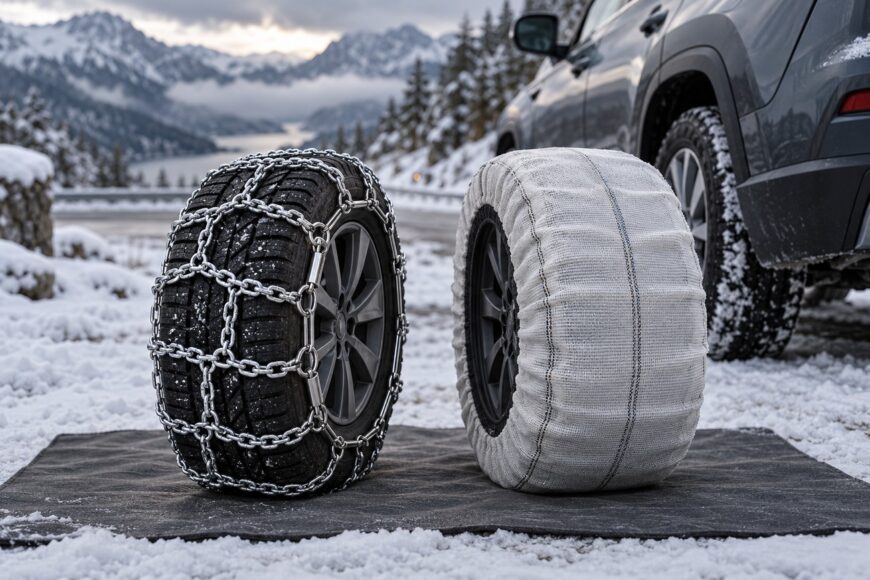
Metal chains generally provide stronger traction on packed snow and ice than snow socks; actual results depend on the product and surface. That extra grip can help a vehicle pull away or climb a slippery stretch, though it still needs gentle steering and ample room to brake. Chains also make more noise and require careful fitting and tension checks.
Snow socks may be simpler to pull over a tire and are usually quieter. Their performance varies more with conditions: deep loose snow, crust, and wet snow buildup can limit effectiveness. An abrasive, mostly cleared road can wear the fabric quickly, even if snowy patches remain ahead.
Neither aid makes a slippery road predictable. Grip can change between a sheltered bend, an icy bridge, and a cleared intersection, so leave space to respond before you reach each change in surface. Suitable winter tires remain the foundation because the emergency aid will eventually have to come off.
Tire chains vs snow socks: an emergency decision table
Use this comparison only after checking your vehicle instructions and the rules for your route.
| Decision point | Metal chains | Snow socks |
|---|---|---|
| Packed snow and ice | Generally provide stronger traction, depending on the chain and surface. | Can add grip, but generally provide less traction than metal chains in these conditions. |
| Variable snow | Grip varies with the surface; remove them when the required snow- or ice-covered stretch ends. | Deep loose snow, crust, or wet snow buildup can reduce effectiveness. |
| Fitting and clearance | Fasteners and links can be difficult to reach in a tight wheel arch; use only an approved design. | May be easier to handle, but still need an approved size and adequate clearance. |
| Wear | Bare pavement accelerates wear and may damage the chains, tires, or vehicle. | Abrasive cleared roads can wear the fabric quickly; remove them when the difficult stretch ends. |
| Chain-control acceptance | Check the applicable rules and any device requirements. | Some certified socks are accepted as alternatives; acceptance depends on the jurisdiction, sign, and applicable certification. |
Check your car and the road rules before buying
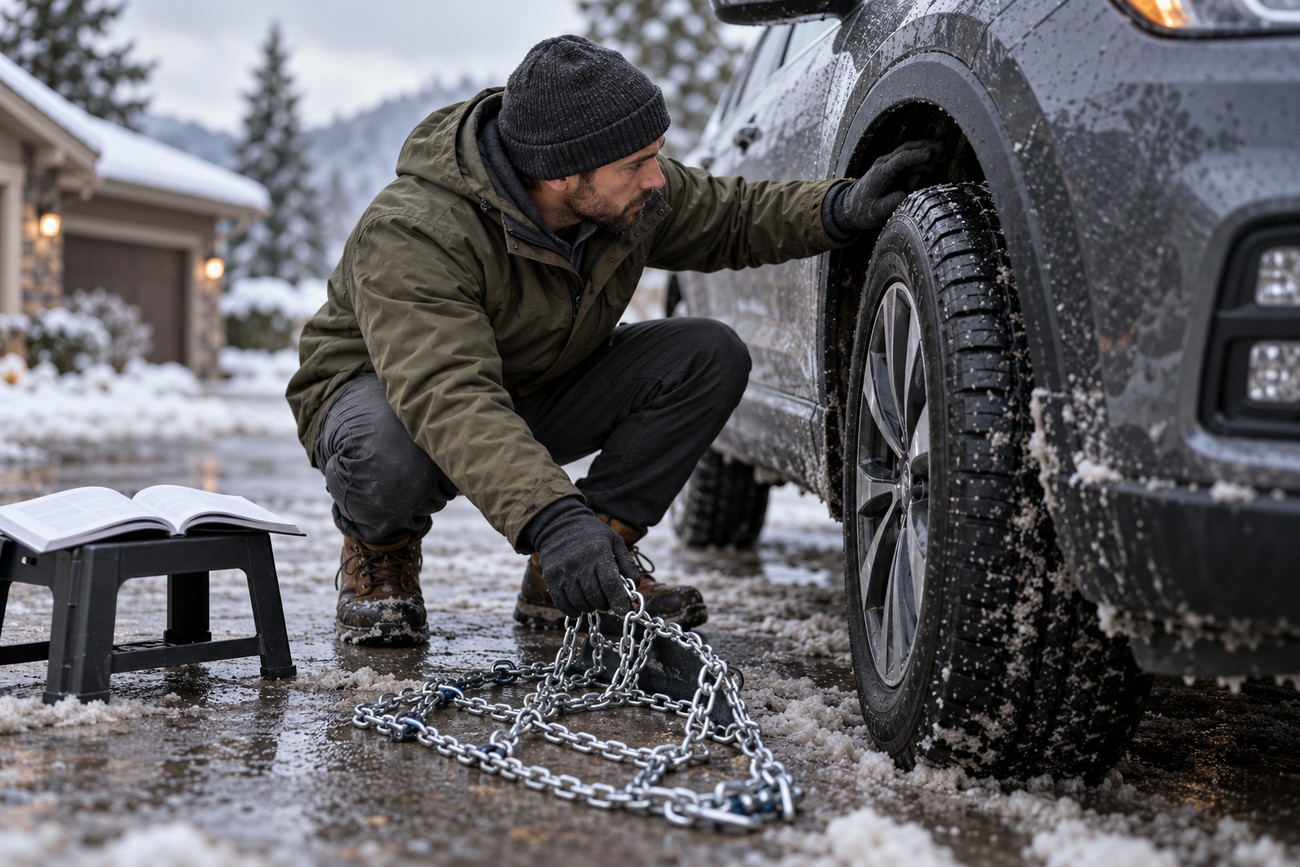
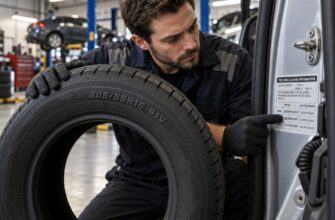
Start with the vehicle manual, using the tire size actually fitted to your car. It governs approved traction devices, tire sizes, axle placement, and clearance. A seller’s size chart can help identify a candidate set, but a match on tire dimensions alone does not mean it is safe for the vehicle.
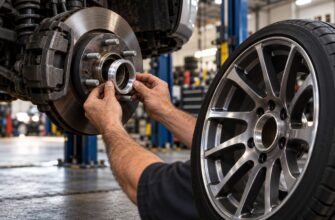
Look closely at restrictions for the wheel arch and the space behind the tire. A chain that fits around the tread may still reach a brake hose, an ABS component, or another part as the wheel turns. Some all-wheel-drive vehicles require a specific fitting arrangement, while some vehicles prohibit conventional chains; do not improvise around those limits.
Check the rules for the roads you intend to use, particularly if a chain-control sign is likely. Some certified snow socks are accepted as chain alternatives, but that depends on the jurisdiction, sign, and applicable certification. A certification claim on the package is not, by itself, permission to pass every chain-control point.
Chains should generally be used only on snow- or ice-covered roads, although local rules vary. Knowing where a requirement begins and ends helps you plan a safe place to fit and remove the devices, rather than driving on bare pavement to reach a more convenient stop.
What makes an emergency set worth carrying?
Choose from the devices your vehicle manual permits, then verify the set against your exact tire size and the maker’s fit instructions. Check that you can reach its fastening points within the available wheel clearance. A compact package offers little benefit if its inner connector is inaccessible once the wheel is on the car.
Inspect how the set closes and tightens. Secure hooks, straps, or other fasteners matter because a broken small part can make a chain set unusable, and loose hardware may strike the vehicle. Clear instructions, identifiable left and right components where applicable, and available replacement parts make a roadside repair or refit less uncertain.
Metal chains generally offer stronger traction on packed snow and ice; a compatible sock may be easier to handle. Neither design is effortless for every driver or vehicle. Keep fitting gloves and a kneeling mat with the set, plus a container or bag that separates dirty equipment from luggage after use.
Fit them before the difficult stretch, not in the middle of it
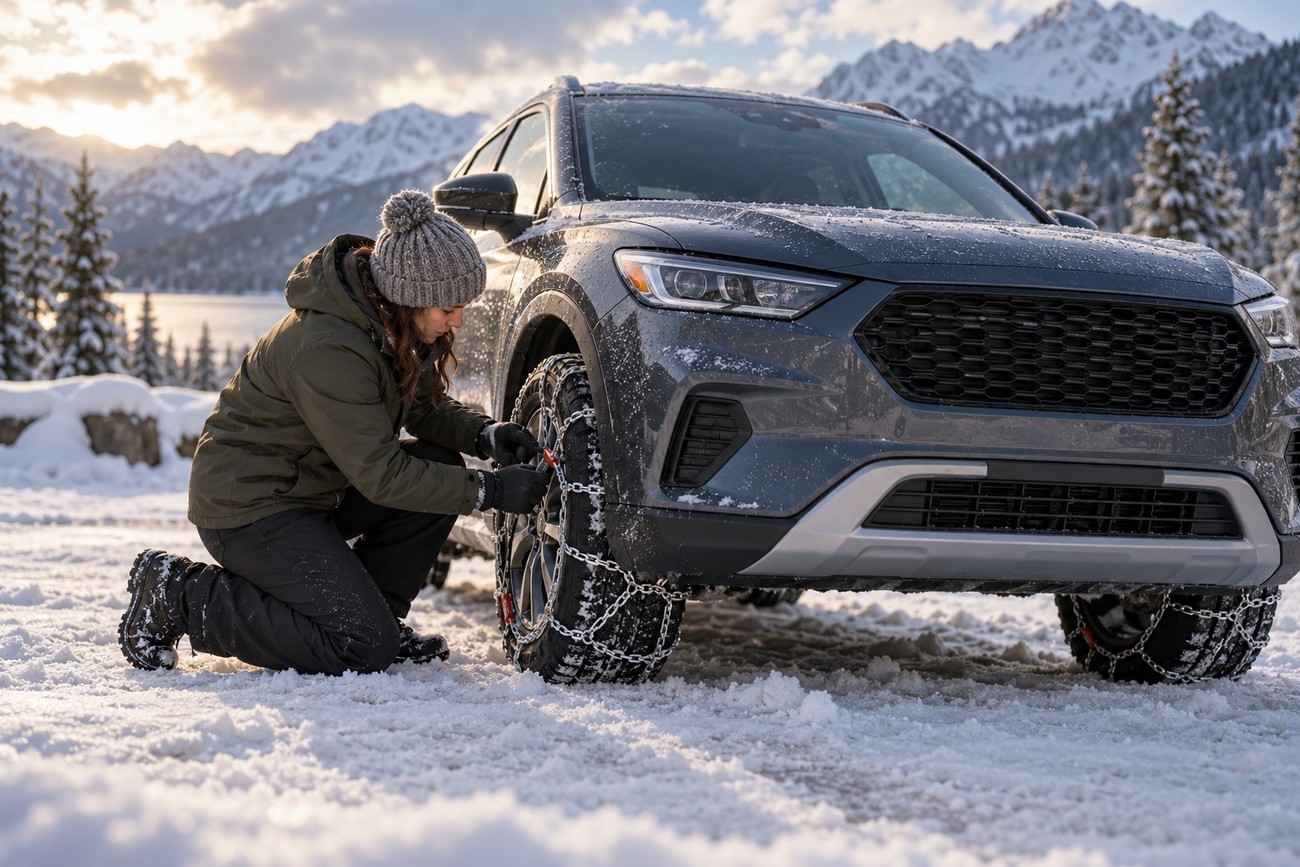
Find a safe, level stopping place before traction becomes poor, away from moving traffic. Secure the vehicle as its instructions require and keep yourself out of the traffic lane. If there is no safe place to work, do not attempt to fit a device beside passing vehicles.
Follow the vehicle and product instructions for wheel position and fitting sequence. Fit matched devices as a pair across an axle approved by the vehicle manufacturer; never fit one side only. Check that fasteners are secure and that no part can contact the wheel arch or nearby components.
A daylight test fit can reveal an inner fastener you cannot reach with the wheel on the car. Discovering that at home leaves time to choose a compatible set before darkness, gloves, and roadside snow make access worse.
After fitting chains, drive the short initial distance specified by their instructions, then stop somewhere safe to check and adjust tension. Chains can settle and loosen once the wheel turns. If a device cannot be fitted securely within the stated clearance, remove it and make another travel plan rather than forcing it into place.
Drive slowly—and remove them when the surface clears
Accelerate gently, steer smoothly, and begin braking earlier than you would on a clear road. Tire chains can change braking behavior, and neither chains nor socks ensure a short stop on ice. ABS and stability control can manage the grip available; they cannot create traction where grip is absent.
Typical manufacturer-stated chain maximums are 30–50 km/h. Some snow-sock instructions state maximums of 50–80 km/h, but a cautious practical ceiling is about 40–50 km/h when the product limit and conditions allow. In every case, obey the exact product limit and any lower road limit or posted requirement; poor visibility or grip may call for less speed still.
Listen for slapping or an unexpected change in vibration. Stop safely and inspect the fit rather than trying to drive through the noise. A loose chain can strike the wheel area, while a displaced sock may no longer cover the tread properly.
Remove traction aids when the required snow- or ice-covered stretch ends. Bare pavement accelerates wear and may damage the aid, tire, or vehicle, while chain-use rules vary by jurisdiction. Plan the removal stop with the same care as the fitting stop.
The failures that turn a short rescue into a repair bill
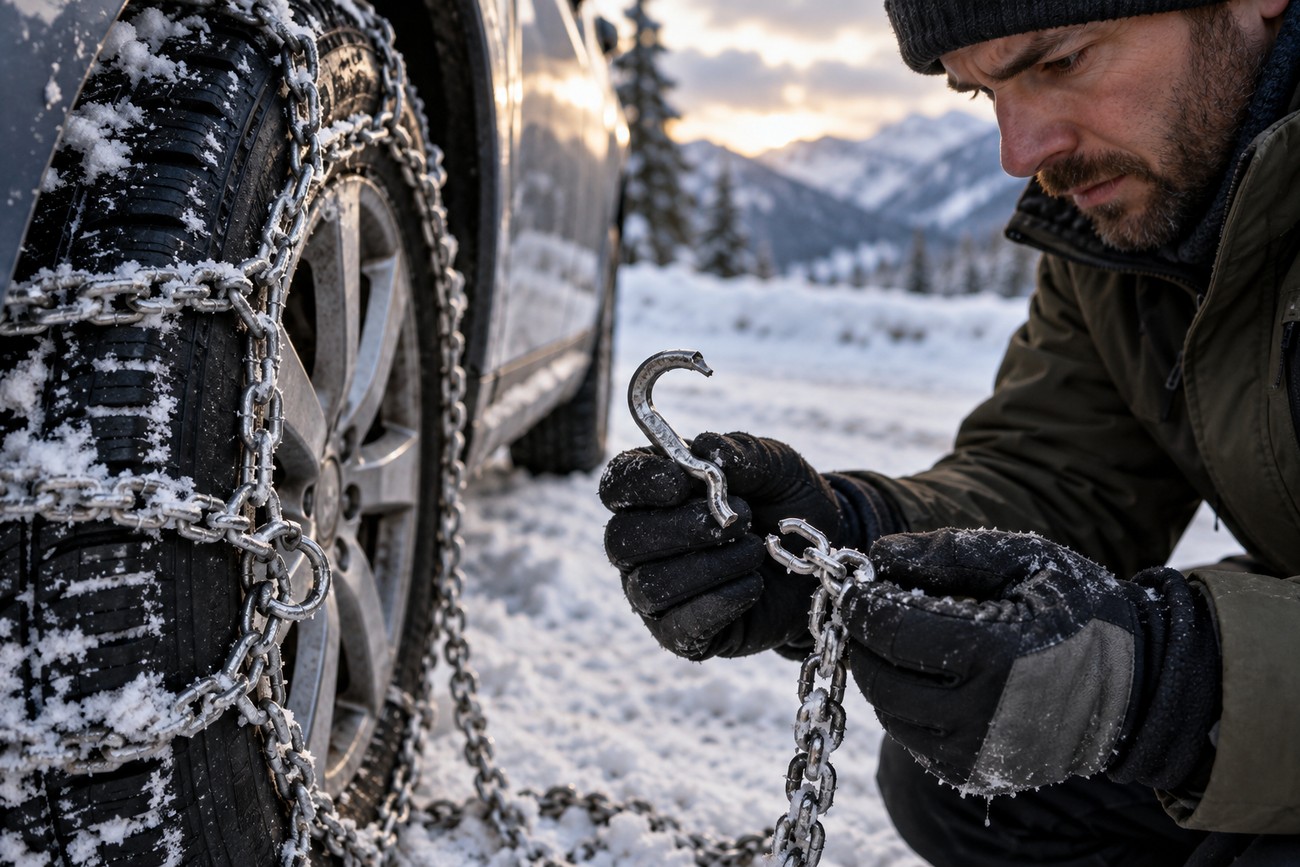
A loose chain or failed hook can strike the wheel area and leave the set unusable. If you find bent fasteners, broken links, or torn attachment points, take the set out of service until it can be repaired or replaced as the maker permits. Repeated noise after a tension check is a reason to stop and inspect, not to keep going.
Snow socks can collect wet snow, which may reduce their effectiveness, and abrasive cleared roads can wear the fabric. Deep loose snow and crust can also limit performance. Check their condition at a safe stop if grip changes or the material appears displaced; do not assume a sock will remain effective for a fixed number of trips or seasons.
After use, inspect either device for damage and clean it as the maker directs. Let chains dry before storage to limit corrosion, and dry wet socks fully before packing them away for the season. Keeping dirty gear separate on the trip home is sensible; sealing damp fabric in a bag for months can leave it degraded when you next need it.
Frequently asked questions
These answers cover device failure, safe stopping, speed, and choosing a set. Follow your product instructions and the rules for your route. If you cannot fit or remove a device safely, seek road assistance.
What should I do if a chain breaks while I am driving?
Ease off the accelerator, slow gently, and stop in a safe place as soon as you can. Inspect the broken chain and the nearby tire and wheel area for contact or damage. Do not continue with a loose or broken device attached; if you cannot remove it safely or suspect vehicle damage, seek road assistance.
What if there is nowhere safe to stop and install traction aids?
Do not enter a restricted or impassable stretch hoping to fit them later, and do not stop in an unsafe traffic lane. Find a safe stopping point before the difficult section, turn back if that is possible, or seek road assistance. A delayed trip is safer than an installation beside moving traffic.
How fast can you drive with tire socks on?
Follow the maximum printed in your snow socks’ instructions and any lower road or posted limit. Some products state maximums of 50–80 km/h, but about 40–50 km/h is a cautious practical ceiling only when the product limit and conditions allow; on a slippery or changing surface, drive more slowly.
What are the best emergency tire chains?
The best choice is a set approved for your vehicle, exact tire size, axle position, and available clearance that you can fit securely. Compare fastening access, clear instructions, and replacement parts rather than relying on a general ranking. If your manual prohibits conventional chains, choose only a permitted alternative or change your travel plan.