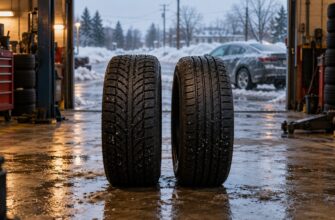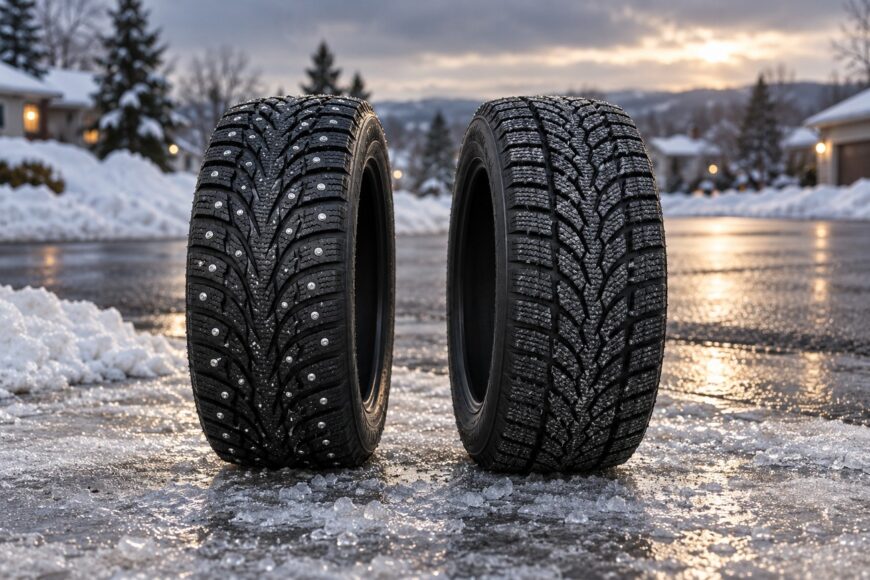
Studs can look like sensible insurance against the occasional icy road, even if most of your winter driving is on cleared, wet pavement. Quiet studless tires can seem like the obvious choice until an untreated hill freezes overnight. Neither experience describes every winter route, and a tire that solves one problem can make daily driving less pleasant on another surface.
The useful comparison starts with the roads you actually use: how often you encounter exposed ice, how promptly roads are cleared, and whether a steep approach is unavoidable. Tire condition and the quality of the specific model matter alongside the presence of studs. Local rules may also settle part of the decision before you buy.
- Studded vs. studless winter tires by road condition
- Where studs earn their keep: bare ice and untreated hills
- When studless tires make the easier daily choice
- The downsides that appear after the tires are installed
- Choose the tire model before choosing a side
- Check studded-tire rules before placing an order
- Mistakes that cancel out either tire’s advantage
- Frequently asked questions
- What states have banned studded tires?
- What are the downsides of using studded snow tires?
Studded vs. studless winter tires by road condition
These are likely advantages, not promises for every tire pairing. Results change with the models tested, temperature, surface, and test method.
| Road condition | Likely advantage | What could change the result |
|---|---|---|
| Bare ice | Well-designed studded tires generally have the advantage. | Ice texture and tire quality matter. The reported roughly 10–30% shorter braking distance for studs comes from particular tests, not every comparison. |
| Packed snow | Modern studless winter tires can match or outperform studded tires. | The result depends on the models and the state of the packed surface. |
| Loose snow | Modern studless winter tires can match or outperform studded tires. | Tread design and snow depth can change which specific tire performs better. |
| Slush | No reliable advantage from studs alone. | Tread design and water evacuation matter more than the presence of studs. |
| Cleared wet or dry pavement | Studless winter tires are often the more practical winter choice. | Especially in milder temperatures, studs generally offer little benefit and can compromise braking or handling; individual models still differ. |
A route can contain several of these surfaces in one trip. A plowed commute that ends at an icy driveway asks more of a tire than a comparison based only on the longest stretch of road. Give extra weight to the surface you cannot avoid safely, while accounting for the conditions you drive on most days.
Category labels also conceal large differences between individual tires. Before treating a table entry as a buying verdict, look for independent results for the models and sizes you can actually purchase.
Where studs earn their keep: bare ice and untreated hills
Studs are worth considering when exposed ice is a recurring part of your route rather than an occasional possibility. Freezing rain, poorly treated roads, and steep, untreated approaches make starting, steering, and stopping difficult. On bare ice, well-designed studded tires generally have the advantage because their studs can engage the surface.
Some tests report roughly 10–30% shorter braking distances on bare ice with studded tires. That range describes particular tires and test conditions; it cannot predict your stopping distance or guarantee that any studded model will beat any studless one. Some authorities favor studs for ice, while some studless-tire marketing claims comparable ice performance. Specific independent test results are more useful than either blanket claim.
An icy hill also exposes the limits of drivetrain technology. All-wheel drive may help a vehicle move away from a stop, and stability systems can help manage available grip, but neither creates traction for braking or steering. A heavy vehicle or a powerful one still needs an appropriate tire and a gentle approach to the controls.
That ice advantage does not extend to every snowy road. On packed or loose snow, modern studless winter tires can match or outperform studded tires, depending on the models and conditions. If the hill is usually snow-covered rather than glazed with exposed ice, compare snow results as carefully as ice results.
When studless tires make the easier daily choice
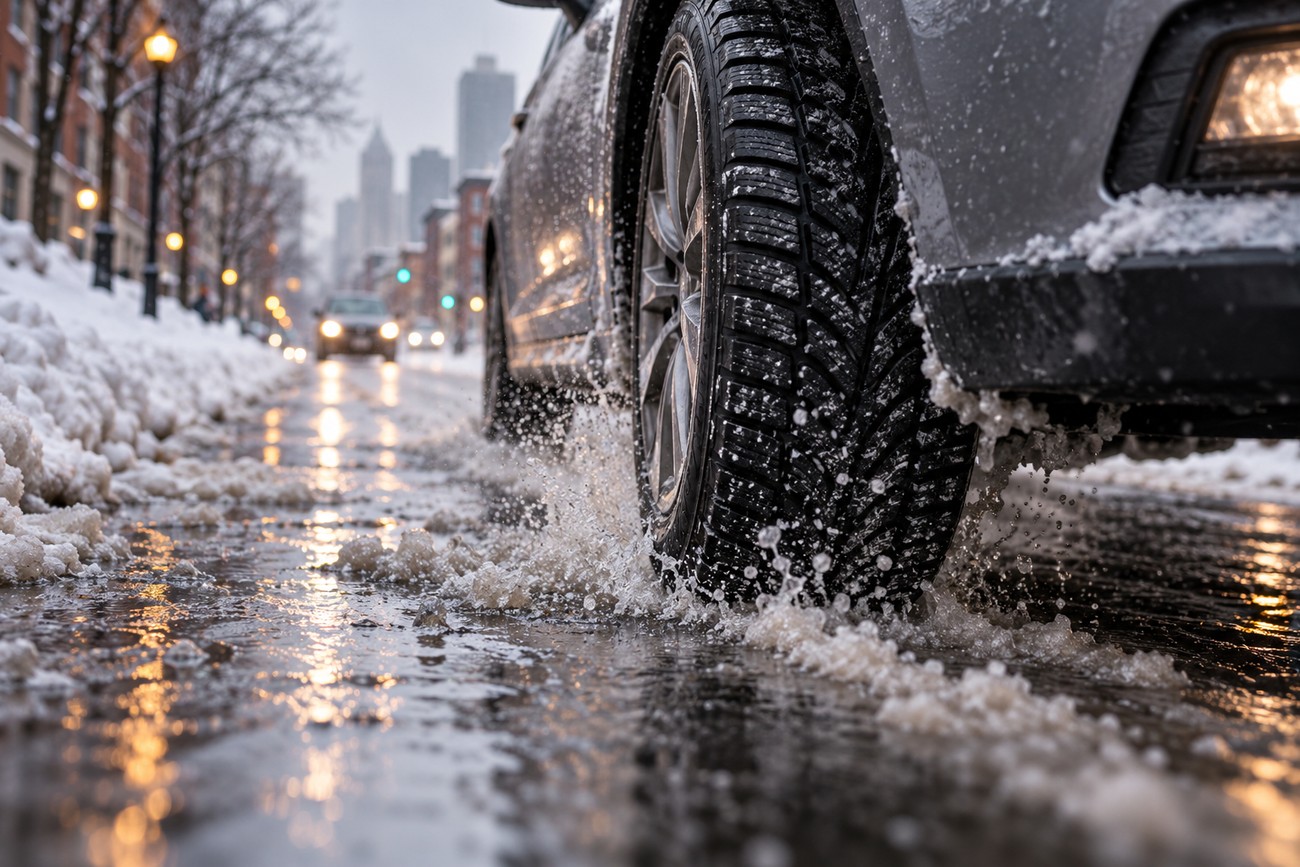
For drivers whose roads are usually plowed, salted, or covered with snow rather than bare ice, studless winter tires often fit daily use better. Modern models can match or outperform studded tires on packed or loose snow, depending on the tires and conditions. They also avoid the persistent stud noise that can make a long drive on cleared pavement tiring.
Slush deserves its own attention. Water evacuation and tread design matter more here than whether a tire has studs, so a model with strong slush performance may be the better choice for a wet winter commute. Look for tests that include slush or wet-road handling rather than assuming an ice result covers both.
On cleared wet or dry pavement, especially in milder temperatures, studs generally offer little benefit and can compromise braking or handling. Studless winter tires still have limits: a soft winter compound may feel vague on a warmer wet road, and an untreated icy patch may leave you wishing for the additional grip of well-designed studs. Drive to the least forgiving part of your route.
“Studless” does not mean “all-season.” Studless winter tires may be legal to use year-round in some places, but warm-weather use accelerates wear and compromises performance compared with suitable warm-season tires. Plan a seasonal change rather than using legal permission as a measure of tire suitability.
The downsides that appear after the tires are installed
Studs can add cabin noise and vibration, especially on cleared pavement where they provide little benefit. They also increase pavement wear and can contribute to road-dust pollution. Those costs affect more than the driver who chose them, so frequent dry-road use is worth considering before ordering a set.
Stud retention deserves attention from the first drive. Gentle break-in over the first 500–1,000 km may help, subject to the tire maker’s instructions; substantial stud loss later reduces the reason for choosing the tire. Inspect the set as it wears rather than assuming its original ice performance is unchanged.
Hard acceleration and braking during the maker’s break-in period can work against stud retention.
Soft studless tires avoid stud loss, yet their tread can wear quickly if driven extensively on warm, clear roads. They may also feel less precise at higher speeds on warmer wet pavement. Check tread condition through the season, particularly if much of your winter mileage is on cleared highways.
Heavy vehicles and electric cars warrant close attention to load rating and wear whichever winter tire you choose. Weight and driving demands can make a poor fitment or worn tread more consequential; they do not prove that one tire category always wears faster. Use the vehicle’s recommended cold inflation pressure, and check it regularly as temperatures change.
Choose the tire model before choosing a side
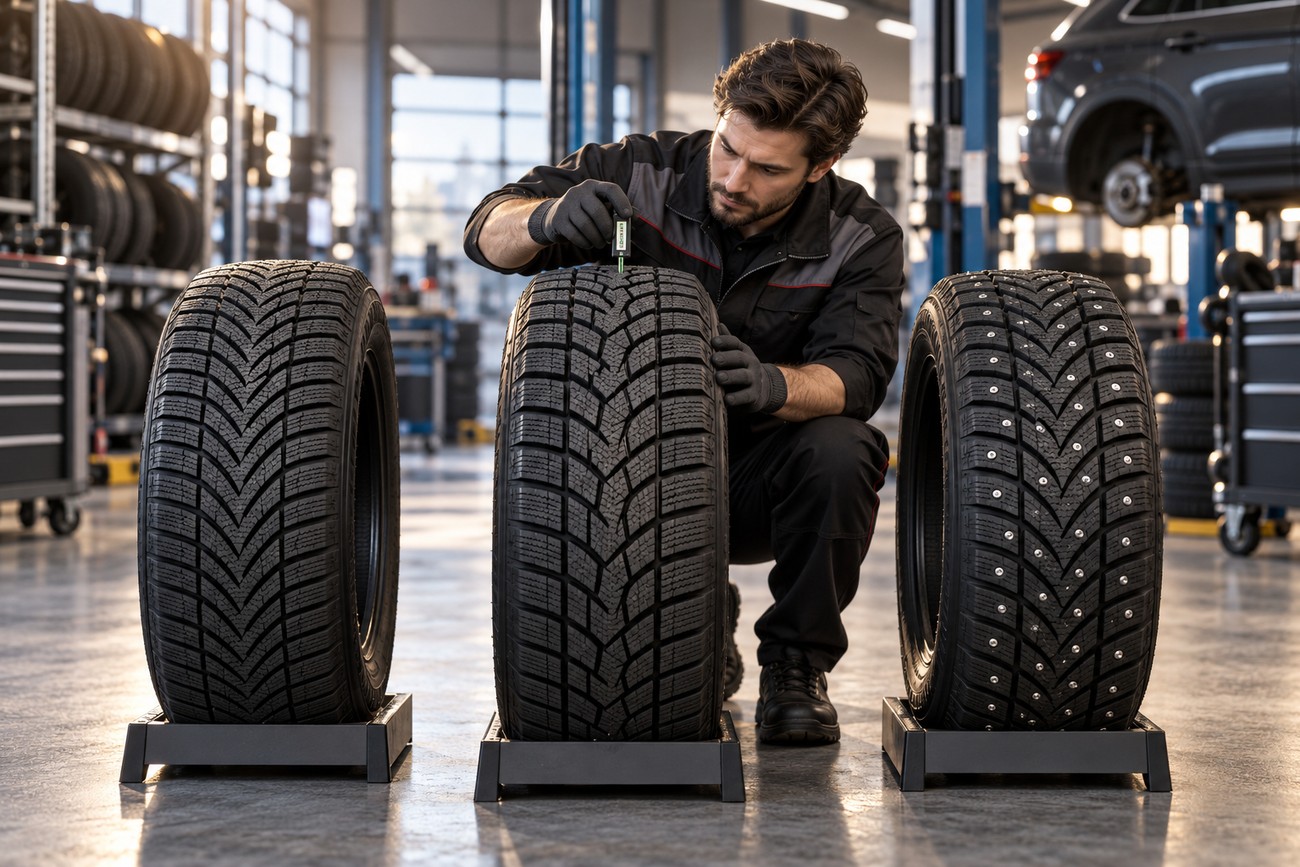
Start with independent tests of specific tires in comparable sizes and conditions. A useful result separates ice, snow, slush, and wet-road performance, rather than rolling them into one winter score. Differences between individual models can rival or exceed the gap between categories in a particular test.
A strong studless model may compare favorably with an average studded model in one ice test, but that does not erase the general bare-ice advantage of well-designed studs. Likewise, a reported roughly 10–30% shorter ice-braking distance for studs is test-specific, not a promise attached to every studded tire. Be skeptical of claims that any tire matches studs on all ice or wins every winter surface.
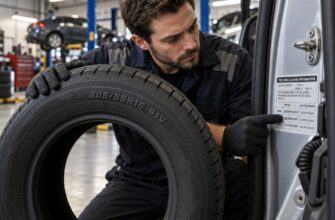
Next, confirm the correct size, fitment, load rating, and speed rating for your vehicle and expected use. A tire that performs well in a test is of little help if it is unsuitable for your car or the driving you do. Check these details before comparing prices, particularly if the vehicle is heavy or you regularly use highways.
Buying an untested bargain tire solely because it has studs or a winter label leaves too much unknown. Give priority to credible results, appropriate specifications, and the surfaces on your route. Condition will matter later, too: even a well-chosen model needs enough usable tread to retain its winter capability.
Check studded-tire rules before placing an order
Studded-tire rules vary by jurisdiction. Some places prohibit them, while others permit them only during specified dates or impose local restrictions. Verify the current rules for the full route before buying, including places you regularly cross for work or travel.
Use an up-to-date transportation agency or vehicle-code source for each relevant state, province, or country. Check whether a rule is an outright ban, a seasonal window, or a condition tied to equipment or location. A list copied from another site may omit an exception or reflect an older rule.
Permission to fit studs also does not tell you whether they suit your roads. If most trips are on cleared pavement, their noise, road wear, and limited benefit there remain part of the decision. Conversely, a compelling ice case cannot override a restriction on the route you need to drive.
Studless winter tires may be legal outside winter in some places, but that is a separate question from performance. Warm-weather driving accelerates their wear and compromises performance compared with suitable warm-season tires. Check the law, then make the tire choice based on road conditions and vehicle needs.
Mistakes that cancel out either tire’s advantage
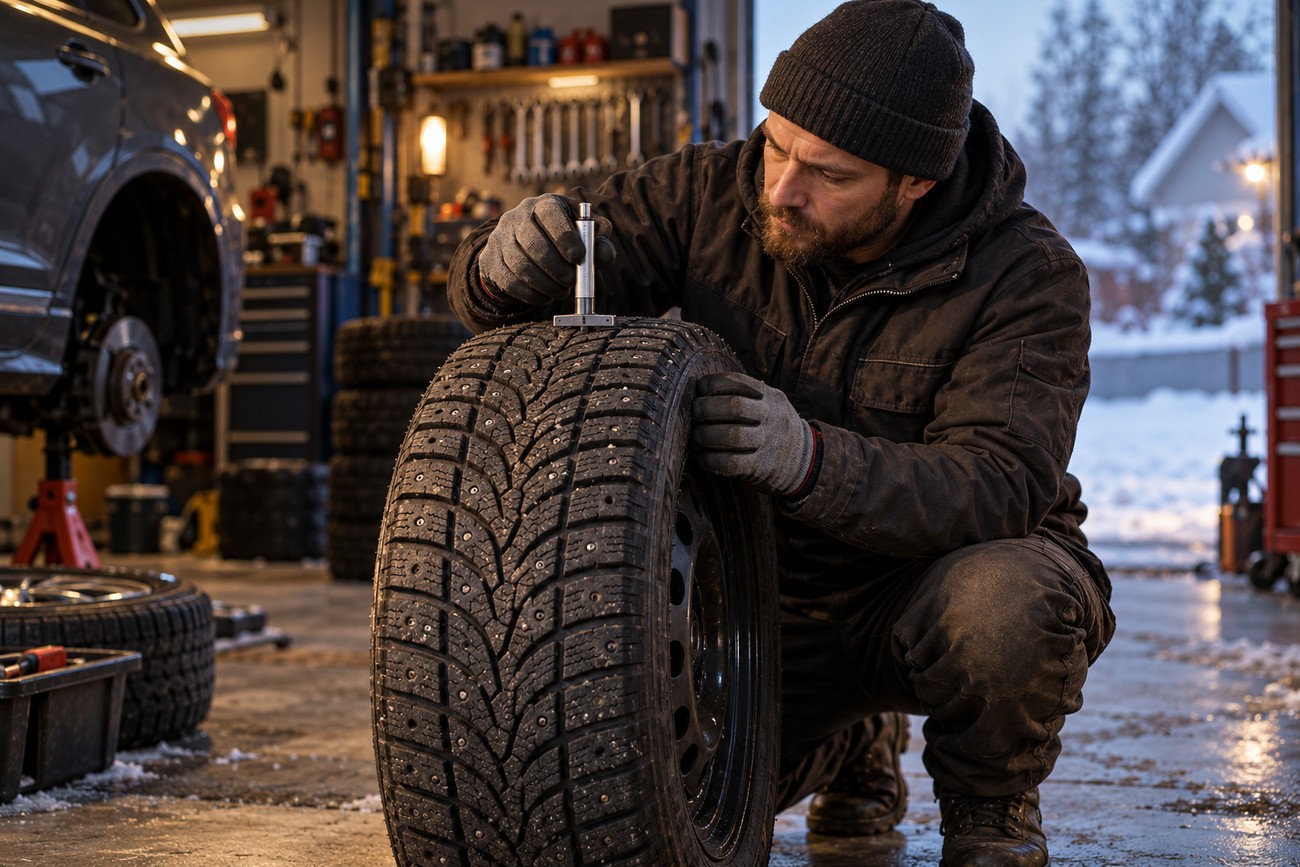
Worn winter tires and studded tires with substantial stud loss should not be judged by how they performed when new. Check tread condition and remaining studs before another season, and replace tires that no longer provide the winter performance your route demands. A category label cannot restore missing grip.
Electronic aids have the same limitation. Anti-lock brakes and stability control can help you use the traction available, but they cannot make winter braking distances resemble those on a warm, dry road. Leave more space, slow down before bends and hills, and accelerate, steer, and brake smoothly.
Buying studs “just in case” can be a poor match if almost every trip is on cleared wet or dry pavement, where studs generally offer little benefit and can compromise braking or handling. Choosing studless tires for a route with routinely icy, untreated hills deserves equal scrutiny: well-designed studs generally have the advantage on bare ice. Base the decision on repeated conditions, not a single memorable trip.
Neither choice compensates for a weak model, incorrect fitment, or hurried driving. Tire condition, model quality, and driver behavior remain important regardless of whether the tire has studs. The safest purchase is one you can maintain and drive within its limits.
Frequently asked questions
Local rules and day-to-day trade-offs can change the buying decision even after you have identified the tire that suits your winter roads.
What states have banned studded tires?
There is no reliable permanent ban list to use without checking current law. For each state on your route, consult its transportation agency or vehicle code, search for “studded tires,” and confirm whether the rule is a prohibition, seasonal permission, or a restriction with exceptions. Check the current wording and dates before placing an order, especially for interstate trips.
What are the downsides of using studded snow tires?
The main downsides are greater noise and vibration on clear roads, more pavement wear and road dust, possible stud loss, and restrictions on where or when you can use them. Studs also offer little benefit on cleared wet or dry pavement and can compromise braking or handling, especially in milder temperatures. If bare ice is rare on your route, weigh those everyday costs against the ice grip you would use only occasionally.