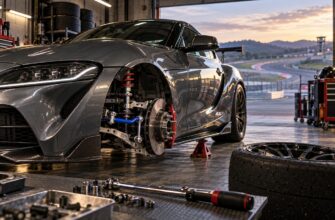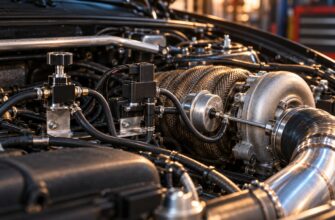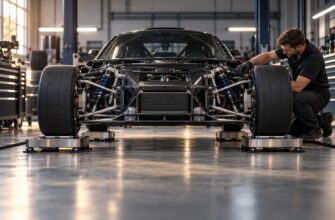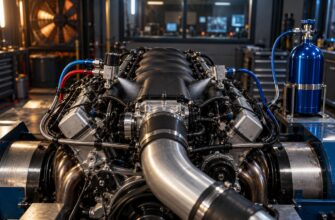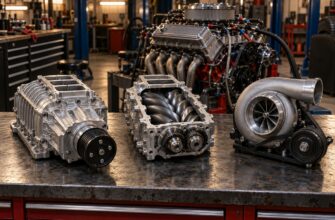
A Stage 1 remap can make a car pull harder and feel more responsive, especially if it has a turbocharged engine. The advertised gains can be tempting, but power, safety, and fuel-economy claims are not universal. The result depends on the vehicle you start with and the calibration applied to it.
Stage 1 usually means changing the engine control unit’s (ECU’s) calibration while keeping the standard mechanical parts. That sounds straightforward, yet extra torque can place more demand on components that have not changed. For a first-time owner, the sensible decision rests on realistic expectations, a healthy vehicle, and a tuner who checks the result rather than merely uploading a file.
- What Is a Stage 1 ECU Remap?
- What a Stage 1 Remap Changes—and What It Leaves Stock
- How Much Power and Torque Can You Expect?
- The Risks and Hidden Trade-Offs of Stage 1
- What Is Needed Before a Stage 1 Remap?
- Choosing a Tuner and Protecting the Original Calibration
- Frequently Asked Questions
- How long should a Stage 1 remap take?
- What information should I give a tuner before a Stage 1 remap?
- What does a Stage 1 remap actually do?
- What’s needed for a Stage 1 remap?
What Is a Stage 1 ECU Remap?
A Stage 1 ECU remap is a calibration or reflash performed without mandatory replacement of the vehicle’s standard mechanical parts. The ECU uses its calibration to control how the engine responds to operating conditions and driver input. Changing that calibration can alter the way the car delivers power while the intake, exhaust, intercooler, and catalytic converter normally remain factory equipment.
Typical areas include fuel maps, ignition timing, turbo boost, and torque-management limits. These settings interact: asking for more boost, for example, also requires the calibration to manage fueling and ignition appropriately. A remap is therefore more than a sharper accelerator response, although a change in pedal response can make a car feel quicker without proving that it produces more power.
“Stage 1” is industry jargon, not a single manufacturer or industry formula. One tuner may use a restrained calibration designed around consistent daily driving; another may pursue a stronger peak result on the same standard hardware. The label alone tells you little about the fuel required, the torque delivered at low engine speeds, or how the file has been checked.
It also does not mean that every car has unused performance waiting to be released. The factory calibration, engine design, ECU software, and available headroom all influence what can be changed sensibly. Treat a Stage 1 offer as a proposal for your specific vehicle, rather than a fixed upgrade with a predictable outcome.
What a Stage 1 Remap Changes—and What It Leaves Stock
The distinction is between recalibrating ECU instructions and replacing physical parts. The table shows the usual scope, although the exact settings available depend on the vehicle and ECU. “Stock hardware” does not mean those parts will face exactly the same operating demands afterward.
| Area | What may change in the ECU | What normally remains standard |
|---|---|---|
| Fuel and ignition | Fuel maps and ignition timing may be recalibrated for the intended operating range and fuel. | The engine’s standard mechanical components remain in place. |
| Turbo boost | Boost targets and related control settings may change on a turbocharged engine. | The factory turbocharger and intercooler normally remain fitted. |
| Torque management | Torque requests or management limits may be adjusted where the ECU allows it. | The standard clutch or automatic transmission normally remains fitted. |
| Airflow and emissions hardware | The ECU calibration may be adjusted to work with standard airflow and emissions equipment. | The factory intake, exhaust, and catalytic converter normally remain fitted. |
Some ECUs allow changes to speed, rev, or torque limits, but removing limits is not a mandatory or universal Stage 1 feature. Ask what the proposed file changes instead of assuming that a named stage includes—or excludes—a particular function. Keeping emissions equipment in place also matters: an offer that requires removing it does not match the usual stock-hardware meaning of Stage 1.
Two files sold under the same label can feel different because their boost targets, torque delivery, and pedal response differ. A car that surges at a small throttle opening may feel lively on a short drive while becoming tiring in traffic. Smooth, repeatable response is a useful outcome in its own right, particularly for a car you drive every day.
How Much Power and Torque Can You Expect?
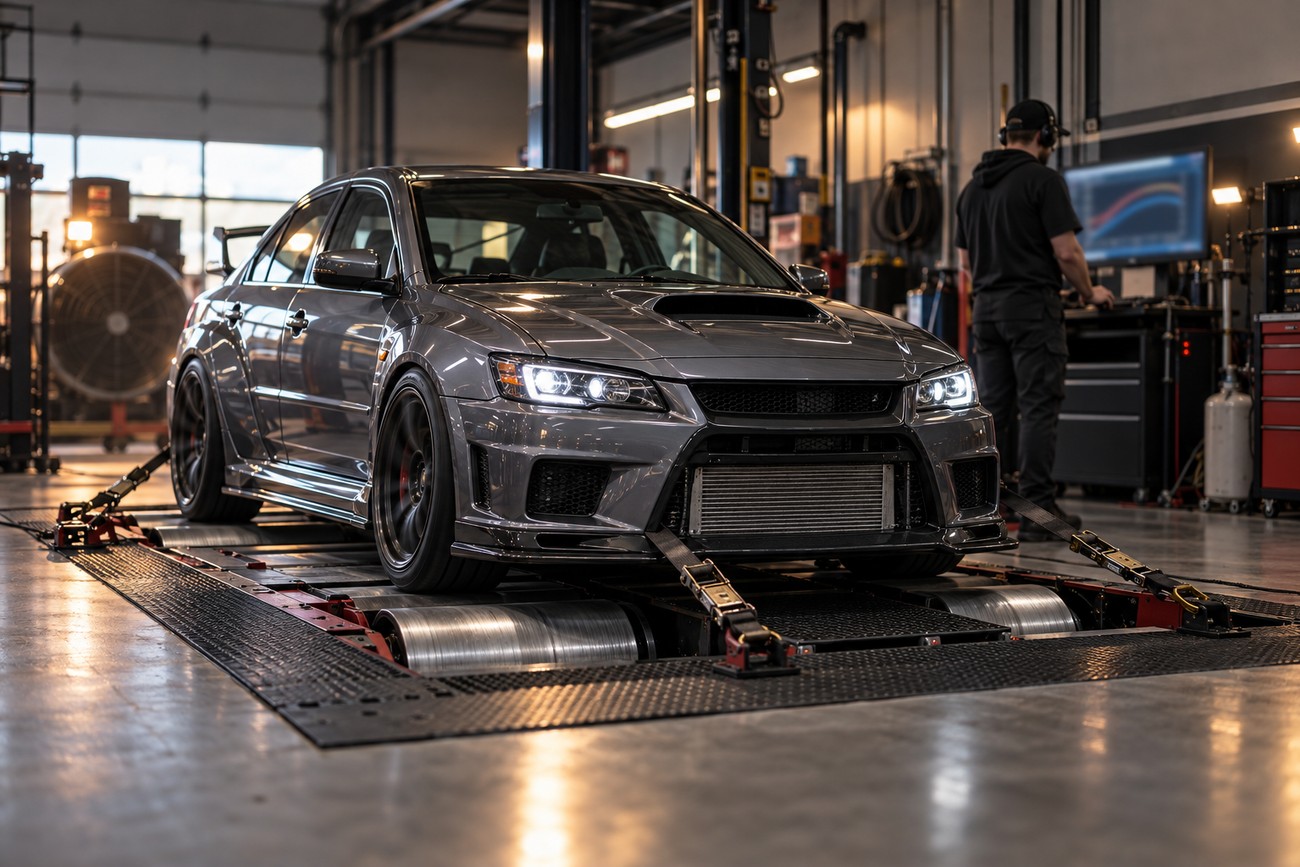
Advertisements for turbocharged engines often cite 15–30% more power and 20–40% more torque. Those figures are a broad marketing range, not a guaranteed result for your car. Naturally aspirated engines are often marketed at 7–10% more power, which is likewise a broad, non-universal claim rather than a fixed Stage 1 gain.
A turbocharged car may have room for a noticeable increase in boost and mid-range torque, depending on its factory calibration and hardware. A naturally aspirated engine generally offers less scope for that particular change because it has no turbo boost to adjust. Neither description tells you what your own car will achieve without considering its engine, ECU software version, and condition.
Even two examples of the same model can differ. Their ECU versions, factory calibrations, available boost headroom, fuel quality, and engine health may not match. If a tuner quotes a gain, ask whether it comes from testing your exact configuration, a similar car, or a general sales estimate; those are different levels of evidence.
Measurement matters as much as the headline number. A before-and-after dyno comparison is more useful when the testing conditions and method are consistent, while road logs can help show how the engine behaves under load. In normal driving, turbo gains are often most apparent through the mid-range and during overtaking, rather than as a dramatic change every time you press the pedal.
The Risks and Hidden Trade-Offs of Stage 1
A software-only change can still increase mechanical load. Extra torque and boost may place greater demands on the turbocharger, cooling system, clutch, and automatic transmission. There is no universal guarantee that Stage 1 is always safe or preserves engine and drivetrain life; the margin depends on the vehicle, its condition, and the calibration.
Low-speed behavior deserves attention alongside peak output. A car that jerks in traffic or responds abruptly to small pedal movements may have unsuitable torque delivery or another drivability issue. A stronger mid-range is of limited value if the car becomes difficult to drive smoothly on a commute.
Fuel quality can change the outcome, particularly on an engine calibrated for higher load. If the available fuel does not support the intended ignition timing, knock control may apply corrections, reducing the consistency of the gain. Confirm the fuel specification the tuner expects before committing, and consider whether you can reliably obtain it where you drive.
A Check Engine warning or a new mixture or boost fault after tuning needs diagnosis, not a quick dismissal as “normal for a remap.” The calibration may be unsuitable, but an existing ignition problem, boost leak, or other fault may also have become more apparent under increased load. Identifying the cause protects you from paying for repeated file changes while a physical problem remains.
Fuel economy is another uncertain benefit. At light load, consumption may stay similar under comparable driving conditions, but using the extra performance requires more fuel. If a promised saving is central to your decision, ask how it was established and do not budget around it as a guaranteed return.
What Is Needed Before a Stage 1 Remap?
Start with a car that runs properly in standard form. A pre-remap check should scan for ECU faults and assess basic engine health, including the spark plugs, ignition coils, fuel quality, fluids, and cooling system. Existing misfires, boost leaks, mixture issues, or unresolved warning lights should be investigated before extra load is requested.
The tuner should identify the exact ECU and software version rather than relying only on the model name. That information determines which calibration is appropriate and whether the proposed file matches your car. Relevant live data or logs can also reveal problems that a brief drive without a warning light might miss.
Tuning around a misfire, boost leak, or persistent fuel-trim problem can hide the reason the car performs poorly. Correct the underlying fault first, then assess what the healthy vehicle can support.
Tell the tuner what fuel you normally use and whether that will remain consistent. Discuss how the car is driven, too: frequent traffic, long climbs, or repeated overtakes place different demands on drivability and temperature control. These details help set a sensible target rather than treating maximum advertised output as the only goal.
Checks should continue after the file is written. Reviewing relevant logs and how the car behaves under appropriate conditions helps confirm that the calibration works as intended, without new faults or unpleasant low-speed response. If a problem appears, the next step is diagnosis and revision where needed, not an assumption that the car will simply “adapt” to it.
Choosing a Tuner and Protecting the Original Calibration
Before paying, ask whether the calibration is matched to your exact ECU and software version, what fuel it requires, and how the result will be validated. Find out whether checks include both performance under load and ordinary low-speed driving. A tuner should be able to explain the intended behavior without promising the same gain or reliability outcome for every car.
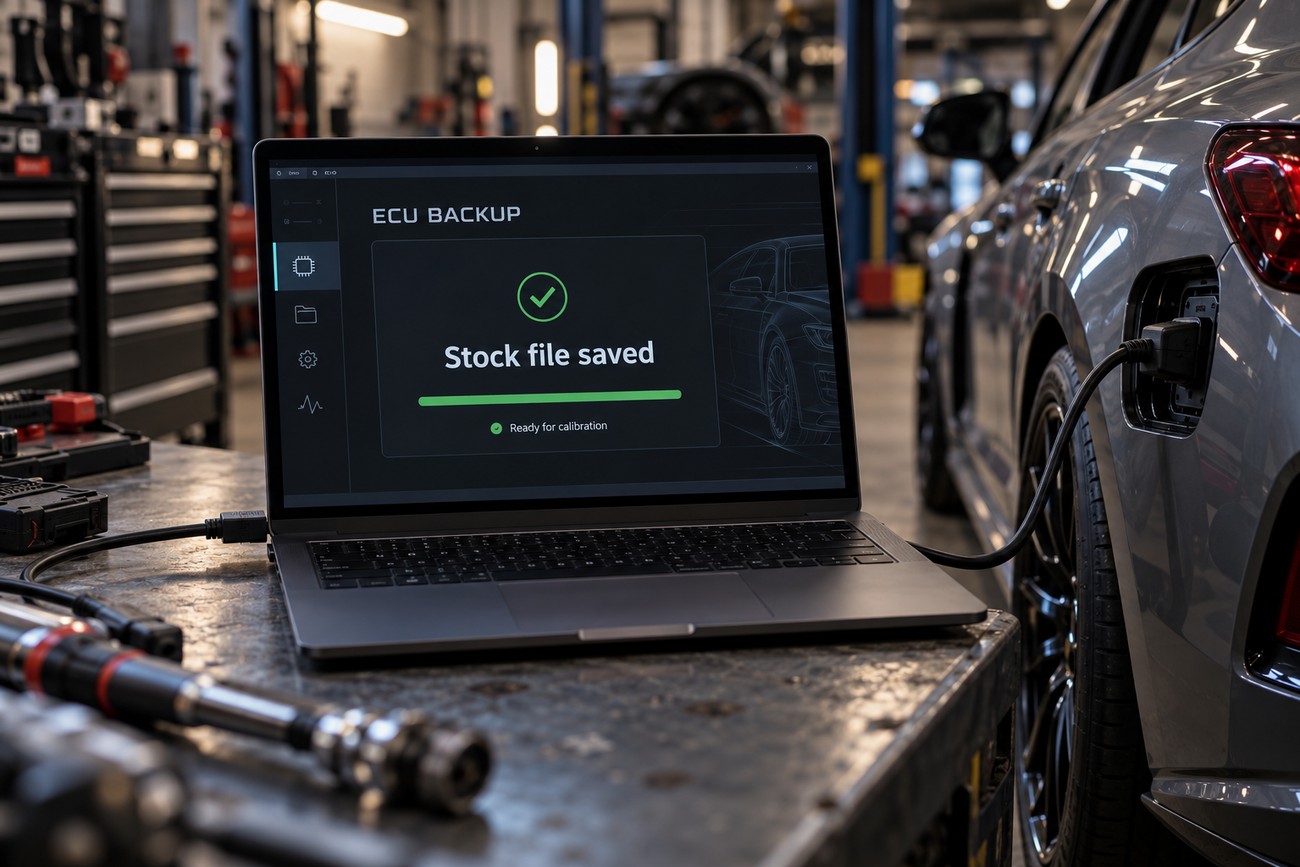
Ask for confirmation that the original ECU calibration will be saved before changes are written, and clarify the procedure for restoring it. Many professional tuners make this backup, but retaining a stock file does not necessarily make the modification invisible. Depending on the ECU, flash counters or update history may remain after the original calibration is restored.
Clarify how revisions are handled if the car develops a fault, feels jerky, or produces a weaker result than expected. “Stage 1” may mean a mild optimization at one business and a more aggressive calibration at another. A clear discussion of targets, testing, and support tells you more than the stage name on an invoice.
Check warranty terms, insurance disclosure requirements, servicing implications, and local emissions and road-use rules before the work. Requirements vary by location and policy, so get answers from the relevant parties rather than relying on a general claim that software changes are undetectable or automatically permitted. Those checks are easier before modifying the car than after a claim, inspection, or dealership visit raises a question.
Frequently Asked Questions
The practical details of a remap depend on the vehicle and the work it needs. These answers can help you plan the appointment and describe what you expect from it.
How long should a Stage 1 remap take?
Allow time for ECU identification, diagnostics, backing up the original calibration, writing the new file, and checking the result. Road or dyno checks may reveal a need for further investigation or a revision, so an instant upload is not a reliable measure of a thorough job. Ask the tuner what checks are included and whether you can leave enough time for them to address a problem found during testing.
What information should I give a tuner before a Stage 1 remap?
Provide the exact vehicle and engine specification, any known ECU software identity, the fuel you normally use, and relevant maintenance history. Mention warning lights, recent repairs, changes in performance, and the conditions in which you usually drive. Even a fault that appears intermittently is worth reporting; it may affect whether the car should be tuned yet.
What does a Stage 1 remap actually do?
It changes the ECU’s instructions for managing engine operation, which may alter power delivery and accelerator response while the standard mechanical parts remain fitted. What you notice depends on the original calibration and the new one: stronger mid-range pull is possible, but a more sensitive pedal alone is not proof of a power gain. Ask for an explanation of the intended changes and how they will be checked on your car.
What’s needed for a Stage 1 remap?
You need a suitable ECU calibration, a vehicle in sound mechanical condition, and fuel that meets the calibration’s requirements. You should also have a plan for diagnostic checks, validation after writing, and keeping a copy of the original file. A replacement intake, exhaust, intercooler, or catalytic converter is not normally required for Stage 1; if parts are proposed, ask why they are necessary for your specific car.