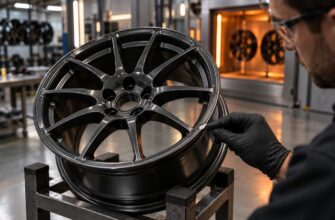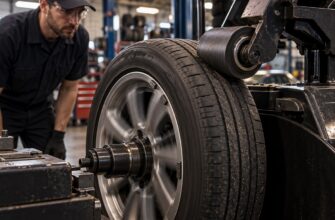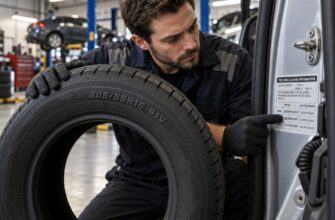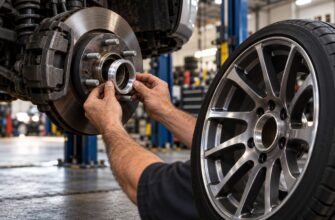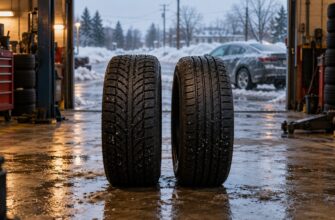
Wider tires promise more grip on dry pavement, yet a switch to wider wheels can leave a driver noticing higher fuel use, more road noise, or less confidence in heavy rain. Those impressions matter, but they do not isolate what tire width did. A new set may also bring a different tread pattern, rubber compound, wheel weight, sidewall height, or inflation pressure.
Width is therefore a useful buying consideration, rather than a shortcut to predicting performance. It can change how a tire supports cornering loads and moves through standing water. It does not, by itself, tell you how quickly a car will stop, how much fuel it will use, or whether a size will fit safely. The practical comparison starts with tires suited to the same vehicle and season, then looks at the complete wheel-and-tire package.
- What Wider Tires Actually Do for Dry-Road Grip
- Why More Width Can Feel Worse in Rain, Cold, and Slush
- Fuel Economy: Separate Tire Width From the Whole Wheel
- The Everyday Costs Beyond Fuel
- How to Choose a Wider Size Without Creating a Fitment Problem
- Narrower or Wider Tires: Match the Choice to Your Driving
- Frequently Asked Questions
- What is the 3% rule for tire size?
- Do I need to replace all four tires when changing width?
- Why can two tires labeled the same width measure differently?
What Wider Tires Actually Do for Dry-Road Grip
Wider tires can improve dry-road cornering and braking, especially when the tire is built to make effective use of the extra tread width. A broader tread can spread forces across a different shape of contact patch, helping it manage lateral loads in a turn. The result may be more available grip before the tire begins to slide. That potential is real, although a width label alone cannot tell you how much of it a particular car will gain.
Contact-patch area is often oversimplified. At a similar load and inflation pressure, adding width mainly changes the patch’s shape: it may become wider and shorter. Its total area is not determined by width alone, because pressure, casing stiffness, and deformation also govern how the tire meets the road. A wider-looking footprint is therefore poor evidence, on its own, of a proportionally larger area touching the pavement.
Rubber compound can outweigh a modest change in width. A tire designed for warm, dry conditions may grip differently from a touring tire of the same size, while temperature affects how either compound behaves. Construction, tread condition, pressure, and wheel alignment also influence how evenly the tread carries load. Comparing a worn narrow tire with a fresh wide one tells you little about width as an isolated variable.
On a dry track, more width can help a suitable car put braking and cornering loads into the road, provided its suspension setup supports the tire. The gains eventually run into other limits, including compound, operating temperature, and alignment. For ordinary driving, the useful question is whether an approved wider size in a comparable tire model improves the behavior you value. A dramatic change in tire category can be more noticeable than a small step in nominal width.
Why More Width Can Feel Worse in Rain, Cold, and Slush
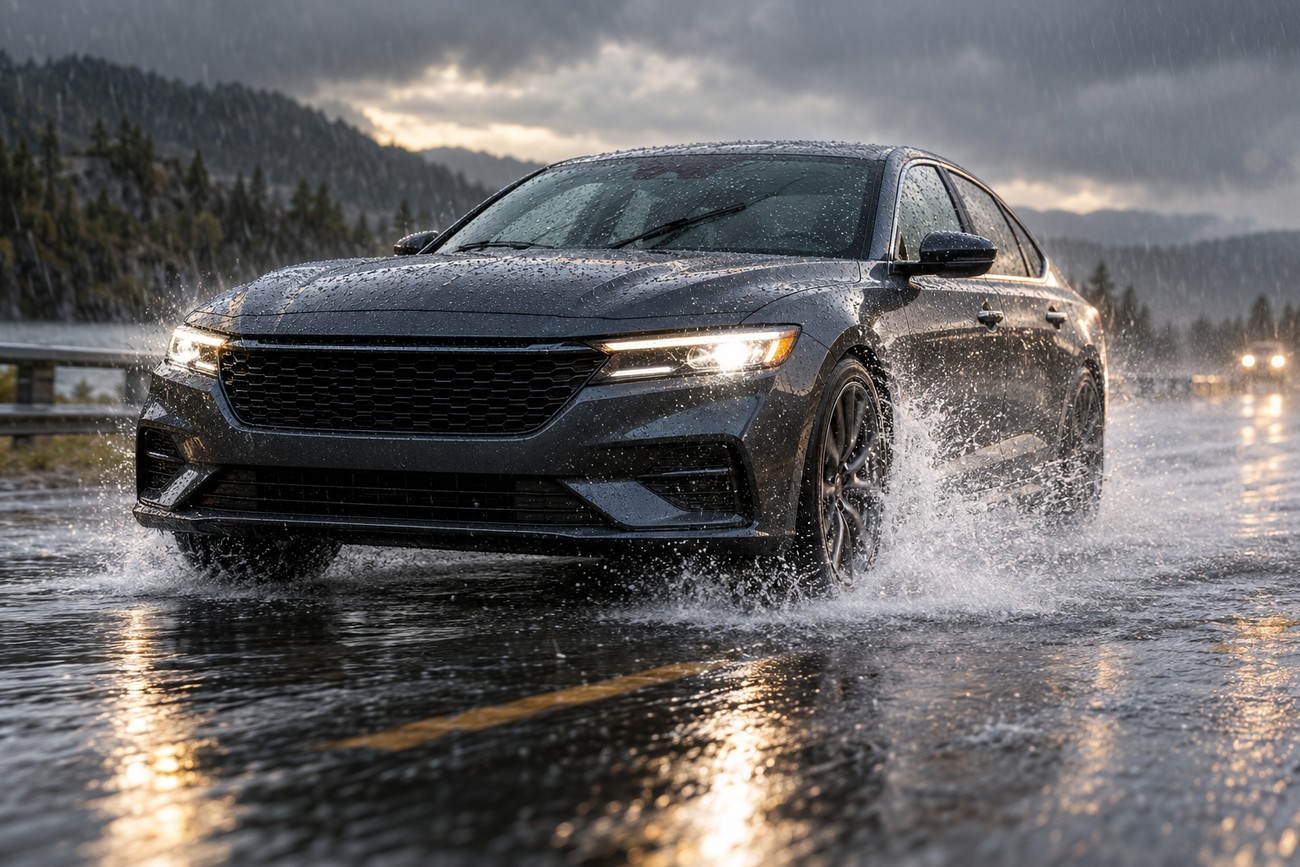
In standing water, a tire must move water out of its path quickly enough to maintain contact with the road. A wider tread can increase hydroplaning risk if its grooves cannot clear that water effectively. Water depth and vehicle speed matter, as do tread depth and tire condition. Two tires with the same labeled width can consequently behave quite differently in rain.
That does not make the narrower option the winner in every wet comparison. A well-designed wider tire may drain water more effectively than a narrower tire with worn or unsuitable tread. Wet braking also involves the compound’s grip on the road beneath the water, rather than drainage alone. For a buying decision, wet-test results for the specific tire model are more informative than a general claim about width.
Cold conditions add another variable: a compound outside its intended temperature range may provide less usable grip regardless of its footprint. In snow or slush, a narrower tire may cut through the loose layer more effectively in some conditions. Tread design, winter suitability, and the depth and texture of that layer can change the result. A wide summer tire feeling uncertain in cold rain is not proof that every wider tire is poor in winter.
Steering feel deserves separate attention from stopping distance. A tire can feel quick to respond on a damp road while giving the driver limited warning near its grip limit; another may feel less sharp yet stop sooner in a controlled test. Modern stability systems can also intervene before a difference becomes obvious from behind the wheel. Use the conditions you actually drive in—especially standing water and cold mornings—to choose the tire, rather than treating a sportier steering response as a wet-grip measurement.
Fuel Economy: Separate Tire Width From the Whole Wheel
Rolling resistance is energy lost as a tire deforms and recovers while it turns. Its relationship with width is not linear. Compound, casing construction, inflation pressure, and the way the tire deforms all matter, so a wider tire cannot be assigned a fixed fuel penalty from its size alone. Equally, a wider tread does not automatically roll more easily because its contact patch looks shorter.
A size change often brings a different wheel as well. A wider wheel-and-tire package may add mass and rotational inertia, which can affect acceleration and fuel use, particularly when the car repeatedly speeds up. Wheel and tire shape may also change aerodynamic drag. These effects belong to the complete package; their direction and size cannot be predicted reliably from nominal tire width.
Pressure is an especially useful check before drawing conclusions. An underinflated tire deforms more, which can increase rolling losses and dull steering response. The correct setting for the fitted, approved setup matters more than copying a pressure from another car or guessing from the tire’s sidewall. Load and driving conditions should also be considered under the vehicle manufacturer’s guidance.
Some owners report fuel-use increases of 0.3–1.0 L/100 km after changing wheels or tires. Those are anecdotes about combined changes, not controlled estimates of width’s effect. A new tread model, heavier wheels, different pressure, weather, traffic, and driving pattern may all contribute. If consumption rises after a swap, first confirm the size and pressures, then compare similar journeys over enough driving to reduce day-to-day variation.
For a closer comparison before purchase, look for rolling-resistance information on the specific tires available in both approved sizes, where such information is provided. Keep tire category, load rating, and wheel choice as similar as practical. A tire built differently in the same width can change economy more than a modest width change, which is why size charts alone are an incomplete fuel-cost guide.
The Everyday Costs Beyond Fuel
A wider setup can alter how a car follows ruts and uneven pavement. Drivers sometimes notice more tramlining, a heavier steering feel, or a steering wheel that needs more correction on worn roads. Width may contribute, but tread shape, wheel offset, alignment, and the particular road surface also affect those sensations. A setup that feels direct on smooth pavement may be tiring on a deeply rutted commute.
Ride firmness often accompanies a wheel-package change rather than coming from width alone. Moving to a larger-diameter wheel commonly reduces sidewall height when overall tire diameter stays close to the approved size. With less sidewall available to absorb a sharp edge, impacts may feel more pronounced. Tire construction and inflation pressure can reinforce or soften that difference, so compare the full size specification before blaming the wider tread.
Noise has a similarly mixed explanation. A broader tread may produce a different sound, but block layout, groove design, and road texture are major influences. A quiet touring tire and a more aggressive performance tire should not be treated as a clean width comparison. If cabin noise matters, model-specific reviews from cars similar to yours are more useful than the assumption that every wider tire will hum.
Purchase prices and seasonal servicing or storage costs may rise with some wider sizes, depending on local availability and the wheels involved. That expense can be frustrating when a sportier-looking package makes little difference in ordinary city driving. Before buying, consider whether the dry-road response you want is worth possible changes in comfort, tire availability, and replacement cost. An approved tire with a better-suited compound may address the problem without changing width.
How to Choose a Wider Size Without Creating a Fitment Problem
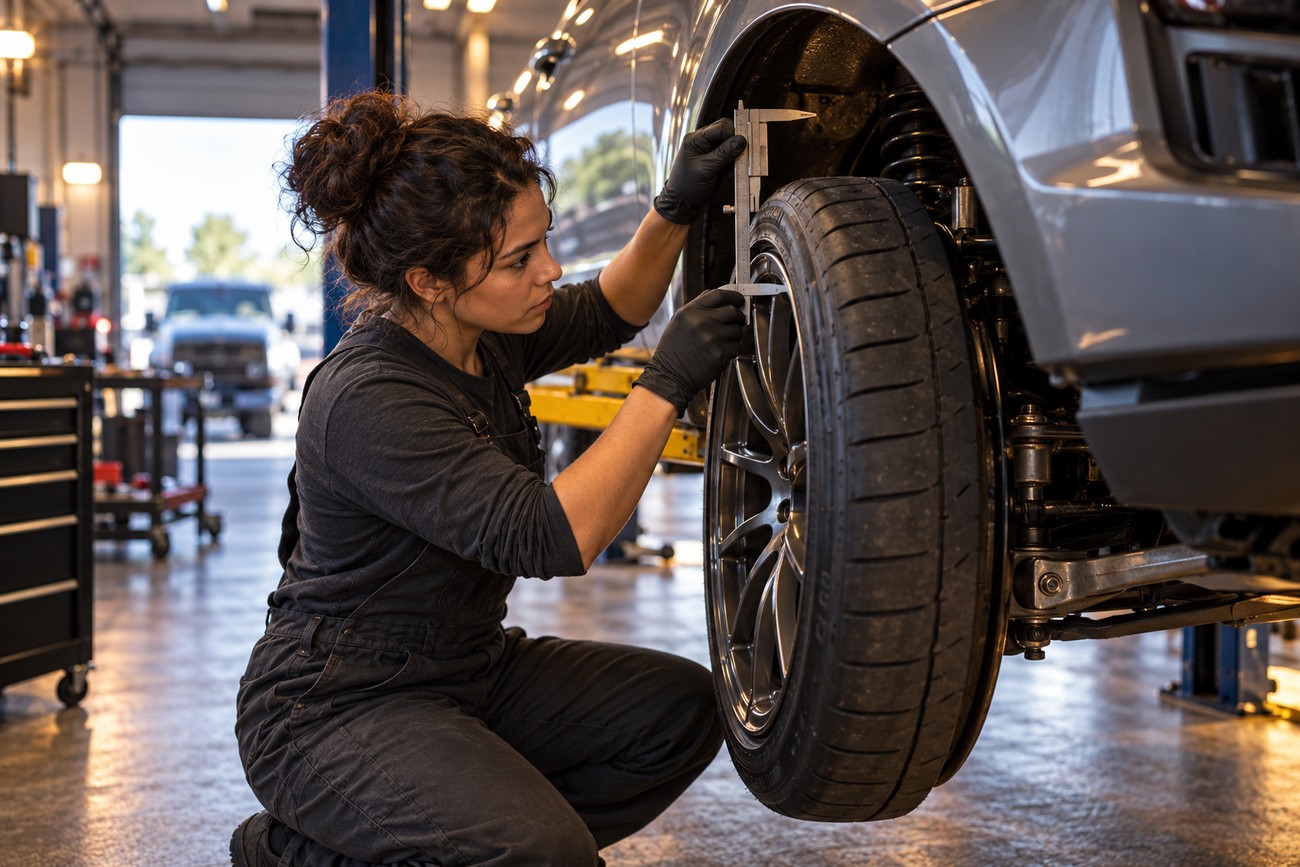
Start with the vehicle manufacturer’s approved tire sizes and wheel specifications. They provide a firmer basis than appearance or a quick check of the wheel arch. Confirm the proposed tire’s load and speed ratings as well as its size, and check that its permitted rim-width range includes the wheel you intend to use. Approval for one wheel-and-tire combination does not automatically extend to a wider tire on a different wheel.
Next, check rim width and wheel offset together. A tire mounted on an excessively narrow rim can take on a distorted shape, affecting steering behavior and wear. Offset changes where the entire assembly sits relative to the suspension and body. Both sides need adequate space; a tire that appears comfortably inside the outer arch could be much closer to a strut or other component on the inner side.
Check clearance with the steering turned and the suspension moving through its range. Space around a tire while the car is parked in a straight line does not establish that it will clear the body and suspension in use.
Overall wheel-and-tire diameter needs its own check. Even a 1–2% change can alter indicated speed, while effects on vehicle systems and acceptable tolerances depend on the vehicle. Diameter is influenced by sidewall height as well as width, so a wider tire with the wrong aspect ratio may create an avoidable difference. Wheel-arch clearance alone cannot establish compatibility with the speedometer, ABS, or stability-control calibration.
Once the proposed setup meets the vehicle’s specifications, verify the appropriate inflation pressure for it. Do not assume a different size needs the same pressure merely because it fits the wheel, and do not use the maximum pressure printed on the tire as a routine target. If the manufacturer does not list the combination or its pressure requirements clearly, seek vehicle-specific fitment guidance before buying. That check is less costly than discovering rubbing or uneven wear after installation.
Narrower or Wider Tires: Match the Choice to Your Driving
Compare approved sizes in equivalent tire models where possible; the likely advantages below are starting points, not substitutes for tire-specific evidence.
| Driving priority | Likely advantage | What could reverse it |
|---|---|---|
| Dry-road cornering and braking | A wider suitable tire may offer more grip. | Compound, temperature, construction, pressure, or alignment can outweigh width. |
| Standing water | A narrower tread may have an easier drainage task. | Grooves, tread wear, water depth, and speed can change the outcome. |
| Snow and slush | A narrower tire may cut through loose material better in some conditions. | Winter compound and tread design remain decisive. |
| Fuel economy | A lighter, lower-rolling-resistance package may use less fuel. | Width alone does not identify that package; wheel mass and construction matter. |
| Ride and noise | The setup retaining more suitable sidewall height may feel gentler. | Pressure, casing, tread pattern, and road surface can dominate. |
| Purchase and service cost | A common approved size may cost less to own. | Local supply and the specific tire model determine the bill. |
Choose for your usual roads and weather, then verify the exact tire and wheel combination against the vehicle’s requirements.
Frequently Asked Questions
These sizing questions matter when you move from a general width comparison to choosing tires for a specific vehicle.
What is the 3% rule for tire size?
The 3% rule is a commonly cited rule of thumb for the difference in overall wheel-and-tire diameter from the original size. It is not a permitted increase in tire width, an official universal limit, or proof that a proposed size is approved for your car. A diameter close to the original still leaves rim width, offset, ratings, pressure, and clearance to check. Use the manufacturer’s requirements for your vehicle rather than treating the rule of thumb as a fitment certificate.
Do I need to replace all four tires when changing width?
Whether all four need replacing depends on the vehicle’s approved fitment and drivetrain requirements. Tires should be matched appropriately across each axle, and some vehicles use approved staggered widths front to rear. Some all-wheel-drive systems are particularly sensitive to differences in rolling circumference, including differences caused by wear between otherwise matching tires. Before mixing new tires with existing ones or changing only one axle’s size, check the vehicle guidance for permitted combinations and tread-depth differences.
Why can two tires labeled the same width measure differently?
The width printed on a tire is a nominal section width, rather than a promise that every installed tire with that label will measure identically. Actual mounted width varies with tire design and the width of the measuring rim; the tread itself can also differ in shape. This matters when space near a strut or fender is tight. Check the specific tire’s published dimensions and approved rim-width range, then verify physical clearance on the finished installation rather than relying on the size marking alone.