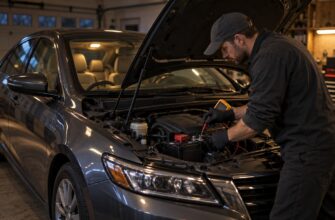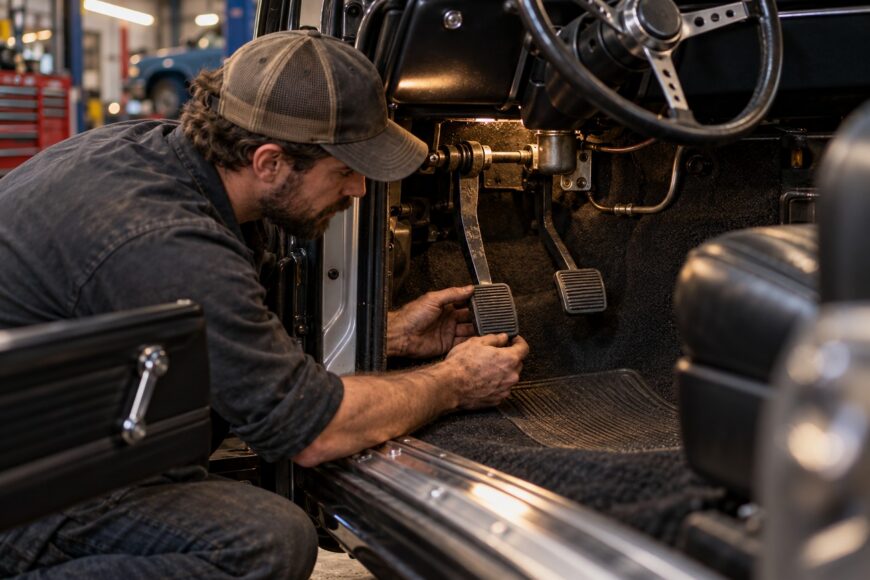
A clutch pedal that stays on the floor, returns slowly, or leaves the vehicle creeping with the pedal fully depressed needs prompt diagnosis. The fault may be in the cable, hydraulic circuit, pedal bracket, release fork, release bearing, pressure plate, or clutch disc. A low pedal does not automatically prove that the friction disc is worn out.
Begin with the control system before approving a complete clutch replacement. Check whether the pedal moves normally, whether fluid is low, whether the cable or linkage is damaged, and whether the pedal bracket flexes. Stop driving if gears grind, the car moves with the pedal down, fluid is low, or the pedal will not return; those symptoms indicate incomplete release and can make the vehicle unsafe to control.
- What a Clutch Pedal Stuck to the Floor Usually Means
- What to Check Before Adjusting or Replacing Anything
- Cable, Hydraulic, or Pedal Fault: How to Narrow It Down
- Adjustment and Repair Steps by Clutch System
- Symptom Guide: Adjust, Repair the Actuator, or Replace the Clutch
- Common Mistakes That Make the Problem Worse
- Frequently Asked Questions
- How much does it cost to fix a clutch pedal that sticks to the floor?
- What should a mechanic inspect if the pedal works again after the car cools down?
- How do you fix a clutch pedal that sticks to the floor?
- What causes a clutch to stick to the floor?
- How much does it cost to fix a sticking clutch?
What a Clutch Pedal Stuck to the Floor Usually Means
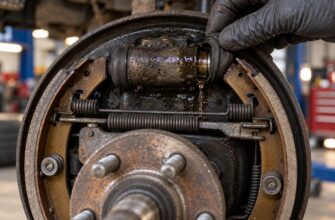
The pedal is the driver’s input, while several parts transfer that movement to the clutch. A cable-operated system uses a cable and release fork. A hydraulic system uses a master cylinder, fluid, and slave cylinder. The fork moves the release bearing, which acts on the pressure plate and separates the clutch disc from the flywheel.
A pedal that remains down or returns with difficulty points first toward lost movement in that chain. Possible causes include a stretched or damaged cable, air or leakage in the hydraulic circuit, a sticking release fork, a failing cylinder, or a loose pedal mechanism. A worn bearing or damaged pressure-plate component can also prevent normal return.
This differs from a clutch that simply engages low. A low engagement point can occur with clutch wear, but it can also result from cable stretch, hydraulic travel loss, or play in the pedal bracket. If the pedal stays on the floor, the immediate concern is control travel and release operation rather than the disc alone.
Grinding gears, difficult reverse selection, or a vehicle that creeps forward with the pedal fully depressed indicate incomplete clutch disengagement. Noise that appears when the pedal is depressed can point to a worn release bearing or related bushing. Neither symptom should be dismissed as normal aging.
What to Check Before Adjusting or Replacing Anything
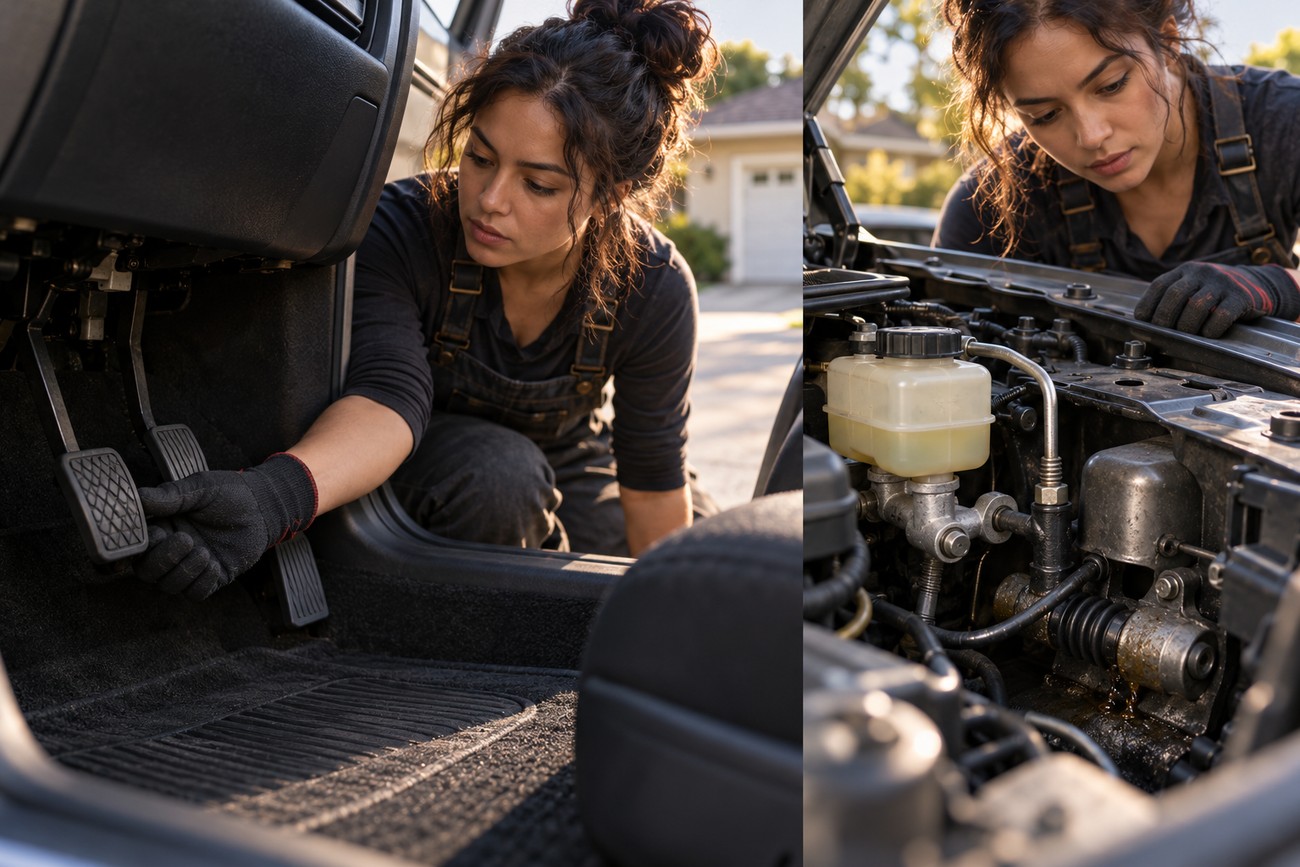
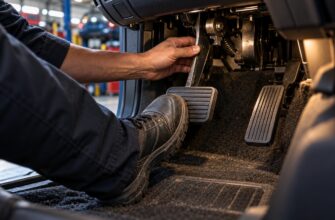
Park on level ground, apply the parking brake, and switch off the engine for the initial inspection. Press the pedal slowly and note whether it moves smoothly, feels unusually soft, sticks at one point, or fails to return. Compare the current movement with the vehicle’s normal feel; a sudden change is more useful than a generic pedal measurement.
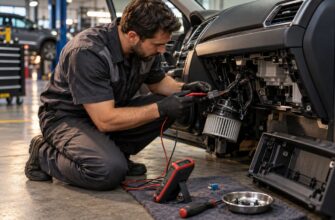
Inspect the visible cable, linkage, and release-fork area for a broken sheath, loose fitting, bent lever, or damaged mounting point. Look around the master cylinder, slave cylinder, and hydraulic lines for wetness or residue. A falling fluid level should not be ignored, because it may indicate a leak or another hydraulic fault.
Check the pedal bracket while an assistant operates the pedal. Cracked metal, elongated mounting holes, or visible flex can reduce effective pedal travel and create under-disengagement. This fault may imitate a stretched cable and can be missed when the inspection is limited to the clutch housing.
Forcing a sticking pedal can turn a control fault into damage to the release bearing, fork, cable, or pedal assembly. A pedal that needs unusual force should be treated as a failed component until the cause is identified.
Repeated gentle presses may temporarily change the pedal height in a hydraulic system, especially when air or seal bypass is present. That change is a diagnostic clue, not a repair. Do not continue driving to see whether the pedal improves; repeated use can empty the reservoir or leave the clutch unable to disengage at the next stop.
Cable, Hydraulic, or Pedal Fault: How to Narrow It Down
A cable fault often produces a changed bite point, excessive free play, a loose pedal, or movement that feels rough. A stretched cable can reduce release travel, while a frayed cable or damaged sheath may bind and leave the pedal low. Cable-operated clutches are commonly adjusted with nuts on the cable or pushrod, changing pedal free play and the engagement position.
Hydraulic faults tend to produce a soft or sinking pedal, inconsistent engagement, or a pedal that changes after repeated presses. Low fluid, external leakage, air, a failing master cylinder, or a failing slave cylinder can all reduce the movement reaching the release fork. A hydraulic system requires checks of fluid level, leaks, air, and the relevant clearance. One service reference gives an approximately 5 mm typical clearance, but the vehicle manual controls.
A worn pedal pivot or mounting bracket can create the same lost travel as a cable problem. If the cable housing moves at its mount, or the bracket bends instead of transferring force, adjustment may appear to help briefly and then drift. The transmission may still shift during this fault, even though the clutch is not releasing fully.
Inspect the release fork and bearing when the actuator appears to move correctly but the pedal remains low or noisy. A binding fork, damaged bearing, or pressure-plate fault generally requires component repair and may require removal of the transmission. A release noise that changes as the pedal is pressed is a useful warning that adjustment alone may not last.
Use the symptom combination to choose the next test. Low pedal plus fluid loss points toward hydraulic diagnosis; low pedal plus visible cable slack points toward the cable or its mounts; pedal-bracket movement points toward the pedal assembly. This control check should precede a clutch replacement quote.
Adjustment and Repair Steps by Clutch System
For a cable system, inspect the cable ends, sheath, mounting points, pedal pivot, and release fork before turning an adjustment nut. If the components are sound, use the specified nuts on the cable or pushrod to set free play and the engagement position. Adjustment changes should be small and followed by a pedal-travel and gear-selection check.
Secure the lockout or counter-nut after the setting is correct. Confirm that the cable is not under constant tension, because insufficient free play can hold the release bearing against the pressure plate. Excessive free play can leave the clutch partially engaged and cause grinding or vehicle creep.
For a hydraulic system, confirm the correct fluid level and inspect every connection for leakage. Air may require bleeding by the procedure specified for that vehicle, while a leaking or bypassing master or slave cylinder requires replacement. Do not treat fluid addition as a completed repair when the level has fallen.
Some service materials recommend checking or adjusting mechanical clutch free play every 10,000 km, with more frequent checks after cable replacement or clutch work. A reference range of 12–14 cm is reported for some passenger cars, but it is not universal. The model-specific manual must supply the actual specification.
A damaged release bearing, fork, pressure plate, clutch disc, or pedal bracket needs component repair rather than adjustment. After replacing a cable, cylinder, or clutch, secure the adjustment lock or counter-nut and recheck pedal travel, free play, engagement, and gear selection. A setting that is correct on the lift can still be wrong during a road test.
Symptom Guide: Adjust, Repair the Actuator, or Replace the Clutch
These combinations help set the next inspection and driving urgency. They identify likely areas rather than proving a failed part.
| Symptoms | Likely area to inspect | Next action | Driving urgency |
|---|---|---|---|
| Pedal stays on the floor or returns slowly | Cable, hydraulic circuit, pedal bracket, fork, or bearing | Inspect control travel and mounts before adjusting | Do not drive if return is unreliable |
| Low pedal with falling fluid or visible wetness | Master cylinder, slave cylinder, or hydraulic line | Find the leak and test the hydraulic system | Stop driving; loss can become complete |
| Reverse grinds or the car creeps with the pedal down | Incomplete clutch release | Check cable, hydraulics, bracket, and fork | Do not use for normal driving |
| Noise only while depressing the pedal | Release bearing or bushing | Inspect release components and clutch assembly | Arrange prompt inspection |
| Low bite point with otherwise normal return | Adjustment, cable stretch, hydraulic travel, or clutch wear | Measure to the model specification, then test | Limit driving if it is worsening |
| Persistent slipping under load | Clutch disc, pressure plate, or contamination | Plan clutch-component diagnosis and possible removal | Driving can increase damage |
| Symptom returns soon after adjustment | Worn actuator, pedal hardware, or clutch component | Inspect for the underlying mechanical fault | Do not keep readjusting indefinitely |
Common Mistakes That Make the Problem Worse
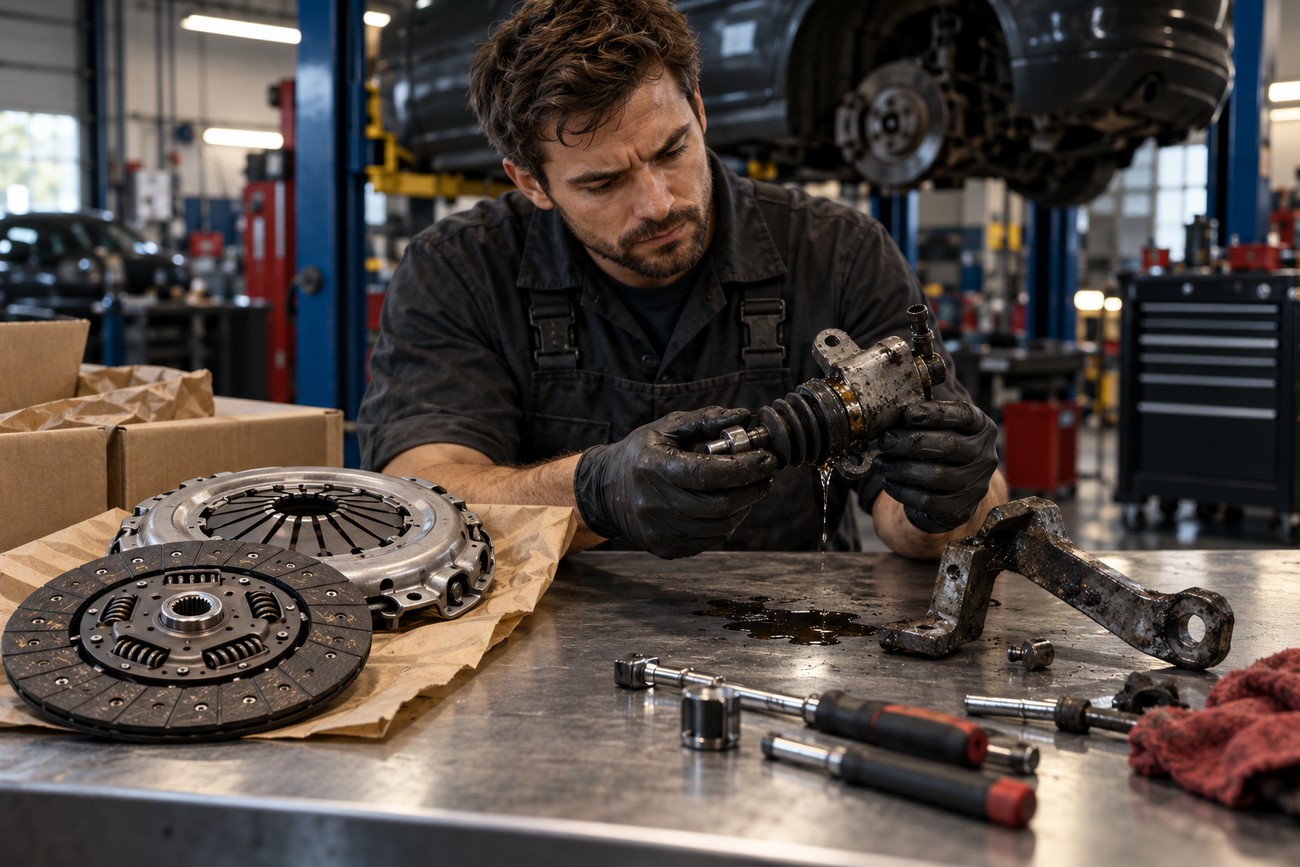
A pedal stuck on the floor does not prove that the friction disc is worn out. Cable faults, hydraulic faults, release components, and pedal-bracket damage can all create the same complaint. Replacing the clutch kit before checking the actuator can add unnecessary labor while leaving the original fault in place.
The 12–14 cm figure is only a reference for some vehicles. Applying it to every car can create too much or too little free play, alter the release bearing load, and move the engagement point away from the manufacturer’s specification. Always use the model-specific service information.
A transmission that still shifts does not prove full clutch operation. Incomplete release may allow some gear changes while causing creep, reverse grinding, difficult engagement, and accelerated wear. The combination of pedal return, fluid condition, noise, and vehicle movement gives a better diagnosis than gear selection alone.
Promises of a universal five-minute adjustment are unreliable for hydraulic systems. Fluid condition, air, leakage, cylinder travel, and clearance may all need inspection. A proper shop estimate should identify whether it covers adjustment, a cable or cylinder, pedal hardware, or clutch removal before recommending the most expensive option.
Frequently Asked Questions
How much does it cost to fix a clutch pedal that sticks to the floor?
There is no universal price because the repair may be an adjustment, a cable, a hydraulic cylinder, a pedal assembly, or a complete clutch replacement. A clutch removal job usually involves substantially more labor than an external actuator repair.
Ask the shop to separate diagnosis, adjustment, parts, bleeding, and clutch removal on the estimate. The written explanation should state whether the clutch disc, pressure plate, release bearing, cable, cylinders, and pedal structure were actually inspected.
What should a mechanic inspect if the pedal works again after the car cools down?
An intermittent recovery can indicate a heat-related hydraulic seal bypass, a linkage that binds as temperatures change, or a release component that becomes tight when hot. The mechanic should test the vehicle at operating temperature and compare pedal travel before and after the fault appears.
A quick static check after cooling may show a normal pedal and miss the failure. The inspection should include fluid level, cylinder leakage or bypass, cable routing, pedal pivots, bracket movement, release-fork travel, and any noise during release.
How do you fix a clutch pedal that sticks to the floor?
First identify whether the clutch uses a cable or hydraulic control. Repair a damaged cable, correct approved free play, or replace a leaking or bypassing cylinder; hydraulic systems may also require proper bleeding. A loose pedal bracket, binding fork, release bearing, pressure plate, or clutch disc requires component repair rather than repeated adjustment.
After the repair, verify pedal return, free play, engagement, reverse selection, and vehicle behavior with the engine running. Temporary pedal recovery does not prove that the underlying fault has been repaired.
What causes a clutch to stick to the floor?
Common causes include a broken or binding cable, air or leakage in the hydraulic circuit, a failing master or slave cylinder, a damaged pedal bracket, a binding release fork, and release-bearing or pressure-plate problems. A worn disc can cause a low bite point and slipping, but it does not explain every floor-bound pedal.
The most useful clues are fluid loss, visible bracket movement, a pedal that changes after repeated presses, release noise, gear grinding, and vehicle creep with the pedal depressed. Together they show whether the immediate fault is loss of actuator travel or internal clutch wear.
How much does it cost to fix a sticking clutch?
The cost depends on the failed part and the access required. Adjustment or a cable repair is usually a different job from replacing a hydraulic cylinder, repairing pedal hardware, or removing the transmission for clutch components.
Compare estimates by the work included rather than by the total alone. A sound estimate should distinguish inspection, adjustment, actuator replacement, bleeding, pedal repair, and complete clutch removal, and should explain why each operation is needed.