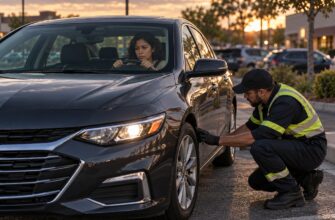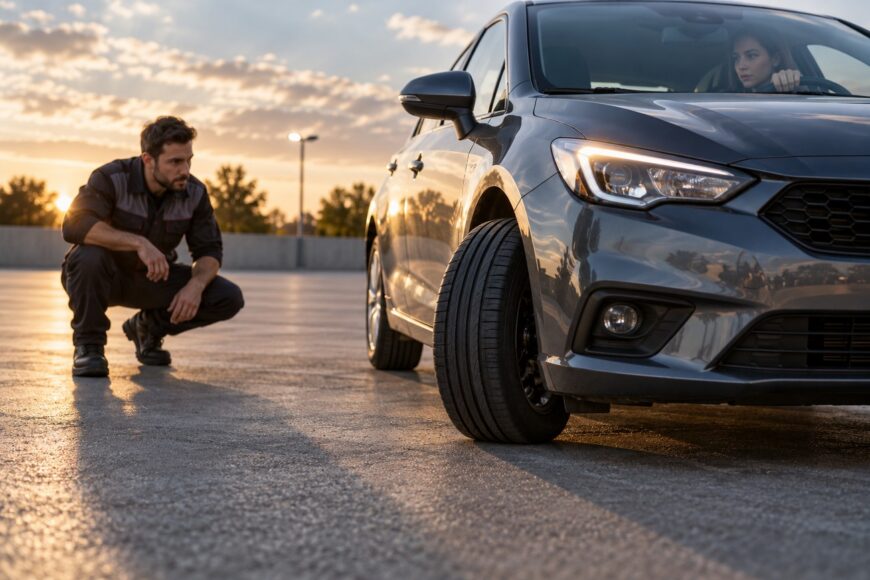
The click is easiest to hear in a parking lot, where the car is moving slowly and the steering wheel is turned sharply. It can be harder to tell which side it comes from. A series of clicks as you apply power through a turn points toward a different set of parts than a single click when you turn the wheel while the car is standing still.
Replacing a CV joint based on the sound alone can leave the noise unchanged. Steering, suspension, and brake parts can also click, and sound travels through the body of the car. A click that becomes louder or more frequent deserves prompt attention, though. The useful first step is to record when it happens, then inspect the parts that fit that pattern.
- Match the click to when it happens
- Recognize an outer CV joint click without guessing the side
- When it clicks with the car standing still
- Rule out brakes, suspension knocks, and wheel bearings
- A safe diagnosis sequence before buying parts
- What to repair, and when to stop driving
- Frequently asked questions
- Can a bad wheel bearing click when turning?
- Why does the clicking change in cold or wet weather?
- Why is my car still clicking after a CV boot or joint replacement?
- What should I check if the clicking happens only when turning right?
Match the click to when it happens
The timing of a click is a clue, not a diagnosis. Compare the conditions below before deciding where to inspect.
| Condition and sound pattern | Possible areas | Useful next check |
|---|---|---|
| Repeated clicks during a tight turn under power | Outer CV joint; other parts that move under load remain possible | Compare gentle powered and coasting turns, then inspect both CV boots and joints. |
| One click as the steering wheel starts to move while stationary | Strut-top mount or bearing, spring, tie-rod end, ball joint, or steering connection | Listen for where the sound occurs while someone turns the wheel gently; have the steering and suspension checked under load. |
| A click or knock over bumps, including during a turn | Suspension links, ball joints, or other loose connections | Note whether the same sound occurs over a bump with the wheels nearly straight. |
| A click linked to braking or a change between forward and reverse | Brake hardware or a component shifting as load changes | Have the caliper, its hardware, and nearby parts inspected. |
| Noise that changes mainly with road speed | Wheel bearing, brake contact, or rotating hardware | Describe whether it is a continuous hum or growl, or a distinct click, and have the wheel area inspected. |
A sound heard only in a parking maneuver is especially easy to mislabel. The maneuver combines steering angle, drive load, braking, and sometimes a bump at the edge of a space. Changing one condition at a time gives a technician a more useful description than “it clicks when turning.”
If the click occurs with the car stationary, a rotating drive joint moves lower on the list of suspects. If it appears only while moving under power, an outer CV joint moves higher. Neither observation identifies a failed part without inspection.
Recognize an outer CV joint click without guessing the side
An outer CV joint commonly clicks repeatedly on tight turns under power. The joint must transmit drive while operating at a steering angle, so wear inside it can produce a rhythmic series of clicks as it rotates. The pattern is often clearest at low speed; a straight road may be quiet. An inner joint more often causes vibration or knocking during acceleration than this repeated turning click.
Check the history of the boot as well as the sound. A torn CV boot allows grease to escape and dirt to enter, which can accelerate joint wear. Grease around the boot or nearby surfaces is a reason to inspect it promptly, even if the joint is still quiet. Replacing a damaged boot can protect a sound joint, but a new boot does not reverse wear in one that already clicks.
Turning direction alone cannot reliably identify the faulty side, and neither can the side where the sound seems loudest from the driver’s seat. Loads change during a turn, while noise can travel through the axle, suspension, and body. Both sides need a comparison of boot condition, joint condition, and the circumstances that reproduce the noise.
A tight-turn click also needs to be separated from a single snap when the steering first moves. Repeated clicks that track wheel rotation under power fit the outer-joint pattern more closely. A lone click, especially one reproduced without moving the car, calls for a wider steering and suspension inspection before a drive joint is ordered.
When it clicks with the car standing still
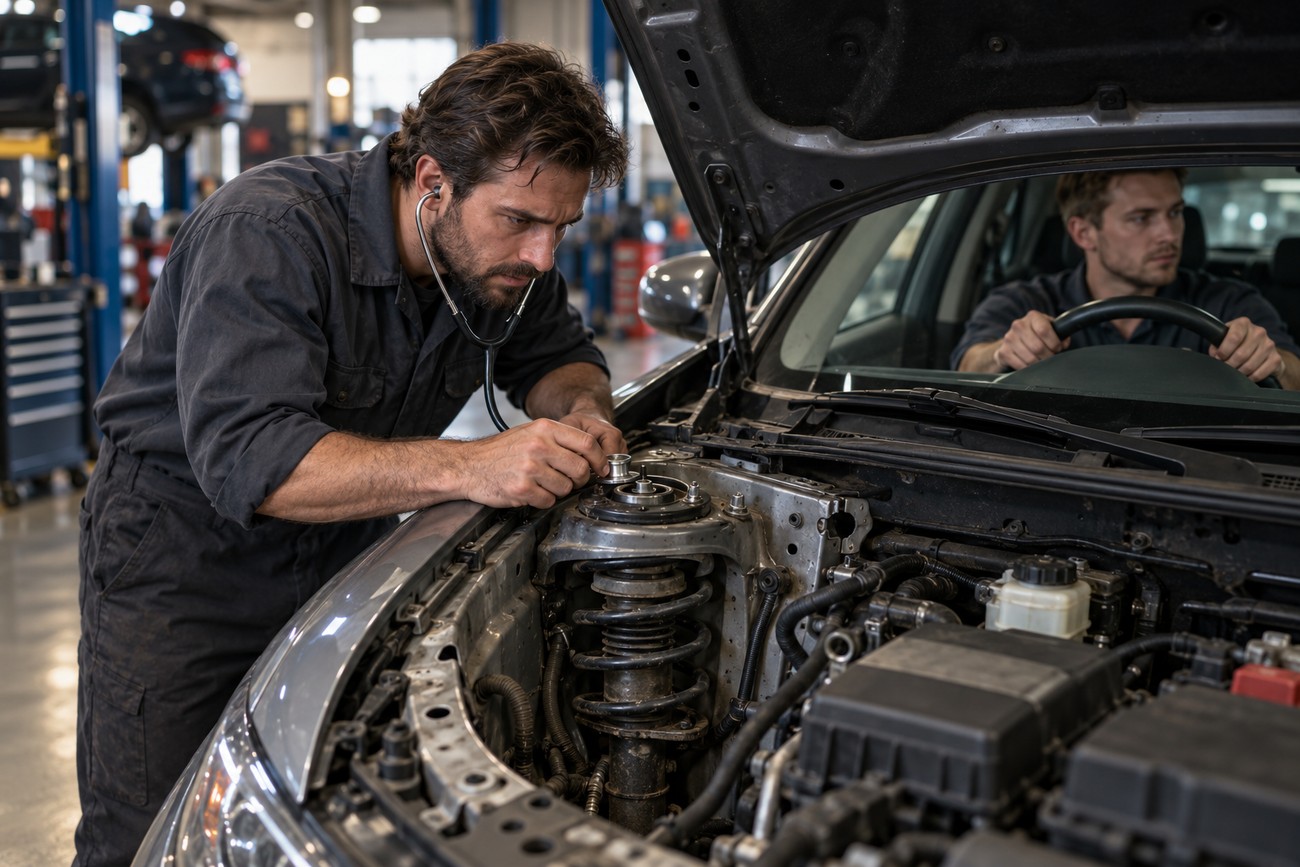
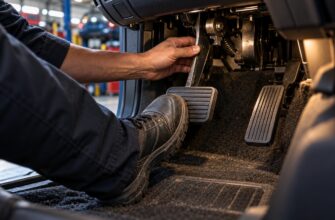
Clicking while stationary makes a rotating drive joint less likely and puts steering and suspension components higher on the list. Note whether it happens as soon as you start turning the wheel, near the end of steering travel, or when you reverse direction. A single click at the start is not the characteristic repeated, under-power outer CV joint pattern.
A strut-top bearing that does not turn smoothly can let the spring wind up slightly, then release with a click or snap. The top mount or bearing may make that noise under the car’s weight without showing obvious play during a lifted inspection. A quiet lift check therefore does not settle a complaint that appears only with the tires on the ground.
Tie-rod ends, ball joints, and other steering or suspension connections also deserve inspection when the click follows steering input. Movement in one of these parts matters for vehicle control, so avoid trying to confirm it by reaching into the wheel area while someone turns the steering wheel. Describe the sound and any looseness you feel to a technician instead.
Pay attention to whether the sound seems to originate inside the cabin near the steering column or outside near a wheel. That distinction can guide inspection, although sound location is imperfect. Even if the click can be reproduced while parked, the stationary check narrows the search rather than proving which component has failed.
Rule out brakes, suspension knocks, and wheel bearings
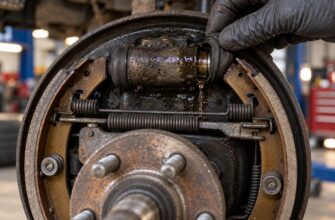
A click that occurs as you press or release the brake, or when you first move after changing between forward and reverse, may come from a part shifting as the load changes. Caliper hardware is one possibility; a brake shield contacting a rotating part can also make noise while moving. These possibilities require inspection. The sound alone cannot establish which part moved or whether the brakes are secure.
Suspension knocks often follow a bump more closely than steering angle. If the same sound occurs over uneven ground with the wheels nearly straight, ask for the suspension connections to be checked, including the ball joints and stabilizer links. A turn can make an existing knock easier to hear because the car’s weight shifts, without the turn itself being the cause.
A wheel bearing more typically produces a hum or growl that changes with road speed than a discrete click. That difference is useful when describing the complaint, but it cannot rule a bearing or related wheel-area hardware out by sound alone. Report any accompanying roughness, vibration, or abnormal wheel behavior so the inspection covers the complete assembly.
More than one condition may be present. A car could have a damaged CV boot and a separate brake click, for example, so finding the torn boot does not automatically explain every noise. The repair should address a fault that matches the reproduced symptom, while also dealing with any other safety-related defect found during inspection.
A safe diagnosis sequence before buying parts
Start with a short note about the conditions. Record whether the car is stationary or moving, whether the click repeats with wheel rotation, and whether you are applying power or coasting. Add any connection to bumps, braking, or a change of direction. These details help separate drive-joint noise from a click that follows steering input or suspension movement.
If the car feels normal and there is a clear, safe area, a brief, gentle low-speed turning check may help reproduce the noise. Compare a light powered turn with a similar turn while coasting, without holding the steering at full lock or continuing to drive circles. This is an informal diagnostic aid, not a definitive test. Stop the check if the steering feels loose or a wheel behaves abnormally.
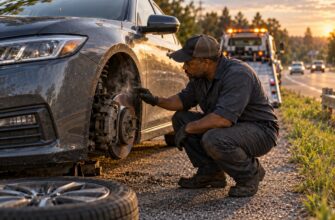
Once the car is parked and switched off, look from a safe position for torn CV boots, escaped grease, or an obvious part contacting a wheel. Do not reach near moving parts or get under a car supported only by a jack. Visible damage gives the technician a place to start, but a clean-looking boot does not clear the joint, and a torn one does not prove it caused the click.
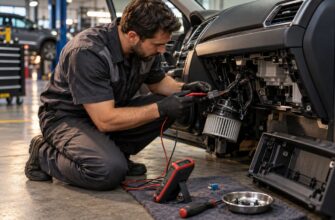
A technician can compare both sides, check brake hardware, and examine steering and suspension connections using the appropriate load and support. That matters when the sound seems to come from one side or occurs only on a particular turn: neither observation reliably identifies the failed side. Ask for the original noise to be reproduced where practical and matched to the inspection findings before authorizing parts.
What to repair, and when to stop driving
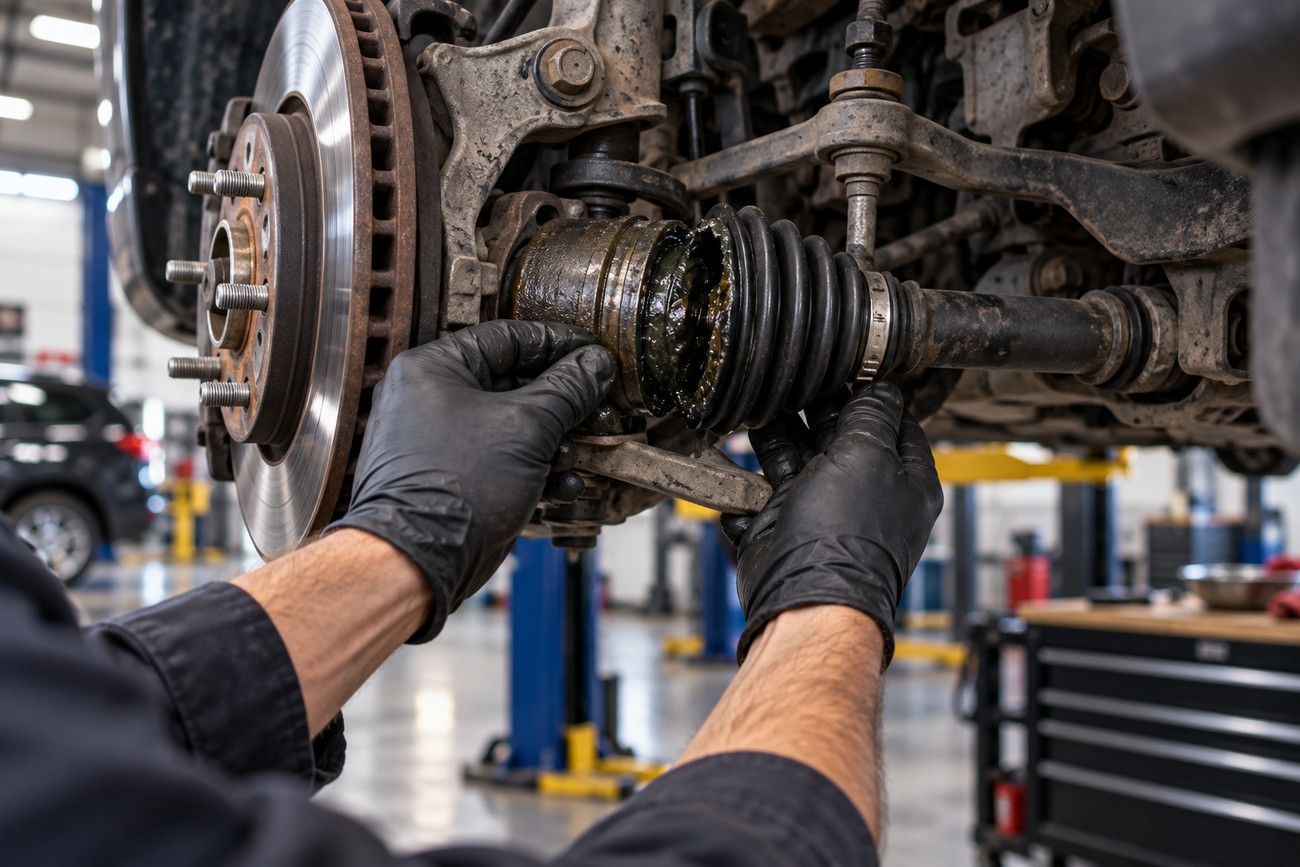
A newly discovered boot tear on a joint that remains sound may call for boot service, provided the joint’s condition is confirmed. An already clicking joint needs a different assessment, particularly if it has lost grease or taken in dirt. Installing a fresh boot cannot undo established wear. The choice between boot, joint, and complete axle work depends on what inspection finds and which parts are suitable for the vehicle.
The rest of the axle matters too. If wear or damage affects another joint, its connections, or its splines, replacing only the noisiest part may leave a fault behind. Replacement parts and boot clamps also need to fit and seal correctly. A technician should check these details rather than assume that every remaining click requires another CV joint.
If the noise persists after a repair, return to the conditions that produced the original complaint. Confirm that it is the same sound, then check the installation, part fitment, the other joint, and nearby steering and brake components. This is more useful than ordering another axle based solely on where the noise now seems to come from.
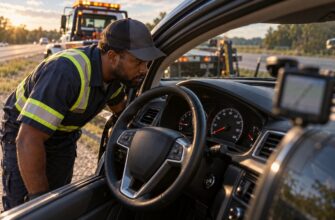
Repeated clicking that is growing worse calls for prompt professional inspection; a compromised drive joint can ultimately cause loss of propulsion. There is no dependable distance you can drive from the sound alone. Stop driving and obtain professional help if the steering feels loose, a wheel behaves abnormally, or the car loses propulsion.
Frequently asked questions
The sound pattern helps narrow the possibilities, but it cannot identify a failed part on its own. Note whether the click happens while stationary or moving, and whether it changes with power, braking, or bumps. Use those observations to guide an inspection rather than choosing a replacement part by sound alone.
Can a bad wheel bearing click when turning?
A wheel bearing usually causes a hum or growl that changes with road speed, rather than a distinct turning click. An unusual click still warrants inspection: bearing play, brake contact, and nearby wheel hardware should be checked instead of ruling the bearing out solely because the sound is atypical.
Why does the clicking change in cold or wet weather?
Temperature and moisture can change how readily existing friction or wear makes itself heard. Cold conditions may alter how grease behaves, while moisture can affect contact between nearby surfaces. A weather-related change is worth recording, but it does not identify the faulty part; the stationary-versus-moving and powered-versus-coasting distinctions still matter.
Why is my car still clicking after a CV boot or joint replacement?
First, confirm whether the sound now heard matches the original noise and whether the original noise was reproduced before the repair. Have the other joint and nearby steering and brake parts inspected, then check the installation and fitment of the replacement part. A boot cannot reverse wear that was already present, and a coincidental click elsewhere can remain after a correctly completed CV repair.
What should I check if the clicking happens only when turning right?
Compare a gentle right turn under light power with one while coasting, if it is safe to do so. Repeated clicking tied to drive load raises suspicion of an outer CV joint; a single click when steering while stationary points the inspection elsewhere. Have both sides checked rather than declaring either the left or right joint faulty from turn direction or perceived sound location alone.