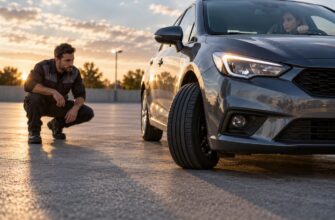
Your brakes may still seem to work even as a metallic grinding sound suggests that something is rubbing where it should not. A brief scrape during the first stops after rain can come from surface rust, while grinding that continues during ordinary braking needs prompt attention. Neither pattern, heard from the driver’s seat, can confirm that the brake assembly is safe.
The decision depends on more than the sound. Reduced braking, pulling, smoke, or persistent harsh grinding calls for stopping and arranging a tow. If the noise clears promptly and the vehicle otherwise feels normal, note when it happened. If it persists or returns, arrange an inspection rather than trying to identify the fault by sound alone.
- When grinding brakes means you should stop driving
- Grinding brake sounds: what the pattern can tell you
- Morning rust or trapped debris: when a brief grind may clear
- Why one wheel grinds: pads, rotors, calipers, and hardware
- What to check safely before booking a brake inspection
- Grinding after new pads or rotors: break-in versus an installation fault
- Why replacing pads alone may not fix the grinding
- Frequently asked questions
- How much does it cost to fix grinding brakes?
- Why do I hear grinding noises when I brake?
- What are signs of a failing brake caliper?
When grinding brakes means you should stop driving
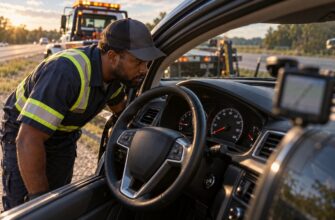
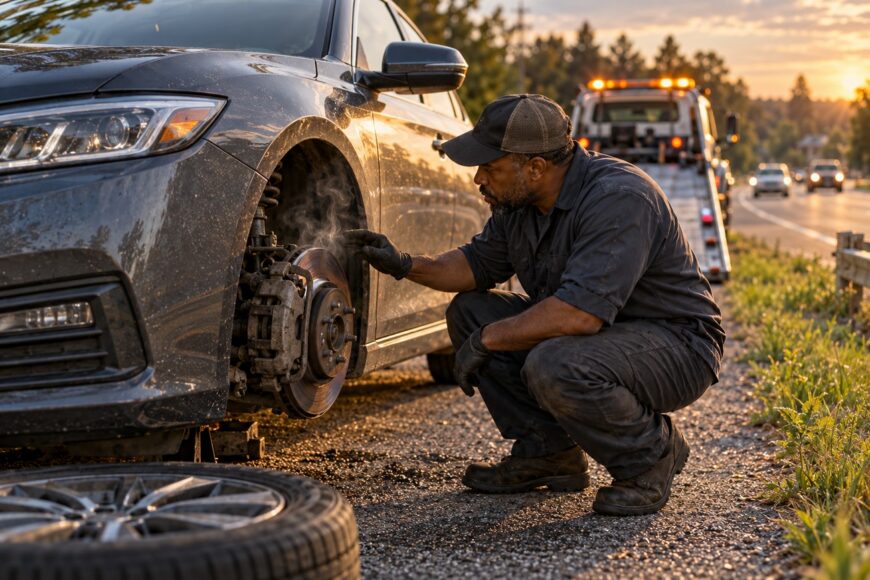
Pull over as soon as you can do so safely if grinding is persistent and harsh, braking feels weaker, the vehicle pulls under braking, or you notice smoke or signs of overheating. Do not make another trip to see whether you can reproduce those symptoms. Arrange for the vehicle to be towed to a repair facility.
Persistent grinding during braking can mean a pad has worn to its metal backing, but the sound alone does not establish the cause. A warning squeal may have preceded this stage, though it is not a reliable indication of how much friction material remains. Continuing to brake with metal contacting the rotor can add damage while you are still able to slow the vehicle.
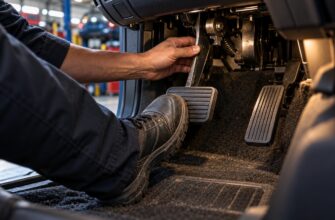
A normal-feeling pedal does not establish that the brake assembly is safe. One wheel may have a worn pad or a sticking component while the others still provide enough braking to mask the problem during routine driving. Treat a clear change in braking behavior as urgent even if the grinding is intermittent.
If you hear a brief scrape that disappears and notice no change in braking, make a note of the conditions instead of conducting a test drive. Noise that persists, repeatedly returns, or comes with vibration deserves an inspection. If you are uncertain whether the brakes are safe to use, leave the vehicle parked and seek professional advice about transport.
Grinding brake sounds: what the pattern can tell you
Timing and location help a technician narrow the search, but overlapping faults can produce similar sounds. Use these patterns to describe what happened, not to select a replacement part.
| When or where it happens | Plausible causes | Appropriate next action |
|---|---|---|
| First stops after rain, washing, or outdoor parking | Surface rust on a rotor; sometimes road grit | Note whether it clears promptly. Arrange an inspection if it persists or repeatedly returns. |
| Persistent grinding under light braking | Pad wear reaching the metal backing, rotor contact, debris, or uneven pad movement | Stop driving if the grinding is harsh or braking changes. Arrange a brake inspection rather than assuming the pads alone are at fault. |
| Grinding that seems to come from one wheel | Sticking caliper components, a misaligned pad, or trapped debris | Report the suspected side and have both brakes on that axle inspected. |
| Noise while releasing the pedal or turning | Contact involving hardware or the rotor shield, debris, or uneven brake movement | Note whether braking changes the sound and have the assembly checked. Do not reach into the wheel area. |
| Noise after brake service | Temporary bedding-in noise, incorrect fitment, hardware, or installation faults | Contact the repairer if grinding persists or if vibration, pulling, or overheating occurs. |
Morning rust or trapped debris: when a brief grind may clear
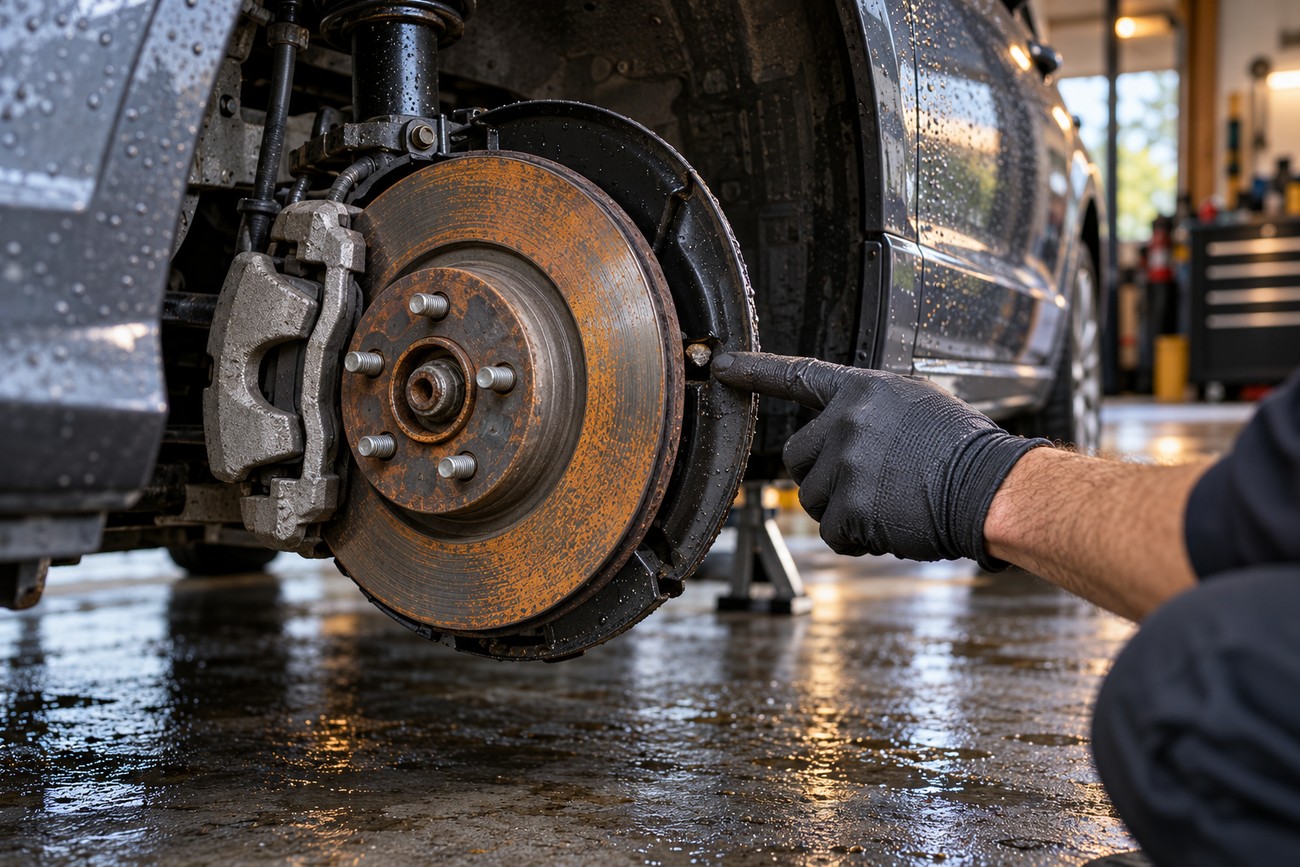
Moisture can leave light surface rust on exposed brake rotors after rain, washing, or outdoor parking. The pads may scrape that film during the first few stops, then the sound may fade as braking clears the contact surface. A short-lived noise in those conditions is a useful clue rather than proof that nothing needs attention.
Stone, sand, or road debris between brake components can also cause intermittent grinding without necessarily indicating worn-out pads. A piece of grit may shift or clear, making the sound hard to repeat. From inside the vehicle, that noise can resemble contact caused by pad or hardware wear.
Pay attention to whether the sound disappears promptly and stays away. Grinding that continues beyond the first stops, returns repeatedly under similar conditions, or comes with pedal pulsation or vibration warrants inspection, even if it began on a damp morning. Repeated noise may have a cause other than surface rust.
Do not reach behind a wheel or touch the rotor to look for debris; brake parts may be hot, and a visual check from outside cannot establish what is caught inside the assembly. If the vehicle otherwise brakes normally and the sound has cleared, a description of the weather and timing will still help a technician assess it if it recurs.
Why one wheel grinds: pads, rotors, calipers, and hardware
As a pad’s friction material wears away, its metal backing can contact the rotor and produce persistent grinding during braking. The sound alone does not establish that this has happened: debris, a rotor shield, or brake hardware can create similar contact noises. A pedal that feels normal is no substitute for checking the pad and rotor.
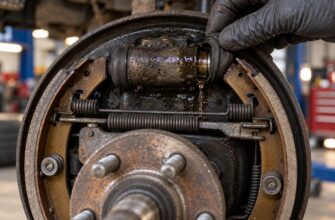
Sticking caliper components or misaligned pads can cause uneven contact at one wheel. A pad that does not move freely may drag even after you release the pedal, while an issue with mounting hardware can change how a pad sits against the rotor. Both situations can produce localized noise and uneven wear.
A much thinner inner pad than outer pad can point toward restricted caliper movement or a pad that is not sitting correctly. A quick view through the wheel may show the outer pad while missing the more worn one.
Rotor condition adds another clue. Corrosion and uneven surface wear can accompany scraping, while vibration or pedal pulsation can indicate a surface or runout issue that needs measurement. A rotor may have problematic runout, surface wear, or cracking even if its thickness is within specification.
Noise that changes during a turn or appears as you release the pedal may involve a shield, debris, or hardware contact rather than the same contact heard during firm braking. Note the change for the technician, but avoid assigning the fault to a particular wheel solely by how sound travels through the cabin. Front and rear brakes can also have different faults on the same vehicle.
What to check safely before booking a brake inspection

Write down when the noise occurs: at what approximate speed, under light or firm brake pressure, and while applying or releasing the pedal. Include recent rain or washing, whether turning affects it, and whether it seems to come from the front, rear, left, or right. These observations can focus an inspection without requiring you to reproduce an unsafe symptom.
From a safe, parked position, you can note warning lights, visible smoke, or an obvious change in how the vehicle sits or smells. Do not touch a wheel or brake part that may be hot, remove components, or put your hand into the brake assembly. If you can see an outer pad through the wheel, remember that it does not reveal the condition of the inner pad.
Ask the technician to inspect pad wear on both sides of the affected assembly, rotor condition, caliper movement, and associated hardware. The counterpart brake on the same axle also matters when wear appears uneven. Road noise may seem to come from one corner even when the cause is less obvious on inspection.
Measurements should be compared with the applicable OEM specifications rather than a universal pad or rotor wear number. Depending on the findings, rotor thickness alone may be insufficient: runout, surface condition, and evidence of cracking can also affect the repair decision. Request the observations and measurements before approving parts.
Grinding after new pads or rotors: break-in versus an installation fault
New pads and rotors may make temporary noise as their contact surfaces bed in. A brief change in sound after service, without other symptoms, does not by itself show that the new parts are defective. Follow the bedding-in guidance supplied for the vehicle and fitted components rather than assuming every brake job needs the same procedure.
Persistent metallic grinding, vibration, pulling, or signs of overheating should not be dismissed as break-in. Contact the repairer and describe when the noise began and whether it has changed. If braking is impaired or the grinding is harsh, stop driving and arrange transport.
Installation and hardware problems can cause grinding even after pads have been replaced. Incorrect fitment, dirty pad mounting points, misplaced hardware, or inappropriate lubrication can interfere with pad movement. The technician should also check the rotor and caliper rather than treating the newly fitted pad as the only possible source.
On applicable electronic parking brake systems, brake work requires the correct service procedure, including service mode where specified. Incorrect handling can leave a problem that bedding-in will not resolve. An inspection should verify the completed procedure and the mechanical condition of the assembly before any repair is declared successful.
Why replacing pads alone may not fix the grinding
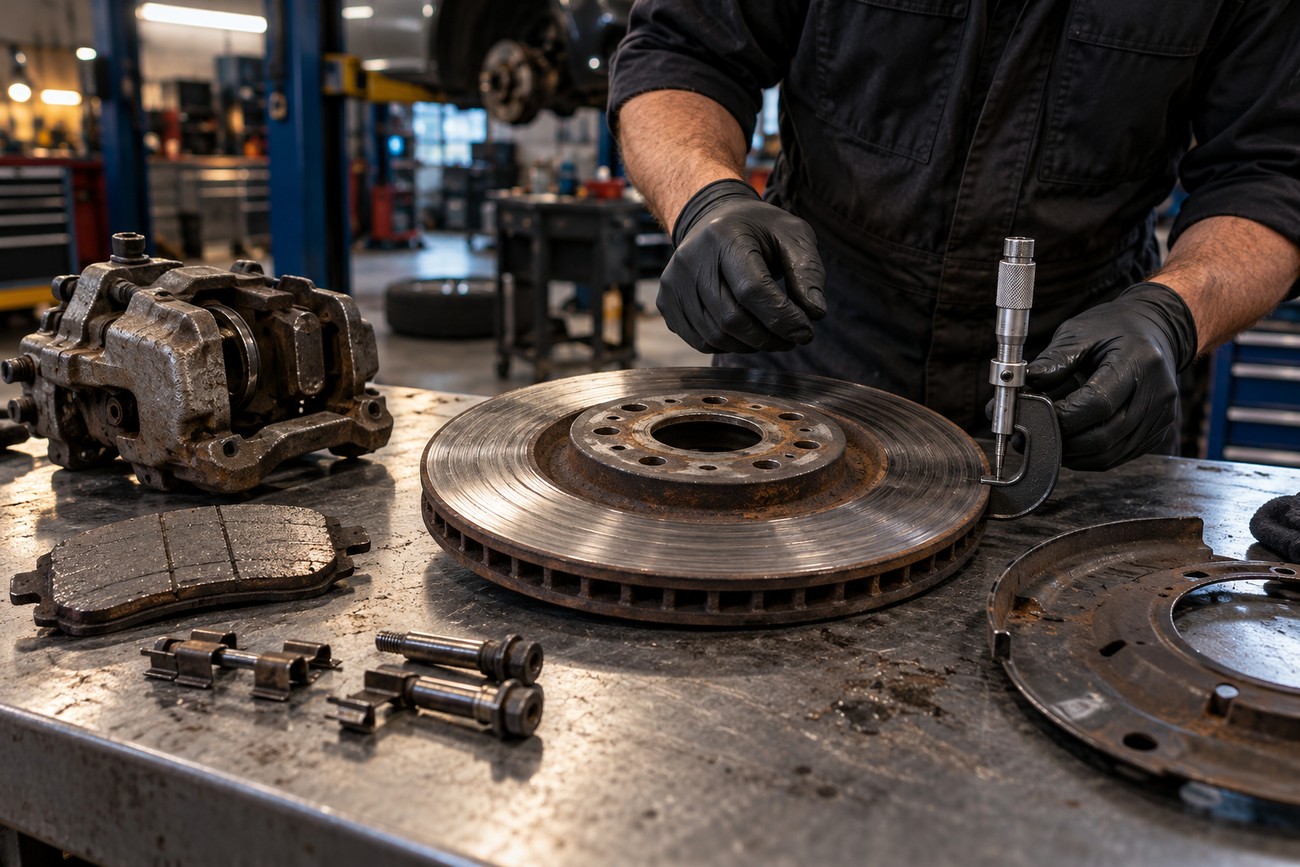
A new pad will still contact a worn or damaged rotor, and it may wear unevenly if the caliper or mounting hardware does not let it move correctly. That is why a diagnosis should account for the cause of the wear, not only the part that makes the noise. A trapped stone or contact at a shield may call for a different remedy altogether.
Rotor thickness is one measurement, not a complete verdict. A rotor may have problematic runout, surface wear, or cracking even if its thickness is within specification. Pad and rotor service limits depend on the vehicle and components, so the technician should use the applicable OEM specifications rather than a universal number.
Pad material alone cannot guarantee quiet braking. The fit and condition of the pads, rotors, calipers, and hardware all influence noise, as do the conditions in which the brakes operate. A promise that a particular replacement pad will silence an unidentified grind skips the fault-finding step.
Ask for an itemized estimate that states the inspection findings, measurements against the applicable specifications, and why each recommended part needs repair or replacement. That gives you a way to distinguish necessary work from a pad-only guess. It also provides a basis for checking the completed repair: the underlying fault should be addressed, since a quieter sound alone cannot confirm that it was.
Frequently asked questions
Grinding is a symptom, so the repair plan depends on what an inspection finds. These answers address common decisions about estimates, other brake noises, and a suspected fault at one wheel. If braking has changed or grinding is harsh and persistent, leave the vehicle parked while you arrange help.
How much does it cost to fix grinding brakes?
There is no reliable fixed price based on the sound alone. Clearing debris, replacing worn pads, addressing rotor damage, and repairing a sticking caliper involve different work. Request an itemized diagnosis showing the fault found, the parts and labor proposed, and any measurements supporting the repair.
Why do I hear grinding noises when I brake?
Grinding can result from metal-backed pad contact, surface rust, debris, or a component rubbing where it should not. Timing helps narrow the possibilities, but it cannot identify the fault on its own. A brief first-stop scrape after rain differs from grinding that persists during routine braking; the latter needs prompt inspection.
If the sound occurs only during a hard stop on a slippery surface and you feel rapid pedal pulsing, anti-lock braking system operation may be involved. That does not explain persistent grinding during ordinary stops, which still calls for a brake check.
What are signs of a failing brake caliper?
Possible signs include grinding or dragging that seems concentrated at one wheel, pulling during braking, uneven pad wear, or signs that a wheel is overheating. None confirms a caliper fault without inspection, because pads, hardware, and debris can produce overlapping symptoms.
Have the affected assembly and its counterpart on the axle checked. The technician can compare inner and outer pad wear and assess caliper movement before deciding which components need work.