A metallic ping during acceleration and a deep knock from the engine’s lower end can mean different things. The first may point to abnormal combustion in a gasoline engine; the second may signal serious wear or inadequate lubrication. Neither sound, on its own, proves what has failed.
The immediate decision is whether it is safe to keep driving. For a persistent deep knock, an oil-pressure warning, or overheating, pull over safely and shut off the engine. With a light ping that appears only under load and no warning signs, ease off the throttle and avoid heavy loads until the cause can be checked.
Note when the noise starts, whether it changes with engine speed, and whether it fades after warm-up or lighter throttle. Those details help a technician choose the right checks. They do not turn a description—or a recording—into a diagnosis.
- Two Different Problems Called Engine Knocking
- What Causes Combustion Knock Under Load?
- What Causes a Mechanical Knock or Tick?
- Engine Knock Sounds and Operating Conditions: What They Suggest
- What to Do When the Engine Starts Knocking
- Why a Knock Sensor or a Fuel Change May Not Solve It
- How a Technician Finds the Cause—and Fixes It
- Frequently asked questions
- What non-engine sounds can be mistaken for knocking?
- How do you fix engine knocking?
- What is the common cause of engine knocking?
- What can be mistaken for engine knocking?
- What causes engine knocking while driving?
Two Different Problems Called Engine Knocking
Combustion knock involves abnormal combustion in a gasoline engine. During detonation, part of the fuel-air mixture burns abnormally after the spark, producing sharp pressure waves. It may sound like metallic pinging, particularly when the engine is working hard.
Pre-ignition is distinct: combustion begins before the spark, potentially because a hot spot ignites the mixture. Detonation and pre-ignition can interact, and both can expose engine parts to damaging pressure and heat. The distinction matters because a technician needs to identify the underlying conditions rather than treat every combustion noise as a fuel-grade problem.
Mechanical knocking comes from moving components or their lubrication and clearance. Worn bearings, excess piston clearance, and valve-train faults are among the possibilities. Their remedies differ from those for abnormal combustion and may require inspection or repair of internal parts.
A driver’s description can narrow the starting point, especially when it includes load, temperature, and engine speed. Similar sounds can still have different sources, and more than one fault can be present. Sound and operating conditions suggest diagnostic priorities but cannot establish a cause on their own.
What Causes Combustion Knock Under Load?

Combustion knock often becomes noticeable during acceleration or hill climbing because the engine is producing more torque under those conditions. A metallic ping that fades when you ease off the throttle is a useful clue, though it does not confirm detonation. Asking the engine to pull hard at low speed in a high gear can also make a load-related noise easier to notice.
Fuel with less octane resistance than the engine requires can contribute to knock. Use fuel that meets the manufacturer’s specification; an approved minimum grade is not inherently unsafe. If pinging repeatedly occurs on an allowed grade, have the vehicle checked rather than assuming the noise is normal or that the grade is universally unsuitable.
Excessive ignition advance can increase the tendency to knock, as can overheating. Aggressive tuning may reduce the engine’s margin against abnormal combustion, particularly under heavy load. A new noise after a calibration change deserves attention, but timing settings alone should not be blamed without checking the engine’s operating conditions.
Fuel-delivery or mixture faults can contribute, too. For example, an injector problem or unmetered air may create operating conditions that favor knock, although lean running does not cause knock in every engine or situation. Deposits in the combustion chamber can also raise temperatures or reduce the space available to the mixture, narrowing the margin against abnormal combustion even when the fuel grade is correct.
What Causes a Mechanical Knock or Tick?
At the engine’s lower end, worn crankshaft or connecting-rod bearings can develop excess clearance and produce a deep knock. Inadequate lubrication can accelerate that wear. A persistent deep knock that grows with engine speed warrants urgent attention, particularly if an oil-pressure warning appears.
Low oil level, an oil-supply restriction, or oil that does not meet the engine’s requirements can leave moving parts inadequately protected. Oil pressure is valuable information, but a normal reading does not rule out every mechanical fault. If a knock began after an oil service, record what changed and have the oil level and specified oil checked without assuming the service caused the noise.
Excess clearance around a piston or piston pin can also produce a knock. Some piston-related noises are more apparent on a cold start and diminish as parts expand with heat. A noise that fades after warm-up may reflect changing clearances or lubrication, but fading alone does not prove it is harmless.
Higher in the engine, valve-train components such as camshaft parts and hydraulic lifters can produce a sharper tick or clatter. A brief startup tick may settle as oil circulates; a recurring or worsening sound still merits assessment. Its location and rhythm help guide inspection, but they cannot identify the failed component by ear.
Engine Knock Sounds and Operating Conditions: What They Suggest
These patterns help prioritize checks; none is a diagnosis. If a persistent deep knock, an oil-pressure warning, or overheating occurs, pull over safely and shut off the engine.
| Sound | When it occurs | Possible cause | Safest next step |
|---|---|---|---|
| Metallic ping | During acceleration or hill climbing; may fade with lighter throttle | Possibly abnormal combustion | Reduce load, check the specified fuel grade, and arrange diagnosis if it persists. |
| Deep lower-end knock | Persistent or increasing with engine speed | Possibly bearing wear or inadequate lubrication | Pull over safely and shut off the engine; seek assistance rather than continuing to drive. |
| Upper-engine tick | At startup or in rhythm with engine speed | Possibly valve-train or hydraulic-lifter noise | Check for warnings and arrange an inspection, particularly if it persists or worsens. |
| Noise limited to cold starts | Fades as the engine warms | Possibly changing clearances or oil circulation | Note its duration and whether it is changing; have a recurring noise assessed. |
What to Do When the Engine Starts Knocking
First, respond to warning signs rather than trying to identify the sound while driving. For a persistent deep knock, an oil-pressure warning, or overheating, pull over safely and shut off the engine. Continuing to run it could worsen damage; arrange assistance if it cannot be driven safely.
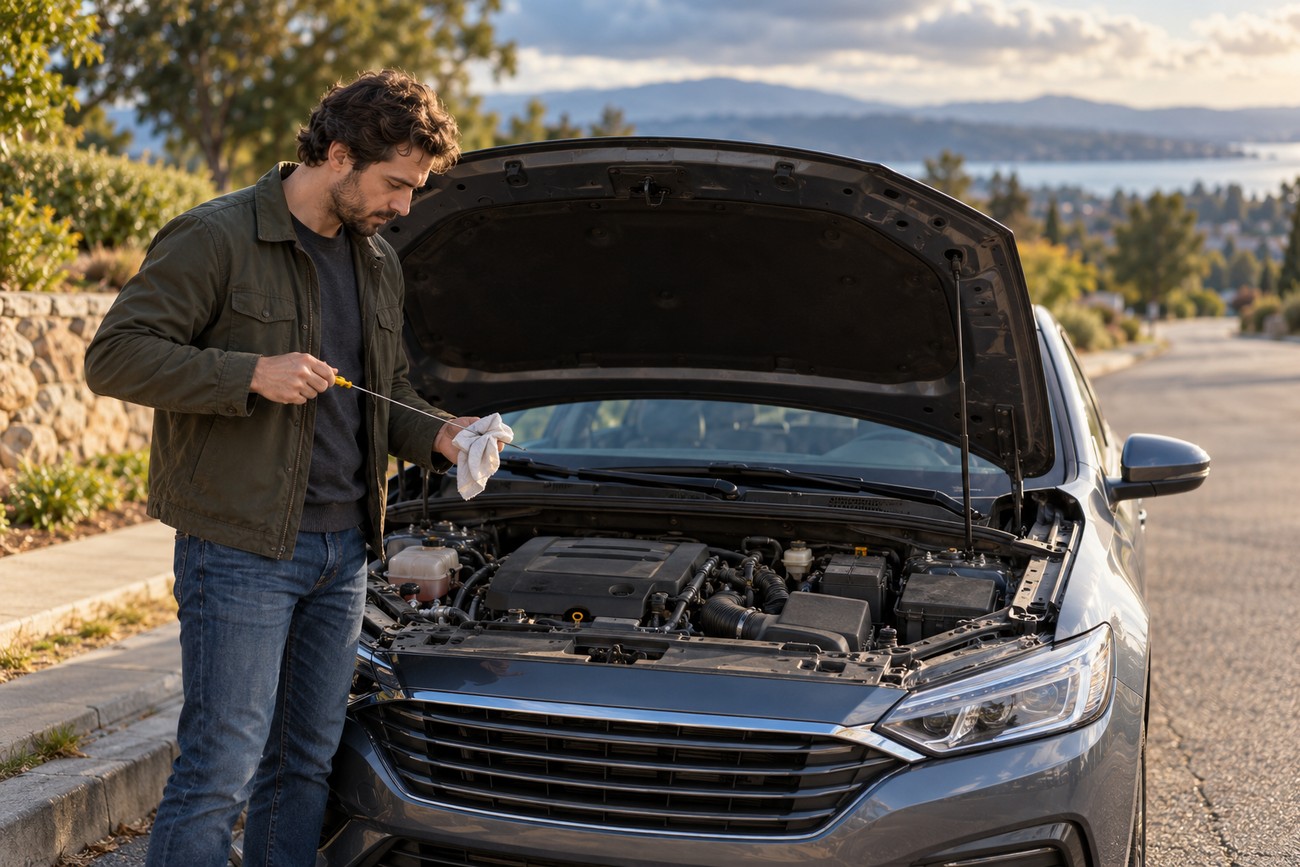
When it is safe, check the oil level using the vehicle’s instructions, including any required wait after shutting the engine off. Look for obvious leaks, but do not touch hot components or assume that a correct level makes a deep knock safe. An oil-pressure warning needs attention even if the dipstick shows oil.
For a light ping that appears under load without those warning signs, ease off the throttle and avoid hard acceleration or heavy loads. Check that the fuel meets the manufacturer’s specification, especially if the noise followed refueling. Reducing load is a precaution, not a repair; arrange diagnosis if the ping repeats or remains noticeable.
A thicker oil or an additive may quiet some mechanical noise without repairing worn bearings or other damaged components. Use oil that meets the vehicle’s specification, and have a new or worsening knock investigated instead of relying on a quieter sound as proof that the problem is gone.
Why a Knock Sensor or a Fuel Change May Not Solve It
A knock sensor detects engine vibration and allows the engine computer to adjust ignition timing in response. That control can reduce combustion knock, but it does not guarantee protection against persistent knock, overheating, or every source of engine damage. It also cannot correct worn bearings.
A fuel change is worth considering when pinging begins after refueling, provided the replacement fuel meets the vehicle’s specification. Follow the owner’s manual where it distinguishes a minimum grade from a recommended one. An approved minimum grade is not inherently unsafe, yet repeatable pinging on it warrants investigation.
Fuel is only one part of the picture. Cooling faults, mixture or fuel-delivery problems, deposits, and unsuitable tuning may contribute to combustion knock despite the correct grade. Conversely, changing gasoline cannot repair mechanical clearance or lubrication faults, so a deep knock should never be treated as a fuel experiment.
How a Technician Finds the Cause—and Fixes It
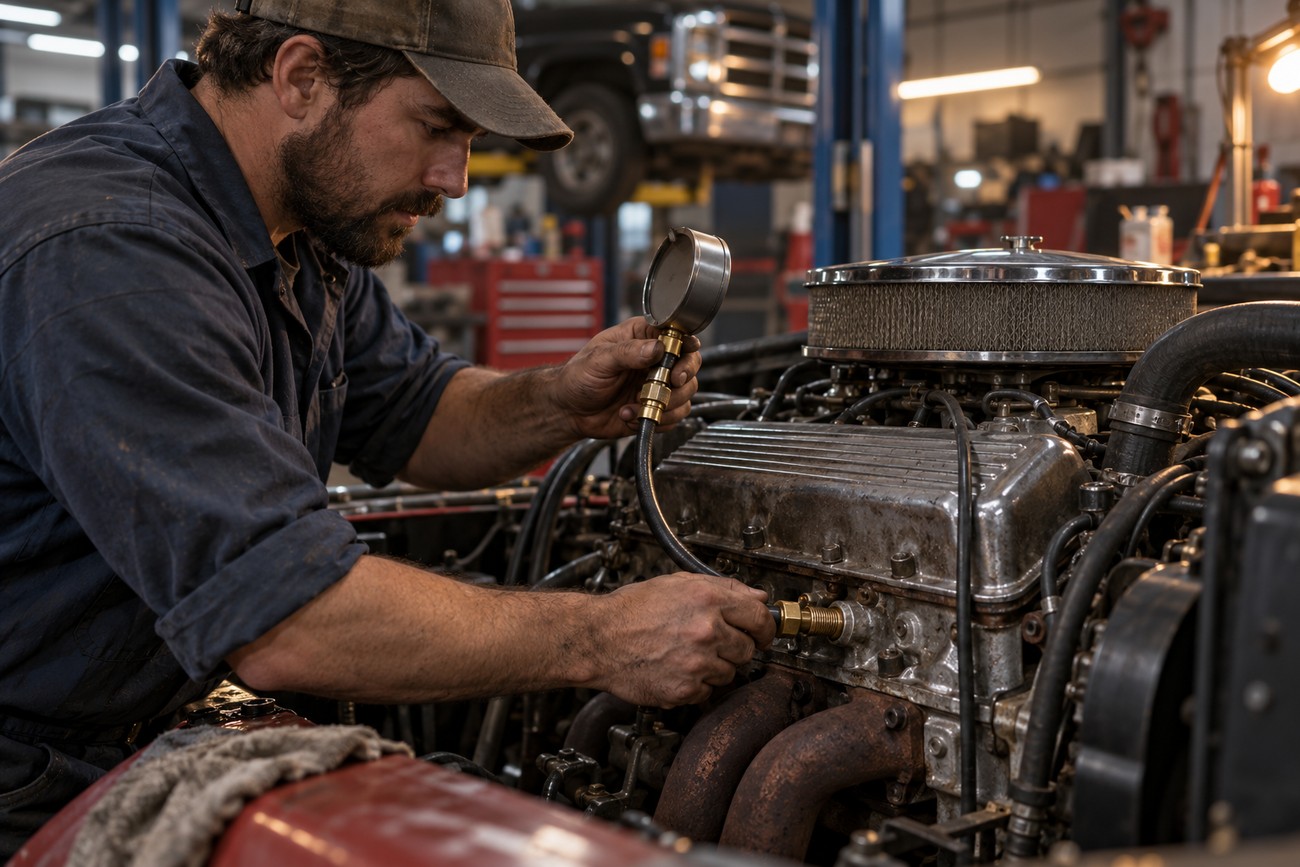
Diagnosis starts with the circumstances: whether the noise appears cold or hot, at idle or under load, and whether it changes with engine speed. Recent refueling, an oil service, or tuning can provide useful context without proving causation. Report any warning lights and whether the noise is new, recurring, or getting louder.
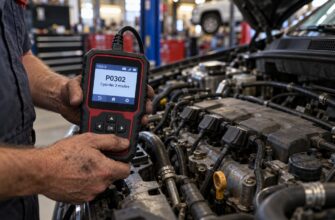
A technician may check fault codes and operating data, then assess fuel specification, fuel delivery, and cooling performance where the symptoms point toward combustion knock. A code can identify a useful line of inquiry, but it does not establish that every noise comes from detonation. Mechanical and lubrication checks remain important when the pattern calls for them.
Reproducing a noise under the load and temperature conditions that bring it on, then reviewing the corresponding operating data, is more informative than judging an idle recording alone. If the noise suggests serious damage, the engine should not be run simply to recreate it.
For a suspected mechanical knock, checks may include verifying oil level and pressure, locating the sound, and inspecting components as indicated. A normal oil-pressure reading or an oil change alone cannot settle every bearing, piston, or valve-train concern. The scope of inspection depends on the symptoms and initial findings.
The repair should address the confirmed fault: correcting a fuel, cooling, mixture, or ignition-related problem where abnormal combustion is established, or repairing worn or inadequately lubricated components where mechanical damage is found. Matching the fix to the cause avoids both unnecessary parts replacement and continued driving with an unresolved risk.
Frequently asked questions
Several different faults can create a knocking description, and some sounds come from outside the engine. These answers identify useful distinctions and next checks without diagnosing a particular vehicle remotely.
What non-engine sounds can be mistaken for knocking?
An exhaust leak can make a sharp ticking sound, while a loose heat shield may rattle as engine speed or vibration changes. A technician can check where the sound is loudest and whether it follows exhaust pulses, road movement, or engine load. Location and timing matter because a noise heard near the engine does not necessarily come from inside it.
How do you fix engine knocking?
Fixing engine knocking requires identifying its cause first. A confirmed combustion fault might require correcting fuel delivery, cooling, or ignition control; a damaged bearing or other worn part requires mechanical repair. A scan result, fuel change, or quieter sound after an oil change is not enough by itself to verify a fix.
What is the common cause of engine knocking?
There is no single common cause that applies to every sound called “knocking.” Metallic pinging under load may suggest abnormal combustion, while a deep, persistent knock may suggest a mechanical or lubrication problem. The operating pattern and inspection results are more useful than choosing a cause from the word alone.
What can be mistaken for engine knocking?
Valve-train ticking, piston-related cold-start noise, and accessory-driven rattles can all be described as a knock. Even a vibration from outside the engine can be misleading from the driver’s seat. Note whether the sound occurs while stationary, changes with engine speed, or appears only over bumps, and have its source checked if it persists; the absence of a warning light does not make it harmless.
What causes engine knocking while driving?
A noise that appears while driving may be linked to engine load, speed, or temperature, or it may come from a component disturbed by road movement. Record whether it happens during acceleration, steady cruising, or bumps. If it becomes a persistent deep knock, or an oil-pressure warning or overheating appears, pull over safely and shut off the engine.