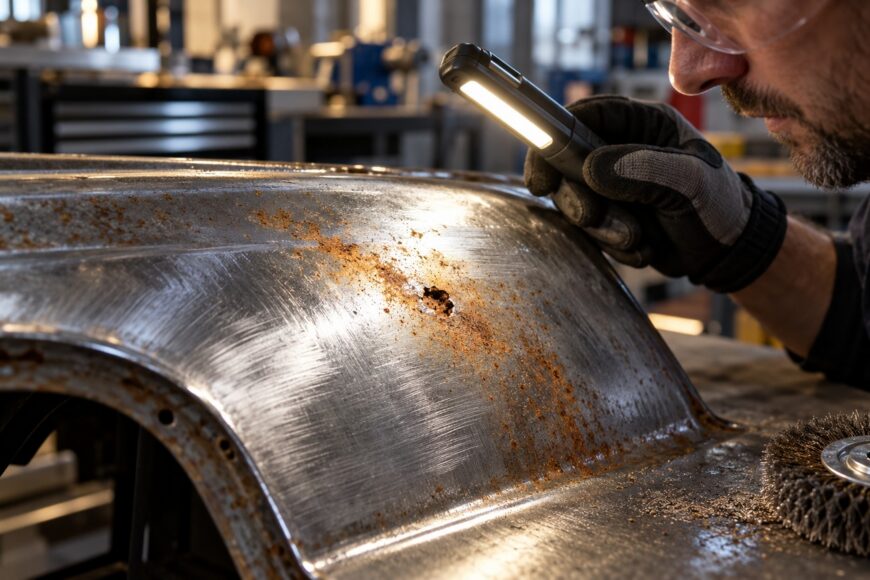
Fresh paint can look like a successful rust repair until orange spots return through the coating, bubbles form along an edge, or a thin rust line reappears beside a seam. These failures usually begin before painting: loose corrosion, salt, oil, or moisture remains on the steel, or water continues to reach the same area from behind.
The orange color is a poor measure of risk by itself. Judge the steel after cleaning, then check whether moisture or chlorides can reach it again. A sound surface repair is possible when the remaining metal is firm and continuous; pits, thinning, perforation, or corrosion emerging from a joint may require metal repair rather than another layer of paint.
- How to Tell Whether Surface Rust Is Still a Surface Problem
- Prepare the Steel Before You Apply Anything
- Rust Converters, Primers, and Coatings: What Each One Can—and Cannot—Do
- A Durable Workflow for Treating Surface Rust
- Why Rust Comes Back Under Paint
- Prevent the Next Spread: Moisture, Salt, and Material-Specific Checks
- Frequently asked questions
- What can I put on rust to prevent it from spreading?
- How soon should bare steel be primed after rust removal?
How to Tell Whether Surface Rust Is Still a Surface Problem
Surface rust is an oxide layer, not a reliable description of the damage beneath it. A thin orange film may be superficial, while a small-looking spot can conceal a deeper pit. The useful inspection begins only after loose rust and contamination have been removed enough to expose the actual steel.
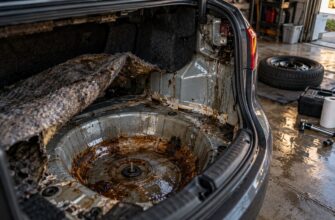
Clean the area mechanically and examine the remaining surface in good light. Firm metal with staining or shallow texture may still be suitable for a coating repair, subject to the product system and the surrounding condition. Rough pits or cavities remaining after cleaning indicate localized metal loss and more than purely cosmetic rust.
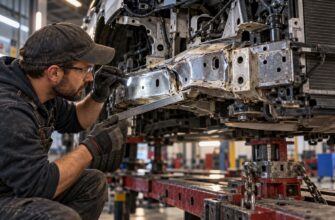
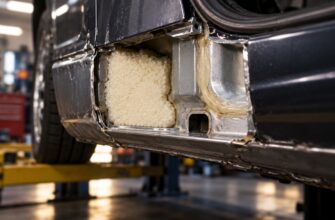
Look beyond the visible center of the patch. Edges, welds, seams, crevices, and areas under fasteners retain moisture and may corrode faster than open, flat steel. A rust line that follows a joint, or a blister that begins beneath a fastener, often means corrosion is entering from a concealed path rather than developing only on the painted face.
Use a simple stop-and-escalate rule: if cleaning reveals sound, continuous steel, proceed with surface preparation; if it reveals deep pitting, significant thinning, holes, cracking, or an attachment that has lost its integrity, stop treating it as a cosmetic defect. Pitting can progress locally when moisture and chlorides are present, so a small exposed area does not guarantee a small repair.
Prepare the Steel Before You Apply Anything
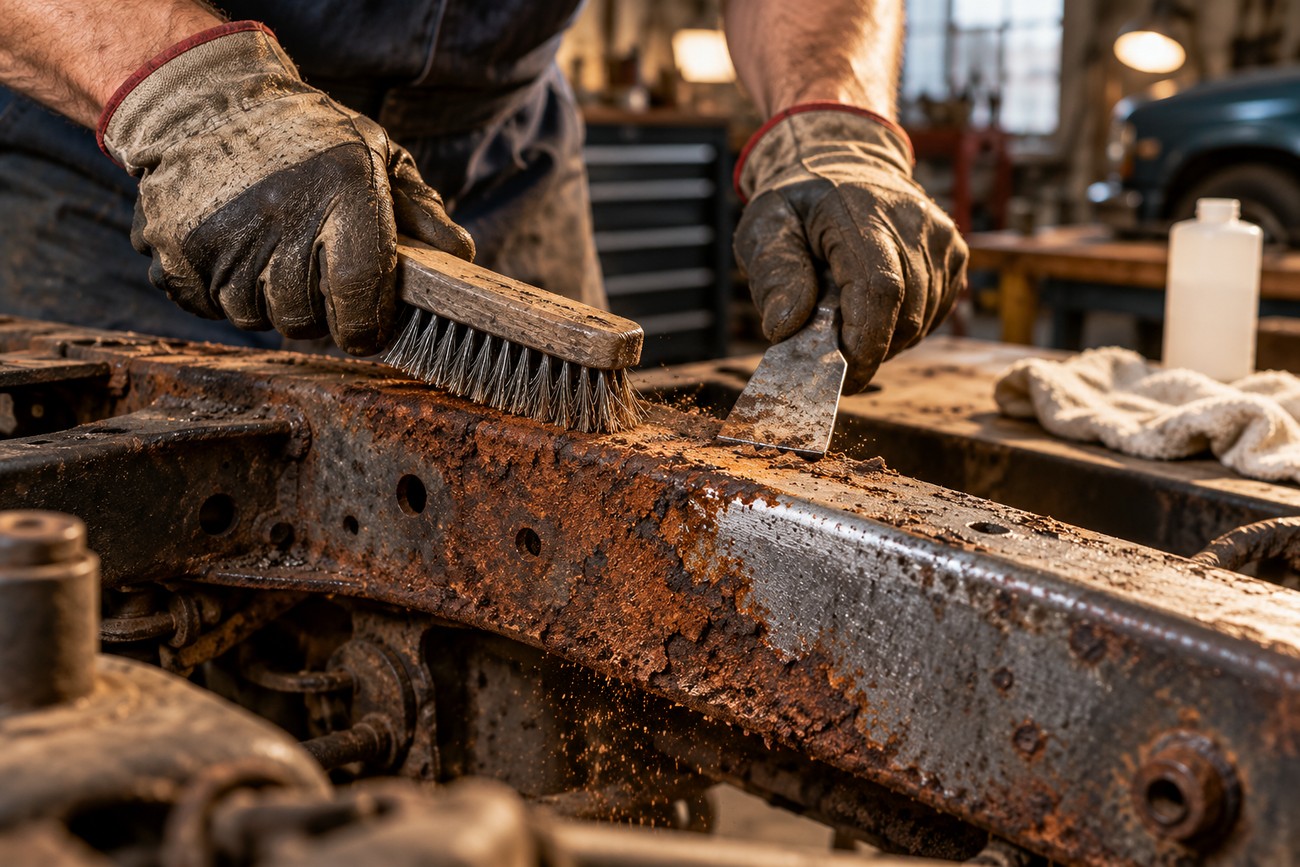
Preparation determines whether the coating has a clean, stable surface to grip. Loose rust, oil, dirt, salts, and moisture must be removed before primer or coating is applied. Painting over a contaminated surface can hide the defect temporarily while leaving the corrosion process active underneath.
Start by removing dirt and soluble contamination in a way suitable for the object and coating system, then allow the steel and surrounding joints to dry. Mechanical cleaning may involve a suitable abrasive, wire tool, scraper, or other controlled method that removes loose oxide and exposes firm material. The aim is not to polish every mark away; it is to eliminate unstable material and create a surface compatible with the next layer.
Industrial preparation is commonly described with Sa/St cleanliness levels, rather than by simply wiping the surface. Those designations reflect the degree and method of cleaning required by a coating system. A small repair may not use an industrial blast-cleaning specification, but wiping alone is not an equivalent preparation standard.
Freshly cleaned bare steel can develop flash rust quickly in high humidity. Keep the interval between cleaning and priming short and controlled, and inspect the surface again before applying anything. If visible flash rust appears, remove or treat it according to the selected system instead of automatically sealing it beneath primer.
Dryness includes places that are easy to miss: a seam, fastener pocket, folded edge, or cavity can hold water after the exposed face feels dry. Primer and topcoat isolate prepared steel; they do not reliably stop corrosion when moisture or salts remain underneath. A clean-looking face is therefore insufficient if the geometry still traps contamination.
Rust Converters, Primers, and Coatings: What Each One Can—and Cannot—Do
These products perform different jobs, and substituting one for another is a common cause of early failure. The table separates the treatment stage from the conditions each material requires.
| Material or method | Suitable surface condition | Required preparation | Main benefit | Common failure outside its operating window |
|---|---|---|---|---|
| Mechanical rust removal | Loose rust, scale, flaking coating, and accessible corrosion | Remove unstable material, then clean away dust, oil, dirt, salts, and moisture | Exposes firm steel and reveals whether pits or metal loss remain | Rust is left in pits, seams, or under edges, allowing corrosion to continue beneath the coating |
| Rust converter | Residual iron oxide that cannot be fully removed by the chosen mechanical method | Remove loose rust first; apply only as specified; observe reaction, drying, residue removal or neutralization, and compatibility requirements | Reacts with iron oxide and changes or stabilizes the remaining rust layer | Thick application, incomplete reaction, residue, moisture, or incompatibility weakens adhesion or leaves active corrosion below the coating |
| Anti-corrosion primer | Clean, dry, prepared steel or a substrate approved by the product system | Use the specified cleanliness, degreasing, drying, film, and recoat conditions | Provides the prepared steel with a protective and paint-ready foundation | It fails to bond or seal reliably when salts, oil, loose rust, or dampness remain underneath |
| Topcoat | Fully cured or suitably prepared primer and compatible underlying system | Follow the primer’s recoat window, remove contamination, and seal exposed edges and defects | Forms the outer barrier against water and the environment | It masks bubbling or renewed rust without correcting the substrate or the source of moisture |
A converter requires direct contact with iron oxide, so it cannot work through sound paint, grease, loose scale, or a thick pile of untreated rust. It also does not replace removal of loose rust, moisture, or salts. The specified reaction time, drying, neutralization or residue removal, and compatibility with the next coating are part of the treatment, not optional details.
Primer and topcoat form a system after preparation. Neither automatically stops corrosion on contaminated or damp steel, and a converter is not a universal primer. A dependable repair uses cleaning and drying, suitable mechanical preparation, an optional condition-appropriate converter, compatible primer, and protective coating rather than relying on one miracle product.
A Durable Workflow for Treating Surface Rust
Begin with inspection, including the reverse side and nearby joints where access allows. Identify how water arrives, where it drains, and whether salt or dirt can collect. Wash away contamination using a method appropriate to the substrate, then give seams, folds, fastener pockets, and cavities enough time to dry.
Remove loose corrosion mechanically and extend the preparation slightly beyond the visible stain so the coating will end on stable material. Reassess the steel as soon as the unstable oxide is gone. If pits, cavities, thinning, or perforation remain, the next decision is metal repair or a more substantial restoration, not simply a stronger rust product.
After mechanical cleaning, remove dust and decrease with a product compatible with the intended primer. Keep salts out of the prepared area and verify that no cleaner, rinse water, or condensation remains. The surface must be fully dry before priming or coating, and freshly cleaned steel should not be left exposed unnecessarily in humid air because flash rust can form quickly.
Use a converter only when the product is intended for the amount and type of residual oxide that remains. It may be useful in pits or areas where complete mechanical removal is impractical, but it is optional and condition-dependent. Skip it when the selected primer requires clean bare steel, when the residue cannot be removed or confirmed compatible, or when the rust is loose enough that mechanical removal is the better solution.
Apply primer within the product’s specified conditions and recoat window, then add a compatible protective topcoat. Seal vulnerable edges, chips, seams, and repaired defects where the system calls for it, without trapping uncured material. Before recoating, check the surface for dryness, dust, flash rust, lifting, and compatibility; if any of these signs appears, correct the underlying condition instead of burying it.
The repair lasts only as long as the exposure is controlled. An expensive coating cannot compensate for a blocked drain, failed seal, recurring condensation, or an unsealed edge that keeps delivering water. The durable sequence is cleaning, drying, removal of loose corrosion, degreasing, compatible primer, and protective topcoat, followed by correction of the moisture source.
Why Rust Comes Back Under Paint
Trapped salt is one of the least visible causes of renewed corrosion. Chlorides from coastal exposure or road salt can sharply accelerate corrosion, especially where moisture is retained. Washing the exposed face may leave salt in a seam, under a flange, or around a fastener, where a later coating can seal the contamination against the steel.
Residual moisture causes a similar failure. A surface can feel dry while water remains in a crevice or beneath a folded edge, and condensation can return after the repair appears complete. If primer is applied over that moisture, the coating may blister, lose adhesion, or allow corrosion to continue beneath an apparently intact film.
Recurring rust lines are often traced back to a wet seam, blocked drain, failed seal, or fastener pocket rather than to the visible patch itself. Repeated sanding and repainting the same spot treats the symptom while the moisture path remains active.
Converter misuse creates another hidden layer of trouble. Applying it too thickly, shortening the reaction time, coating before it has dried, or leaving an incompatible residue can produce a weak interface. The surface may turn dark and look treated, while adhesion is poor or active corrosion remains below the next layer.
Flash rust can also appear between cleaning and priming, especially in humid air. If it is sealed automatically, the coating may be attached to a new unstable oxide rather than to prepared steel. Renewed orange spots, lifting, and bubbling are diagnostic clues that the substrate, preparation, or moisture path was not resolved; a thicker topcoat is rarely the appropriate first response.
Corrosion that emerges from a seam, edge, or fastener often indicates a concealed source. Inspect behind the visible damage and check drainage, seals, joint design, and the condition of the fastener area. A coating failure on the face may be the final symptom of water entering from somewhere else.
Prevent the Next Spread: Moisture, Salt, and Material-Specific Checks
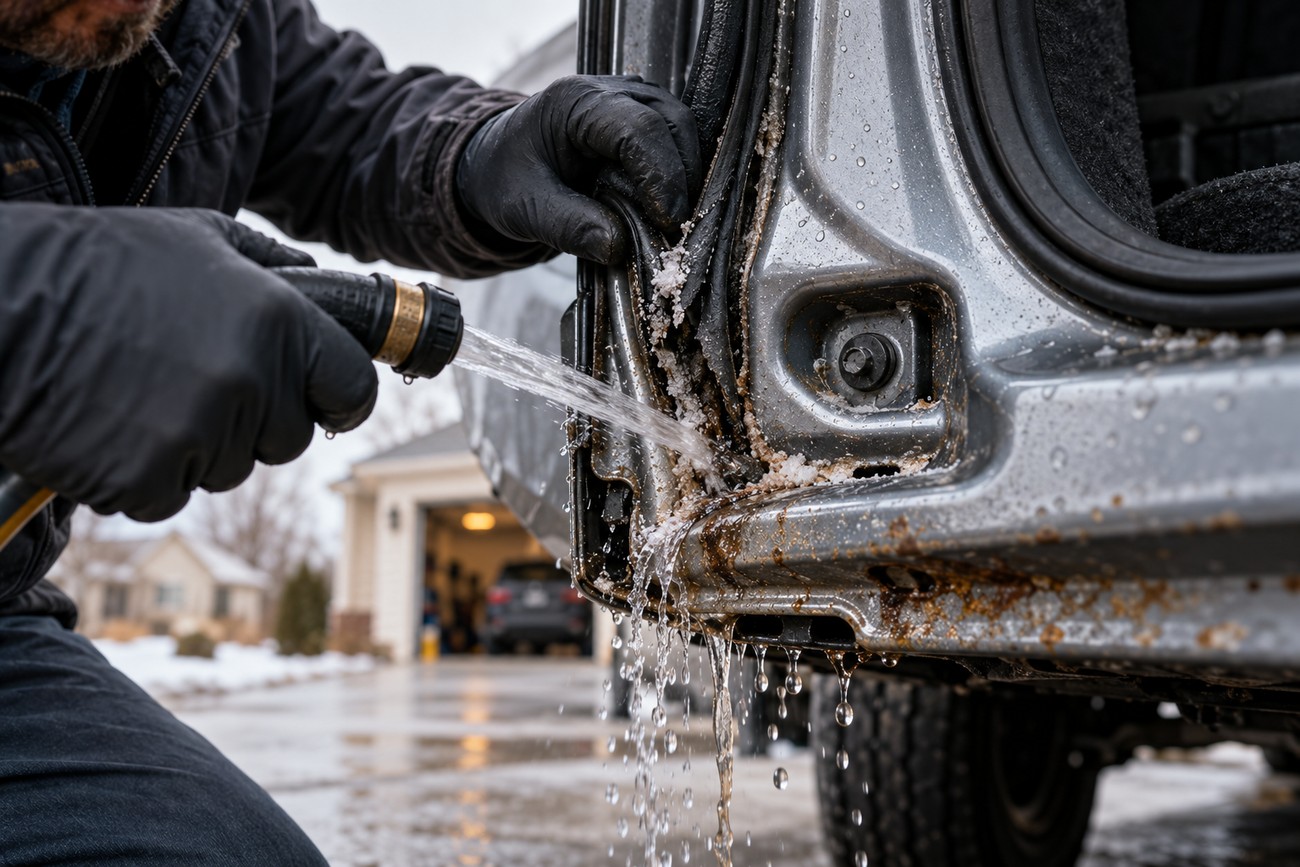
After the repair, trace the route by which water reaches the steel. Check poor drainage, damaged seals, condensation, exposed chips, unsealed edges, seams, and fastener pockets. Correcting that route is often more important to durability than choosing a stronger-sounding anti-corrosion product.
Humid, coastal, and road-salt environments expose steel to more demanding conditions than dry indoor storage. Salt can remain active in crevices even when the exposed surface looks dry, so routine washing is only useful when it also removes contamination from accessible joints and allows the area to dry. Do not close a cavity with a coating while salt or water is still trapped inside.
Exposed chips deserve early attention because they remove the protective system and create an entry point for water. Unsealed edges and damaged seams deserve similar attention: their geometry can hold moisture, and corrosion may advance beneath an apparently sound surrounding coating. A small repair is easier to maintain when the edge is cleaned, primed, coated, and sealed with materials approved for that location.
Galvanized steel requires a separate check. Corrosion often begins where zinc is scratched or exposed, and preparation and coating compatibility differ from those for ordinary bare steel. Do not copy a bare-steel repair system without confirming that the primer and topcoat are suitable for galvanized surfaces and that the damaged zinc area has been prepared as directed.
Frequently asked questions
The questions below address temporary protection and the timing of primer application. Both depend on the condition of the steel and the surrounding environment. Product compatibility and preparation requirements still apply to small repairs.
What can I put on rust to prevent it from spreading?
For short-term storage, a water-displacing or protective layer can reduce exposure while you arrange a proper repair. That temporary barrier is not equivalent to a prepared, primed, and coated surface, and it should not be treated as a permanent solution where water and salt continue to reach the steel.
Remove oily protection before priming unless the coating system explicitly allows it and specifies how to prepare over it. Trapping an oil film beneath primer can prevent adhesion and make later cleaning more difficult. A permanent repair normally requires clean, dry steel, suitable rust removal, compatible primer, and a protective topcoat.
How soon should bare steel be primed after rust removal?
Prime as soon as the surface is clean, dry, and verified, without an unnecessary delay. The acceptable interval depends on humidity, temperature, exposure, and the product instructions; freshly cleaned steel can develop flash rust quickly in humid air.
Inspect immediately before priming. If visible flash rust, dust, condensation, or contamination has appeared, re-clean and dry the surface as required rather than sealing it automatically. Product compatibility and label-controlled preparation still apply to a small repair, because size does not make an unstable substrate paint-ready.