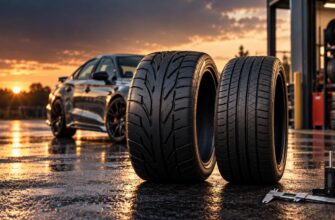
Choosing between Michelin Pilot Sport 4S and Continental ExtremeContact Sport involves more than selecting the more performance-focused name. Michelin targets road driving with occasional track use, while Continental offers a strong ownership proposition through its stated warranty and support programs. The practical choice depends on how much you value steering response and occasional circuit use versus coverage, trial flexibility, and everyday livability.
The comparison also requires a generation check. Continental ExtremeContact Sport and Continental ExtremeContact Sport 02 are different models, and seller listings can mix their specifications. Tire size, load index, speed rating, XL or OE construction, vehicle alignment, climate, and driving style can change the result substantially.
Warranty mileage should be treated as conditional coverage rather than expected tread life. Michelin’s U. S. Promise Plan lists 30,000 miles for PS4S, while some Michelin descriptions state that the tire has no mileage warranty. Continental advertises up to 30,000 miles for Sport 02. The applicable country, exact size, product version, and official terms must be checked before purchase.
- Michelin PS4S vs Continental Sport 02: the short answer
- What you are actually comparing: PS4S, ExtremeContact Sport, and Sport 02
- Michelin PS4S and Continental Sport 02: specifications, coverage, and use case
- Dry grip, wet grip, comfort, and occasional-track limits
- Why the 30,000-mile warranty does not predict tire life
- Fitment and wear: the variables that can outweigh the brand choice
- Buying mistakes and hidden drawbacks to avoid
- How to choose between them for your car
- Frequently asked questions
- How should I verify whether a PS4S mileage warranty applies to my purchase?
- What should I do before replacing a pair of fast-wearing UHP tires?
- Which tire is better, Michelin Pilot Sport 4S or Continental ExtremeContact Sport?
- Which is better, Continental or Michelin?
Michelin PS4S vs Continental Sport 02: the short answer
Michelin Pilot Sport 4S (PS4S) is a summer UHP tire for road use and occasional track use. Michelin positions it around a multi-compound tread and strong dry and wet grip. That makes it a logical candidate for a driver who prioritizes steering response and high-speed road performance, provided the exact fitment is approved for the vehicle.
Continental ExtremeContact Sport 02 is a current summer UHP model and distinct from the original ExtremeContact Sport. Its advertised limited treadwear warranty covers up to 30,000 miles, and the ownership package includes a 60-day trial period and 3 years of roadside assistance, subject to official terms. Those programs can matter to drivers who want more purchase support for a road-focused tire.
Neither model is a universal winner. A rear-wheel-drive sports car, a heavy performance sedan, and a daily-driven coupe can place different demands on the same tire. A size with a different load index, XL construction, OE specification, or sidewall design can also alter comfort, steering feel, and wear.
Use PS4S as the starting point when road performance and occasional track use are the main priorities. Consider Sport 02 when its stated coverage and ownership programs fit your market and the exact size matches the vehicle. The recommendation should follow the verified configuration rather than the brand name alone.
What you are actually comparing: PS4S, ExtremeContact Sport, and Sport 02
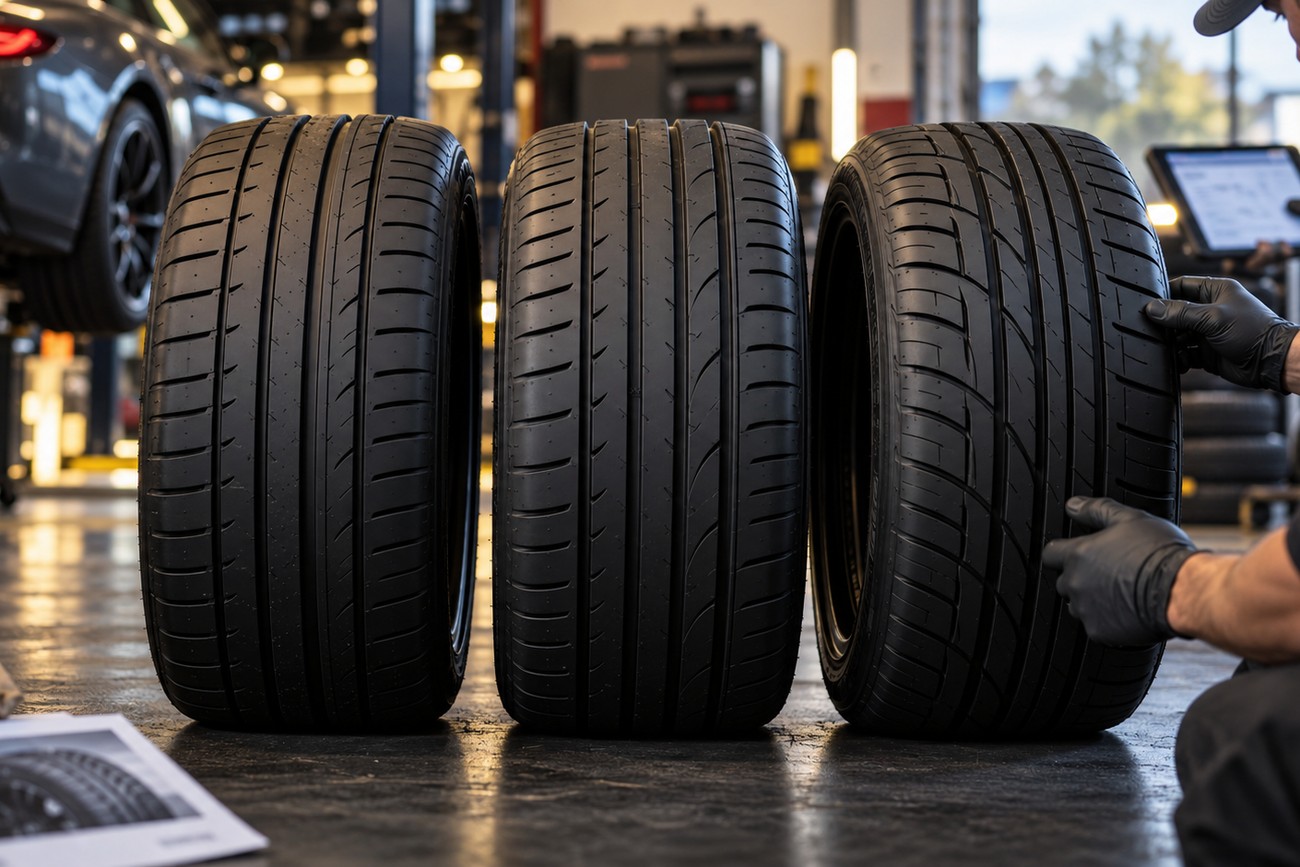
ExtremeContact Sport and ExtremeContact Sport 02 are different Continental generations. The original ExtremeContact Sport should not be assumed to have the same construction, specifications, or warranty terms as Sport 02. A listing that simply says “ExtremeContact Sport” may therefore describe an older product rather than the current model.
Check the complete model name on the tire sidewall and the manufacturer’s product page. Seller cards can combine photographs from one generation with specifications from another. This is especially risky when a discounted listing remains indexed after a newer model has become widely available.
Specifications also vary within a model range. Tread depth, load index, speed rating, approved rim width, XL construction, and OE marking can change with tire size. A specification shown for one PS4S or Sport 02 size cannot automatically be applied to every other size.
The manufacturing date and market of supply deserve attention as well. Warranty programs are territorial and conditional, and replacement tires may have different terms from original-equipment versions. Before comparing performance or coverage, match the exact size, XL or OE version, date of manufacture, and purchase market.
Michelin PS4S and Continental Sport 02: specifications, coverage, and use case
The table separates stated positioning and protection programs from size-dependent specifications. It does not treat a warranty figure as a prediction of service life.
| Item | Michelin Pilot Sport 4S (PS4S) | Continental ExtremeContact Sport 02 |
|---|---|---|
| Intended use | Summer UHP tire for road use and occasional track use | Summer UHP tire focused on road performance |
| Performance positioning | Multi-compound tread with an emphasis on dry and wet grip | Road-oriented UHP positioning; exact behavior depends on size, vehicle, and conditions |
| Stated treadwear coverage | Michelin’s U. S. Promise Plan lists 30,000 miles for PS4S; some Michelin descriptions also state no mileage warranty | Limited treadwear warranty advertised up to 30,000 miles |
| Additional ownership programs | Must be checked under the applicable Michelin market and product terms | 60-day trial period and 3 years of roadside assistance, subject to official terms |
| Published size-dependent examples | Some sizes show Y speed rating, XL construction, UTQG treadwear 300, and temperature rating A | Specifications vary by size and version; seller data should be verified against Continental’s official listing |
| Important qualification | Ratings, construction, warranty eligibility, and fitment are not universal across all PS4S sizes or markets | ExtremeContact Sport 02 is distinct from the original ExtremeContact Sport, and coverage depends on the exact product and market |
Dry grip, wet grip, comfort, and occasional-track limits
PS4S is marketed around a multi-compound tread and an emphasis on dry and wet grip. That description explains its intended balance: strong road performance across changing conditions rather than a single-purpose competition design. It does not establish a universal test ranking against Sport 02 in every size and vehicle.
Sport 02 occupies the same broad summer UHP category, with a road-oriented use case. Its performance should be judged on the installed vehicle, axle position, temperature, pressure, and remaining tread. A tire that feels sharp on a light sports car may feel firmer or less settled on a heavier sedan, even when the model name is unchanged.
High-performance summer tires usually trade some comfort and potential wear life for steering response, cornering grip, and braking capability. Sidewall stiffness, tread design, wheel diameter, and inflation pressure all contribute to the result. Ordinary touring tires may absorb rough surfaces more gently, while a UHP tire can transmit more road texture through the steering wheel and cabin.
PS4S is intended for occasional track use, which does not make it a dedicated track tire. Regular circuit driving introduces heat cycles, sustained cornering loads, and wear patterns that require separate evaluation. Drivers who visit a circuit frequently should assess temperature stability, track wear, pressure management, and replacement cost rather than relying on the road-and-occasional-track label.
Both tires are summer UHP products. Cold conditions, snow, and ice fall outside their intended operating role, and neither should be treated as a substitute for an appropriate all-season or winter tire. A warranty program does not change the compound’s seasonal limitations.
Why the 30,000-mile warranty does not predict tire life
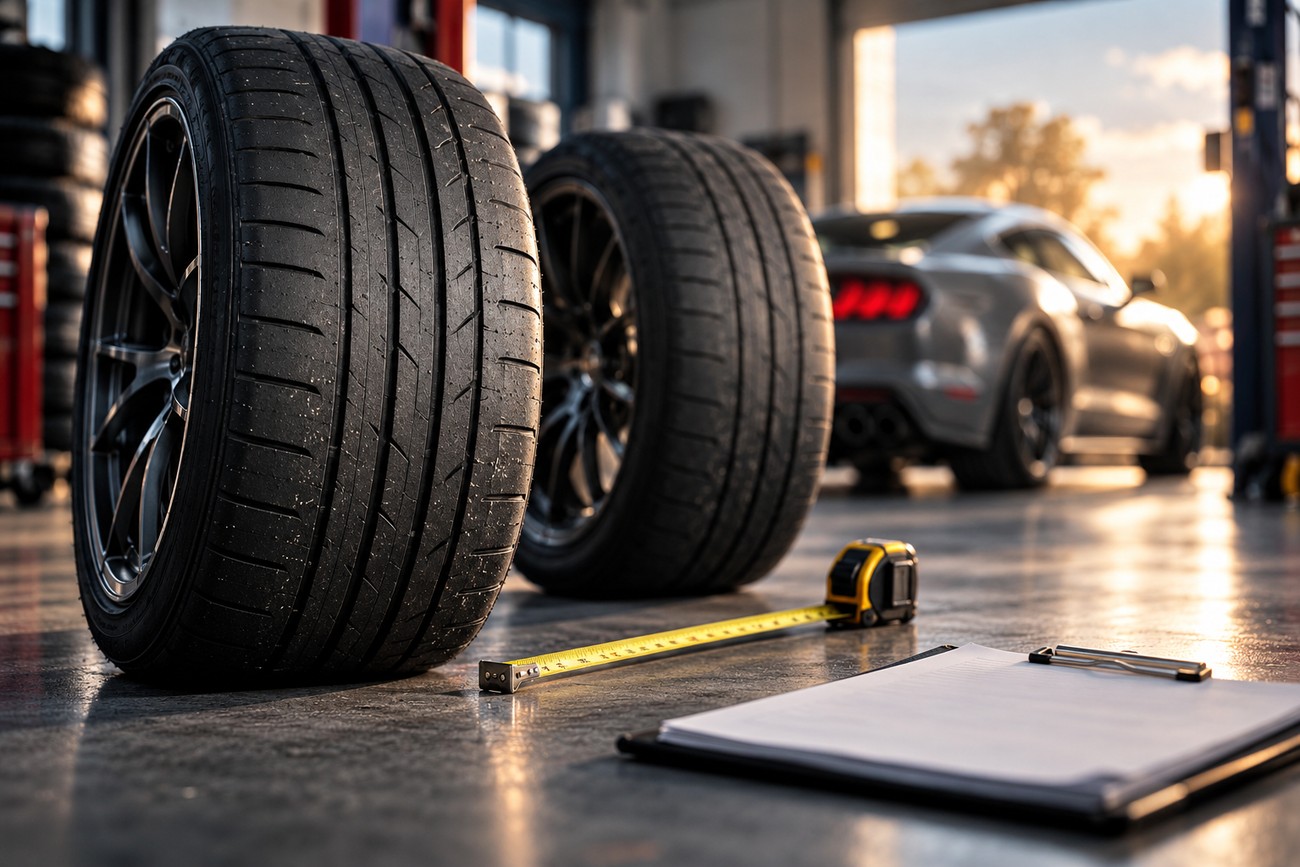
Michelin’s U. S. Promise Plan lists 30,000 miles for PS4S, yet some Michelin descriptions also state that the model has no mileage warranty. This conflicting presentation should be handled through verification rather than assumption. Check the official warranty wording for the country, exact size, supply type, and product version before assigning value to the figure.
Continental advertises up to 30,000 miles of limited treadwear coverage for ExtremeContact Sport 02. “Up to” indicates a maximum within a program, subject to eligibility and conditions. It does not mean every size, vehicle, driver, or road environment will produce that mileage.
A treadwear warranty is separate from a 60-day trial period, roadside assistance, and road-hazard protection. A trial period may address satisfaction under specified conditions, while roadside assistance concerns a service event. Road-hazard coverage addresses certain damage risks. None of these categories automatically includes the others.
Actual tire life depends on alignment, toe and camber, pressure, vehicle mass, temperature, and driving style. Frequent hard acceleration, heavy cornering, underinflation, or an aggressive alignment can reduce usable tread substantially. A limited warranty may also require regular maintenance records, even wear, rotation, and compliance with other official conditions.
For that reason, compare warranty programs as ownership support rather than as a forecast. The correct question is whether the terms protect the specific purchase and use case. The expected wear result still depends on the vehicle and how it is driven.
Fitment and wear: the variables that can outweigh the brand choice
Alignment can determine the ownership result before brand differences become meaningful. Excessive toe can scrub tread across the road, while camber can concentrate wear on an inner or outer shoulder. A tire may appear to have poor durability when the underlying issue is suspension geometry.
Pressure is equally important. Cold pressure should be checked against the vehicle manufacturer’s recommendation, using a reliable gauge and accounting for the vehicle’s load. Comparing two tires after one has been run at a different pressure produces a vehicle-maintenance comparison rather than a clean model comparison.
Vehicle mass, ambient temperature, road surface, and driving style add further variation. A heavy car used for short urban trips can wear a performance tire differently from a lighter car driven mostly on open roads. Heat and repeated hard cornering can also accelerate wear without indicating a manufacturing defect.
Fitment must match the vehicle’s approved requirements. Confirm tire size, load index, speed rating, XL designation, and any OE specification for each axle. Do not compare different sizes or load ratings and then transfer the conclusion to another configuration.
Rotation practice also matters where the vehicle and tire design permit it. Directional, staggered, or front-and-rear-specific arrangements may limit rotation options. A size-specific treadwear value or tread depth cannot be treated as universal across the entire model range.
Buying mistakes and hidden drawbacks to avoid
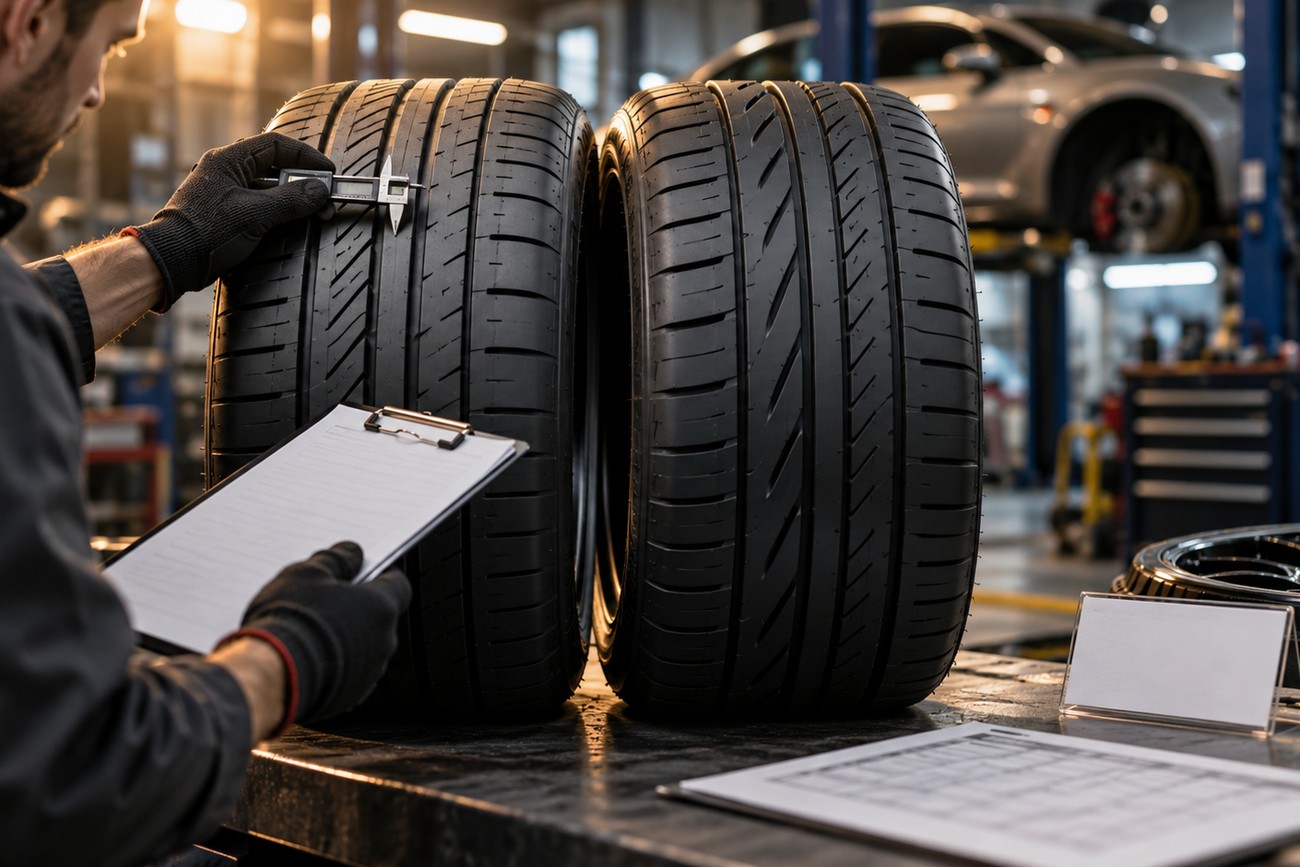
The first common mistake is treating ExtremeContact Sport and Sport 02 as the same tire. Confirm the generation in the manufacturer’s catalog, sidewall marking, and seller documentation. Warranty terms and specifications can differ between the original model and Sport 02.
Seller cards can also mix data from different sizes or versions. A listed tread depth, load index, approved rim width, or speed rating may belong to another configuration. Verify the complete tire size and construction directly against the vehicle requirements and the manufacturer’s current specification.
Summer UHP tires are unsuitable substitutes for all-season or winter tires in snow, ice, or cold conditions. A performance rating and a mileage program do not provide winter traction. Drivers who face seasonal cold should choose a tire category that matches those conditions.
UTQG treadwear is a comparative rating, not a guaranteed mileage prediction. Noise, harshness, wear, and cold-weather behavior also cannot be generalized reliably from the available owner evidence for both models. Those impressions depend heavily on vehicle setup, pressure, temperature, road surface, and tread remaining.
How to choose between them for your car
Begin with the vehicle-approved size and ratings. Match dimensions, load index, speed rating, XL status, and OE requirements on the same axle. If the car uses different front and rear sizes, verify each position separately.
Next, define the main use. PS4S fits a buyer prioritizing road performance and occasional track use, subject to exact fitment. Sport 02 may suit a road driver who values its stated up-to-30,000-mile coverage, 60-day trial period, and roadside assistance.
Confirm the purchase-market warranty before comparing prices. Michelin’s PS4S coverage requires particular care because its U. S. Promise Plan lists 30,000 miles while some Michelin descriptions state no mileage warranty. Continental’s Sport 02 coverage is also conditional and may depend on the exact size and product supplied.
Finally, inspect alignment, pressure history, suspension condition, and existing wear patterns. Choose PS4S when its performance positioning better matches the vehicle and driving use. Choose Sport 02 when its verified coverage and ownership programs carry greater value for the same approved configuration.
Frequently asked questions
The answer to each question depends on the exact vehicle, tire configuration, and purchase market. The model name alone does not establish fitment or warranty eligibility.
How should I verify whether a PS4S mileage warranty applies to my purchase?
Record the purchase country, exact tire size, load and speed ratings, XL or OE designation, product version, and manufacturing details. Then compare those details with the official Michelin warranty wording for that market, rather than relying on a retailer’s summary. Michelin’s U. S. Promise Plan lists 30,000 miles for PS4S, while some Michelin descriptions state no mileage warranty.
Keep the invoice, warranty booklet, maintenance records, and evidence of regular inflation and alignment checks. Ask the seller to confirm whether the supplied tire is covered under the stated program and whether any regional, size-specific, or distribution conditions apply.
What should I do before replacing a pair of fast-wearing UHP tires?
Inspect the tread for inner-shoulder wear, outer-shoulder wear, cupping, feathering, and a center-worn pattern. Measure cold pressure with a reliable gauge, check toe and camber, and inspect suspension components for looseness or damage. Confirm that both tires on the axle have the correct size, load index, speed rating, and construction.
Review rotation practice and the vehicle’s alignment history before fitting replacements. If the cause is not corrected, a new pair can develop the same pattern regardless of whether it is PS4S or Sport 02.
Which tire is better, Michelin Pilot Sport 4S or Continental ExtremeContact Sport?
PS4S is the more natural fit for a driver who prioritizes road performance and occasional track use. ExtremeContact Sport 02 may be the stronger ownership choice when its verified up-to-30,000-mile coverage, 60-day trial, and roadside assistance are valuable.
The comparison changes with the car, size, axle configuration, climate, and driving conditions. Also confirm that the Continental tire is Sport 02 rather than the original ExtremeContact Sport before drawing a conclusion.
Which is better, Continental or Michelin?
Neither brand is universally better for every vehicle. Compare matching sizes and ratings, then weigh performance priorities against coverage and ownership support. Michelin PS4S emphasizes road and occasional-track performance, while Continental Sport 02 offers a clearly stated set of ownership programs subject to official terms.
A correct fitment with sound alignment and pressure control will usually matter more to wear and daily behavior than a broad brand preference. Choose the model whose verified specification matches the vehicle and the conditions in which you actually drive.