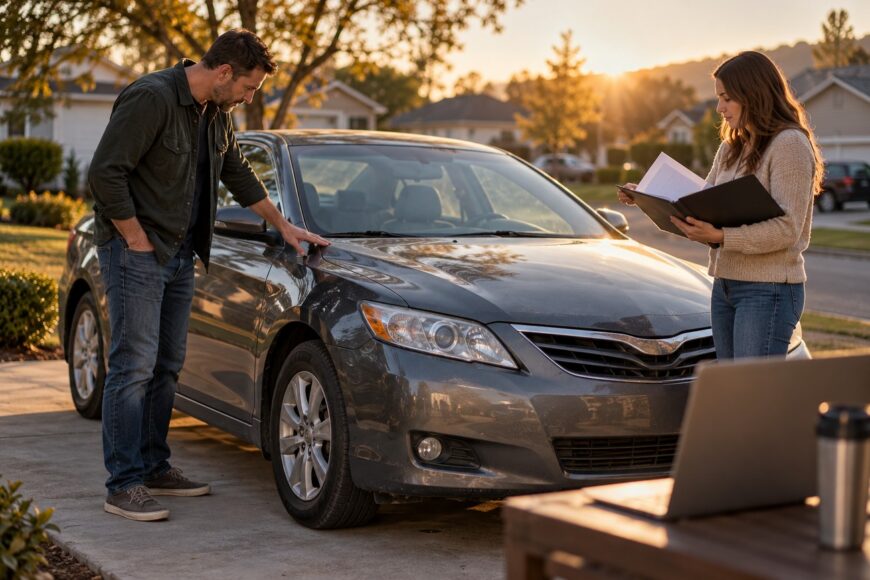
Messages do not always turn into a worthwhile private sale. Buyers may miss viewings, open with a much lower offer, or leave you unsure whether a claimed payment is real. Cutting the price can bring more inquiries without solving any of those problems.
A car is easier to sell when buyers can assess its condition before traveling to see it and understand how the handover will work. Clear photos, an honest description, useful records, and a secure payment plan give them fewer reasons to hesitate. Start by preparing the car and its paperwork, then build an advert around what you can show rather than what you hope a buyer will assume.
- Set a price buyers can understand
- Clean and check the car without hiding its faults
- Get the ownership and service records ready
- Build an advert that answers questions before the viewing
- Turn inquiries into worthwhile viewings
- Protect the payment and complete the handover
- Frequently asked questions
- How does an out-of-state private car sale change the paperwork?
- What is the $3000 rule for cars?
- What is the easiest way to sell your car privately?
- How much does a car salesman make on a $10,000 car?
- What is the 30-60-90 rule for cars?
Set a price buyers can understand
Look at local listings for the same model, trim, engine, and approximate age. Narrow the comparison by mileage, condition, equipment, and ownership history; a similar badge on a substantially different car is a poor guide. Asking prices are reference points, not evidence that those cars sold for the amounts shown.
Place your car within that range using details a buyer can check. Records of recent maintenance may support a stronger asking price, while worn tyres, body damage, or missing history may call for a lower one. Allow for faults you have chosen to leave unrepaired rather than asking buyers to discover them and negotiate from scratch.
Decide your acceptable price before inquiries begin, including how much room you are willing to leave for a reasonable inspection finding. That makes it easier to answer a low offer calmly: you can explain the comparison and the car’s condition, then decline if the figure does not work. An ambitious price with no clear justification tends to invite repeated bargaining.
A steep discount is no sure shortcut, either. An unexplained bargain can make cautious buyers suspect a serious problem and can draw traders whose offers are lower still. If you price below comparable cars for a straightforward reason, such as visible damage or a tight selling timetable, say so plainly in the advert.
Clean and check the car without hiding its faults
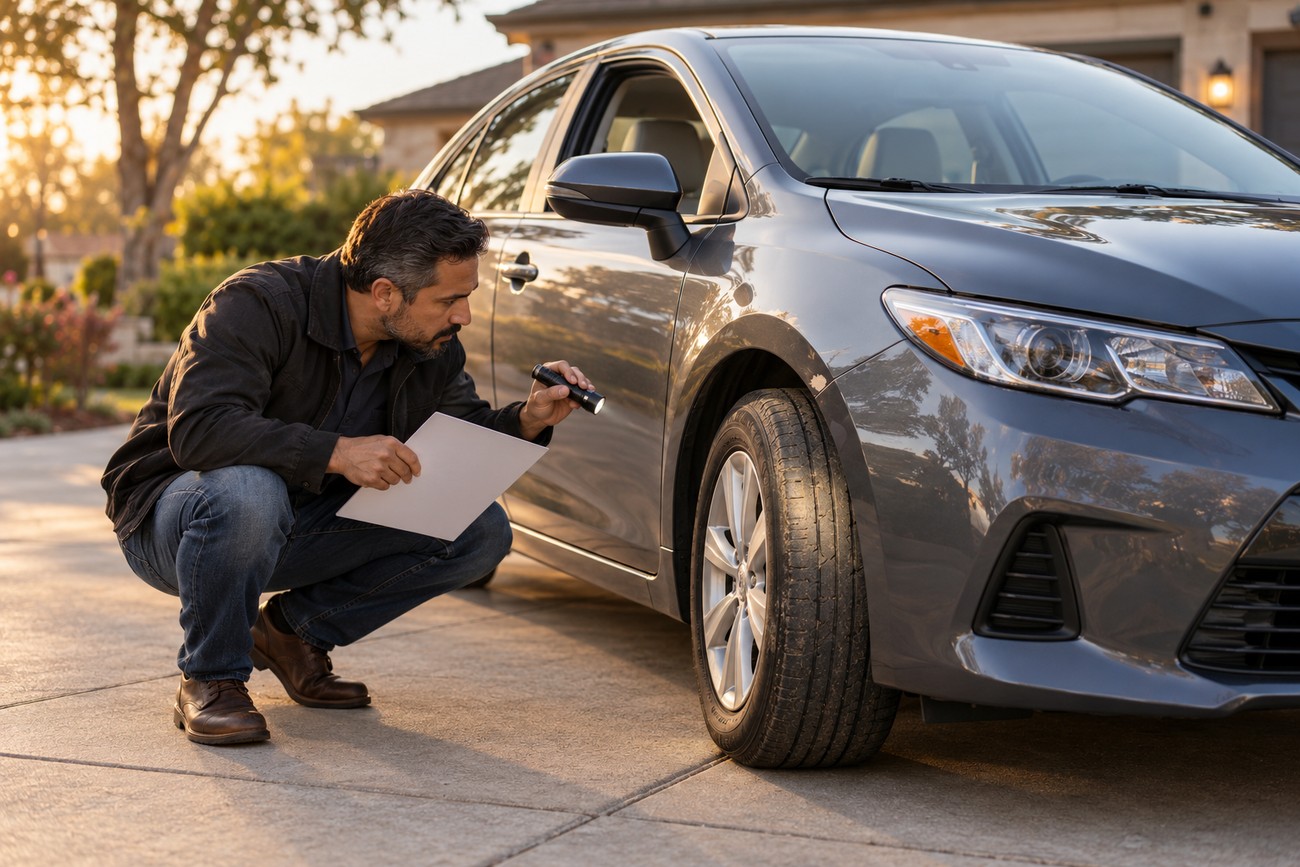
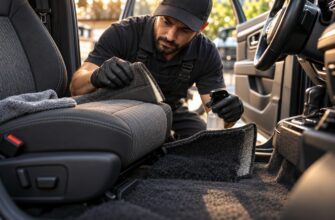
Wash the exterior, clear the cabin, clean the glass, and remove personal items before taking photos or arranging viewings. A buyer should be able to see the paint, seats, and load area without looking past dirt or clutter. Deal with small functional problems you can fix sensibly, such as a failed bulb, but check the cost before committing to cosmetic work you may not recover in the sale price.
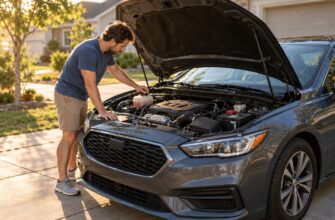
A basic independent inspection can clarify the car’s condition and help you answer questions; it does not guarantee a quicker sale. Ask for findings you can share accurately, including items needing attention, rather than a vague assurance that everything is fine. If the report identifies a fault, decide whether to repair it or disclose it and price accordingly.
Gather records of work from the past 6–12 months, with dates and descriptions of what was done. They can substantiate a claim such as “brakes replaced” more convincingly than a polished engine bay, though they do not guarantee a price premium. Keep invoices for older major work, too, if they help explain the car’s maintenance history.
Be wary of preparation that changes the impression of the car without changing its condition. Heavy polishing may make paint damage harder to judge in photos, and strong fragrance can leave buyers wondering what it covers. Clean the car thoroughly, then photograph and describe known faults as they are.
Get the ownership and service records ready
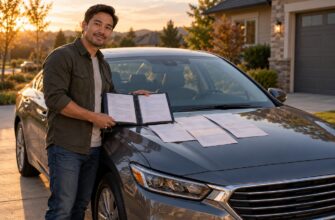
Before booking viewings, find the title or registration document used in your location, maintenance receipts, spare keys, and any forms needed for a sale. Check that the vehicle details match across documents. Having them ready avoids asking a committed buyer to wait while you locate a missing key or clarify who is entitled to sell the car.
Keep ownership evidence separate from maintenance evidence. A service booklet or repair invoice shows work recorded on the vehicle; it does not establish your right to transfer it. Equally, a registration document does not prove that scheduled maintenance was completed. Present both clearly, without suggesting either answers a question it cannot answer.
Check for an outstanding lien or finance balance early. It may affect how ownership can be transferred and whether the lender must be paid or provide a release before the buyer can complete registration. Ask the lender and the relevant local authority or registration service what steps and timing apply, then explain the arrangement to prospective buyers before a viewing.
Share records carefully online. A photo can show that service documents exist without exposing your address, account details, signatures, or other personal information; provide fuller records through a suitable channel when a buyer needs to inspect them. Required sale, registration, lien-release, ownership-transfer, and disclosure steps depend on location, so check the rules that apply to this transaction.
Build an advert that answers questions before the viewing
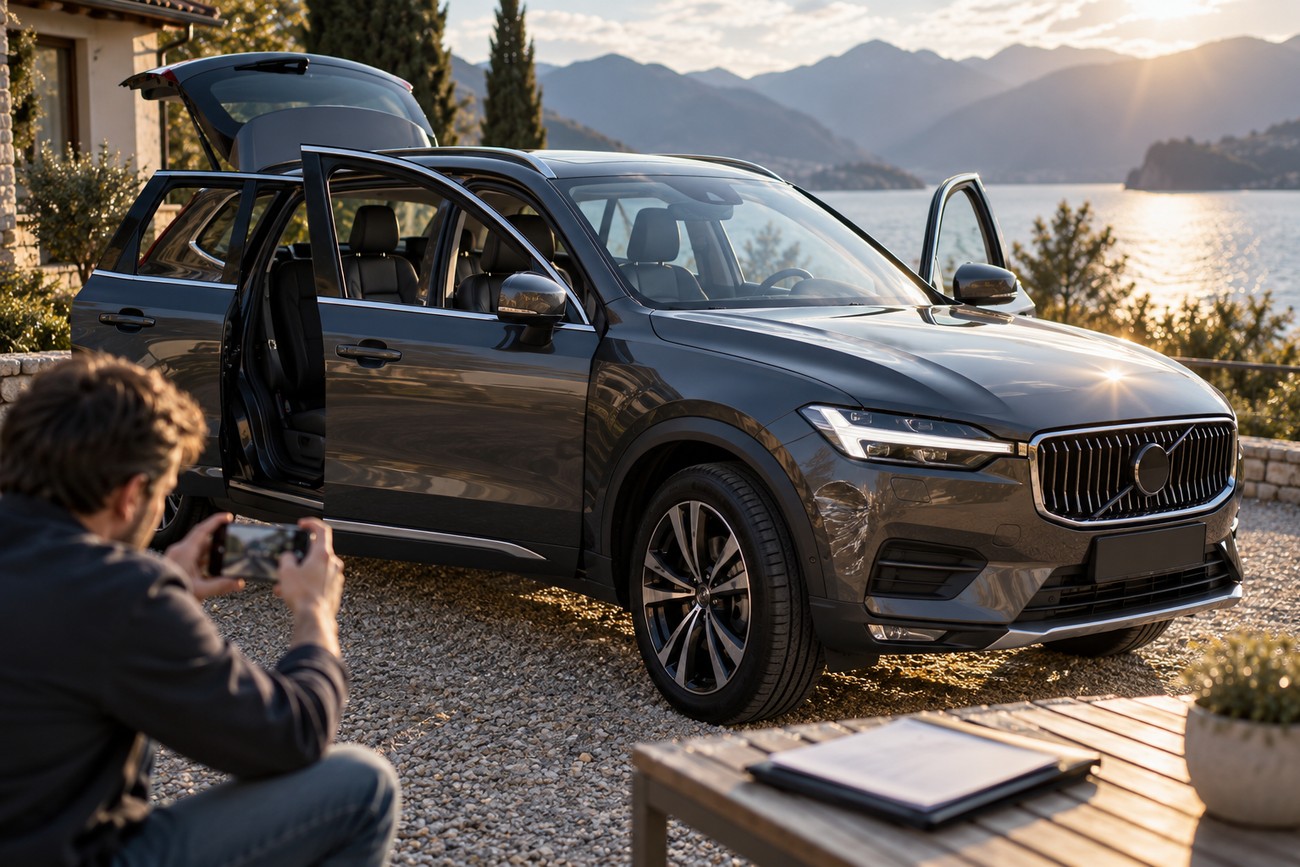
Use clear, current photos taken in good light after the car is clean. Cover each exterior side and corner, the cabin, seats, load area, tyres, odometer, and visible flaws. Some buyers will also want to check the vehicle identification number against the paperwork; protect personal details when sharing documents or identification images publicly. A set of 15–25 photos is a practical coverage target, not a guaranteed response rate.
Write a compact description that follows the way a buyer assesses a car: exact specification and mileage, ownership history, maintenance records, recent work, known faults, and where and when viewings are possible. Say what an invoice actually supports instead of using broad claims such as “fully sorted.” Short, specific sentences help buyers decide whether the car merits a trip.
Include known visible faults in the advert and show them in photos where possible. A small dent revealed only at the viewing can turn an otherwise reasonable conversation into aggressive bargaining, even if you had already allowed for it in the price. Disclosure duties vary by location, but candor also helps buyers arrive with realistic expectations.
Review the advert’s photos, description, and price before paying to promote it. Paid promotion may increase visibility, but it cannot compensate for weak photos, an unclear description, or a poorly judged price. If people are clicking but asking the same unanswered question, fix the advert before buying more exposure.
Turn inquiries into worthwhile viewings
Reply promptly with the details needed to arrange a visit, then ask for a specific day and time. Confirm the viewing shortly beforehand so you are less likely to wait for someone who has changed plans. A buyer who asks about a documented repair may be doing sensible homework; a string of repeated offers far below your stated price needs only a polite, brief response.
Traders are not inherently dishonest, though their price may reflect the margin they need to resell the car. You can decline without debating every feature or fault by restating the asking price and the condition described in the advert. Keep the conversation factual and avoid sharing more personal information than arranging a safe meeting requires.
Choose a sensible meeting place where the car can be examined safely, preferably in daylight, and consider having another person present. For a test drive, check the driver’s license and the insurance conditions that apply before handing over the keys. Stay with the car and agree on the route and who will drive it in advance.
Let the buyer inspect the vehicle without treating every observation as an attempt to force a discount. If they identify a problem, ask what they found and compare it with the advert, records, or inspection report before discussing price. An independent inspection can help resolve condition questions when practical, but it cannot guarantee that a buyer will attend or complete the sale.
Protect the payment and complete the handover
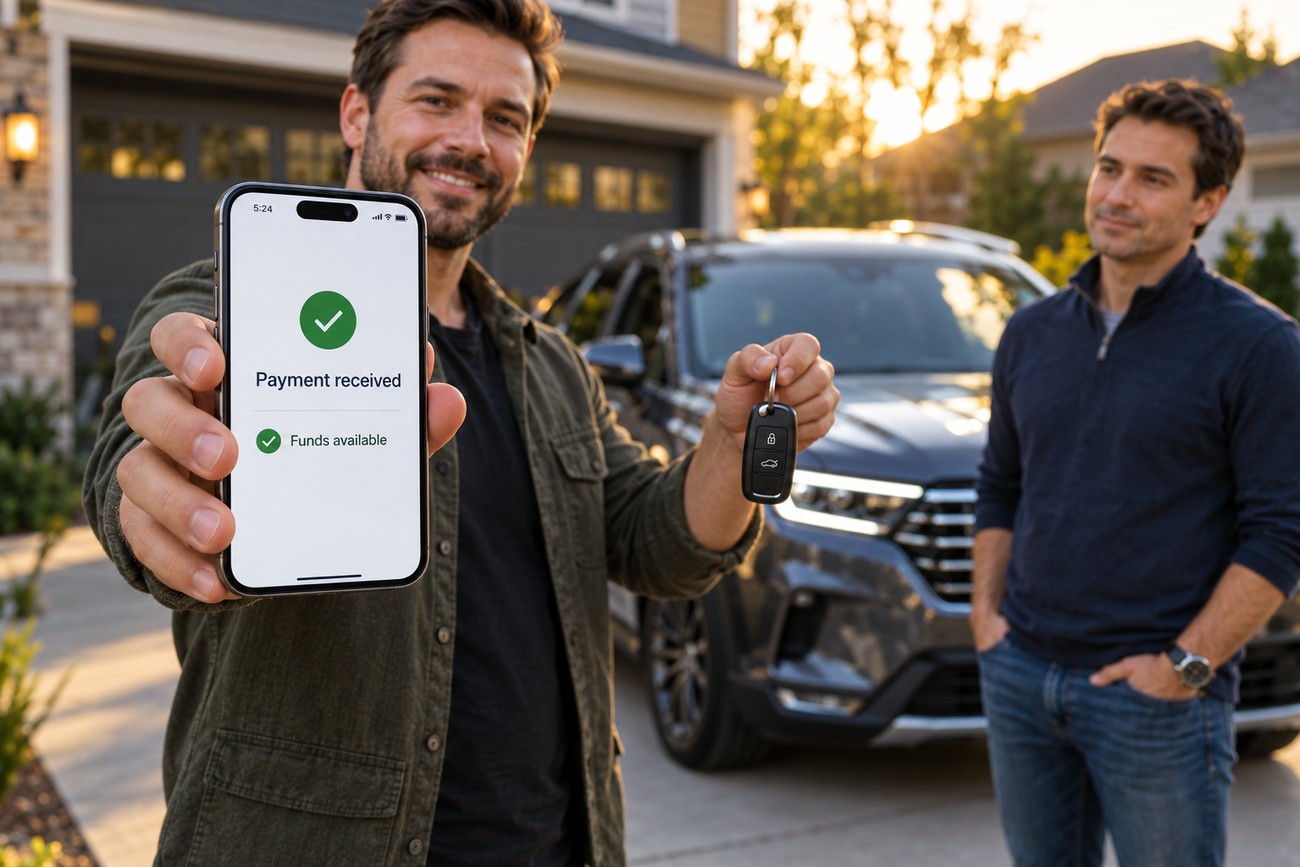
Agree on an acceptable payment method before the buyer arrives to collect the car. Ask your own bank or payment provider how you can verify receipt and when funds are available under that method. A screenshot, a message claiming a transfer is pending, or a buyer’s explanation of a delay is not proof of cleared payment.
Be cautious if the buyer sends more than the agreed price and asks you to return the difference, or wants the car released while a payment is supposedly processing. Verify cleared funds directly through your own bank or payment provider using a channel you trust. If the proposed arrangement changes at collection, pause the handover rather than relying on pressure to finish quickly.
Put the agreed price and condition in the sale paperwork, recording relevant known faults where appropriate. Complete the sale, registration, lien-release, and ownership-transfer steps required in your location, and keep copies or confirmations. Record when the car, documents, and keys change hands; then release them under the agreed, secure payment process.
An informal “sold as seen” phrase should not be your entire plan for avoiding later disputes. Disclosure duties and post-sale liability vary by location, and a clear written account of known faults is more useful than an assumption that the buyer accepts anything they later find. Check whether you must notify a registration authority, lender, or insurer after the sale, and do so within the applicable local deadlines.
Frequently asked questions
A few questions arise only once you know who is buying or where the car is going. The answers below are starting points for checking the relevant rules and arranging a workable sale. They should not replace the requirements of the places involved.
How does an out-of-state private car sale change the paperwork?
An out-of-state sale may involve requirements at both the seller’s and buyer’s locations. Before collection, check where the ownership transfer must be recorded, whether plates stay with the car, and how the buyer will register, tax, insure, and legally transport it home. Temporary registration or transport permits may be relevant. If finance is outstanding, confirm how the lender’s release will be handled across jurisdictions rather than assuming the usual local handover is enough.
What is the $3000 rule for cars?
There is no universal $3,000 rule that determines how a private car must be priced, repaired, or sold. The phrase may refer to someone’s personal buying or repair budget, so ask what claim is being made before using it to make a decision. Compare any proposed repair with the car’s condition and likely selling price, and check actual local tax, reporting, or transfer requirements separately; a round-number rule is no substitute for them.
What is the easiest way to sell your car privately?
The simplest approach is to make the car easy to assess before anyone visits: set a defensible price, publish current photos and known faults, and have the records ready to share. Offer specific viewing times and agree on a payment method you can verify through your own bank or payment provider. That still takes more effort than accepting an immediate buying offer, but it reduces avoidable messages, surprises, and last-minute uncertainty.
How much does a car salesman make on a $10,000 car?
A $10,000 sale price does not reveal a salesperson’s earnings. At a dealership, pay may depend on the business’s gross profit on that vehicle, a salary, a fixed payment per sale, or other terms. In a private sale, there is usually no salesperson’s commission unless you have agreed to pay an intermediary. For your pricing decision, focus instead on comparable cars and what you will receive after any selling costs.
What is the 30-60-90 rule for cars?
“30-60-90” is sometimes used as shorthand for maintenance around 30,000, 60,000, and 90,000 miles; it is not a universal service schedule. A buyer may use it to ask whether major scheduled work is due, particularly on a higher-mileage car. Check the schedule for your specific vehicle and show invoices for work completed. If a service is due, state that clearly rather than claiming the car is up to date on an informal mileage rule.