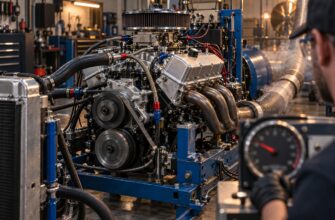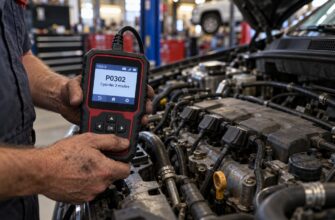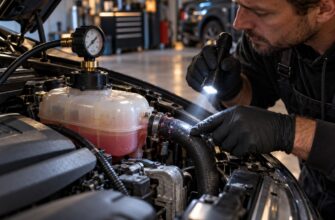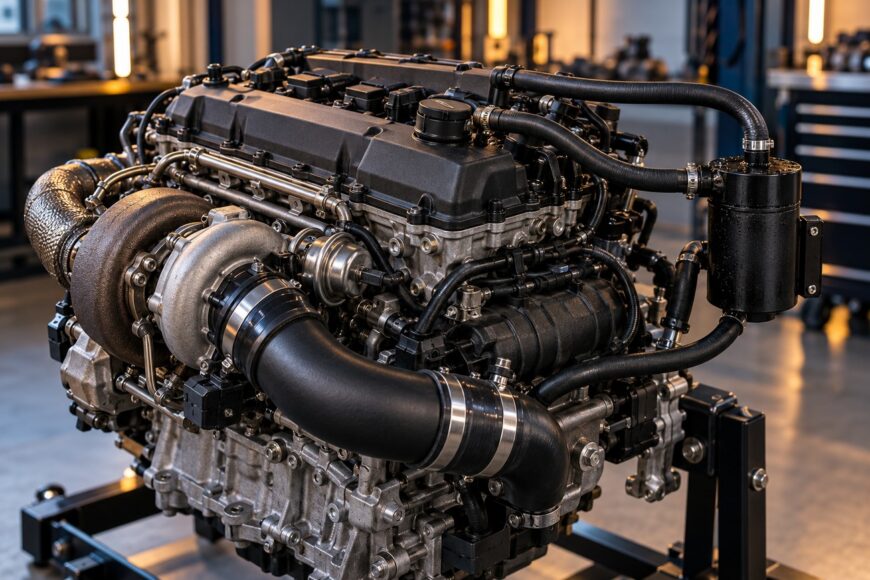
Rough idle, fluctuating engine speed, rising oil consumption, smoke, oil in the intake, or unexplained leaks can appear to be separate faults. A small part of the crankcase ventilation system can connect several of them. The PCV valve controls how blow-by gases leave the engine, so its condition affects the intake mixture, oil control, crankcase pressure, and emissions.
A replacement valve may solve a low-cost fault, but diagnosis still matters. Guessing, fitting a universal part, cleaning an old valve without testing it, or deleting the system can create vacuum leaks, oil leaks, drivability problems, and emissions issues. The valve also works as part of a system that includes hoses, passages, a breather, and an oil separator.
- What the PCV Valve Does for Engine Health
- How a Faulty PCV System Damages Performance and Lubrication
- Symptoms That Point to a Bad PCV Valve
- How to Diagnose the PCV System Properly
- Replacement, Service Life, and Choosing the Right PCV Part
- PCV Deletes, Performance Valves, and Common Myths
- Frequently asked questions
- What are the three signs of a bad PCV valve?
- What is the life expectancy of a PCV valve?
What the PCV Valve Does for Engine Health
PCV means Positive Crankcase Ventilation. It is part of the vehicle’s emissions-control system and removes blow-by gases from the crankcase. Blow-by is the mixture of combustion gases, fuel vapor, water vapor, and oil mist that passes the piston rings during normal engine operation.
The PCV path meters these vapors into the intake, where the engine burns them. A breather manages the fresh-air side of the circuit, while the oil separator removes as much liquid oil as the design allows. The valve therefore should not be judged in isolation: a restricted hose or saturated separator can produce symptoms similar to a failed valve.
In a healthy engine, crankcase pressure stays near atmospheric pressure or slightly below atmospheric pressure. That controlled condition reduces the tendency for vapors and oil to escape through seals and gaskets. It also helps limit fuel dilution, corrosion of internal surfaces, sludge, and varnish formation.
Good ventilation cannot compensate for neglected oil changes or excessive engine wear. If fuel, moisture, and combustion products remain in the crankcase for long periods, the oil can lose its protective properties and deposits can build up. The PCV system reduces that burden; it does not make the engine independent of correct oil and maintenance intervals.
How a Faulty PCV System Damages Performance and Lubrication
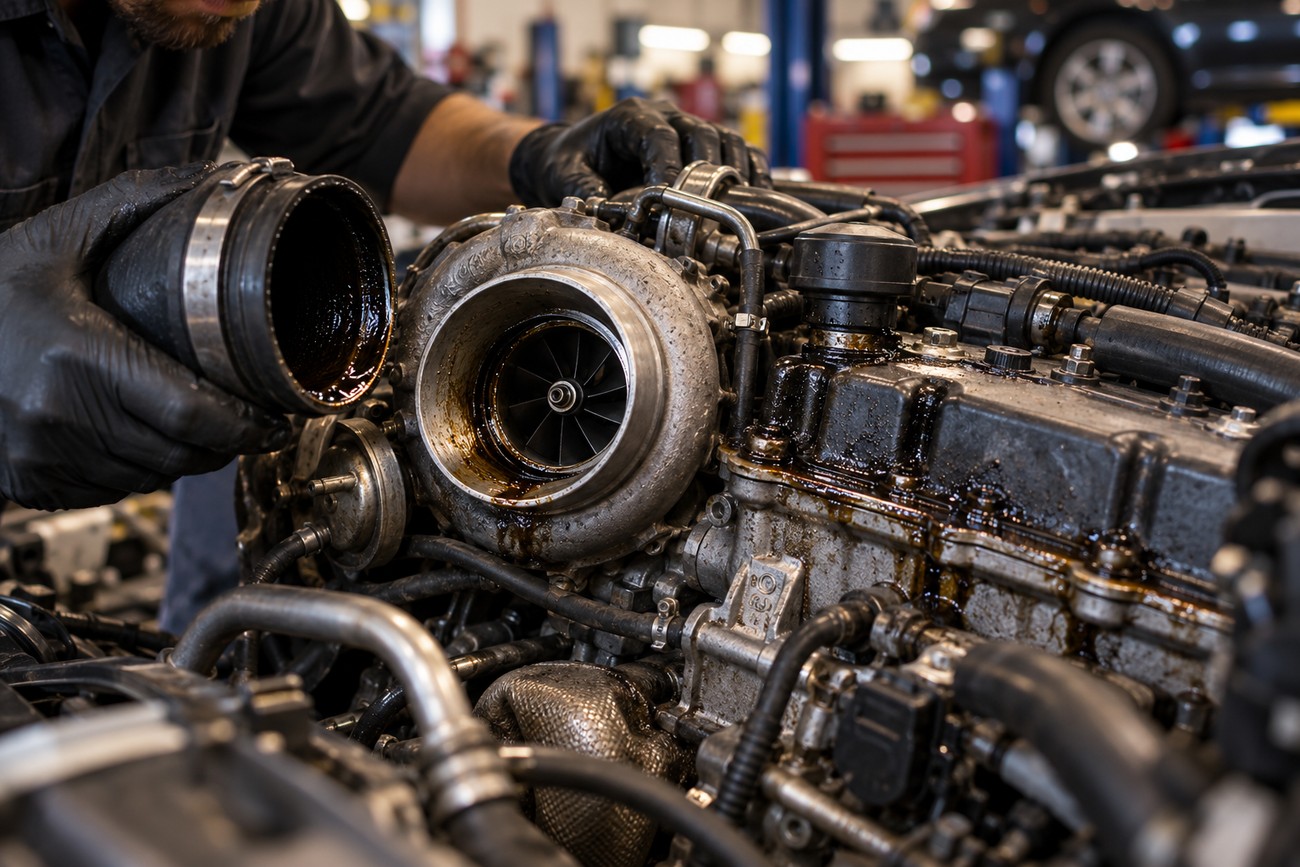
A restricted or stuck-closed system allows pressure to build in the crankcase. Persistent positive crankcase pressure pushes more oil mist toward the intake and increases the load on seals and gaskets. Oil may begin to appear around covers, crankshaft seals, or other joints, although the resulting leak can be mistaken for a simple gasket problem.
Pressure also interferes with oil control around the pistons. The engine may consume more oil, and the intake tract may become coated with an oily film. On a turbocharged engine, poor ventilation can increase oil contamination in the intercooler and contribute to faster oil-ring coking, especially when other problems already increase blow-by.
A valve stuck open creates the opposite type of fault. Excessive vapor flow acts like an intake air leak at idle, when the engine is most sensitive to unmetered air. The result can be unstable idle, mixture errors, hesitation, and higher fuel consumption. A whistle or hiss may accompany the fault.
Oil in the intake does not prove that the PCV valve is the only cause. Oil carryover also depends on ring design, piston shape, oil-separator efficiency, and turbocharger condition. Direct-injection engines can benefit from a functioning PCV system because it may reduce the rate of intake-valve deposit formation, but it cannot eliminate those deposits on its own.
Long oil-change intervals make the problem harder to separate. Sludge and varnish can restrict the valve, hoses, or separator, while a replacement valve may immediately become contaminated again. A complete repair therefore addresses the ventilation circuit and the condition that caused the deposits, rather than treating the valve as a stand-alone cure.
Symptoms That Point to a Bad PCV Valve
Idle and mixture symptoms are often the first clue. A stuck-open PCV valve can resemble a vacuum leak, with rough or fluctuating idle, lean-mixture faults, whistling, and inconsistent fuel trim. Some engines may instead show richer operation or poor fuel economy as the control system tries to correct the abnormal vapor flow.
Oil-related clues point toward restricted ventilation or excessive crankcase pressure. These include rising oil consumption, oil mist in the intake, fresh leaks around seals and gaskets, or smoke under conditions that were previously clean. On a turbocharged engine, oil in the intercooler deserves a broader inspection of the PCV system, turbocharger, and engine wear.
Cold-start smoke and a fuel smell require caution. A faulty PCV system can contribute to these symptoms, but worn rings, injector problems, valve-guide issues, or a rich mixture can produce similar results. A diagnosis based on one symptom often leads to unnecessary parts replacement.
The common mistake is to inspect sensors or clean the throttle body first while ignoring crankcase ventilation. Those parts may genuinely need attention, yet a technician should also check PCV flow whenever unstable idle, oil consumption, intake deposits, or unexplained leaks occur together. The pattern is useful evidence, not proof by itself.
How to Diagnose the PCV System Properly
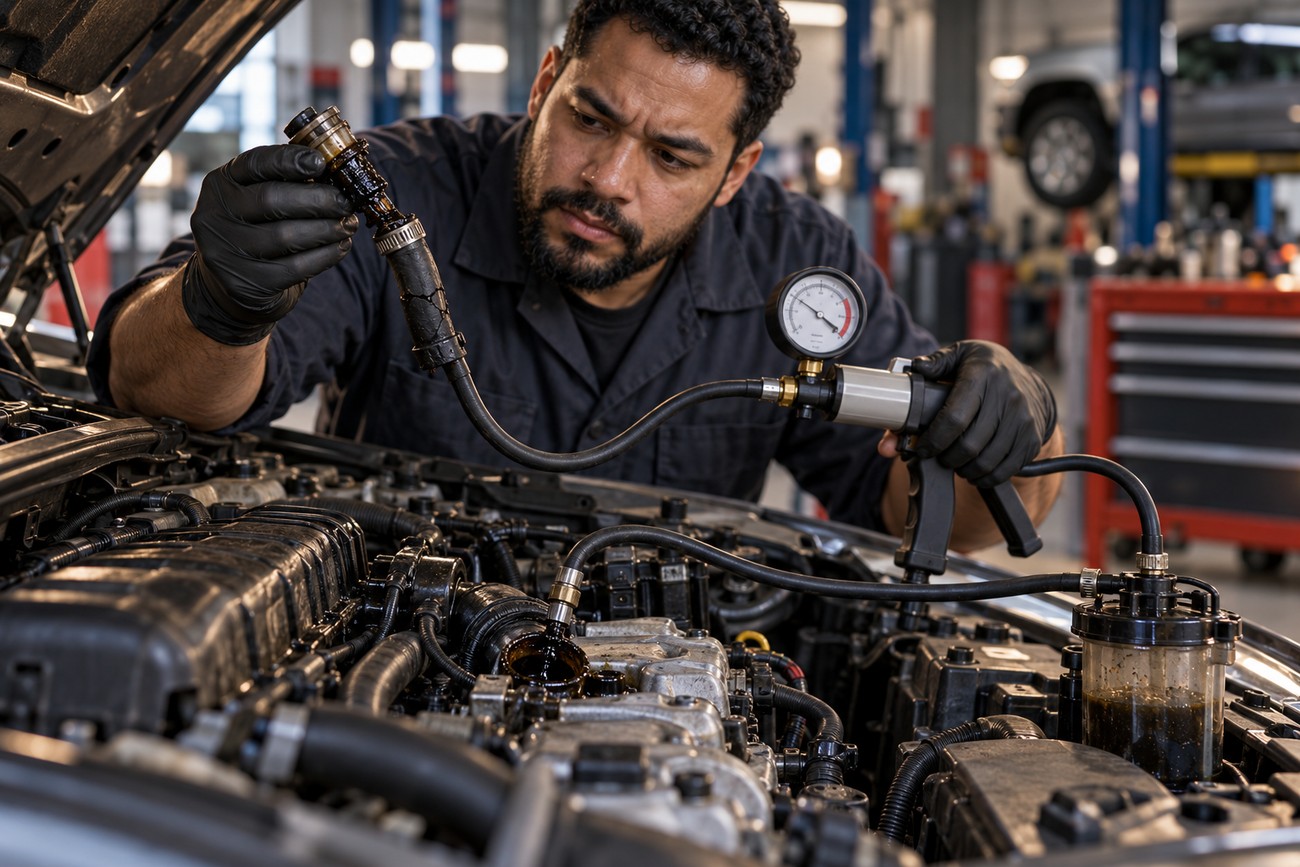
Begin with a visual inspection of the PCV valve, hoses, passages, breather, and oil separator or separator assembly. Look for collapsed hoses, hardened connections, sludge, cracks, and oil pooling. Check the intake for unrelated air leaks, because a split hose can imitate a stuck-open PCV valve.
Next, compare intake vacuum and fuel-trim behavior with the manufacturer’s specifications. A valve that permits excessive flow may produce abnormal vacuum or mixture corrections at idle. A restricted system may show little obvious change during a quick idle check, so crankcase pressure should be measured in more than one operating condition and, where appropriate, under load.
Rattle or fingertip suction is only a preliminary screen. A sound diagnosis compares crankcase pressure at idle and under load, then checks the separator and hoses before blaming piston rings or seals.
A shake test, a clicking sound, or light suction under a finger cannot confirm the valve’s calibrated flow. Some valves are designed with a spring, diaphragm, or metering passage whose behavior cannot be judged by movement alone. The useful comparison is the measured result against the vehicle’s service information.
Excess oil in the intake also calls for related testing. Engine wear, ring design, separator efficiency, and turbocharger condition can all increase oil carryover. If pressure remains abnormal after the valve and circuit are verified, compression, leak-down, turbocharger, and seal checks may be appropriate before condemning the engine.
Replacement, Service Life, and Choosing the Right PCV Part
PCV service life depends on the application and operating conditions. A practical inspection or replacement benchmark is approximately 50,000–60,000 km where applicable, but the manufacturer’s maintenance information takes priority. Some vehicles use condition-based service, while others integrate the valve into a separator assembly that requires a different procedure.
Frequent short trips, heavy city driving, long oil-change intervals, sludge, varnish, and high mileage shorten useful service life. Moisture and fuel vapor have less opportunity to leave the oil during repeated cold operation, and deposits can gradually alter the valve’s flow. A vehicle that sees severe use may need earlier inspection than one used for longer, fully warmed trips.
The replacement must match the engine’s calibrated flow and vacuum conditions. The cheapest aftermarket valve may have a different spring, membrane, or metering characteristic even if it fits the same opening. A universal PCV valve is especially risky because engines do not all operate with the same intake vacuum or ventilation layout.
Solvent cleaning is not a reliable restoration method. It may remove visible residue without proving that the spring, membrane, or flow calibration has returned to specification. Replace the valve when required, then inspect the hoses, passages, and separator so the new part is not immediately exposed to the same restriction.
PCV Deletes, Performance Valves, and Common Myths
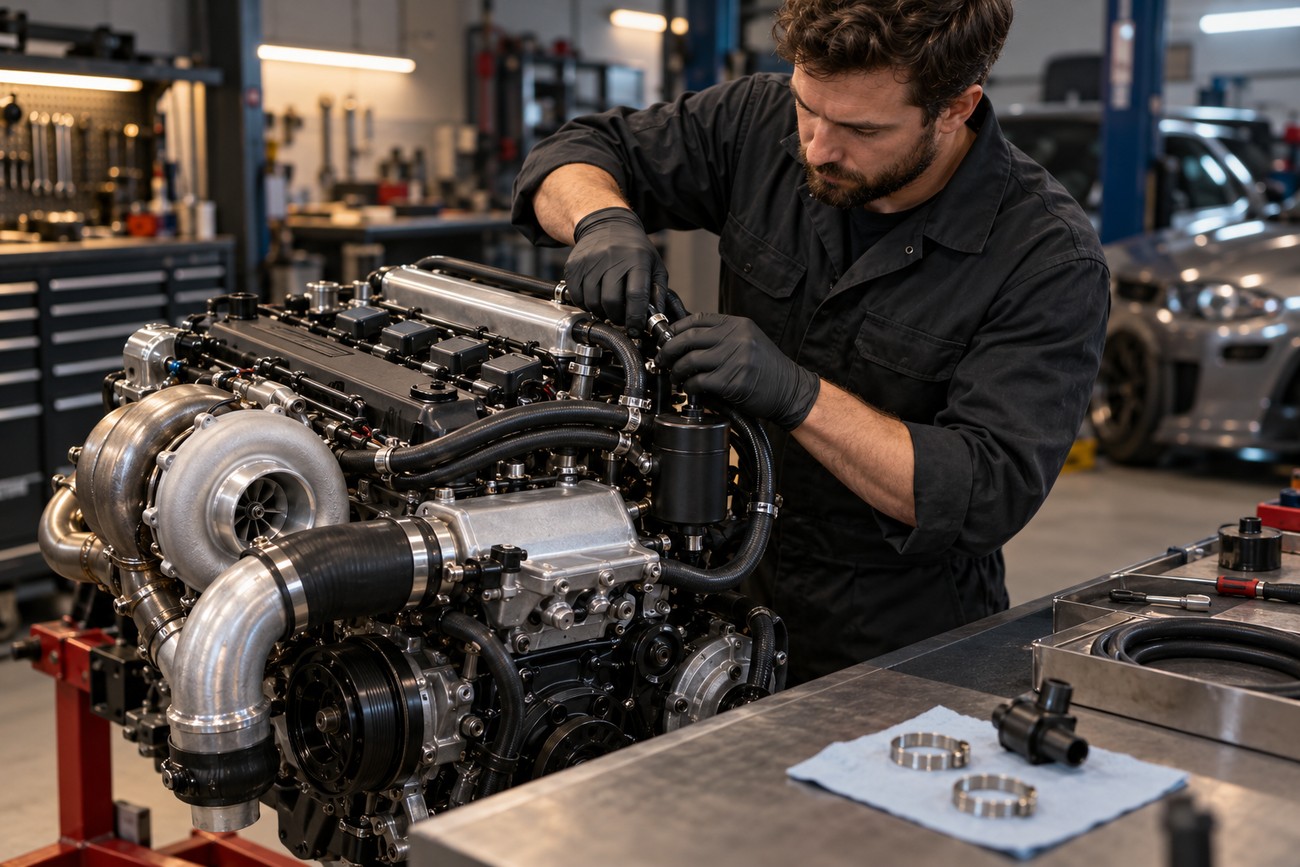
PCV is an emissions-control system, but its value extends to engine health. Removing it does not automatically improve power or make the intake clean. Without an engineered alternative, crankcase pressure can rise, oil leaks can worsen, toxic vapors can enter the atmosphere, and the vehicle may fail emissions or inspection requirements.
Some modified turbocharged engines do need a purpose-designed ventilation strategy. That does not make a universal “performance” valve suitable for every engine. The system must be matched to boost level, intake vacuum, separator capacity, and the way the engine is used.
A differently calibrated aftermarket valve can change mixture behavior, idle quality, oxygen-sensor readings, and turbo oil management. A part marketed as reinforced or upgraded may therefore create a new drivability fault if its flow does not match the original design. The correct standard is measured system performance, not the label on the package.
The claim that a PCV valve never needs inspection conflicts with manufacturer service information and practical recommendations for periodic checks, especially under severe use. The opposite error is to replace it automatically without checking the rest of the circuit. Both approaches overlook the fact that ventilation performance depends on the complete system.
Keep the factory arrangement unless a qualified redesign is required for a specific engine build. An oil catch can or alternative separator may be useful in some applications, but it must preserve suitable crankcase pressure and vapor control. A modification that merely vents the hose to the atmosphere is not a proper substitute for calibrated ventilation.
Frequently asked questions
PCV symptoms overlap with faults in the intake, fuel, ignition, piston rings, seals, and turbocharger. Use the answers below as triage guidance, then confirm the suspected fault with system-level testing.
What are the three signs of a bad PCV valve?
The three most useful symptom groups are unstable idle or mixture behavior, abnormal oil use or oil in the intake, and pressure-related leaks or whistling. An open valve can behave like an intake leak, while a restricted system can produce oil mist, rising crankcase pressure, and seal leakage.
None of these signs proves the valve is defective. Check hoses, passages, the oil separator, intake leaks, crankcase pressure, engine wear, and turbocharger condition before replacing parts.
What is the life expectancy of a PCV valve?
There is no universal lifetime figure. Approximately 50,000–60,000 km is a practical inspection or replacement benchmark in applicable conditions, but the vehicle’s service information and actual use should decide the interval.
Short trips, city driving, long oil-change intervals, sludge, varnish, and high mileage can shorten service life. A valve that passes a basic sound or suction check may still have incorrect calibrated flow, so periodic inspection should include the surrounding ventilation circuit.