Choosing between Ceramic Pro and Gtechniq is rarely a simple contest between two bottles. Both brands offer professional coating systems, yet the finished result often depends more on paint preparation, installation, climate, washing habits, and warranty conditions than on the logo. Each range includes different products, service-life claims, and maintenance requirements.
The common disappointments are familiar: hydrophobic behavior fades sooner than expected, water spots appear after an ordinary wash, swirls return on dark paint, and the price feels difficult to justify. A ceramic coating also cannot serve as invisible armor against chips or deep scratches. A useful comparison therefore starts with your vehicle, usage pattern, and willingness to maintain the finish, then examines the product and installer together.
- Ceramic Pro and Gtechniq: What Are You Actually Comparing?
- Ceramic Pro vs Gtechniq: Key Differences at a Glance
- Real-World Performance: Gloss, Hydrophobics, and Chemical Resistance
- Preparation and Installation Matter More Than the Bottle
- Durability, Maintenance, and the Fine Print Behind “Lifetime”
- Cost, Value, and Choosing the Right Installer
- What Ceramic Coating Does Not Protect Against
- Which One Should You Choose: Ceramic Pro or Gtechniq?
- Frequently Asked Questions
- What is the best Gtechniq ceramic coating?
- Which is better, Gtechniq or Gyeon?
- Why does a coated car still develop water spots?
Ceramic Pro and Gtechniq: What Are You Actually Comparing?
Ceramic Pro is a professional range of ceramic and hybrid coatings with claimed service lives from 1 year to “lifetime” when correctly installed and maintained. Gtechniq is also a professional range, with some coatings claiming durability for several years when paint preparation and maintenance are correct. Those statements describe product families rather than one uniform specification.
Brand reputation can help you find a credible installer, yet it does not replace a product-level comparison. The package may differ in coating chemistry, number of layers, topcoat or maintenance product, paint correction, warranty administration, and inspection schedule. Two studios using the same brand can produce different results because their decontamination, polishing, degreasing, application, and curing standards differ.
Installation skill matters from the first inspection. The studio should identify existing swirls, oxidation, water marks, repainted panels, and areas where correction may be limited. A coating can preserve a well-prepared surface for longer and make routine cleaning easier, while a rushed installation can leave residue, high spots, or existing defects visible under the new layer.
Ceramic Pro vs Gtechniq: Key Differences at a Glance
The table compares the two lineups at a practical level. Longevity and appearance should be read as qualified claims and general impressions rather than standardized test results.
| Factor | Ceramic Pro | Gtechniq |
|---|---|---|
| Product scope | Professional range of ceramic and hybrid coatings | Professional range of coating systems |
| Claimed durability | Products may claim service lives from 1 year to “lifetime” with correct installation and maintenance | Some products claim durability for several years with correct preparation and care |
| Visual character | Often described as a thicker-looking, pronounced gloss | Often described as a cleaner or more glass-like appearance |
| Visual evidence | These are subjective impressions, not standardized measurements | |
| Hydrophobic behavior | Water and dirt may be easier to remove when the system is correctly maintained | Water and dirt may be easier to remove when the system is correctly maintained |
| Chemical resistance | Designed to improve resistance to common contamination and chemicals within product limits | Designed to improve resistance to common contamination and chemicals within product limits |
| Installation dependence | High; correction, cleaning, controlled application, and curing affect the outcome | High; correction, cleaning, controlled application, and curing affect the outcome |
| Maintenance | Careful washing, drying, and any required maintenance products remain necessary | Careful washing, drying, and any required maintenance products remain necessary |
| Warranty structure | May depend on certified-installer inspections and required maintenance | May depend on certified-installer inspections and required maintenance |
| Protection against chips and deep scratches | Neither coating makes paint invulnerable to stone chips, sandblasting, deep scratches, or all wash-induced swirls | |
The table also shows why a universal ranking is unreliable. “Lifetime” and “several years” belong to different products and conditions, while the daily result may depend more on washing technique and exposure than on the headline claim. A well-installed, appropriately maintained system from either range can outperform a poorly prepared installation carrying a stronger marketing promise.
Real-World Performance: Gloss, Hydrophobics, and Chemical Resistance
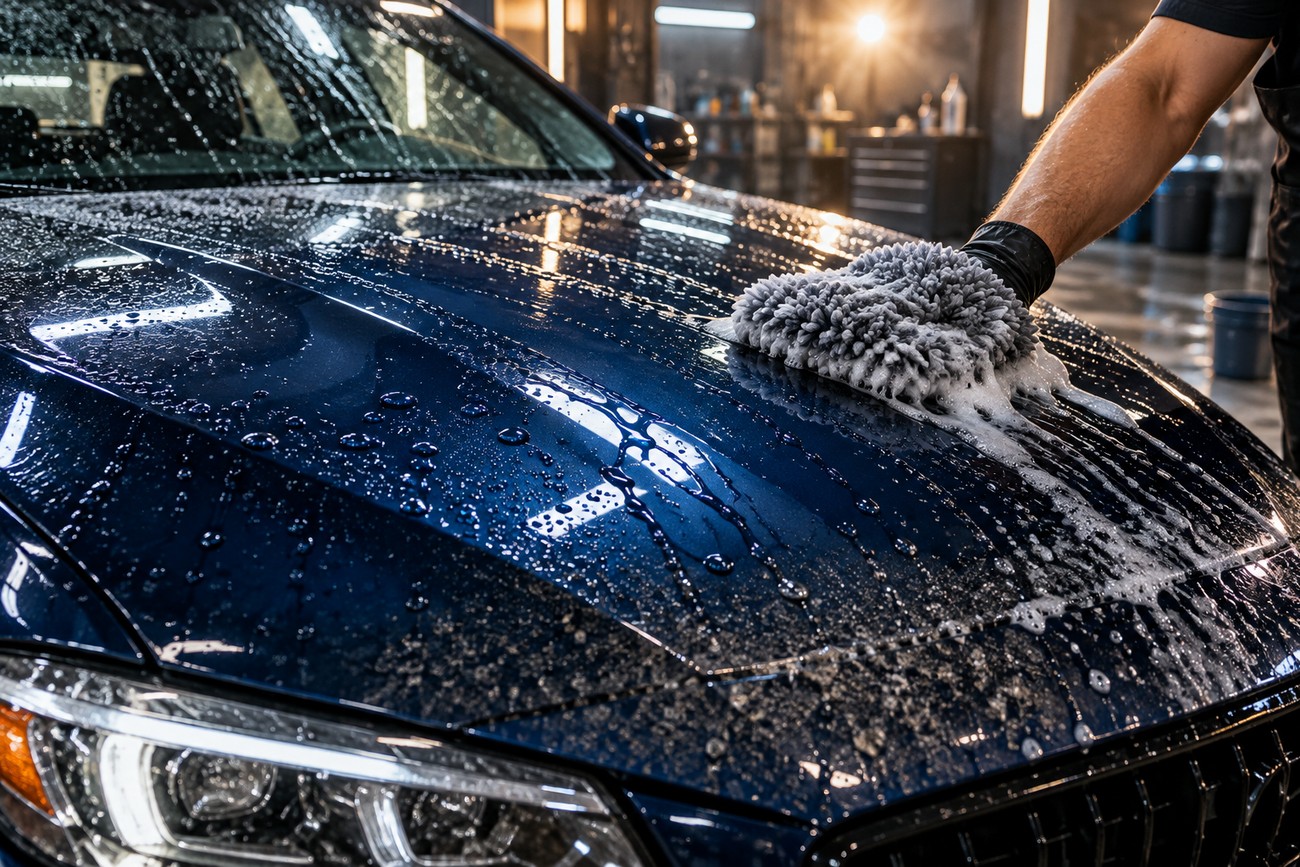
In daily use, the clearest benefit is usually easier removal of light dirt. Water can sheet or bead more readily, and a properly washed panel may release dust with less agitation. That reduces cleaning effort and can help limit the friction that causes wash marks, provided the owner still uses safe tools and adequate lubrication.
Water behavior is not the same as self-cleaning. Salt, bitumen, mineral deposits, organic contamination, and road film can remain attached to the surface even when water runs off quickly. A coated car still needs manual washing, and stubborn contamination may require a suitable decontamination process rather than repeated high-pressure rinsing.
Gloss is also partly a maintenance result. Ceramic Pro is often described as producing a thicker-looking, pronounced gloss, while Gtechniq is often described as producing a cleaner or more glass-like appearance. These impressions are subjective, and the visible difference can be smaller than the effect of paint correction, lighting, panel color, and the condition of the clear coat.
Dark paint exposes the limits quickly. Poor drying can leave mineral-rich water marks, while a soft clear coat can show fine swirls after careless washing. A coating may improve chemical resistance and cleaning behavior, yet it cannot compensate for allowing contaminated water to dry in heat or dragging a dirty towel across the panel.
Preparation and Installation Matter More Than the Bottle
A credible installation begins with inspection rather than immediate application. The technician should assess the paint condition, identify contamination, discuss the desired finish, and establish how much correction the vehicle actually needs. Decontamination removes bonded material, while polishing addresses defects that a coating will otherwise preserve beneath the cured film.
Degreasing is equally important because polishing oils, waxes, silicone residue, and cleaning products can interfere with bonding. Controlled application and layer control help avoid uneven coverage and high spots. Suitable curing conditions then give the system time to stabilize before the vehicle faces water, chemicals, or heavy use.
Installers can often trace a disappointing result to a specific stage: incomplete correction, residue left during degreasing, uncontrolled application, or unsuitable curing conditions. The brand name alone rarely identifies the failure.
A fresh polish can create much of the immediate premium appearance that owners later attribute entirely to the coating. This matters when comparing quotes: one studio may include substantial correction and another may apply a coating over lightly cleaned paint. The two prices describe different preparation standards, even if the product label looks similar.
Existing swirls and deeper defects remain visible unless corrected before application. A coating does not function as a paint filler in the way a temporary glaze might, and it does not remove the need for inspection of repainted or damaged panels. Asking to see the paint under strong inspection lighting is more informative than relying on a glossy delivery photograph.
Durability, Maintenance, and the Fine Print Behind “Lifetime”
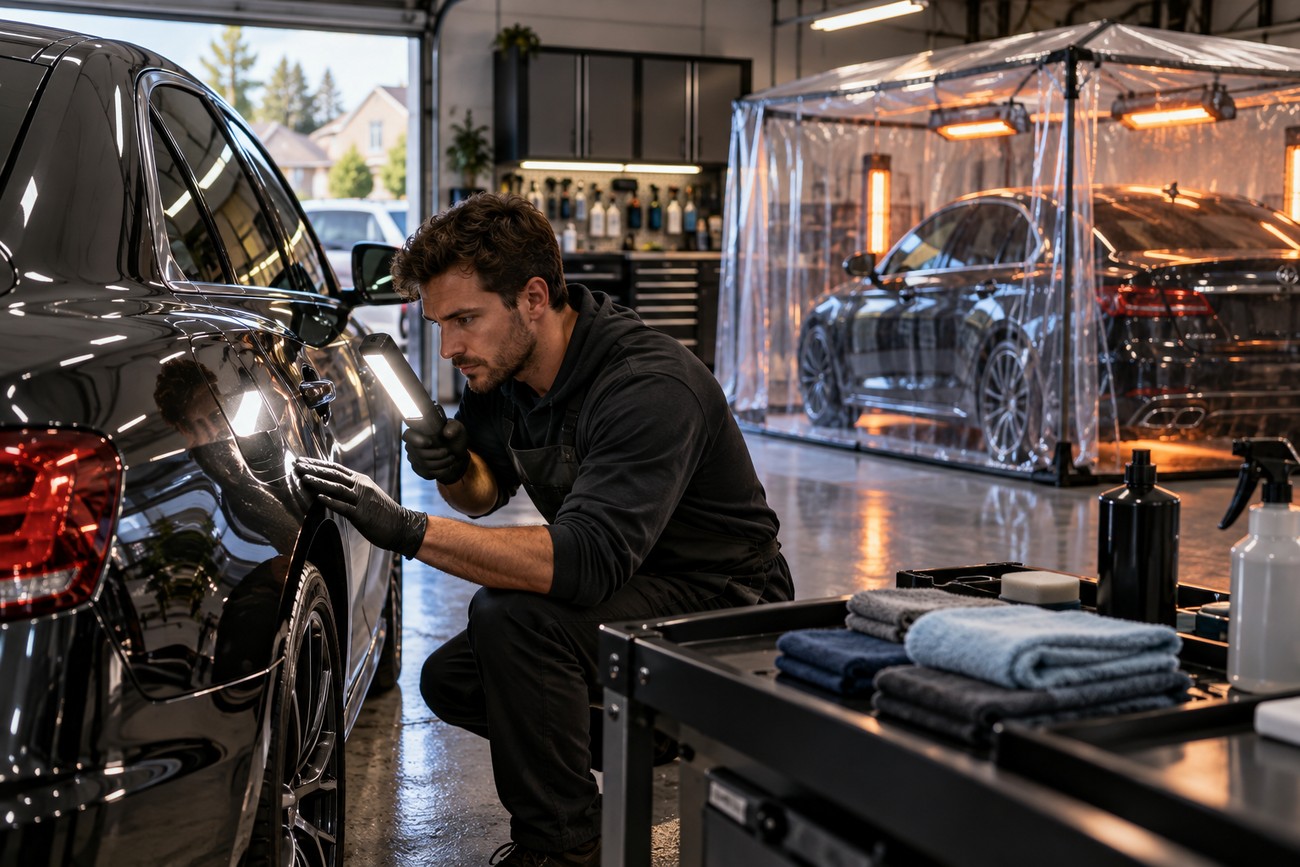
Ceramic Pro claims range from 1 year to “lifetime,” while some Gtechniq coatings claim durability for several years under correct preparation and care. Both brands may use terms such as “5+ years,” “permanent,” or “lifetime.” These terms do not mean that hydrophobic behavior will remain unchanged in every climate, mileage pattern, or washing environment.
Durability depends on preparation, installation, curing conditions, mileage, climate, washing method, chemical exposure, and ongoing maintenance. Automatic brushes, aggressive chemicals, abrasive washing, poor drying, road salt, and winter contamination can accelerate visible degradation. The coating may still be present while the water behavior and appearance no longer resemble the first weeks after installation.
Maintenance usually means pH-neutral or otherwise approved shampoos, safe contact washing, clean drying materials, and periodic use of the system’s recommended maintenance product. A topcoat or maintenance product can refresh surface behavior, but it cannot reverse neglected contamination or repair physical damage. If hydrophobicity changes quickly, the owner should first check washing chemicals, water quality, and technique before assuming the base coating has failed.
Warranty value depends on its conditions. Regular inspections and maintenance through a certified installer are commonly required, and exact exclusions vary by package. Before paying for a “lifetime” service, obtain the written schedule, inspection fees, approved products, transfer rules, exclusions, and definition of a warranty claim.
Cost, Value, and Choosing the Right Installer
The bottle is only one part of the price. A quote may include paint correction, chemical and mechanical decontamination, labor, curing time, maintenance products, inspections, and warranty administration. A cheaper package can represent a narrower preparation scope, while a higher price may be justified by correction work that materially improves the paint before coating.
For a daily city car, chemical resistance and easier maintenance may matter more than an extreme longevity claim. Highway use increases exposure to road film and grit, while winter driving adds salt and repeated wet-dry cycles. In those conditions, practical serviceability and straightforward maintenance can matter more than the maximum gloss described in a brochure.
Ask the installer for clear answers before approving the package:
- What paint correction and decontamination are included?
- Which coating product and maintenance products will be used?
- How long must the car remain protected while the coating cures?
- What washing method, inspection schedule, and paid maintenance are required?
- Which warranty exclusions apply to chips, repainted panels, neglect, and automatic washes?
- What happens if hydrophobic behavior declines or a high spot is discovered after delivery?
What Ceramic Coating Does Not Protect Against
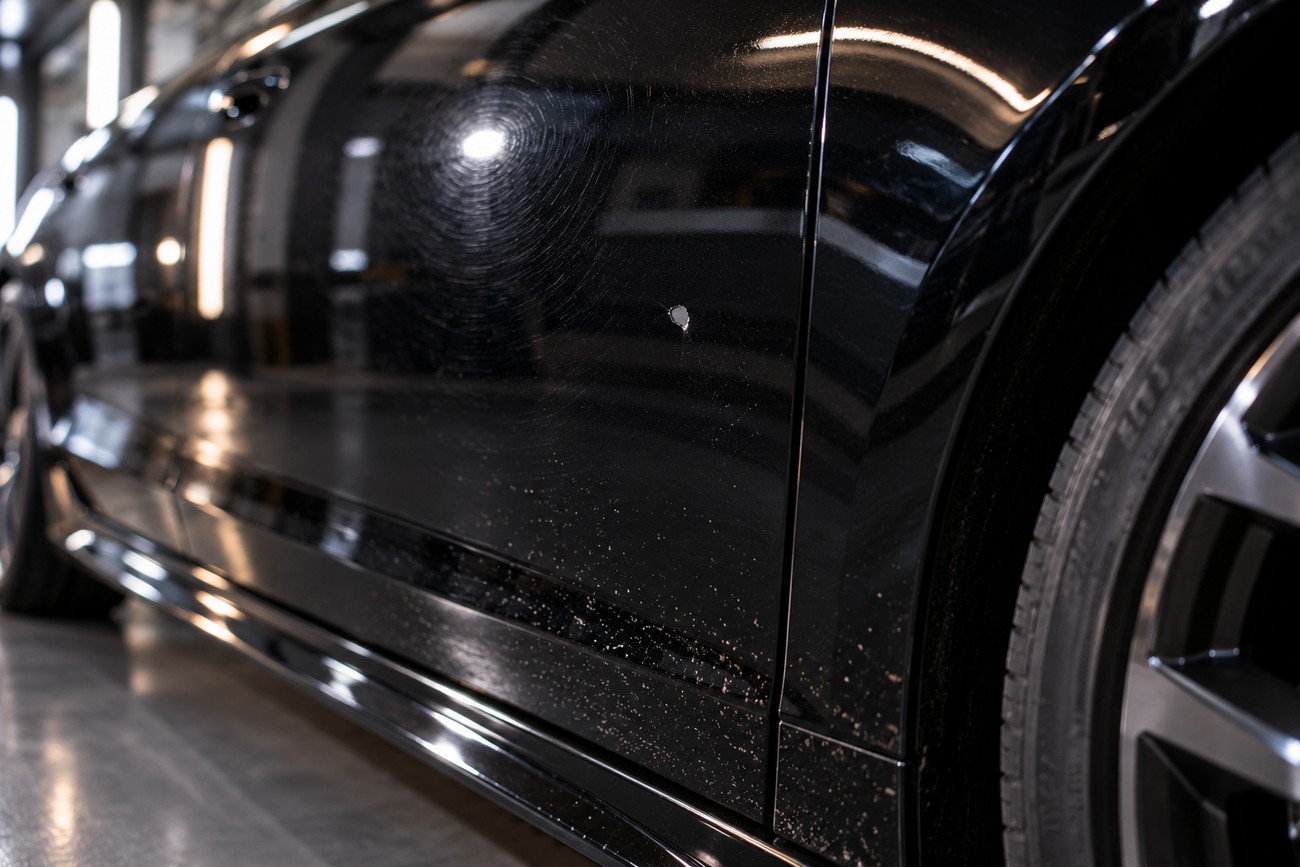
Ceramic coating improves surface behavior and chemical resistance within its limits. It can make routine dirt easier to remove and may reduce the effort needed to keep the paint clean. It does not make paintwork invulnerable to stone chips, sandblasting, deep scratches, or every mark caused by washing.
Chips from road debris involve concentrated physical impact, while sandblasting gradually abrades exposed surfaces. Brush contact and dirty wash media can create swirls even when a coating is present. A ceramic layer is not designed for the impact protection commonly associated with paint protection film, so high-risk impact areas need a different protection strategy.
Careful washing remains essential. Rinsing loose grit before contact, using clean wash media, working from cleaner panels to dirtier ones, and drying without dragging contamination across the paint all reduce avoidable damage. A coating lowers cleaning friction; it does not remove the friction created by poor technique.
Paint correction also belongs before installation. Applying a coating over defects can preserve the appearance beneath the layer and make later correction more complicated. Owners who expect protection from stone chips, deep scratches, or repeated brush washing should compare ceramic coating with paint protection film and improve their washing routine rather than expecting one product to cover every risk.
Which One Should You Choose: Ceramic Pro or Gtechniq?
There is no universal brand winner because both names cover multiple systems. Start with the strongest local installer, then compare the actual coating, preparation scope, maintenance plan, inspection rules, and exclusions. A technically competent installation with realistic aftercare is usually a safer purchase than a headline durability claim from a studio that cannot explain its process.
Ceramic Pro may appeal to owners who prefer a pronounced, substantial-looking gloss, while Gtechniq may suit those who prefer a cleaner or more glass-like appearance. These are subjective impressions rather than standardized performance measurements. View finished vehicles under natural light and inspect dark panels closely instead of choosing from edited images.
Daily urban use favors a system that makes repeated washing easier and tolerates the owner’s climate and contamination profile. Highway and winter use place greater value on resistance to salt, practical maintenance, and accessible aftercare. An enthusiast who washes carefully may benefit from a more demanding system, while an owner relying on automatic washes should reconsider the expected service life of any coating.
The sensible decision is the package that matches actual habits. Compare total ownership effort, including preparation, curing time, maintenance products, inspections, and warranty obligations. If the studio cannot explain what happens when hydrophobic behavior declines or presents ceramic coating as chip protection, treat that as a reason to keep looking.
Frequently Asked Questions
What is the best Gtechniq ceramic coating?
There is no single best Gtechniq coating for every vehicle. Selection should reflect the car’s use pattern, desired appearance, washing routine, climate, and the installer’s preparation and warranty package. A product intended for a carefully maintained enthusiast vehicle may offer poor value for an owner who uses harsh automatic washes or cannot complete required inspections.
Compare the specific product rather than the Gtechniq name alone. Ask what correction is included, how the surface will be prepared, what maintenance products are approved, how long curing takes, and what the warranty excludes. The installer’s ability to deliver clean preparation and consistent application can have more practical influence than a small difference between suitable products.
Which is better, Gtechniq or Gyeon?
Gtechniq and Gyeon cannot be ranked fairly at brand level because both names cover multiple coating systems. A useful comparison uses the same criteria for each: preparation standard, product purpose, claimed durability, chemical resistance, appearance, maintenance demands, warranty terms, and local installer support.
Also compare equivalent packages rather than a premium system from one brand with an entry-level system from the other. Check whether the price includes correction, decontamination, topcoat, inspections, and aftercare. The better choice is the system that suits the vehicle and can be maintained correctly by a competent local installer.
Why does a coated car still develop water spots?
Water spots form when mineral-rich water dries on the surface, especially under heat or direct sun. A coating can change how water moves across the paint, yet dissolved minerals remain after evaporation. Poor drying, delayed washing, and surface contamination can make the marks more noticeable.
Road film, salt, organic residue, or traffic contamination can also hold water against the surface and alter its behavior. Use safe washing and drying methods, avoid letting contaminated water bake onto warm panels, and follow the coating manufacturer’s guidance for mineral deposits. Persistent marks may need controlled decontamination or professional correction rather than a stronger everyday shampoo.