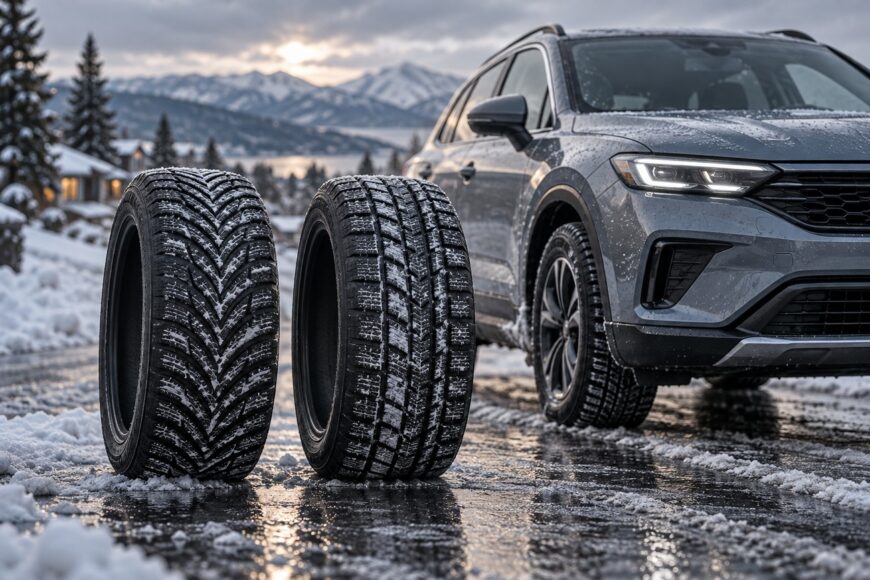
Bridgestone Blizzak WS90 and Michelin X-Ice Snow are both studless friction winter tires, so the better choice depends on your climate, roads, and driving priorities rather than a universal ranking. Their strengths can shift between fresh snow, packed snow, slush, cold, dry pavement, and bare ice.
Neither tire makes black ice behave like summer pavement. Studded tires generally retain an advantage on bare ice, while friction tires trade some ice performance for quieter operation, stronger behavior across mixed winter surfaces, and greater comfort. A useful comparison therefore has to account for temperature, tread wear, tire size, vehicle setup, and pressure.
- What the WS90 and X-Ice Snow Are Actually Designed to Do
- WS90 vs. X-Ice Snow: Where Each Tire Has the Edge
- Snow, Ice, Slush, and Cold Asphalt: The Real-World Verdict
- Dry-Road Feel, Noise, Comfort, and Tread Wear
- Why Test Results and Owner Reviews Disagree
- Buying Mistakes That Make Either Tire Seem Worse
- Which One Should You Choose?
- Frequently asked questions
- Will choosing 16–17-inch wheels instead of 19–20-inch wheels change how either tire feels?
- Which tire is better for snow and ice, Bridgestone WS90 or Michelin X-Ice Snow?
- Which is better, Michelin X-Ice or Blizzak?
- Which snow tire is better, Michelin or Bridgestone?
What the WS90 and X-Ice Snow Are Actually Designed to Do
Both models are studless friction winter tires designed for snow, ice, and cold pavement. They rely on tread design and rubber compounds rather than metal studs, which makes them suitable for drivers who regularly encounter changing road conditions and value reduced road impact and noise.
Bridgestone promotes a multicell and water-removing upper-tread concept intended to help on ice. The idea is to improve contact with a wet, slippery surface by helping remove water from the contact area. That technology does not eliminate the physical limitations of a studless tire on polished or bare ice.
Michelin X-Ice Snow replaces the X-Ice Xi3. Michelin promotes an EverGrip, full-depth-style concept intended to preserve grip deeper into tread wear, so the tire is designed to maintain useful winter characteristics as grooves and biting features wear down. Actual results still depend on alignment, pressure, driving conditions, and how much tread remains.
Both models carry 3PMSF certification for severe-snow service where applicable. This marking confirms compliance with a standardized winter-snow requirement; it does not mean that the tire is best on ice or superior in every winter test.
WS90 vs. X-Ice Snow: Where Each Tire Has the Edge
The table summarizes common use-case tendencies and owner impressions rather than a universal test result. Temperature, surface, size, vehicle, and tread wear can change the outcome.
| Scenario | Bridgestone Blizzak WS90 | Michelin X-Ice Snow |
|---|---|---|
| Snow starts | Often perceived as having stronger initial bite, especially on packed snow. | Usually feels controlled and predictable, with less emphasis on an abrupt winter “hook-up.” |
| Packed-snow braking | Commonly favored by owners who want a strong winter response. | Can feel composed and progressive; results vary with temperature and vehicle. |
| Bare ice | Can help on cold, slippery surfaces, but remains a studless tire with clear limits. | Can provide useful friction grip, but does not match studded-tire behavior on bare ice. |
| Slush | Often credited with confident winter bite, although worn tread may feel less secure in deep, wet slush. | Generally predictable when correctly inflated, with performance depending heavily on remaining tread. |
| Cold, dry pavement | May feel softer or less precise, particularly to drivers accustomed to summer tires. | Often praised for calmer behavior and clearer steering feel. |
| Steering feel | Winter-focused and sometimes described as soft or vague on clean asphalt. | Frequently described as more settled and communicative in cold, dry conditions. |
| Comfort and noise | Can be comfortable, though some owners report noise on rough surfaces or at particular speeds. | Often perceived as quiet and comfortable, with results strongly affected by size and vehicle. |
| Wear impressions | Some owners report higher wear or reduced ice effectiveness after wear; this is not universal. | Often associated with more predictable, even-feeling aging, though individual results vary. |
| Likely buyer fit | Drivers prioritizing immediate packed-snow bite and a softer winter feel. | Drivers prioritizing calm cold, dry-road behavior, steering feel, and consistent aging. |
Snow, Ice, Slush, and Cold Asphalt: The Real-World Verdict
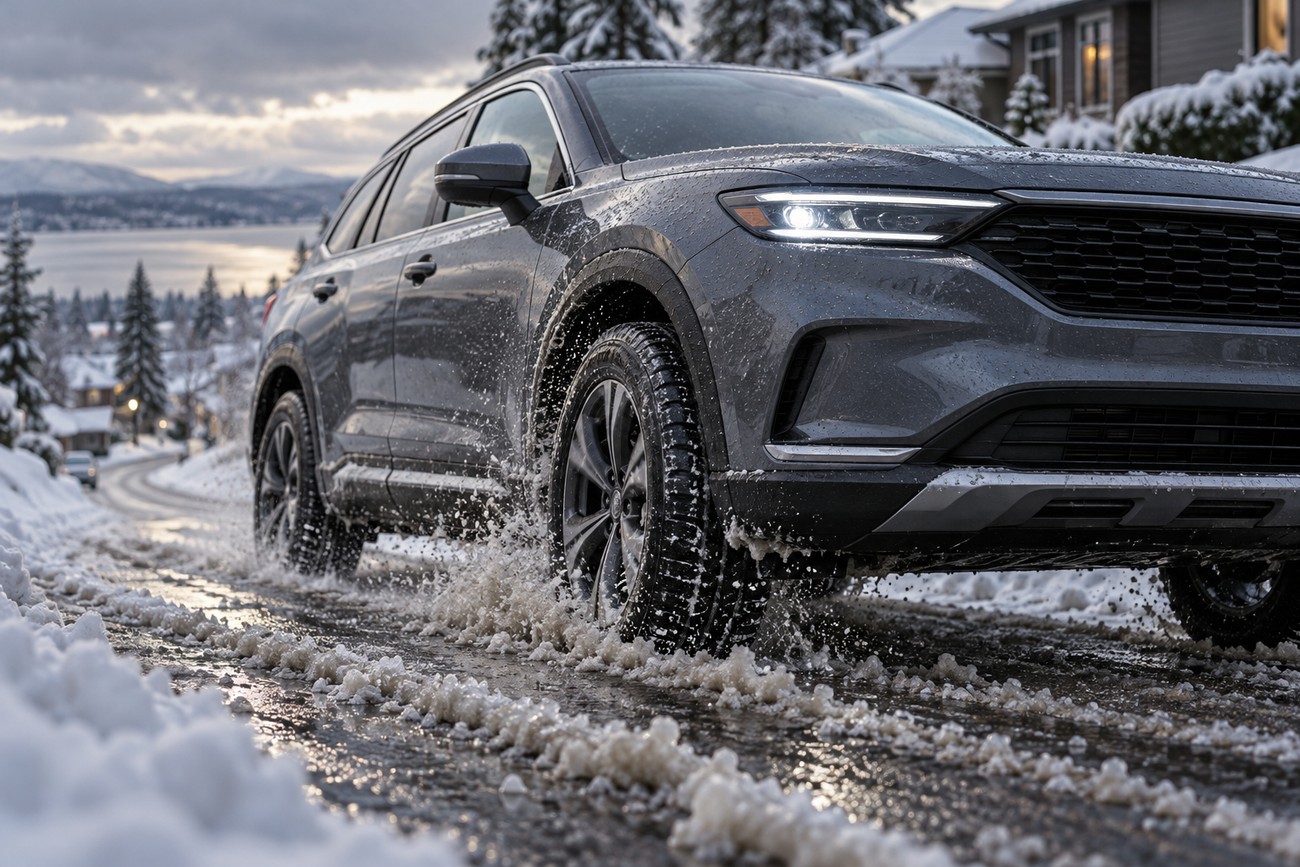
Fresh, loose snow and dense packed snow place different demands on a tire. Temperature, moisture, and snow depth can matter more than the model name. WS90 is commonly perceived as having a stronger initial bite during starts and on packed snow, which can feel useful at intersections, driveways, and uphill launches.
Slush is a more complicated surface because it combines water, loose snow, and changing pavement contact. A properly inflated WS90 may give drivers a reassuring winter response, while X-Ice Snow can feel more measured and predictable. As either tire wears, heavy, wet slush can expose reduced groove depth and make the car feel less secure, regardless of the original model choice.
Bare ice is where expectations require the most correction. Neither friction tire turns black ice into dry pavement, and studded tires generally retain a noticeable advantage on that surface. X-Ice Snow and WS90 can still provide useful grip on cold, textured, or lightly snow-covered ice, but braking distances and cornering margins remain limited.
Cold, dry asphalt often favors the X-Ice Snow driving impression. Owners commonly describe it as calmer, with clearer steering and less disturbance from the soft winter compound. WS90 can feel more flexible and winter-oriented, which some drivers prefer in frequent snow but others experience as reduced precision on clean roads.
The practical answer is conditional: WS90 is the directional choice for packed-snow starts and a pronounced winter bite, while X-Ice Snow is the directional choice for composed cold, dry-road behavior and predictable control. Standardized tests may produce different winners because they measure selected surfaces at selected temperatures, while owner impressions include commuting, changing weather, and vehicle-specific feedback.
Dry-Road Feel, Noise, Comfort, and Tread Wear
Both tires can feel soft or vague on clean asphalt. That sensation comes from the flexible winter construction and cold-weather compound, which prioritize grip in conditions where a summer or all-season tire may feel sharper. Drivers who spend most winter days on cleared highways may notice this trade-off more than those who regularly drive on snow.
Noise is equally vehicle-dependent. Rough pavement, a particular speed range, suspension condition, cabin insulation, and tire size can all change the result. A complaint that one tire “hums” may describe a specific vehicle-and-road combination rather than a universal characteristic of the model.
Owner reports often describe WS90 as delivering stronger winter bite, with some reports of higher wear or more noise. X-Ice Snow is often credited with clearer steering and more predictable wear. These are tendencies in user experience, not a guarantee for every size, production market, climate, or alignment setup.
Perceived aging matters because the first-season impression can be unusually positive for any new premium winter tire. As tread wears, the change may be most noticeable in ice traction and slush evacuation. Michelin’s full-depth-style approach is intended to preserve grip deeper into the tread, while reports of WS90 losing some ice effectiveness after wear remain individual observations rather than a universal standardized finding.
Why Test Results and Owner Reviews Disagree
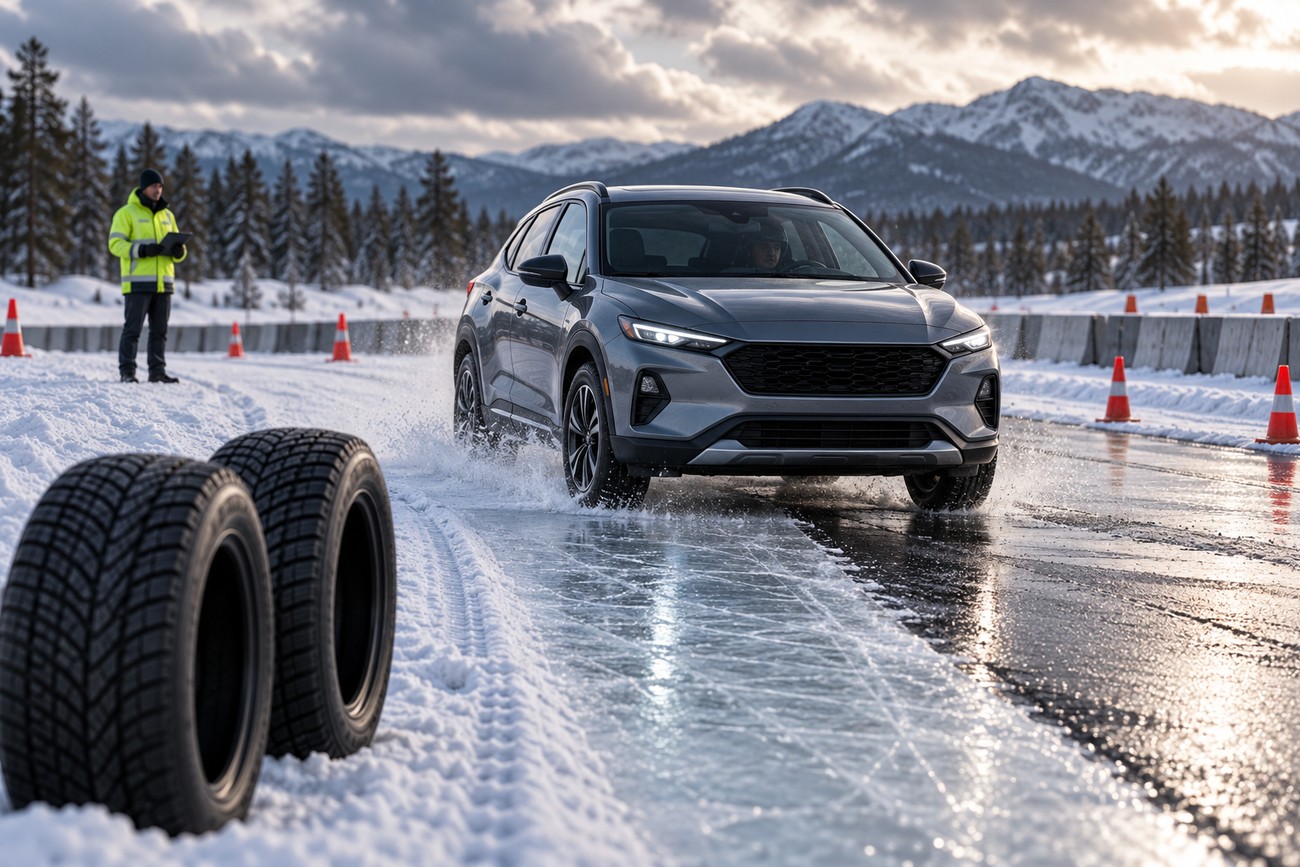
There is no single comparison standard that makes one model best in every winter condition. A test on polished ice at one temperature may reward a different tread and compound balance than a test on wet, cold asphalt, packed snow, or slush. Tire size and market specification can also change the construction and the driving impression.
The vehicle adds another layer. Mass, drivetrain, suspension tuning, wheel alignment, and ESC/ABS calibration influence how quickly a tire starts, stops, and recovers from a slide. On heavy vehicles and crossovers, those factors can reduce the perceived gap between WS90 and X-Ice Snow.
Pressure, load and speed ratings, exact tire size, and vehicle setup should be checked before vague steering, rapid wear, or poor ice grip is assigned to the tire model itself.
A new premium tire compared with a worn tire creates a false brand conclusion. The newer tire will usually feel sharper, quieter, and more secure, even if the two models would have performed more closely when both had similar tread depth and age.
Some owners also report that particular WS90 sizes or batches feel softer or wear faster, while others have a different experience. Such reports can flag a fitment or usage pattern worth investigating, but they do not establish a general model-wide result.
Buying Mistakes That Make Either Tire Seem Worse
Choosing the winner of a snow test without matching it to your climate is a common error. A city with frequently cleared roads, wet pavement, and little persistent snow may place greater value on wet-road behavior, noise, steering feel, and comfort than on the last margin of packed-snow traction.
Size alone does not complete the fitment decision. Load and speed ratings must match the vehicle requirements, and a lower-priced tire with an incorrect rating is not a sound comparison. The wheel and tire package should also clear the brakes and suit the vehicle’s approved specifications.
Pressure affects braking, wear, and the subjective feeling of softness or vagueness. Winter temperatures can reduce pressure, so checking it regularly is particularly important. A tire that feels vague after a temperature drop may need a pressure check before it needs replacement.
Comparing a new WS90 or X-Ice Snow with a partly worn tire can make the newer product seem dramatically better. The same problem occurs when a driver judges a model after one difficult trip on black ice and treats that event as a complete product verdict.
Wheel size and driving pattern shape the final experience. A 16–17-inch winter package often has more sidewall compliance than a 19–20-inch application, which can change noise, comfort, and steering response substantially. The difference between models may be more noticeable in mixed urban use than during steady driving in consistently snowy conditions.
Which One Should You Choose?
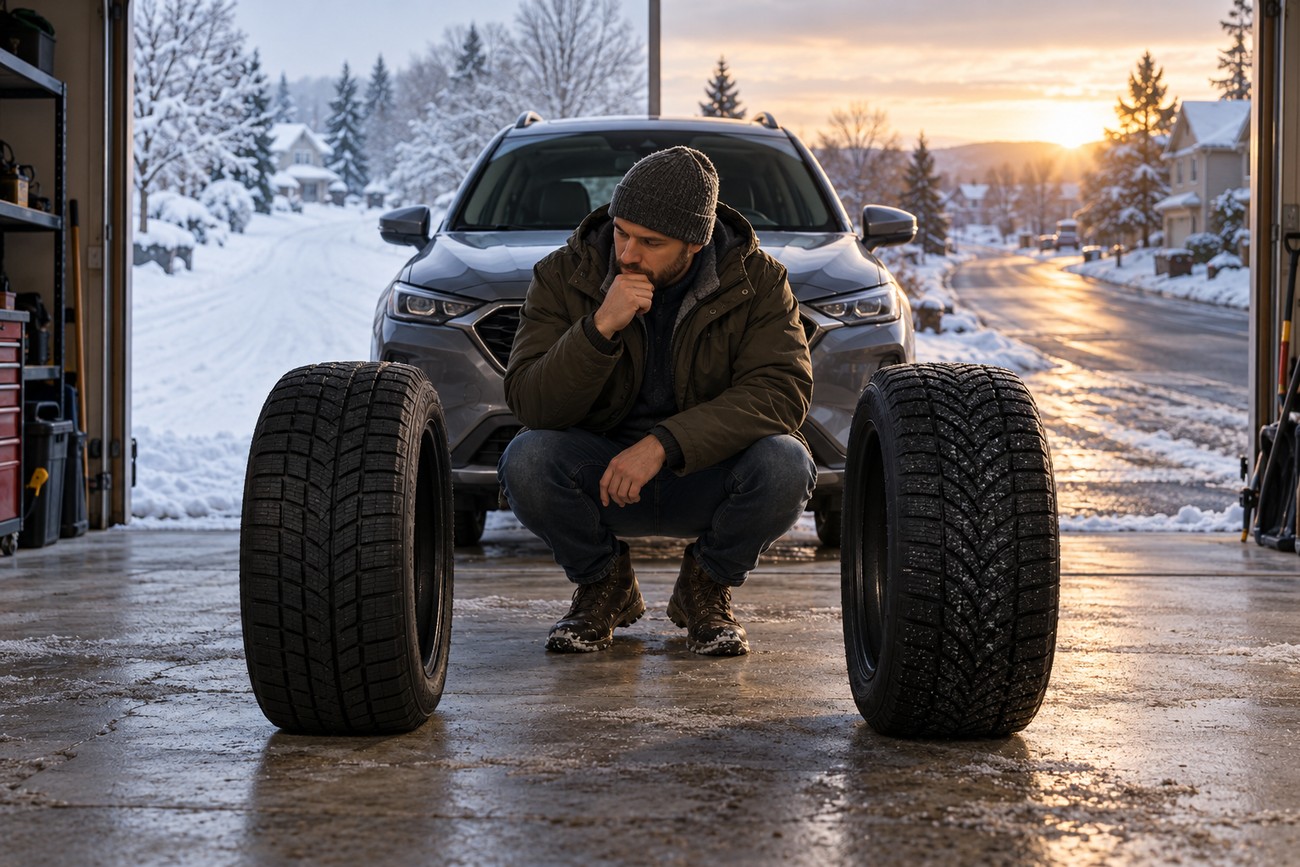
Choose WS90 if your priority is immediate bite during starts and braking on packed snow, along with a softer, more distinctly winter-focused feel. That direction makes sense for drivers who regularly encounter snow-covered residential roads, compacted intersections, or slushy climbs.
Choose X-Ice Snow if your winter includes many cleared roads and cold, dry pavement, and you value calm behavior, steering feel, and more even perceived aging. It is often the more natural fit for drivers who dislike a loose or vague response during ordinary commuting.
Neither model is automatically the best choice for every climate or vehicle. Correct size, load rating, speed rating, pressure, wheel package, and driving pattern can outweigh a small difference between two premium winter tires.
For frequent bare-ice travel, consider whether local rules and conditions make studded tires appropriate. For mixed winter use, both WS90 and X-Ice Snow can be sensible choices when expectations are realistic and the fitment is correct.
Frequently asked questions
Will choosing 16–17-inch wheels instead of 19–20-inch wheels change how either tire feels?
Yes. A 16–17-inch winter tire commonly has a taller sidewall, which can absorb sharp impacts and make the ride feel more flexible. A 19–20-inch package usually has less sidewall movement, so steering may feel more immediate, while impacts and road texture can become more noticeable.
Noise can change as well because width, tread shape, wheel construction, and vehicle insulation interact with the tire. The same WS90 or X-Ice Snow model can therefore produce different comfort and steering impressions in different approved sizes.
Which tire is better for snow and ice, Bridgestone WS90 or Michelin X-Ice Snow?
WS90 is commonly the better directional fit for stronger initial bite on packed snow and slush. X-Ice Snow is commonly the better directional fit for composed behavior and steering feel on cold, dry pavement.
Neither is a universal ice winner. Temperature, snow type, tread wear, tire size, vehicle, and pressure can change the result, while studded tires generally retain an advantage on bare ice.
Which is better, Michelin X-Ice or Blizzak?
Michelin X-Ice Snow tends to suit drivers who value calm road manners, clear steering, and predictable wear. Bridgestone Blizzak WS90 tends to suit drivers who prioritize a strong winter response when launching or braking on packed snow.
The better purchase is the one that matches your roads and vehicle. A correctly rated tire at the correct pressure can deliver a better result than a theoretically preferable model fitted in the wrong size or used outside its main strength.
Which snow tire is better, Michelin or Bridgestone?
Neither brand wins every winter scenario. Bridgestone often emphasizes immediate snow traction through the WS90, while Michelin often appeals to drivers seeking composed cold-road handling and consistent behavior as the tread wears.
Compare the exact models, size, load and speed ratings, and local climate rather than choosing by brand alone. For persistent bare ice, remember that both are friction tires, and studded products generally maintain a traction advantage.