
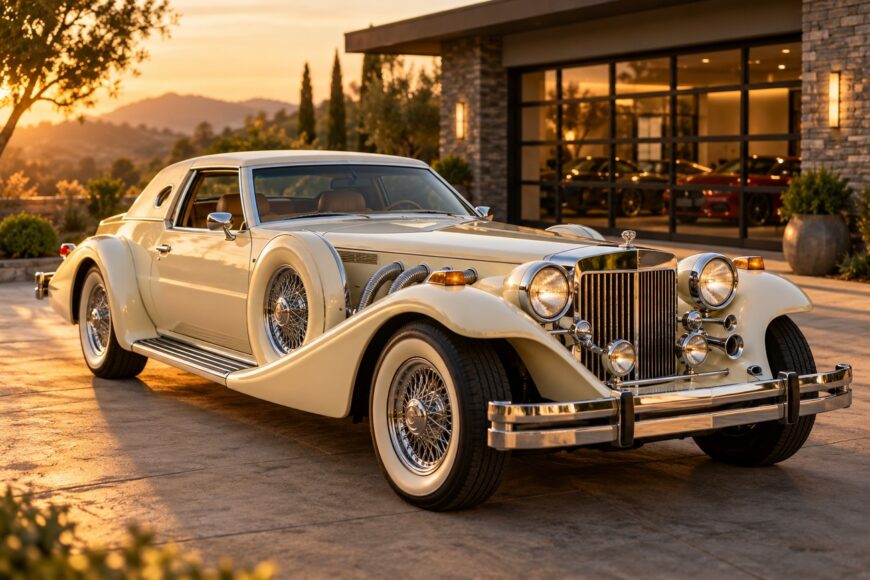
The Zimmer Golden Spirit looks like a 1930s luxury car, yet it is an American neo-classic built around mass-produced Ford or Mercury mechanicals. That deliberate combination creates its appeal and its main purchasing hazard: the visual story is easy to understand, while the car’s actual platform, construction date, and conversion history may be difficult to establish.
Descriptions commonly point to early Mercury Cougar underpinnings, while specialist publications and sales listings also document Ford Mustang-based cars. Some later examples are described as Mustang restomods with a 5.0-liter Coyote V8 and a 6-speed automatic. Those differences matter because two cars wearing the Golden Spirit name can have substantially different engineering, workmanship, maintenance needs, and collector value.
The buyer’s real task is therefore to identify the individual automobile rather than trust the badge or styling. Provenance, donor VIN, title history, conversion records, and preserved Zimmer components provide a more reliable basis than an attractive advertisement. Without that evidence, you may pay for theatrical styling while assuming a level of originality the car cannot support.
- What the Zimmer Golden Spirit Actually Is
- Early Cougar, Mustang-Based, or Restomod? Read the Platform Before the Badge
- The Neo-Classic Look: Four Seats, Chrome, and Deliberate Theater
- What to Check Before Buying a Zimmer Golden Spirit
- Ownership Reality: The Hidden Cost of the Chrome
- Zimmer Golden Spirit Value: Why There Is No Simple Average
- Myths That Make Golden Spirit Listings Misleading
- Frequently asked questions
- How many Zimmer Golden Spirits were made?
- How much is a Zimmer Mustang worth?
- What is the average price of a Zimmer Golden Spirit?
What the Zimmer Golden Spirit Actually Is
The Zimmer Golden Spirit is generally associated with production from 1980 to 2005. It belongs to the American neo-classic category: modern or contemporary production-car mechanical dressed in a visual language associated with 1930s automobiles. It should be understood as a conversion or reconstruction, rather than a surviving genuine 1930s production car.
Its design deliberately mixes prewar cues with mass-produced American underpinnings. Long body extensions, formal proportions, bright trim, and a grand touring cabin create the impression of a much older luxury car. Beneath that presentation, the vehicle’s service requirements depend heavily on the Ford or Mercury donor and on the quality of the conversion work.
Early examples are commonly described as based on the rear-wheel-drive Mercury Cougar. Ford Mustang is also documented in specialist publications and sales listings, especially for later or rebuilt examples. That does not establish one universal platform for every Golden Spirit; it shows why each car requires individual verification.
The model is sometimes grouped loosely with Excalibur and other neo-classics because all use deliberately historic styling. The names represent different vehicles and production histories, however. A Golden Spirit’s identity comes from its Zimmer conversion, its documented donor, and its surviving components, rather than from a claim that it is an original prewar automobile.
Early Cougar, Mustang-Based, or Restomod? Read the Platform Before the Badge
Before comparing examples, identify the mechanical foundation. The following guide separates the configurations commonly encountered in descriptions and explains what each clue can and cannot prove.
| Configuration described in a listing | Likely platform or evidence | Engine and transmission clues | Main provenance risk | What to verify |
|---|---|---|---|---|
| Early Cougar-associated Golden Spirit | Rear-wheel-drive Mercury Cougar underpinnings | Reported Windsor V8 engines of 4,183 cc or 4,942 cc with automatic transmission | Age, incomplete records, and uncertain conversion details | Donor VIN, title description, engine identity, transmission, and original build paperwork |
| Mustang-based listing | Ford Mustang donor, or a later rebuilt configuration | Specification varies; the Mustang description alone does not identify the drivetrain | Seller may use “Mustang” to simplify or enhance the presentation | Specific Mustang generation, donor history, VIN consistency, and conversion records |
| Later Coyote restomod | Later or rebuilt Mustang-based car | Reported 5.0-liter Coyote V8 with a 6-speed automatic | Modernized mechanical may coexist with improvised body, wiring, or mounting work | Engine and transmission documentation, installation quality, wiring, cooling, and legal registration |
An early Cougar-associated car and a later Mustang-based restomod may share the Golden Spirit name while differing in chassis age, suspension design, electrical systems, drivetrain, and replacement-part availability. The visual conversion can conceal these differences until the car is placed on a lift or its paperwork is examined.
The reported early engine references are Windsor V8s of 4,183 cc and 4,942 cc with automatic transmission. A listing that cites a 5.0-liter Coyote V8 and a 6-speed automatic is describing a later or rebuilt Mustang-based configuration, not a universal original specification for the model.
VIN and title records should be read together with the donor history. A title may preserve the donor identity, the converted identity, or a jurisdiction-specific description that requires clarification. Build invoices, photographs taken during conversion, engine numbers, and records from previous owners can reveal whether the current car retains its original Zimmer components or has been rebuilt around a different base.
The Neo-Classic Look: Four Seats, Chrome, and Deliberate Theater
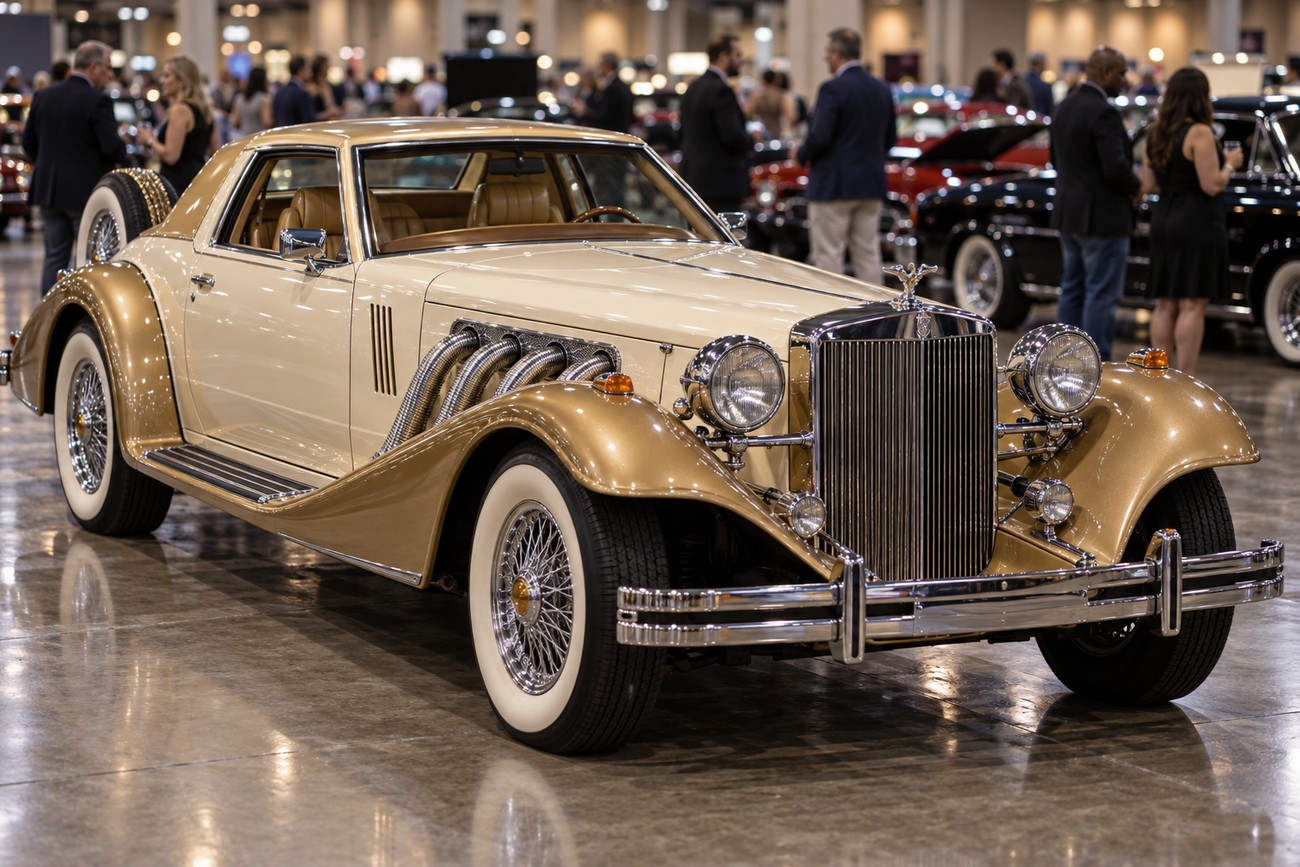
The Golden Spirit’s appeal rests on visual presence. Collection descriptions commonly mention four seats, leather upholstery, a wood dashboard, and spoked chrome wheels. Together, these features create a luxury grand-touring presentation that feels formal and theatrical even when the underlying donor remains familiar American mass-production hardware.
The styling is intentionally a mixture of eras. Distant prewar references appear in the upright stance, extended bodywork, bright exterior decoration, and formal cabin, while the seating, controls, and mechanical layout may reflect the donor vehicle. That mixture is the point of a neo-classic design, although it can disappoint buyers expecting the construction methods or driving character of a genuine 1930s car.
Originality needs careful definition in this context. A car can have a polished retro appearance while carrying replacement trim, reproduction panels, or a generic body kit fitted during a later refurbishment. Preserved original Zimmer elements, supported by documentation, generally tell a stronger collector story than a fresh coat of paint and a convincing silhouette alone.
The same theatrical design can be awkward for daily use. Long decorative panels, bright trim, limited visibility, unusual proportions, and vulnerable exterior fittings demand more care in parking, washing, storage, and routine driving. Buyers who enjoy formal arrival, display events, and occasional touring are more likely to accept those compromises than owners seeking an inconspicuous commuter.
What to Check Before Buying a Zimmer Golden Spirit
Begin with identity, not cosmetics. Confirm that the VIN, title, seller’s description, and physical donor evidence refer to the same automobile. Establish whether the car is an early Cougar-associated example, a Mustang-based build, or a later restomod before evaluating its condition or comparing its price.
Request conversion records and inspect the engine and transmission directly. Early references include Windsor V8s of 4,183 cc and 4,942 cc with automatic transmission, while a 5.0-liter Coyote V8 with a 6-speed automatic points toward a later or rebuilt Mustang-based configuration. Engine badges and seller wording are clues; casting numbers, identification plates, invoices, and installation details provide stronger evidence.
Inspectors verify the donor VIN and conversion paperwork before judging the Zimmer bodywork because a clean-looking exterior can conceal incompatible wiring, improvised mounting, and undocumented drivetrain changes.
Put the car on a lift and inspect the ordinary risks of an older Ford or Mercury base: corrosion, suspension wear, leaks, damaged wiring, and poorly repaired structural areas. Then examine the conversion itself. Check panel alignment, fastener access, water management, steering and brake clearance, cooling, exhaust routing, and the way added bodywork is attached to the donor structure.
Trim deserves its own inspection. Body and decorative components are not reliably available through ordinary mass-market channels, so missing wheel hardware, exterior ornaments, interior fittings, or custom panels can turn a minor cosmetic fault into a prolonged specialist search. A complete but imperfect car may be easier to preserve than a heavily refurbished example assembled from mismatched parts.
Photographs cannot establish originality or workmanship. Ask for images of the underside, engine bay, interior mounting points, and any areas repaired during restoration. Provenance is more informative than the stated year alone because the same model name can conceal different donors, construction periods, and degrees of alteration.
Ownership Reality: The Hidden Cost of the Chrome
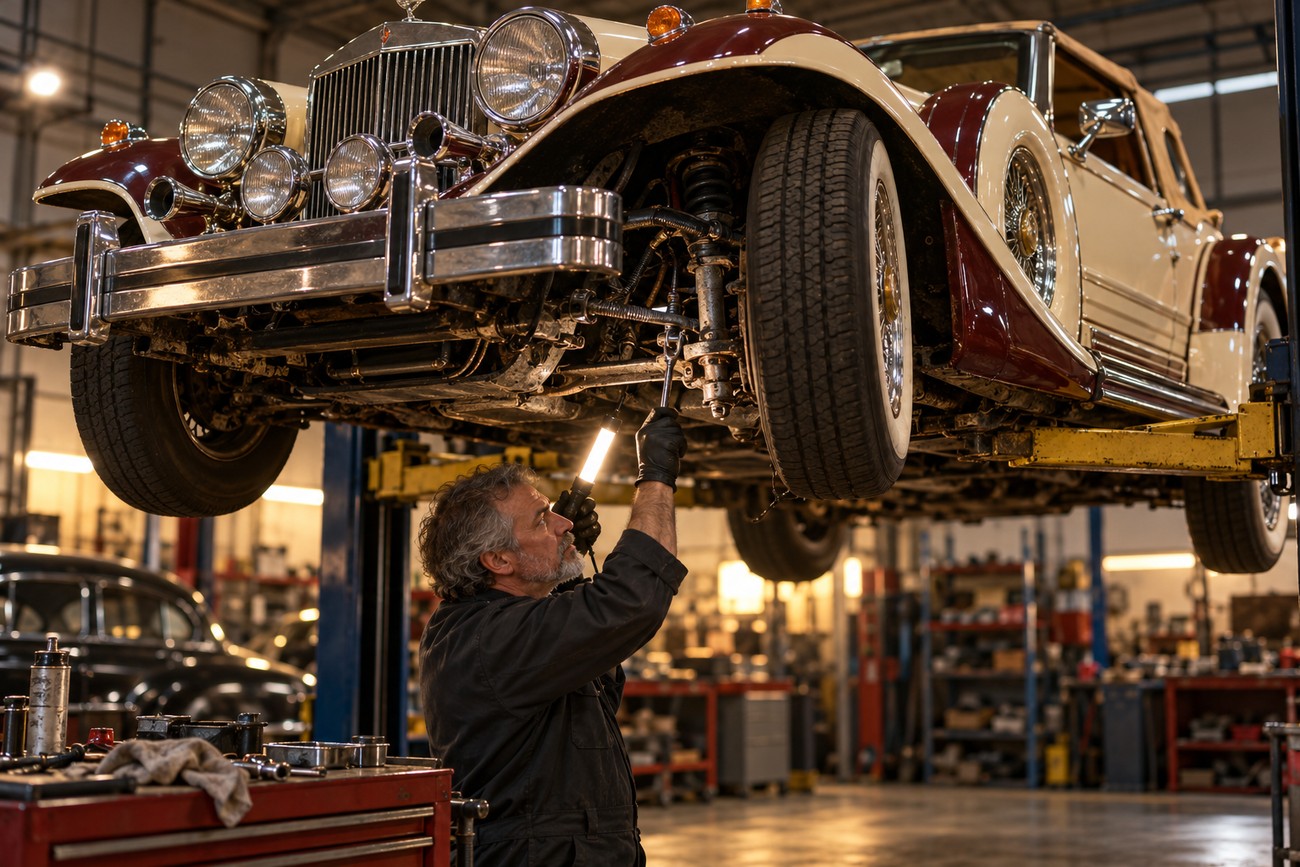
The donor platform can make routine mechanical work familiar, but it does not make the entire vehicle simple to own. Older Ford and Mercury bases can bring conventional problems involving wiring, suspension, and corrosion. Those faults may be manageable when parts and documentation are clear, yet access can become harder once extended bodywork or custom interior components obstruct the original systems.
Zimmer-specific parts create a separate ownership risk. Custom panels, bright trim, decorative fittings, and specialized interior pieces may require searches through specialist communities, donor cars, or custom restoration work. A missing ornament can therefore consume more time and money than an ordinary mechanical replacement, even when the donor’s engine and brakes remain serviceable.
Later conversions add another variable: workmanship. Two cars marketed as Golden Spirits can differ sharply in wiring quality, panel attachment, cooling arrangements, drivetrain installation, and finish. A modern engine does not automatically indicate a professional conversion, and a mechanically sound donor does not guarantee that the added body structure or electrical work is safe and durable.
Driving expectations also need to remain realistic. Vintage V8 performance should not be treated as modern sports-car performance, particularly in a large, heavily styled conversion. The ownership reward lies more in presence, character, and the individuality of the build than in precise handling or contemporary acceleration.
Zimmer Golden Spirit Value: Why There Is No Simple Average
No dependable universal average price is established by the available evidence. Asking prices are difficult to compare because Golden Spirits may differ in donor platform, engine, transmission, restoration quality, documentation, completeness, and preservation of original Zimmer elements.
A late Mustang-based restomod should be compared with other documented restomods of similar quality and specification. An earlier original-style example requires a different comparison set, particularly if its Zimmer bodywork, trim, interior, and conversion history are well preserved. Treating both cars as interchangeable examples can produce a misleading valuation.
The recurring complaint that a Golden Spirit costs more than its mass-produced chassis is understandable. The donor’s ordinary market identity sets a reference point for mechanical value, while the conversion adds labor, rarity, styling, and collector interest. That premium is easier to defend when the work is documented, complete, and well executed.
Rarity alone does not prove technical quality or justify a premium. A car with weak records, improvised repairs, missing trim, or uncertain identity may be rare because it is difficult to preserve. A well-documented example with original Zimmer elements and sound workmanship can command stronger interest, even though its underlying platform remains a Ford or Mercury production car.
Myths That Make Golden Spirit Listings Misleading
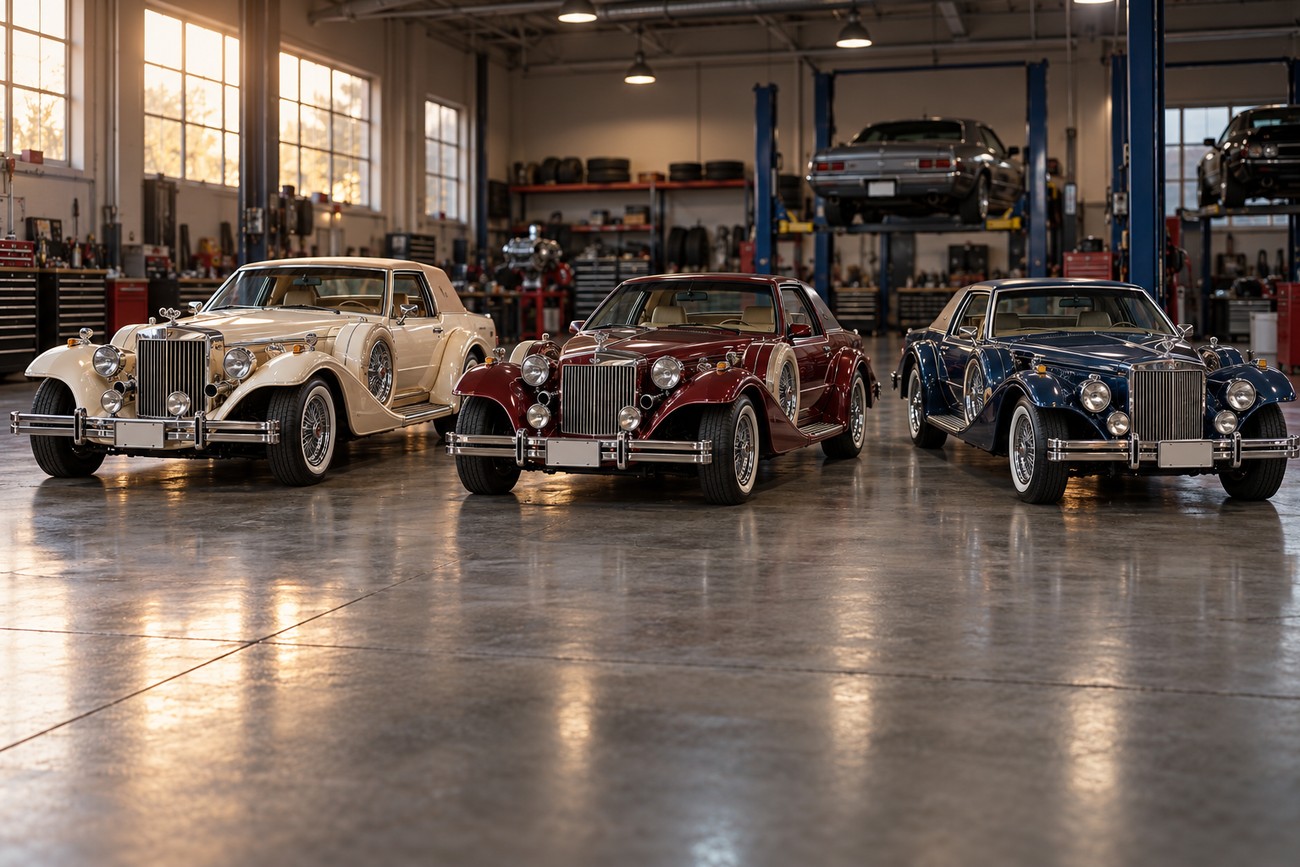
The first myth is that the Golden Spirit is a genuine 1930s automobile. It is an American neo-classic styled after the 1930s, built around later mass-produced mechanicals. The period appearance is intentional design language, not evidence of prewar manufacture.
The second myth is that every example uses one chassis. Early cars are commonly associated with the rear-wheel-drive Mercury Cougar, while Ford Mustang is also documented, especially for later or rebuilt cars. A seller’s use of the phrase “Zimmer Mustang” may describe a later configuration rather than a single uniform factory specification.
A Mustang listing also does not prove that the car is an original configuration. It may identify the donor, a rebuilt example, or a restomod. Likewise, a Coyote engine and 6-speed automatic provide useful clues about the build, but they should be verified through drivetrain records and inspection rather than accepted as proof of factory history.
Rarity does not guarantee reliability. The Golden Spirit suits buyers who value visual presence, unusual design, and documented individuality more than factory-standard authenticity. Buyers seeking a genuine 1930s car, predictable parts supply, or ordinary daily-driver practicality are more likely to be disappointed.
Frequently asked questions
The answers below clarify the Golden Spirit’s production history, platform variations, and valuation. Because these cars can differ substantially in donor, condition, and conversion quality, broad claims should be treated cautiously. The individual car’s documentation remains the most reliable guide.
How many Zimmer Golden Spirits were made?
The exact total production figure is not confirmed in the available evidence. Claims that only an extremely small number remain should therefore be treated cautiously unless supported by documented production records, registries, or a traceable history of individual cars.
One profile source claims that the Golden Spirit line had three body variants, but that is a single-source statement and should not be confused with a verified production count. Body-variant claims describe configuration or design range; they do not establish how many cars were built or how many survive.
How much is a Zimmer Mustang worth?
There is no single reliable value for a “Zimmer Mustang” because the phrase can refer to a later Mustang-based Golden Spirit, a rebuilt car, or a restomod using the Zimmer name. Establish the specific Mustang generation, engine, transmission, conversion quality, documentation, and condition before selecting comparable vehicles.
An asking price is a seller’s position, not proof of transaction value. A documented, complete, well-executed car may deserve stronger collector interest than an attractive example with uncertain provenance, even when both are described with the same model name.
What is the average price of a Zimmer Golden Spirit?
No dependable universal average price is available. Build comparisons only after separating cars by platform, configuration, documentation, condition, and completeness of original Zimmer components.
Compare early Cougar-associated examples with similar early-style cars, and later Mustang-based or Coyote restomods with comparable modernized conversions. This approach avoids treating the donor chassis, the neo-classic bodywork, and the quality of the individual build as if they contributed the same value in every car.







