
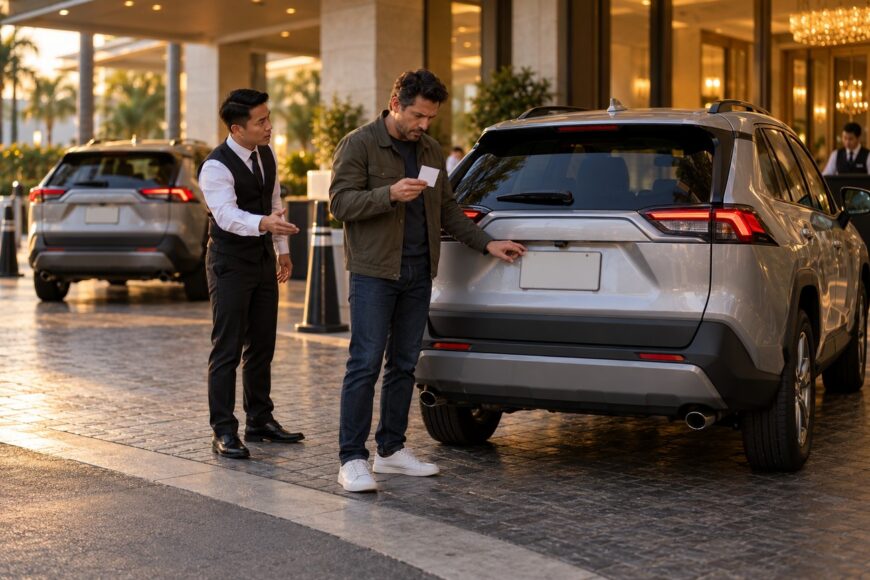
You walk toward a familiar-looking Toyota RAV4, accept the keys, and drive away. Then you notice that the license plate does not match your ticket, registration record, or the photo saved on your phone. The car may have the same color and trim, and the key may even appear to work. It is still someone else’s vehicle.
At that point, two issues need attention: where is your RAV4, and has anyone taken it without authorization? Stop the journey safely, avoid opening or searching the other vehicle, and contact the valet service immediately. The next steps should create a clear record of both cars, their keys, and the handoff while the relevant staff, logs, and camera footage are still available.
- First, confirm the RAV4 is not yours—and stop driving
- Make the valet account for both vehicles
- Preserve the evidence before the handoff record disappears
- Who is responsible when a valet hands over the wrong car?
- Notify insurance and claim documented losses
- Avoid the same mistake at the next valet pickup
- Frequently asked questions
- What if I discover the wrong RAV4 only after I get home?
- Does Toyota valet mode prevent this mix-up, and how do I turn it off?
- What if a ticket or toll charge arrives from when someone else had my RAV4?
First, confirm the RAV4 is not yours—and stop driving
Check the license plate against a reliable record before relying on appearance. Your valet ticket, registration information, insurance document, or a photograph of your own plate can provide that reference. Color, badges, wheels, interior trim, and a key that appears familiar do not establish that the vehicle is yours.
If the plate does not match, stop using the other RAV4. At a valet exit, park safely at the curb or in the designated area and tell the attendant that the vehicle identity is wrong. Do not search the cabin, remove belongings, or attempt to find the correct car by driving through the lot.
A mismatch discovered on the road requires extra care. Pull over legally, keep the vehicle secure, and contact the valet from a safe location. Explain that the car was handed over through the service and ask for instructions on preserving it and arranging its return. The operator should account for your RAV4 and the vehicle now in your possession.
Keep the conversation factual. State the two license plates, the time and location of pickup, and the ticket details. An apparent error at the curb can often be contained quickly; an unexplained car away from the venue creates a stronger need for a documented response and, where appropriate, police involvement.
Make the valet account for both vehicles
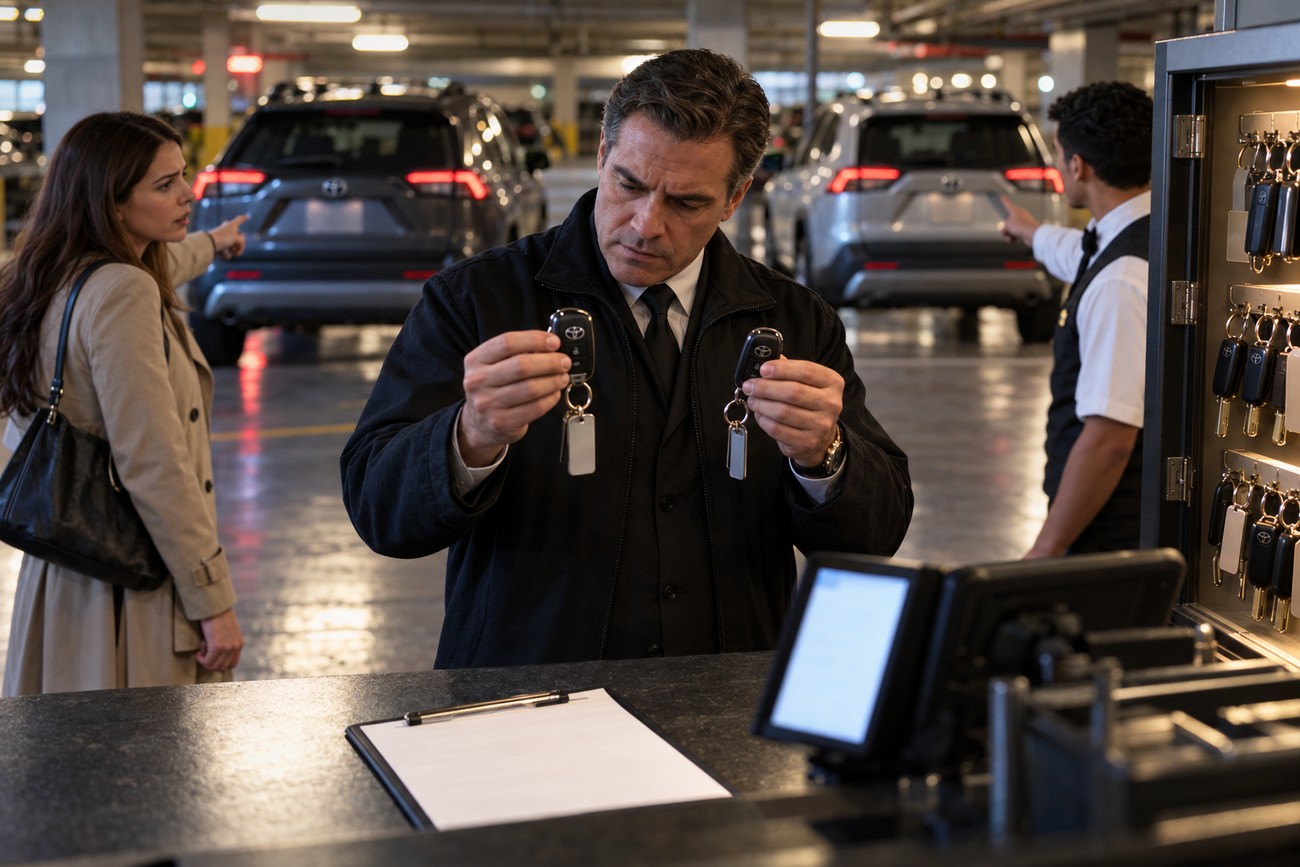
Ask for a supervisor and require a direct check of the parking area, key cabinet, dispatch system, and handoff records. The immediate task is to establish where both vehicles and their keys are. An assurance that “everything is fine” is insufficient until staff identify the cars by plate and explain who received each set of keys.
Request a written incident record before leaving. It should include the date and times, both license plates, ticket or claim details, the names or descriptions of staff involved, the location of each vehicle, and the next agreed step. Ask for a copy or send the same information to the operator by email so the timing and account are preserved in a contemporaneous record.
If your RAV4 cannot be located, the operator refuses to cooperate, or the facts suggest unauthorized use, contact police under local procedures. A mistaken handoff is not automatically a crime, and the final legal classification depends on what happened. An unresolved missing vehicle or suspected unauthorized use warrants prompt reporting because the car could later be connected with a traffic offense or another incident.
Give the police the valet ticket, your vehicle documents where available, the written incident record, and the operator’s contact information. Explain that the vehicle was entrusted to a valet service and may have been released to the wrong person. Avoid arguing over legal labels at the scene; a precise timeline is more useful than an accusation that cannot yet be supported.
Preserve the evidence before the handoff record disappears
Save the valet ticket and its terms, payment receipt, messages, emails, and any notice displayed at the service point. Photograph the plate of the vehicle that was handed to you and the plate of your RAV4 when it is found, where this can be done lawfully and safely. Record the time of each discovery, call, and vehicle movement.
Ask the operator in writing to preserve camera footage, vehicle-dispatch records, handoff and key logs, and electronic access data. Provide a practical time window covering your drop-off, the expected retrieval, the mistaken release, and the vehicle’s eventual location. Camera coverage may not show the key exchange or the vehicle exit clearly, so the operator should preserve footage from the pickup desk, key area, and exit route.
Ask for preservation of the key log and footage showing the exit route as well as the pickup desk: one camera may not capture both the key exchange and the departing plate.
Collect contact details for witnesses, including people who saw the pickup or spoke with staff. Keep copies of every complaint and response in one folder. If the operator asks you to sign an incident form, read it carefully and correct factual errors before signing; a signature confirming receipt may later be treated differently from a statement accepting responsibility.
When your RAV4 returns, photograph its exterior, interior, fuel level where relevant, dashboard warnings, and odometer. Compare the mileage with the drop-off record or your own photo. Document damage or missing property without asserting an unsupported trip or theft; the condition, mileage, and timeline can support a later claim about unauthorized use or loss.
Who is responsible when a valet hands over the wrong car?
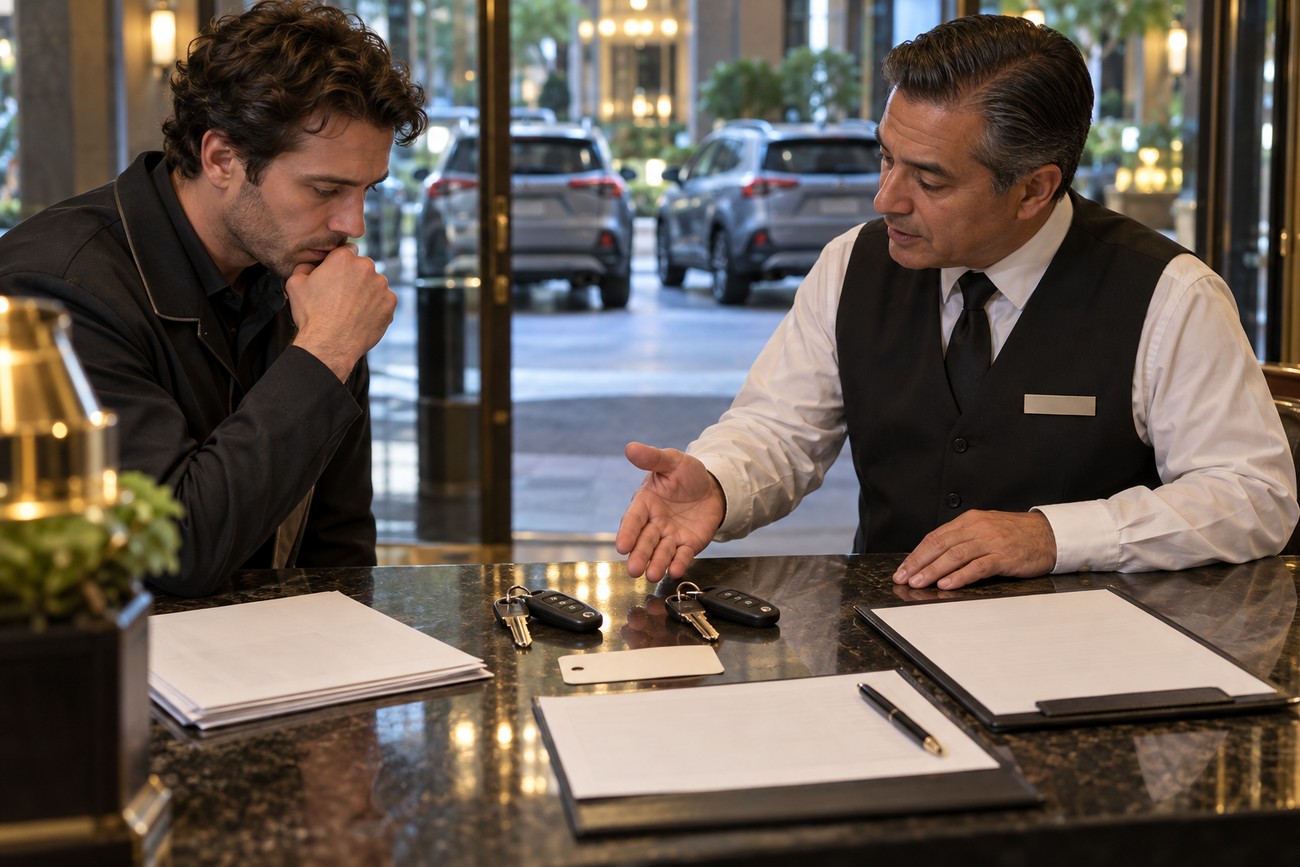
Responsibility depends on local law, the service arrangement, the terms, the handoff facts, and the available evidence. Valet parking is often described legally as a service involving the movement and management of a vehicle rather than a separate storage agreement. A parking operator or hotel may also use terms that limit responsibility for loss or damage.
In some locations, the arrangement may amount to ailment. Where ailment applies, it can strengthen the operator’s duty to return the correct vehicle to the correct person. Its application depends on local law and the actual arrangement, including whether the operator took control of the car, issued a ticket, retained the keys, and undertook to return the vehicle.
Marketing may promise security and careful handling while the written terms contain a liability limit. Neither the claim that valet services always pay nor the claim that a disclaimer always defeats a complaint is reliable. Courts and regulators may assess the wording, the service’s conduct, the seriousness of the identification failure, and whether a limitation is enforceable in that location.
For that reason, treat the failed handoff as a potential service defect and obtain local legal advice if the loss is substantial. A failure to compare a customer’s ticket or identity with the vehicle plate can be important evidence. It does not by itself guarantee compensation, especially where the operator disputes causation, damage, or the scope of its duty.
Notify insurance and claim documented losses
Notify your insurer promptly and describe the valet handoff accurately. Ask how the policy treats theft, damage, permissive use, unauthorized use, and keys given to a third-party service. Coverage depends on policy wording and the facts of the key handoff; neither payment nor denial is automatic.
Do not assume that handing over keys voluntarily ends coverage. Some policies or local practices may cover loss or damage connected with a valet error, while exclusions may apply where the insurer considers the handoff a form of voluntary release to an unauthorized person. Request the insurer’s position in writing and meet any deadline for notice, photographs, police reports, or a formal claim.
Send the valet operator a written claim that connects each documented loss to the handoff error. Include the incident timeline, both plates, the ticket and terms, the incident record, photographs, mileage, witness details, and any police or insurer reference. Claim actual, supportable losses, such as repair costs, transport expenses, or other directly documented charges where local law allows them.
Keep receipts and preserve damaged parts or other relevant material until the insurer or operator says they are no longer needed. A free parking offer may be a customer-service gesture rather than a settlement of an unassessed claim. Do not sign a release or accept wording that closes the matter before you understand what it covers.
Avoid the same mistake at the next valet pickup
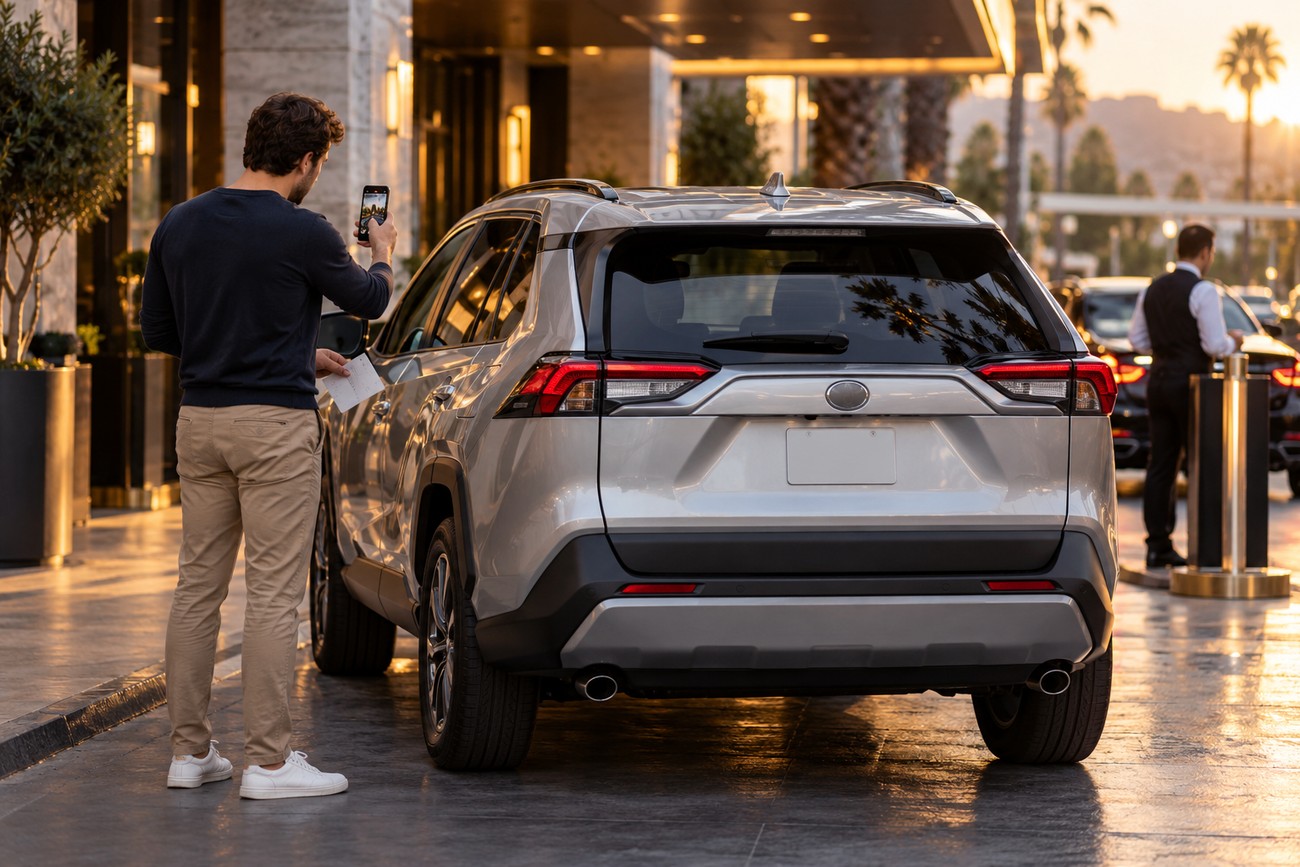
Retain the valet ticket until you have checked the vehicle. Before entering, compare the license plate with a reliable record, such as your registration, insurance app, or a photograph taken at drop-off. A ticket or apparently familiar key should not replace a vehicle-identity check, particularly when several similar RAV4s are being returned at the same time.
At drop-off, photograph the vehicle’s exterior, existing damage, dashboard, and mileage when practical. Keep the images with the ticket and note the time. These records can help establish changes in condition or mileage without requiring you to remember exactly how the car looked after a busy event or hotel stay.
Keep registration papers, insurance documents, house keys, electronics, medication, and valuables out of the cabin whenever possible. Leaving vehicle documents inside can make an identification mistake more consequential because the wrong recipient may receive information that helps them treat the car as their own.
These precautions reduce confusion without shifting responsibility for the operator’s error onto the customer. A professional service should still identify the vehicle and the person collecting it through reliable checks. If the attendant relies only on a ticket, a color description, or a key, politely ask for the license plate to be confirmed before you accept the car.
Frequently asked questions
The correct response can change once the mistake is discovered away from the venue or produces a later notice. Vehicle features, insurance terms, and legal duties also vary by model, system, and location.
What if I discover the wrong RAV4 only after I get home?
Leave the other car safely parked, record its location, and contact the valet operator remotely. Do not drive it back without direction, especially if the venue is far away or the vehicle may already be reported missing. Send the operator the plate, ticket details, your location, and photographs, then agree on a documented retrieval and return process.
Does Toyota valet mode prevent this mix-up, and how do I turn it off?
No. Toyota valet mode or a similar restriction can limit vehicle functions, depending on the RAV4’s year and installed system, but it does not verify that the operator returned the correct vehicle. Features and disabling steps vary, so use the applicable owner’s manual or system instructions rather than a generic procedure.
What if a ticket or toll charge arrives from when someone else had my RAV4?
Keep the notice and match its date and time with the valet ticket, incident record, and any documented vehicle movement. Dispute the charge through the issuing authority’s stated procedure, explaining that the vehicle was in the valet operator’s control and attaching supporting records where accepted. Notify the operator and insurer as appropriate, while keeping the original notice and proof of submission.







