
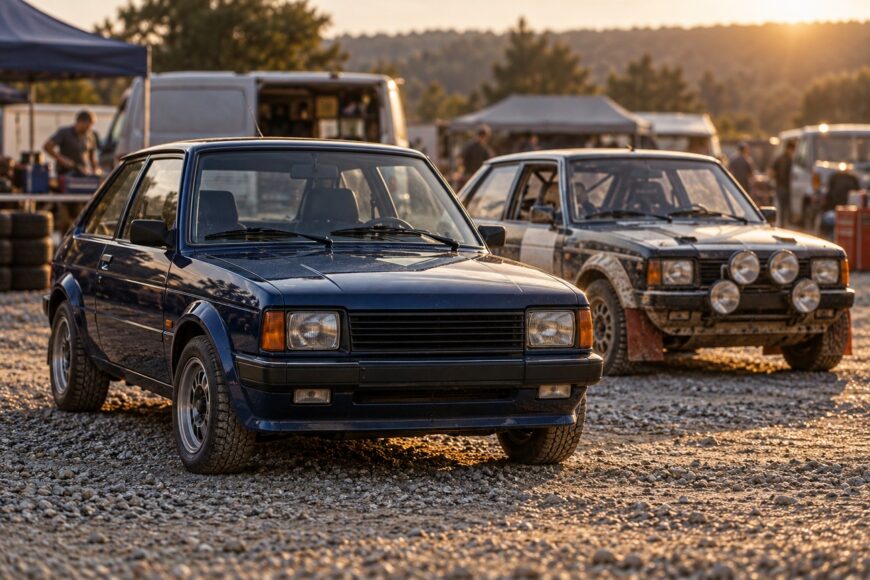
An unassuming rear-wheel-drive hatchback helped Talbot win the 1981 World Rally Championship manufacturers’ title. The trophy can make the Talbot Sunbeam Lotus road car sound like a rally car with number plates, yet its standard brakes, demanding gearbox, and upkeep tell a less simple story.
The distinction matters whether you are reading a specification sheet or considering a purchase. Talbot’s competition cars were prepared for rallying; the production car offered the same underlying idea in a form owners had to use and maintain on ordinary roads. Its appeal is real, but the championship alone cannot describe how it drives.
- Why the Sunbeam Lotus existed
- How Talbot became a 1981 rally champion
- Talbot Sunbeam Lotus specifications: road car versus rally car
- What the road car feels like beyond the numbers
- Buying one: where rally mythology gets expensive
- The legacy of an unlikely champion
- Frequently asked questions
- What does a Talbot Sunbeam Lotus cost today?
- How many Talbot Sunbeam Lotus cars are left?
- What is the price of a Talbot Sunbeam Lotus?
- How many Talbot Sunbeams are left?
- What are the specifications of the Talbot Sunbeam Lotus?
Why the Sunbeam Lotus existed
Produced from 1979 to 1981, the Sunbeam Lotus gave Talbot a production counterpart to its rally effort. It shared the Sunbeam name and hatchback shape, but its Lotus-developed engine and driveline made it more than a regular Sunbeam with sporting trim. That distinction remains useful when assessing both its history and its parts.
The layout was straightforward and purposeful: a front longitudinal engine drove the rear wheels through a five-speed ZF manual gearbox. In a compact hatchback, that arrangement provided a basis for a serious competition car. It also gave the road version a character quite different from the easygoing small cars its shape might suggest.
The model’s production dates are sometimes blurred by its best-known result. The Sunbeam Lotus was already in production before Talbot won the WRC manufacturers’ title in the 1981 season. The date on the trophy marks the championship, not the car’s launch or a claim that every Sunbeam was built to rally specification.
This relationship between road and rally versions explains much of the car’s reputation. The production model established the recognizable package, while the works program developed it for competition. Treating those versions as interchangeable makes the road car sound quicker and more polished than the evidence supports.
How Talbot became a 1981 rally champion
Talbot won the 1981 WRC manufacturers’ championship through its Sunbeam Lotus rally program. That is the precise achievement behind the “1981 rally champion” label: it was a manufacturers’ title, not a drivers’ title. Nor does it attach a championship record to every standard Sunbeam hatchback.
The result still looks unusual. A compact, rear-wheel-drive hatchback gave Talbot a relatively light platform with which to tackle a demanding international championship. Its shape concealed a serious competition machine, making the result more striking than the badge or everyday body style alone would suggest.
Preparation made the difference. Rally-specification output was approximately 240–250 bhp, depending on the car’s preparation, substantially beyond the figures published for the road version. The works car should therefore be understood as a developed competition vehicle, rather than a standard Sunbeam Lotus asked to survive a rally.
A manufacturers’ championship rewards the program’s results across a season; it does not turn one memorable car into a complete account of every event. Talbot’s achievement endures because the Sunbeam Lotus package worked at that level. The measured claim is impressive enough without assigning it unverified wins, crews, or points totals.
Talbot Sunbeam Lotus specifications: road car versus rally car
Published road-car figures vary, and the rally car was prepared to a different standard. This table separates supported specifications from details that should not be inferred. In particular, the power figures describe different cars.
| Item | Production road car | Rally car |
|---|---|---|
| Layout | Front longitudinal engine; rear-wheel drive | Rear-wheel-drive Sunbeam Lotus platform |
| Engine | Approximately 2,172–2,174 cc inline-four; DOHC, 16 valves; twin Dell’Orto carburetors | Detailed specification varies with preparation |
| Output | Sources report 150 bhp, 152 PS, or 155 hp, using different units | Approximately 240–250 bhp, depending on preparation |
| Gearbox | Five-speed ZF manual | Specification not established here |
| Brakes | Rear drums as standard | Specification not established here |
Road-car performance figures include a reported 195 km/h top speed. One source gives 7.4 seconds for 0–96 km/h; another gives approximately 6.6 seconds for 0–100 km/h. Those acceleration figures come from different sources and use different endpoints, so they should not be treated as a direct comparison.
What the road car feels like beyond the numbers
The road car’s strongest numerical argument is its power relative to weight. Published weights range from approximately 960 to 1,033 kg, varying by source or specification. Even allowing for that spread, a light body helps explain why the Sunbeam Lotus earned a lively reputation without needing the rally car’s output.
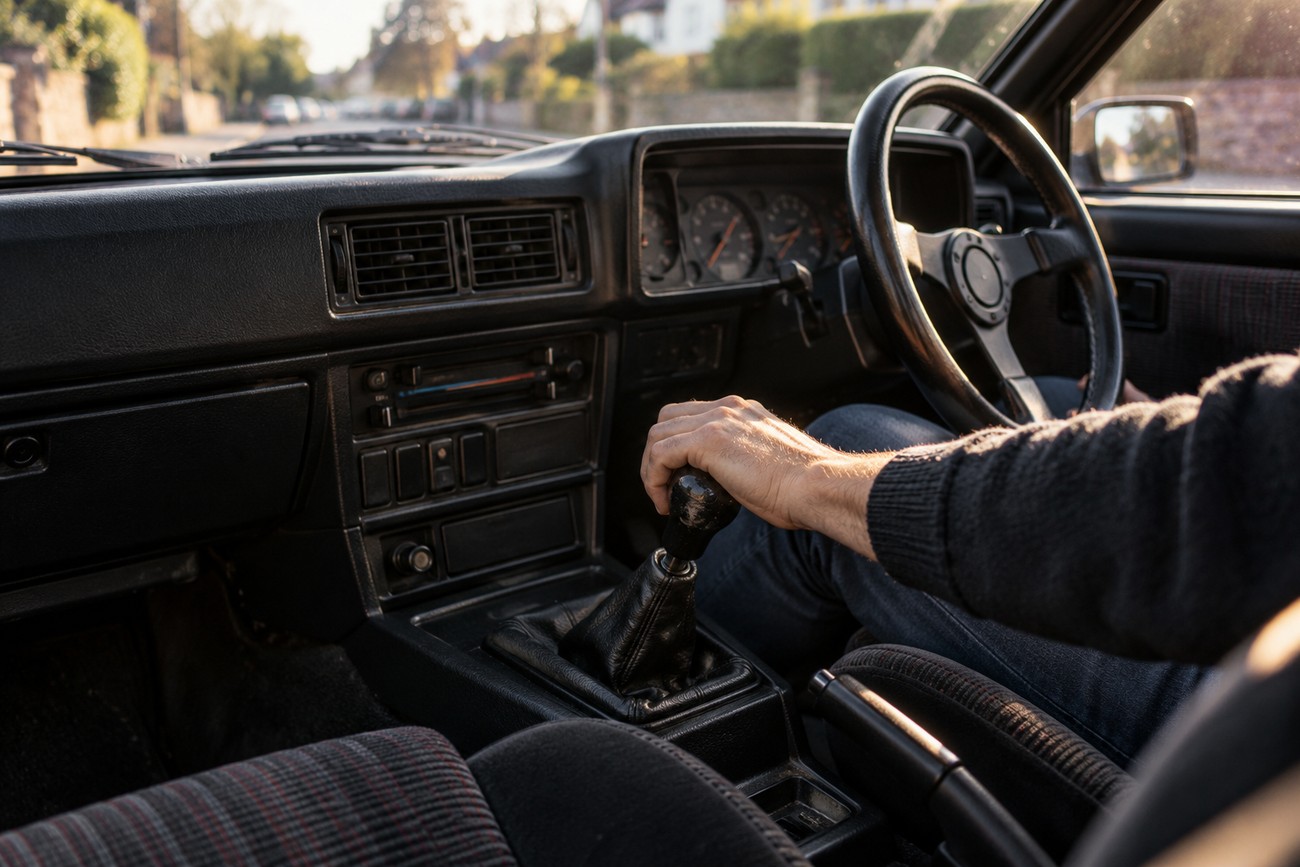
That does not make it an effortless performance hatchback. Some drivers describe the five-speed ZF manual as coarse, even “tractor-like,” and it may take time to use smoothly. A short drive in a well-presented example can reveal more about that everyday compromise than a quoted acceleration time.
Standard road cars also retained rear drum brakes. Their presence does not, by itself, establish how a particular car will stop, but it is a reminder to assess the actual system’s condition and feel rather than assume a modern sporting setup. Engine response and straight-line pace are only part of the driving experience.
Reports of firm, noisy progress on poor roads add another qualification. Around 18 mpg appears as a usage report, not a verified average for all owners or conditions; even the gallon convention matters when comparing figures internationally. The car asks for a buyer who values its mechanical involvement enough to accept its less agreeable habits.
Buying one: where rally mythology gets expensive
Start by establishing what the car is and what its records can support. Production ran from 1979 to 1981, while later modified cars and competition histories need to be identified on their own merits. A rally-inspired appearance cannot establish identity, originality, or the specification beneath it.
Inspect the monocoque carefully, including evidence of earlier structural repairs, before letting a lively engine settle the decision. Body condition matters on any older car; here, the temptation is to give the championship association more weight than the shell in front of you. An inspection should distinguish sound repairs from work that still needs attention.
The road engine’s twin Dell’Orto carburetors deserve a check for correct setup, alongside ignition condition and service history. Reports suggest that tuning can affect how alert the car feels, although they do not show how widespread the problem is. Likewise, accounts of scarce parts are a reason to investigate availability for the specific car, not proof that every repair will be difficult.
Allow for specialist assessment and maintenance rather than budgeting as though this were an ordinary old hatchback. If a seller describes standard road output as roughly 240–250 bhp, ask for evidence of the claimed preparation: that range belongs to rally specification. Paying for provenance and condition is more defensible than paying for a story assembled from road and competition figures.
The legacy of an unlikely champion
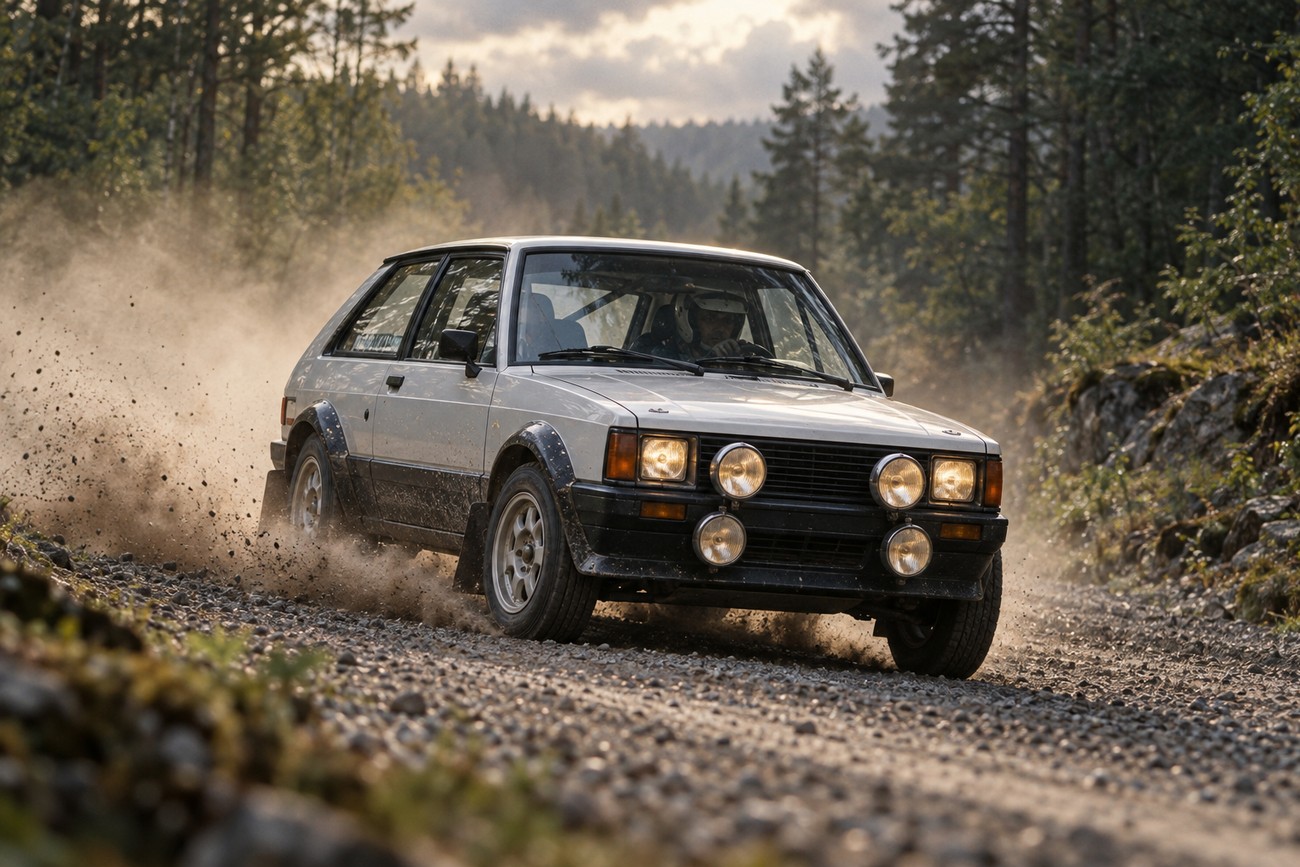
Talbot’s 1981 WRC manufacturers’ title gave the Sunbeam Lotus a place in rally history that its modest hatchback outline scarcely announces. The result belongs to a developed rally program, yet it also draws attention to an unusual production car. Keeping those truths separate makes the achievement easier to appreciate.
For the road version, the attraction rests more on its power-to-weight character than on absolute horsepower. Sources variously report 150 bhp, 152 PS, or 155 hp, while reported weight falls around 960–1,033 kg. Those figures describe a promising small performance car, though neither a single definitive power measurement nor a rally machine in showroom form.
Avon-modified cars appeared in 1983 and merit separate identification from standard 1979–1981 production examples. That distinction matters to anyone checking originality or comparing histories: a later modification is part of a car’s story, rather than evidence that factory production continued unchanged.
The Sunbeam Lotus remains compelling because its competition success grew from a distinctive, compact mechanical package. Its road-going compromises are equally part of the record. The best account of the car can admire the title while leaving room for a coarse shift, rear drums, and the demands of owning one.
Frequently asked questions
Prices and survivor counts need current evidence, while specification and event questions depend on exactly which version is being discussed. The answers below distinguish what can be checked from what the 1981 title cannot establish. A documented individual car is a better starting point than a broad claim about the model.
What does a Talbot Sunbeam Lotus cost today?
There is no defensible current price without a market, date, and comparable recent sales. Compare completed sales of verified Sunbeam Lotus cars, then account for condition, originality, documented history, and the work each example needs. Asking prices alone show what sellers hope to receive, not what buyers have paid.
How many Talbot Sunbeam Lotus cars are left?
A reliable survivor count requires a dated, model-specific register with a clear definition of what counts as surviving. Production from 1979 to 1981 does not establish how many remain. A figure covering all Talbot Sunbeams would also include cars outside the Lotus model and cannot answer this question.
What is the price of a Talbot Sunbeam Lotus?
Price depends on the particular car, so a quoted figure needs its sale date, location, and specification to mean much. Check whether the comparison car is a standard production example, a documented modification, or a competition car; their histories should not be priced as interchangeable.
How many Talbot Sunbeams are left?
No total for all Talbot Sunbeams can be established from the Sunbeam Lotus production period or its rally record. A useful count would need a dated register covering the wider Sunbeam range and stating whether it includes registered cars, known stored cars, or both. It would answer a different question from a Lotus-only count.
What are the specifications of the Talbot Sunbeam Lotus?
The production Sunbeam Lotus had an approximately 2,172–2,174 cc Lotus-developed 16-valve inline-four mounted longitudinally at the front, twin Dell’Orto carburetors, rear-wheel drive, and a five-speed ZF manual gearbox. Published road output varies among 150 bhp, 152 PS, and 155 hp; standard rear brakes were drums. Sharing the Sunbeam name does not establish that parts interchange with other versions, and the 1981 manufacturers’ title does not itself determine eligibility for a present-day historic rally.







