
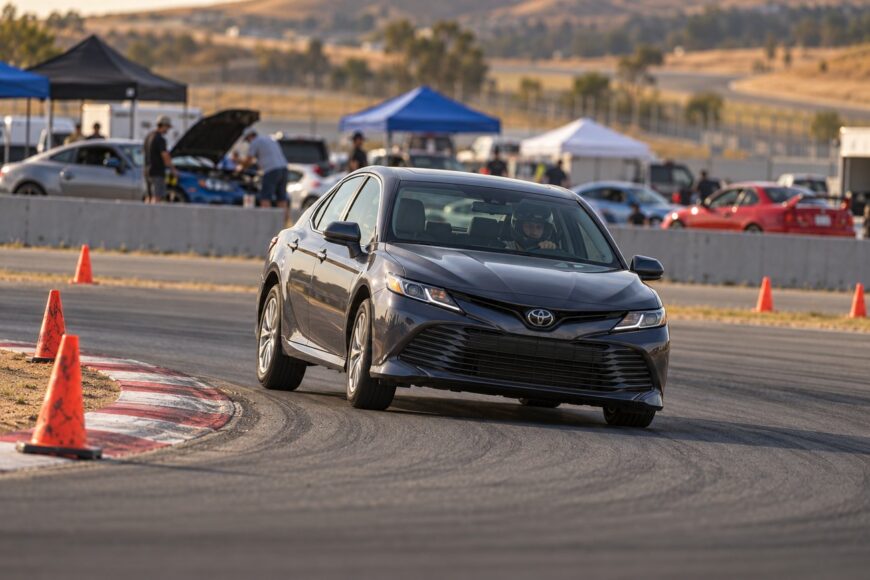
A Toyota Camry earns its reputation as a comfortable, dependable daily driver by protecting its occupants from noise, bumps, and stress. A track day asks the same car to brake repeatedly, corner under sustained lateral load, and manage heat far beyond ordinary road use. That difference matters even when the car feels perfect on the commute.
A stock or lightly prepared Camry can be a useful novice-group car. It gives you room to learn braking points, lines, vision, and smooth control without immediately reaching race-car speeds. Brake fade, tire wear, rising temperatures, and unrealistic expectations deserve more attention than chasing a faster car down the straight.
- Can a Toyota Camry Handle a Track Day?
- Inspect the Camry Before You Register
- Brakes and Tires Are the First Real Limit
- Manage Engine, Oil, Coolant, and Transmission Heat
- Drive the Camry Like a Learning Tool, Not a Race Car
- Choose Upgrades That Protect the Daily Driver
- After the Session: Inspect, Cool, and Decide Whether to Return
- Frequently Asked Questions
- How much does a track day cost for a car?
- How many track sessions should a first-time Camry driver do?
- What should you inspect after a Camry track day?
Can a Toyota Camry Handle a Track Day?
Most Camry generations use a comfort-oriented suspension and high-profile tires. That combination produces noticeable body roll, sidewall movement, and a slower response to steering inputs than you would expect from a sports sedan. The car may feel loose in a fast sequence of corners, yet those movements also make your mistakes easy to recognize.
Civilian sedans such as the Camry are commonly accepted in novice or HPDE1 groups after a technical inspection and the driver’s briefing. These groups are designed around learning rather than outright lap time, so a Camry can work well when the driver respects its mass, braking distance, and heat limitations.
Event rules usually focus on condition and safety. Organizers commonly look for adequate brakes, no fluid leaks, usable tire tread, secure components, and a technically sound car. Working SRS systems are often required, and many events expect factory seat belts and restrict passengers unless the organizer, instructor, and restraint rules specifically permit them.
Read the event requirements before arriving at the circuit. Flag knowledge, briefing attendance, helmet rules, passenger policies, and inspection standards vary by organizer. A car that is accepted for one novice event may need different preparation for another.
Inspect the Camry Before You Register
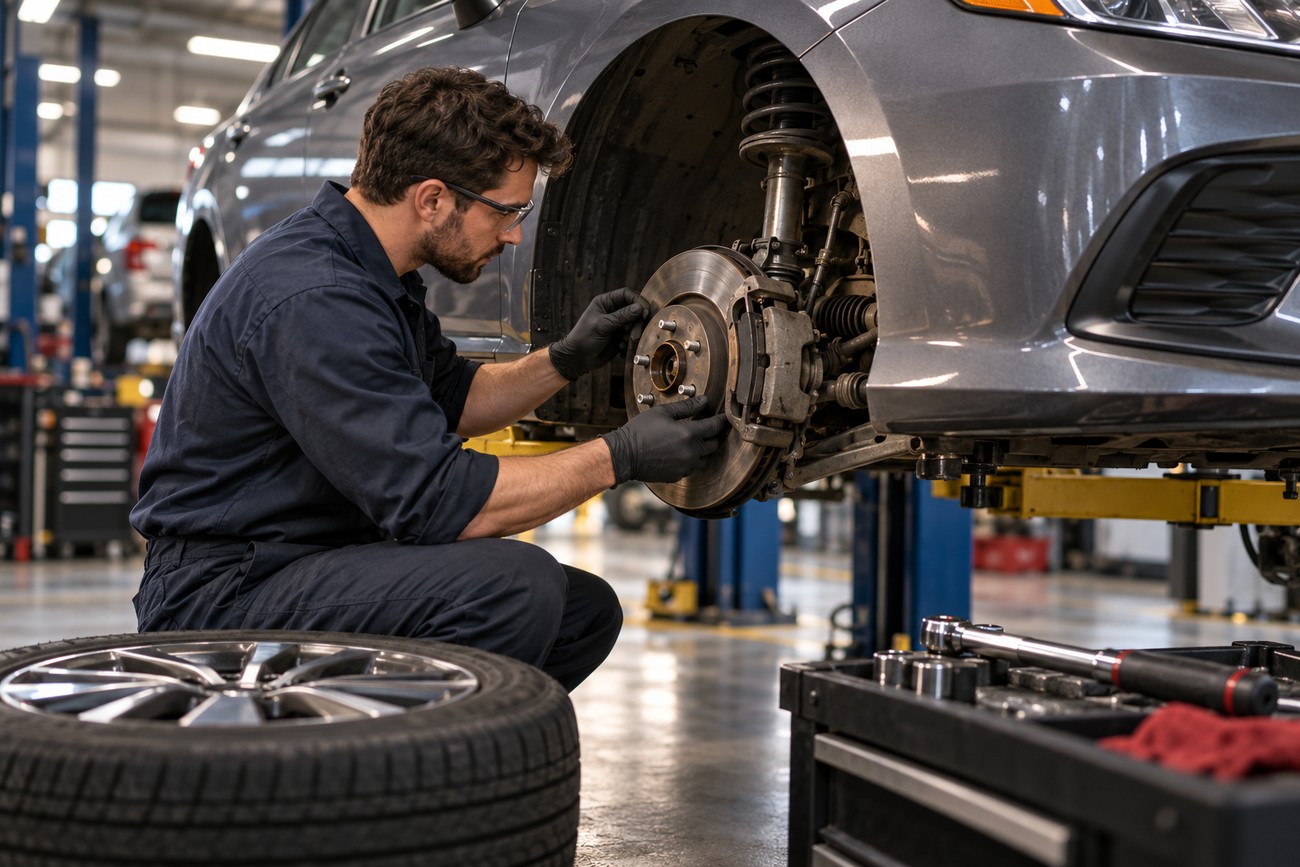
Begin with safety-critical components rather than cosmetic preparation. Check the ball joints, steering tie rods, wheel bearings, brakes, tires, and all visible fluid lines for looseness, play, cracking, or leaks. Older Camrys deserve particular attention because normal road use may hide wear that becomes obvious under repeated braking and cornering.
Inspect the brake discs and pads for uneven wear, cracking, deep grooves, or limited remaining material. Check the tire tread and manufacturing age, and look for bulges, sidewall damage, and uneven shoulder wear. Confirm wheel torque, battery security, and the condition of the engine-bay and underbody covers.
Remove loose objects from the cabin and trunk. Floor mats, tools, bottles, and unsecured cargo can interfere with the pedals or become projectiles. Make sure the driver’s seat locks firmly, the belts latch correctly, and warning lights are absent before the car reaches the track.
A Camry that is reliable in street use may still have limited margin for repeated high-load sessions. Organizers generally prioritize technical condition, leak-free operation, working brakes, and adequate tire tread over performance modifications. If a component needs replacement before a road trip, it should not be trusted for a track day.
Brakes and Tires Are the First Real Limit
Stock Camry brakes are designed around normal road driving, where braking events are separated by traffic and time. On track, repeated high-energy stops can overwhelm that street-oriented setup. Many owners report overheating or fade after 2–3 fast laps, often experienced as a soft pedal or a sudden need to reduce pace.
Prepare the braking system in stages. Start with a thorough inspection, then use fresh high-temperature DOT 4 or DOT 5.1 fluid and more aggressive, track-capable brake pads rather than fully stock street pads. The right pad must still suit the car and the event; an aggressive compound can create more noise, dust, and street-driving compromise.
Brake preparation has to include the whole system. Installing aggressive front pads alone can change the front-to-rear balance, while neglected rear pads, old fluid, or overheated tires still limit the car.
Do not treat tire pressure as a set-and-forget street setting. Track heat changes pressure rapidly, and ignoring it can contribute to overheating and accelerated outer-shoulder wear. Check pressures during the event, inspect the shoulders, and use the vehicle and tire maker’s guidance as a starting point rather than guessing at a universal number.
The Camry’s high-profile tires and soft suspension allow pronounced sidewall movement. That movement adds to body roll and can scrub the outer shoulders, especially when the driver carries too much speed into a corner. Shorter sessions, smooth steering, and cooldown laps protect the tires more effectively than fitting highly specialized tires before the basic setup is understood.
Manage Engine, Oil, Coolant, and Transmission Heat
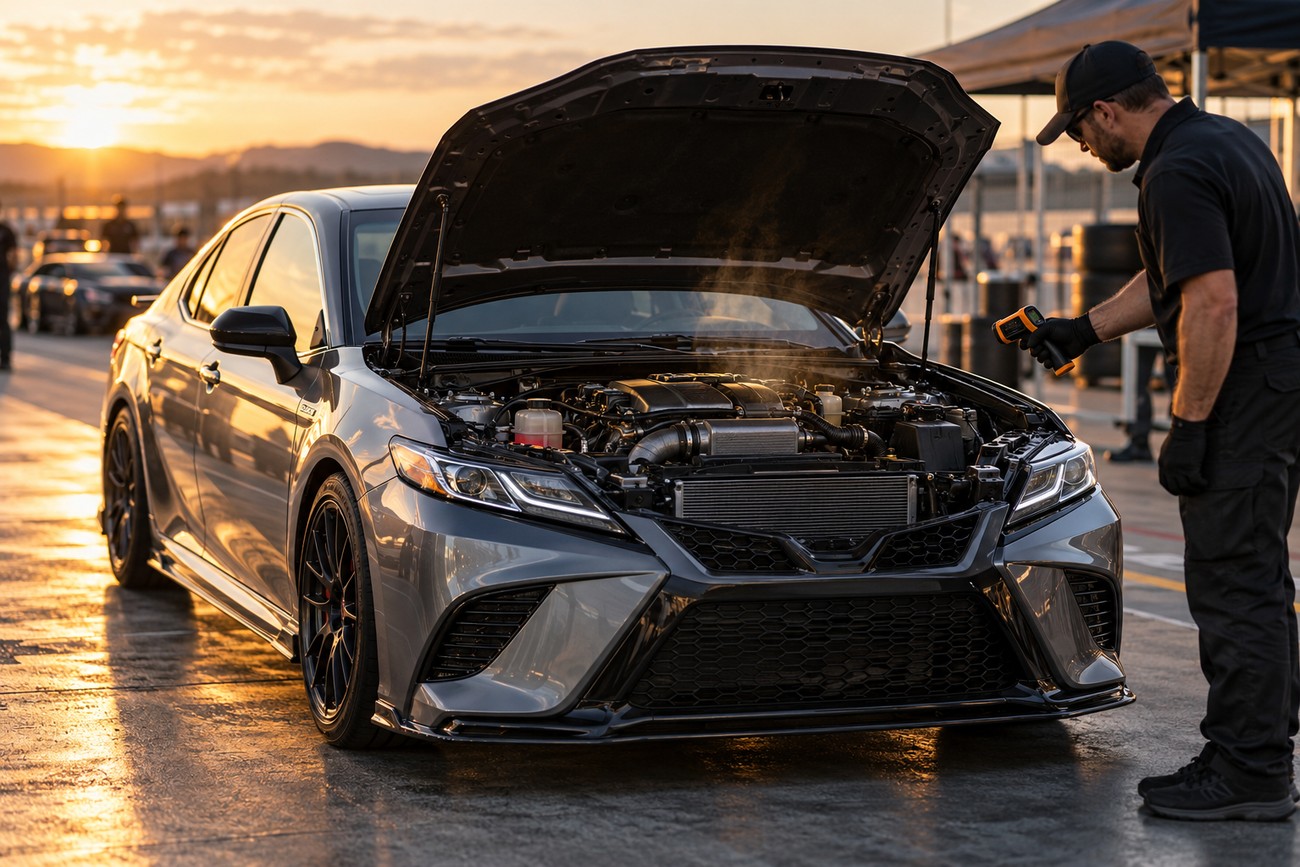
Camry oil and cooling specifications are designed around street use. Sustained high-rpm operation raises oil temperature and keeps the cooling system under load for much longer than ordinary driving. The factory dashboard may not provide precise enough information to show every developing problem early.
Use short, controlled sessions and include a cooldown lap before returning to the paddock. Watch for rising coolant indications, warning lights, unusual smells, loss of power, or changes in engine behavior. A cooldown lap should reduce the load while maintaining airflow; shutting the car down immediately after a hard session may leave heat concentrated in the engine bay.
Automatic transmissions, including older torque-converter units and some CVTs, can be stressed by repeated kickdowns and high-temperature operation. The transmission may select an inconvenient ratio during corner exit, and repeated hunting between ratios adds heat. Smooth throttle use and a conservative pace help reduce that load.
The oil-cooler question remains disputed. Formal manufacturer requirements generally do not call for one, while some track drivers consider an oil cooler nearly essential for long sessions. Treat that as a use-case decision influenced by session length, ambient conditions, monitoring, and the specific Camry generation, rather than as a universal requirement.
Drive the Camry Like a Learning Tool, Not a Race Car
A Camry rewards smooth inputs. Brake earlier, release the brake progressively, turn with patience, and apply power only when the car is settled. Its mass, body roll, and longer braking demands make trying to follow a faster sports car a reliable way to brake late, miss the line, and create unnecessary heat.
Choose a slow novice group even if your road-driving experience is substantial. An instructor can identify visual habits that are difficult to notice from the driver’s seat, such as staring at the corner entry, turning too early, or adding steering after the front tires have begun to slide. Consistent laps are more valuable than one aggressive lap followed by fading brakes.
VSC and TRC may intervene aggressively on some Camry generations by reducing throttle or braking individual wheels. That intervention can feel frustrating, especially when the car is being driven near the limit. Disabling or limiting the systems through nonstandard methods is a risk-sensitive decision, not a casual upgrade; the car’s behavior without those aids must be understood before attempting it.
Use every session to practice one skill, then take a deliberate cooldown lap. Leave space to the car ahead, follow flag instructions immediately, and let faster traffic pass according to event procedure. The Camry’s value is clearest when it helps you build repeatable technique without turning every corner into a test of courage.
Choose Upgrades That Protect the Daily Driver
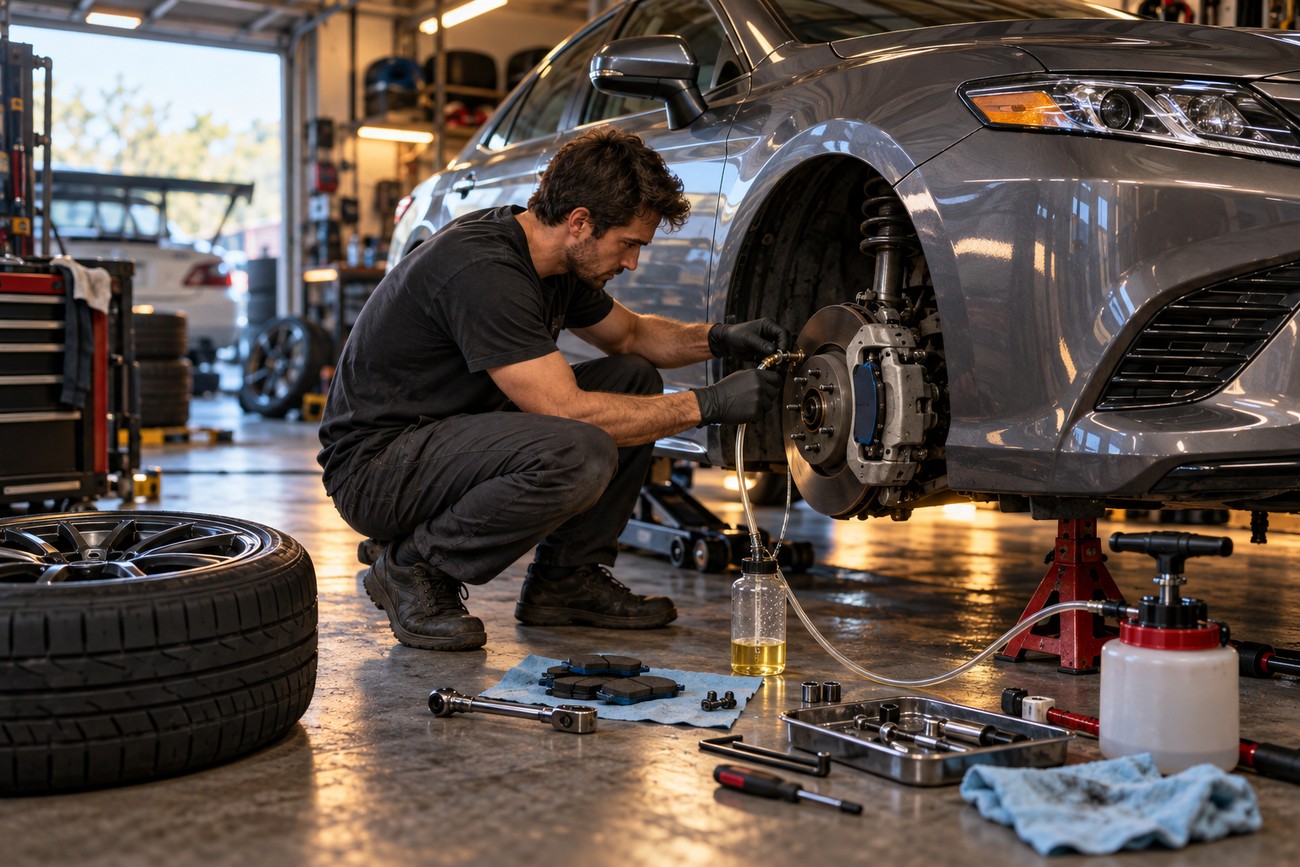
Prioritize condition, brake fluid, brake pads, and tire management before chasing lap-time modifications. More aggressive brake pads and high-temperature fluid usually provide a larger first-day benefit than immediately fitting semi-slick tires. A specialized tire can expose weaknesses in brakes, alignment, suspension, and driver technique if those basics remain unchanged.
Stock seats and belts may provide limited lateral support, so your legs and upper body work harder to hold you in place. That fatigue reduces precision over a session. Use only equipment permitted by the organizer, and preserve the factory restraint and SRS systems unless the event rules and a qualified installation support another arrangement.
Aggressive pads can squeal, create dust, wear rotors differently, and feel less pleasant on the road. Track use also accelerates wear in brakes, tires, suspension components, and the drivetrain even when the car is mechanically reliable. Budget for inspection and replacement before the event, rather than treating wear as an unexpected failure.
The owner’s fear of damaging a daily driver is reasonable. A Camry can be a strong learning car for occasional, controlled track use, but it is not a dedicated race car. Keep the preparation reversible where possible, use sensible session lengths, and accept that the drive home may require more inspection than the drive to the circuit.
After the Session: Inspect, Cool, and Decide Whether to Return
Allow the car to cool before a detailed inspection, then check for new vibrations, brake judder, pad material, fluid leaks, tire shoulder damage, unusual noises, and warning lights. Look through the wheels for uneven deposits and examine the tires for cuts, exposed cords, or severe shoulder wear. Do not resume normal road driving until the controls and tires feel normal.
Brake squeal, vibration, a warped-feeling disc, and rapid tire wear are signs to investigate rather than badges of honor. Some noise may come from pad material, but a change that appears after a hard session deserves a proper check. The same applies to a new pull, steering looseness, or drivetrain noise.
Review the day by asking whether the car remained predictable, whether you could maintain concentration, and whether the mechanical condition stayed stable. Keeping pace with dedicated sports cars is a poor measure of success for a Camry. Control, consistency, and a safe return home provide better evidence that the preparation worked.
The first track day is a test of preparation and expectations. If the car needs more brake, tire, or cooling margin, address that before adding speed. If the experience was controlled and enjoyable, the Camry has already proved its value as a learning tool without pretending to be something it is not.
Frequently Asked Questions
How much does a track day cost for a car?
There is no universal price because the expense combines the event entry fee, brake fluid and pads, tires, fuel, travel, inspection, and post-event wear. A mechanically fresh Camry may need only routine preparation, while an older car can require suspension, brake, or tire work before registration.
Plan beyond the entry fee. Set aside money for a second set of brake pads or additional fluid if the first setup proves inadequate, plus fuel for the trip home and any inspection or repairs after the event. The most useful budget is the one that includes consumables and a margin for accelerated wear.
How many track sessions should a first-time Camry driver do?
Start with a conservative number of short sessions and add time only while the driver, brakes, tires, and temperatures remain stable. Session planning should follow brake feel, tire shoulder condition, warning signs, and driver fatigue rather than a fixed target.
End a session early if the pedal changes, the car feels different, temperatures rise, or concentration drops. Leave enough time for a cooldown lap, inspection, hydration, and the drive home. A first day with fewer clean sessions teaches more than a full schedule that finishes with overheated brakes or an exhausted driver.
What should you inspect after a Camry track day?
After the car cools, check for new vibrations, brake judder, fluid leaks, warning lights, unusual noises, tire shoulder damage, cuts, and uneven brake deposits. Pay particular attention to changes in pedal feel, steering response, or drivetrain behavior.
Do not continue driving normally until any new symptom has been investigated. Track use can accelerate wear even when the car completes the event without an obvious failure, so a post-event inspection helps identify problems before the next trip or track session.







