
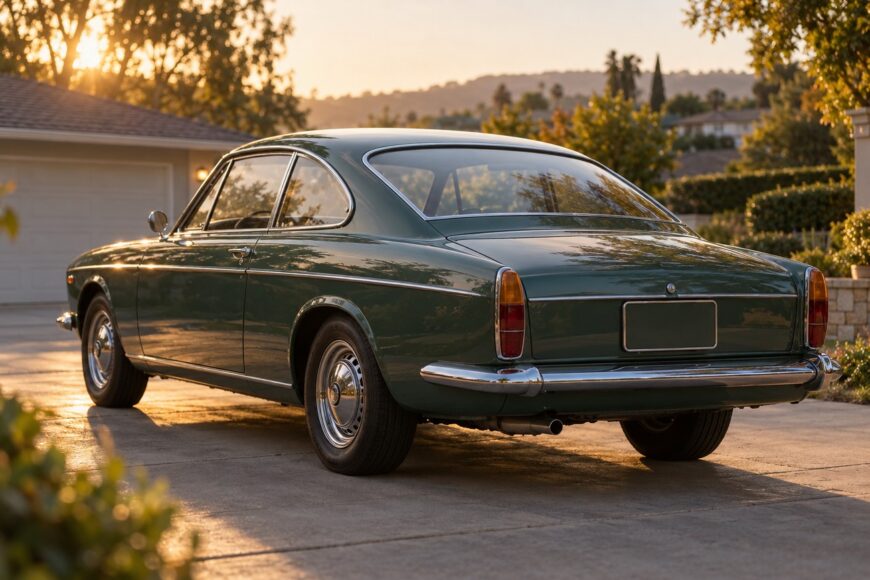
The Sunbeam Rapier Fastback has the roofline of a sporting coupe and the temperament of a comfortable classic GT. Its sleek shape promises more urgency than its powertrain and comfort-oriented chassis usually deliver. That distinction matters: the right buyer will enjoy the car’s style and relaxed character, while someone expecting modern sports-car pace may find it frustrating.
Ownership demands a harder look beneath that elegant exterior. Hidden corrosion can turn a smartly painted car into a major bodywork project, original trim and glass can take time to find, and tired mechanics can make an otherwise sound Rapier feel disappointing. Condition and correct specification count for more than a flattering photograph.
- Why the Rapier Fastback Still Looks Special
- Engine, Gearbox and the Numbers That Need Context
- How It Drives: Grand Touring, Not Modern Sports-Car Pace
- The Hidden Rust and Mechanical Problems Buyers Miss
- Originality, Parts Supply and the Cost of Making One Right
- The Smart Way to Buy a Sunbeam Rapier Fastback
- Frequently asked questions
- What was the top speed of the Sunbeam Rapier?
- Which is better, the Sunbeam Alpine or the MGB?
- Who made the Sunbeam Rapier?
Why the Rapier Fastback Still Looks Special
The Sunbeam Rapier Fastback was a Rootes Group coupe in the Alpine/Rapier fastback family. Its long, sloping roof gave it a visually streamlined profile that looked modern in the late 1960s. Even at rest, the body suggests a quicker car than the Rapier was principally intended to be.
That shape is central to its appeal. The glass areas, brightwork, lights, and trim work together as a complete design, so a missing molding or incorrect detail can change the impression of the whole car. Buyers assessing a restored example should look beyond the shine of the paint to see how faithfully those pieces have been preserved or replaced.
Original panels and finishes also matter because replacement parts are not always easy to obtain. A sound car wearing aged but correct trim may offer a better starting point than a freshly painted one with absent badges, unsuitable lights, or poorly fitting brightwork. For a collector, those small details can influence value as much as the broad silhouette.
The Rapier’s design-led reputation should remain separate from claims about its performance. It is best understood as a style-focused classic GT, with its appearance and touring character providing much of the attraction. Calling it a sports car without that qualification sets up the wrong expectations for a drive.
Engine, Gearbox and the Numbers That Need Context
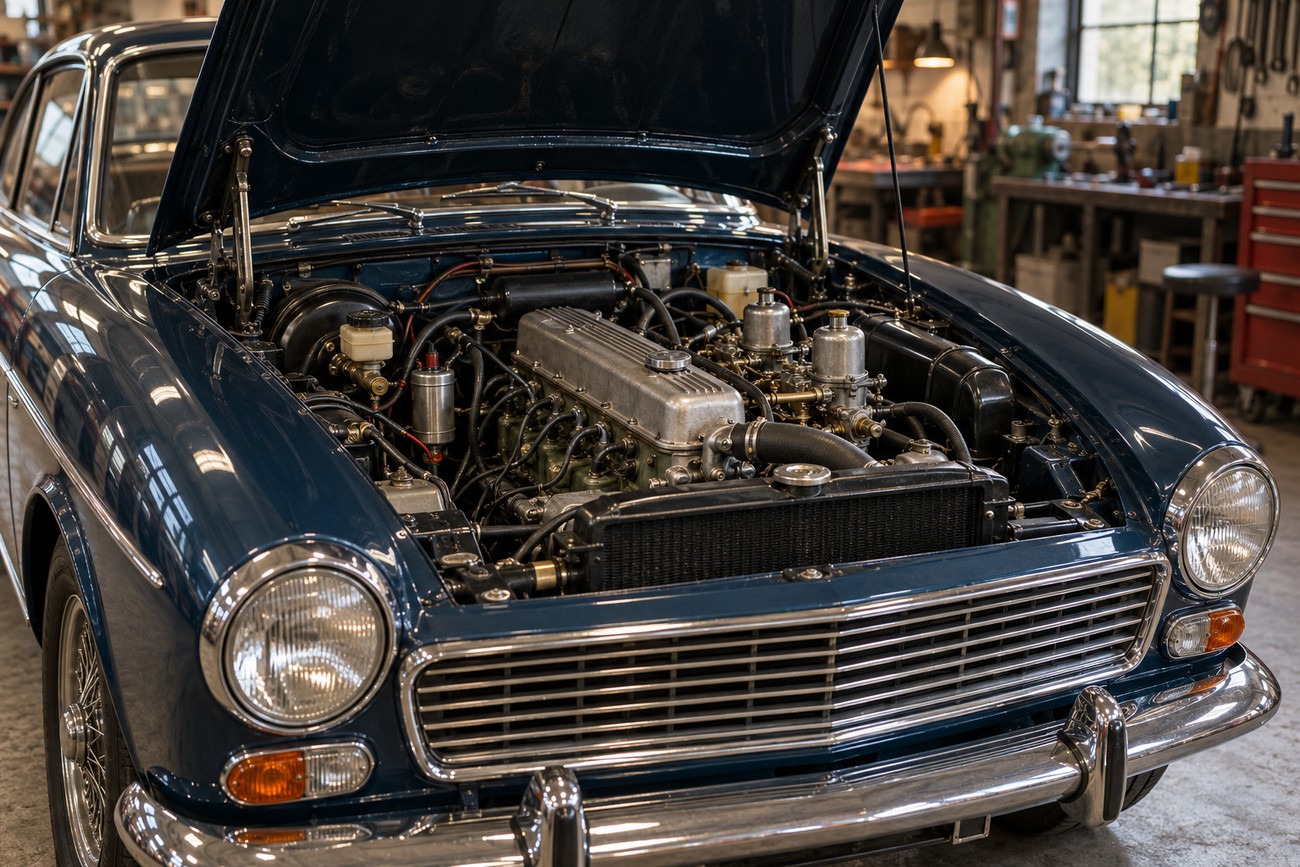
The Rapier Fastback is commonly associated with the Rootes 1.7-liter four-cylinder overhead-cam engine. Later Rootes coupes generally used a four-speed manual gearbox, giving the car a straightforward period driving experience. How willingly a particular example pulls depends on its specification and state of tune, as well as the numbers in a brochure.
Power is often quoted as approximately 93–100 bhp, but figures vary by year, market, carburetor, and exhaust specification. A single figure copied from a listing cannot establish what a specific car produced when new. If a seller makes a precise claim, check the car’s identity and equipment against the relevant period specification.
Some cars had optional overdrive, intended to reduce engine speed during high-speed cruising. It is worth confirming that the unit is present and works during a road test rather than relying on a badge or description. Overdrive makes longer journeys more relaxed; it does not turn the Rapier into a faster-accelerating car.
Changes made over decades can complicate the picture further. A replacement carburetor or altered exhaust may change how the engine behaves without making an advertised power claim any more reliable. For an owner, a well-sorted engine with predictable starting and clean response is more useful than an unsupported peak figure.
How It Drives: Grand Touring, Not Modern Sports-Car Pace
On a suitable road, a healthy Rapier Fastback rewards an unhurried approach. Its comfort-oriented suspension and rear axle suit a classic GT better than sharp, modern sports-car handling. Bumps and quick bends reveal that distinction, particularly if the car has accumulated wear.
An unrestored example can feel slow, loose, and unsettled for reasons that have little to do with the original design. Worn suspension bushes, tired dampers, steering play, or brakes needing attention can obscure the car’s intended character. Treat a poor drive as an inspection finding rather than assuming every Rapier behaves that way.
Correct ignition and carburetor settings can improve starting, response, and consistency. Brake work, suspension renewal, and proper alignment can make the car substantially more composed, too. None of those jobs creates modern acceleration or grip, but together they can make a sound Rapier pleasant to use.
Judge performance against the car’s purpose. It offers style and a comfortable classic-coupe experience, while overtaking, cornering, and stopping call for period-appropriate margins. A road test should establish whether this particular car feels coherent and dependable within those limits.
The Hidden Rust and Mechanical Problems Buyers Miss
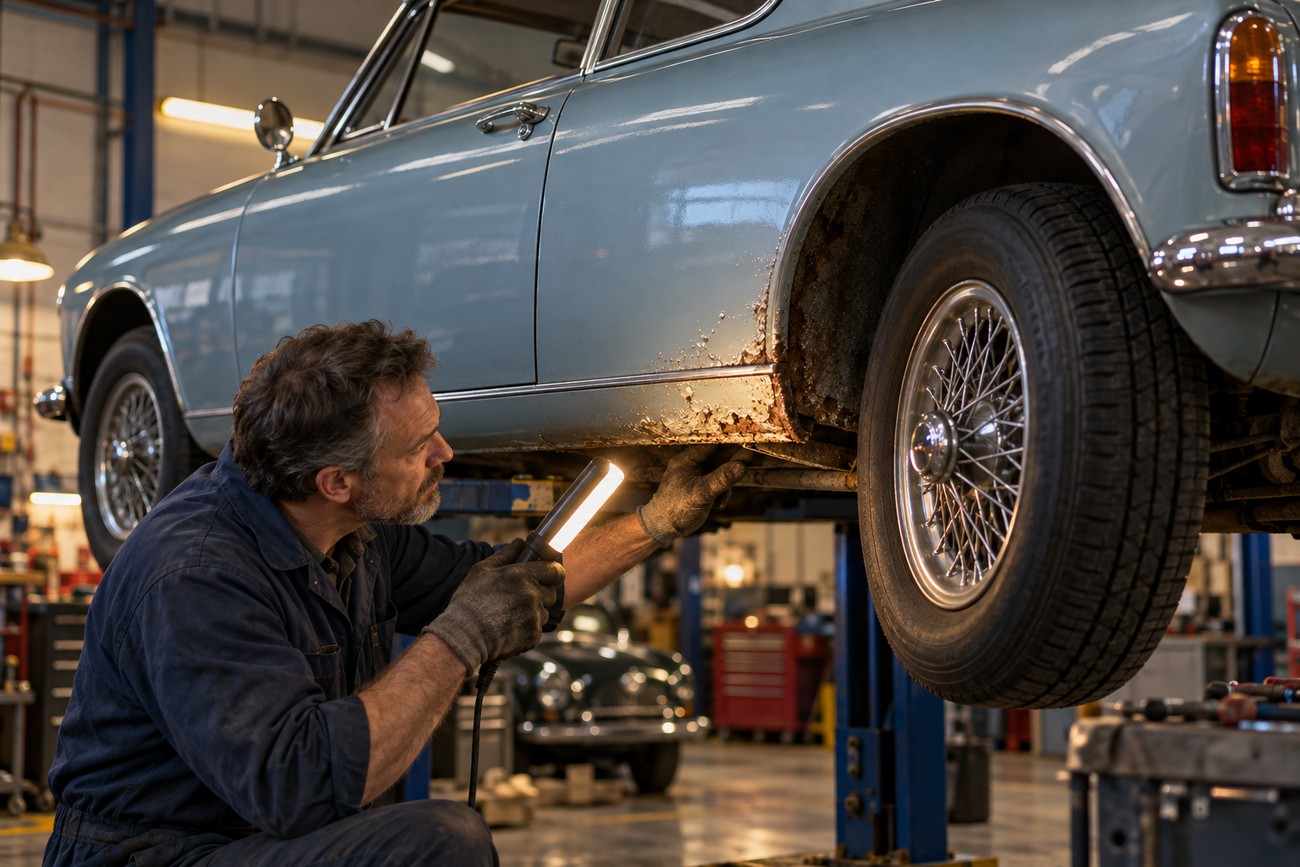
Begin the body inspection at the sills, wheel arches, and lower door edges, then examine the areas around the glass. Rust in these places may be visible as bubbling or damaged seams, but a tidy exterior proves little about the metal behind it. Fresh paint can conceal old repairs as readily as it can protect good panels.
Internal corrosion in structural sections is the more consequential risk. Access to the underside and cavities matters because deterioration can advance where an exterior walk-around reveals almost nothing. Check previous repairs for sound metal and workmanship, rather than accepting a smooth painted finish as evidence of either.
Inspect seams, windscreen surrounds, and structural sections from underneath and wherever access allows. A glossy exterior or a magnet test alone cannot establish the condition of metal hidden within a section.
Mechanical inspection should be equally deliberate. Look for play in the suspension and steering, assess the brakes, and listen for signs that the engine needs more than routine tuning. A car that feels vague on the road may need several related jobs before it drives as its appearance suggests.
Electrical and interior condition can add a quieter set of costs. Aged connectors and grounds, alternators, starters, and lighting commonly need refurbishment; test each function rather than assuming a running engine means the electrics are sound. Seat foam, upholstery, belts, and weather seals can also deteriorate despite low apparent mileage, so inspect their condition directly.
Originality, Parts Supply and the Cost of Making One Right
A correctly specified Rapier with honest wear can be more appealing to collectors than a shinier car altered without a clear plan. Emblems, wheels, dashboard finish, and lights all help establish whether the details suit the car’s year. Documentation becomes particularly useful when a restoration has replaced or refinished much of what you can see.
Moldings, badges, glass, chrome, and interior pieces may be expensive or slow to source. Their absence is easy to underestimate because the car may still drive perfectly well, while completing the exterior or cabin stalls for want of one part. Price an incomplete car with those gaps in mind, including the time needed to find suitable replacements.
Rootes owner clubs can help with parts, technical knowledge, VIN research, and checks against the correct specification. Specialist sellers and dismantlers may be necessary when ordinary parts channels come up empty. Establishing those contacts before purchase also gives you a more realistic view of what a proposed restoration involves.
Modifications deserve a separate review. Non-standard carburetors, wiring, brakes, and exhausts may work well, yet undocumented changes can make later diagnosis and parts ordering harder. A sensible alteration should be identifiable, competently installed, and supported by information the next owner can use.
The Smart Way to Buy a Sunbeam Rapier Fastback
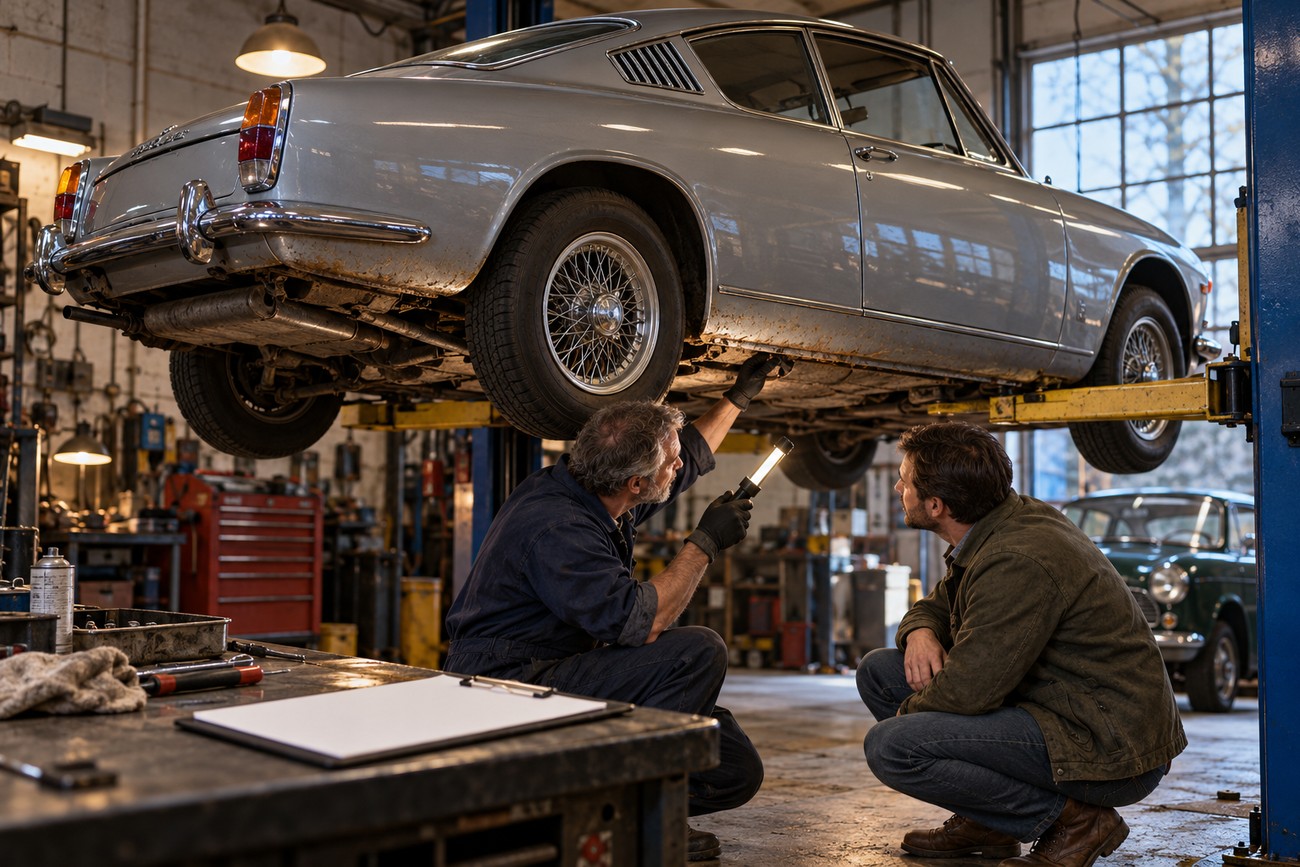
Prioritize a sound body and a documented specification over fresh paint or an enticing asking price. Arrange an inspection on a lift, with attention to the underside, sills, arches, glass areas, and accessible structural cavities. That effort is especially important when the exterior has been recently finished and there is little evidence of the metalwork beneath it.
During the road test, check how the engine starts and responds, whether the gearbox and any fitted overdrive operate properly, and whether the cooling system behaves consistently. Assess steering play, suspension noise, brake feel, and the car’s composure over uneven surfaces. Test the lights and other electrical equipment before the drive ends.
Review the car’s modification and repair history alongside what the inspection reveals. Photographs or records of body repairs are more informative than a description that simply says “restored,” while a list of recent mechanical parts is no substitute for seeing how the car drives. Allow for the cost and delay of missing trim or glass when comparing two examples.
For preservation, choose sound original fabric and correct details where possible. For restoration, start with the best structure you can find and a realistic route to the missing parts; for modification, be clear about what you are prepared to sacrifice in originality. A sound, correctly specified Rapier is usually a safer basis than a heavily altered cosmetic project.
Frequently asked questions
The Rapier name covers cars and specifications that should not be reduced to one performance claim. These answers clarify the most common comparisons and identify what a buyer should verify on an individual Fastback. They also place the Sunbeam badge in its Rootes context.
What was the top speed of the Sunbeam Rapier?
There is no single reliable top-speed figure for every Sunbeam Rapier Fastback. Period claims need the car’s year, market, and specification to mean much, since carburetor and exhaust equipment could differ. The commonly repeated power range of approximately 93–100 bhp likewise needs those qualifications.
A car’s present-day maximum speed would also depend on its mechanical condition and setup. For a purchase, verification of the engine specification and a thorough road test are more useful than treating an isolated period figure as a promise.
Which is better, the Sunbeam Alpine or the MGB?
The better choice depends on which Alpine you mean and the sort of classic driving you want. The Alpine Fastback belongs to the same coupe family as the Rapier Fastback, while the MGB follows an open sports-car formula. If you mean an open Alpine, compare it with the MGB as an open sports car rather than using the Rapier Fastback as a stand-in.
Compare individual cars as carefully as model identities. A sound, properly maintained car is a more satisfying purchase than a neglected one chosen for its badge alone. Decide whether you want a coupe or open-air driving before weighing up particular examples.
Who made the Sunbeam Rapier?
The Sunbeam Rapier was a Rootes Group car sold under the Sunbeam marque. The Fastback belonged to the Alpine/Rapier fastback family, which explains why Rootes-specific knowledge and parts networks matter when identifying or maintaining one.
For a buyer, the badge is only the beginning of the identification. Confirm the individual car’s numbers, year, and equipment against appropriate records, especially if it has been repainted or modified.







