
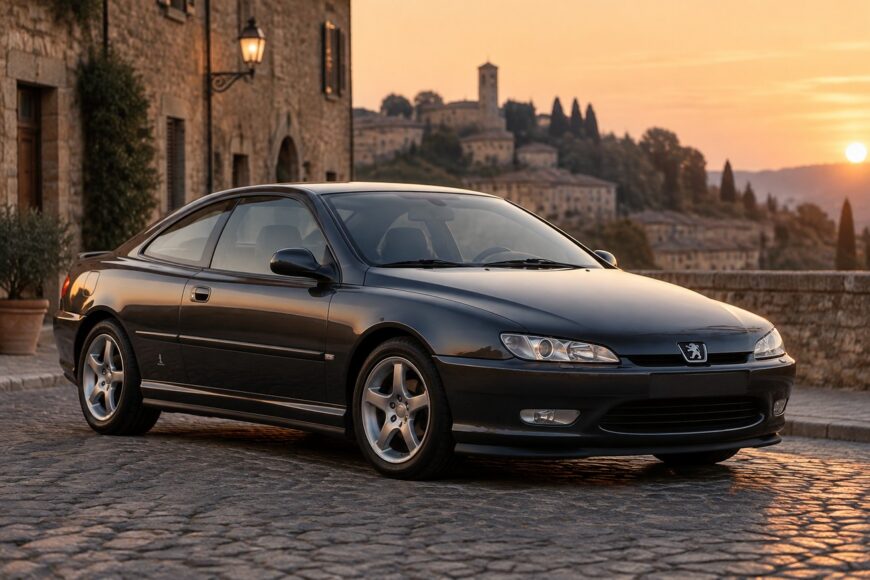
The Peugeot 406 Coupé combines Pininfarina styling with a purchase price that can look surprisingly modest. That gap is the attraction and the trap: a car with such clean proportions may cost little to buy, yet still demand the budget and patience of an aging specialist vehicle.
The right example should be judged as more than a cheap Peugeot. Condition, body geometry, maintenance history, and electrical health matter more than paint color, headline mileage, or the engine badge. A polished car with a tired underside can become expensive quickly, while an original, documented example may justify a higher asking price because it removes much of the unknown.
- Why the 406 Coupé Still Looks More Expensive Than It Is
- Engines, Comfort, and the V6 Temptation
- The Real Cost: Age, Repairs, and Hard-to-Find Trim
- What to Inspect Before You Buy
- Can a 406 Coupé Work as a Daily Driver?
- The Smart Buying Strategy: Condition Over Badge
- Frequently Asked Questions
- What is the average price of a Peugeot 406 Coupé?
- What was the best engine for a Peugeot 406 Coupé?
- Which documents should I ask for when buying a 406 Coupé?
- How can I tell whether a low-priced 406 Coupé is actually a bargain?
Why the 406 Coupé Still Looks More Expensive Than It Is
The Peugeot 406 Coupé was produced from 1997 to 2004. Its exterior design was created by Pininfarina, not Peugeot’s in-house design studio, and that authorship is central to the car’s appeal. The long, clean body sides, restrained detailing, and low roof give it a presence that many ordinary family cars of the period never achieved.
Enthusiasts often call it one of the most beautiful mass-market coupés of the 1990s. That is an enthusiast opinion, not a measured fact, but it explains why the model continues to attract attention despite its age. The design also helps the car feel more special from behind the wheel than its shared mechanical foundations might suggest.
The relationship with the 406 sedan is more nuanced than either extreme suggests. The coupé shares much of the 406 platform and running gear, which helps with many mechanical parts and service items, but its body panels, side geometry, and roof are unique. It is therefore neither simply a sedan with a cosmetic conversion nor a completely unrelated car.
That distinction matters during ownership. Common mechanical components may be relatively straightforward to source, while a damaged coupé-specific panel, trim piece, or interior component can take longer to locate and may cost more. The styling creates value, but it also creates a parts risk that a normal 406 buyer does not face to the same degree.
Engines, Comfort, and the V6 Temptation
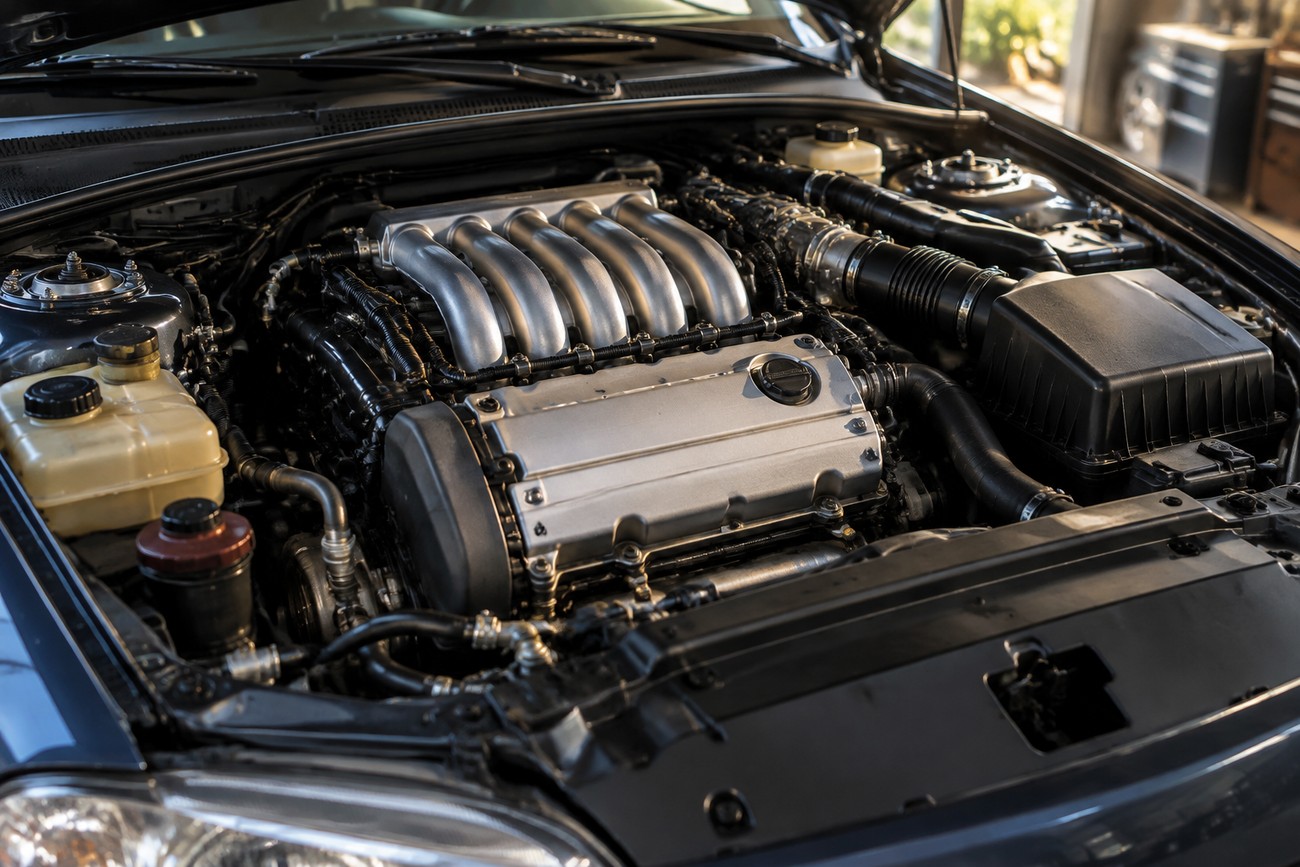
Petrol engines included a 2.0-liter four-cylinder and a 2.9-liter V6; diesel versions existed in some markets. The choice changes the character of the car, yet age and service history remain more important than the brochure specification. A well-maintained simpler engine is a better ownership proposition than a neglected flagship version.
The V6 is generally the most desirable configuration among enthusiasts because it gives the coupé a smoother, more substantial character. It suits a driver who values sound, refinement, and the sense of occasion that comes with the larger engine. The badge alone, however, does not make a poor car desirable.
A V6 can cost more to maintain, including timing-belt-related work, fluids, the thermostat, the radiator, and ancillary components. Access, deferred maintenance, and a collection of aging cooling or electrical parts can turn an apparently attractive purchase into a sequence of repairs. The inspection should therefore establish what has already been done, rather than assuming that a recent service covered every important item.
A simpler petrol configuration can be the more rational choice when lower complexity and running costs matter more than character. For regular use, that trade-off may be easier to live with, especially if two cars are otherwise similar. The best engine depends on use, condition, and service evidence rather than a universal enthusiast verdict.
The Real Cost: Age, Repairs, and Hard-to-Find Trim
The main ownership risk is usually the condition of an individual 1997–2004 car, not a blanket weakness of the model. These cars have had years to accumulate postponed repairs, improvised fixes, and non-original replacement parts. A low asking price often reflects that accumulated history rather than a special opportunity.
Mechanical parts and shared consumables are generally easier to source than coupé-specific body, interior, and trim components. That difference affects the repair process as much as the final bill. A suspension service may be manageable, while a missing piece of exterior trim or a damaged interior mechanism can involve searching through specialists, dismantlers, and owner networks.
Electrical faults are another source of ownership friction. Complaints can involve windows, central locking, sensors, wiring, dashboard functions, and other small glitches that are individually minor but collectively tiresome. Suspension wear, corrosion, cooling-system neglect, and worn ancillary components add to the same problem: the car may remain usable while quietly requiring attention in several areas.
Accumulated repairs also complicate diagnosis. One previous owner may have used a used component, another may have made a temporary wiring repair, and a later seller may have polished the visible surfaces without addressing the cause. The result can be a car that looks complete but carries a restoration bill greater than its market value. The purchase price is only the entry point, so leave room for work that cannot be seen in an advertisement.
What to Inspect Before You Buy
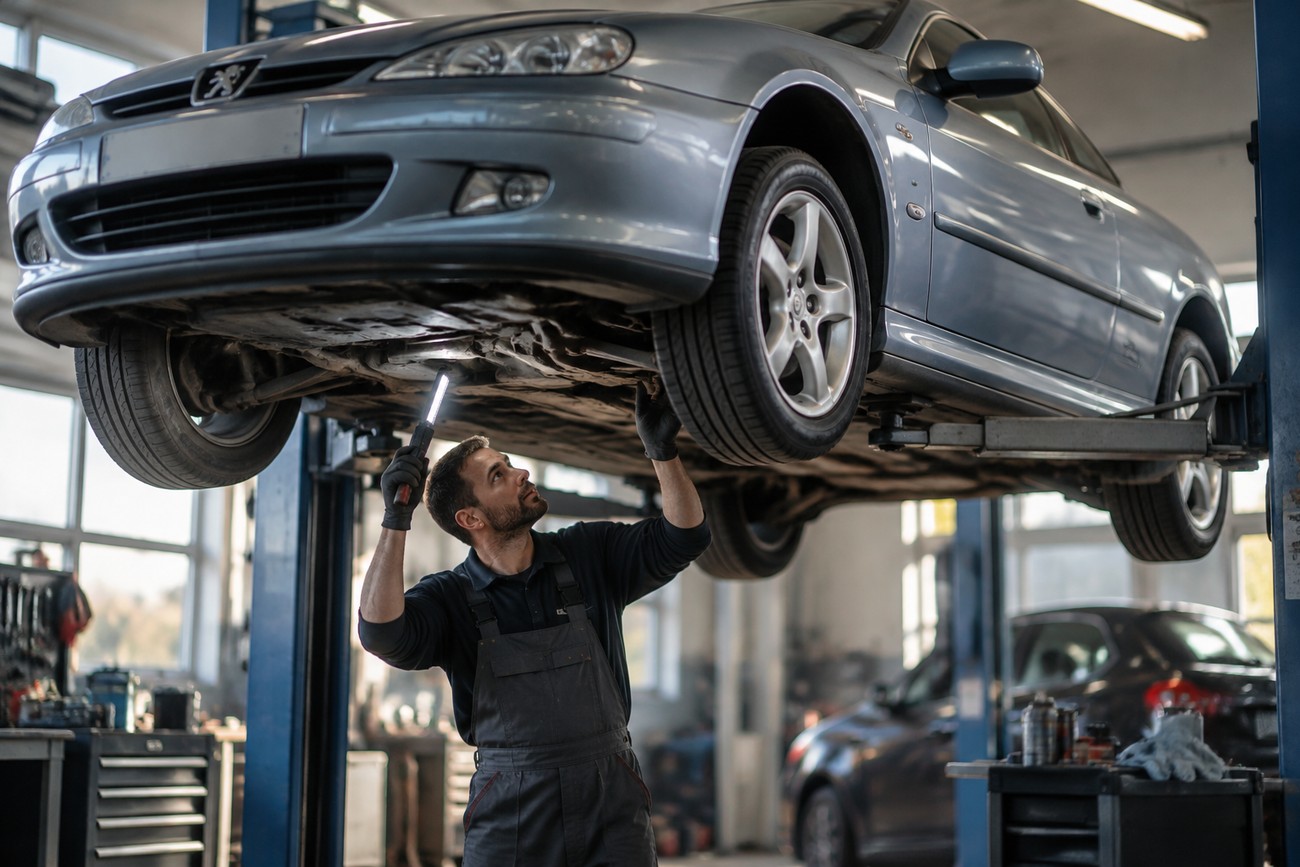
Start with the body rather than the shine. Check the alignment of the doors, hood, trunk, roof, and side panels, and look for consistent gaps across both sides. Uneven geometry, overspray, mismatched texture, or an unexplained difference in panel position can indicate accident repairs that deserve professional assessment.
Inspect corrosion underneath, including the wheel arches, sills, jacking points, and lower body. Winter use and poor underbody protection increase the risk, and surface rust around a visible edge may be less important than corrosion hidden beneath coatings or repairs. A thickness-gauge inspection is useful, but readings should support a full visual and structural examination rather than replace it.
Body alignment and hidden corrosion deserve attention before cosmetic faults because coupé-specific panels are harder to replace than common mechanical components. A bright finish can be corrected later; missing geometry or badly repaired metal can determine whether the car is economically viable.
Once the structure looks credible, test the suspension for knocks, play, and uneven behavior, then inspect the cooling system and engine bay for neglected ancillary components. Run every electrical function: windows, central locking, sensors, climate control, heating, interior illumination, and dashboard equipment. These details define daily usability and are easy for a seller to overlook during a short viewing.
A clean interior is useful evidence of careful ownership, but it is not proof of mechanical health. Wiring, window mechanisms, mounts, climate-control components, and hidden fasteners can still be worn. Compare the interior condition with invoices, the underside, and the quality of previous repairs; a glossy example assembled from used or non-original parts deserves more scrutiny than an honest car with modest cosmetic wear.
Can a 406 Coupé Work as a Daily Driver?
A well-maintained 406 Coupé can work as a daily driver because its appeal is based on design and comfort as much as outright performance. The chassis has the relaxed character expected of a long-distance coupé, and the shared 406 mechanical foundation can make routine servicing less exotic than the body suggests. That advantage depends on buying a sorted car rather than creating one from a cheap shell.
Daily use exposes faults that an occasional weekend car can hide. Climate control, heating, electric windows, locks, and lighting must work consistently if the vehicle is to be relied upon for commuting and travel. A failed convenience system may be minor in engineering terms, yet frustrating when it affects every journey.
Poor roads can accelerate suspension knocks and play, especially when previous owners have postponed worn components. Electrical glitches also become more irritating when the car is needed every morning. The comfortable ride is a benefit, but it should not be confused with immunity from age-related wear.
Using a 406 Coupé every day without a reserve budget is risky because small faults can accumulate. A sound example can be practical and rewarding, provided you accept occasional repairs, allow time to find coupé-specific parts, and keep an alternative transport plan for unexpected downtime. Buyers seeking completely predictable running costs should treat this model cautiously.
The Smart Buying Strategy: Condition Over Badge
Prioritize documented maintenance, straight bodywork, originality, and the absence of improvised tuning over color, claimed mileage, or the V6 badge. A service history that shows consistent care is more valuable than a low odometer reading without supporting records. Mileage can help compare cars, but it cannot explain corrosion, accident damage, or years of deferred work.
Original wheels, exhaust, and body trim generally support the car’s appeal better than cheap aftermarket modifications. Nonstandard parts may reflect thoughtful improvements, but they can also conceal rushed repairs or make future replacement more difficult. A car that remains close to its intended specification is usually easier to assess and easier to sell to the next knowledgeable buyer.
A live example is often more likely to be found through an enthusiast or club network than through an unverified marketplace listing, although this is not a guarantee. Owner communities may preserve maintenance records, technical context, and photographs of earlier work. You should still inspect the car independently; reputation is a useful lead, not a substitute for evidence.
The coupé is not simply a sedan with cosmetic changes, and the V6 is desirable but not universally the best ownership choice. Mechanical commonality with the sedan does not mean every coupé-specific body or interior part is cheap or readily available. The strongest buying signal is a documented, original car with sound geometry and electrical health, regardless of its color or engine badge.
Frequently Asked Questions
These questions are best answered by comparing the whole car and its deferred work, rather than relying on a model-wide price or a single specification.
What is the average price of a Peugeot 406 Coupé?
There is no single reliable average price that represents all Peugeot 406 Coupés because condition, engine, originality, market, and deferred work strongly affect value. A low-priced car may need body repairs, missing trim, electrical diagnosis, or major service work, while a costlier example may already have those risks addressed.
Interpret an asking price as the starting point for inspection, not as the value of a finished car. Compare the price with documented maintenance, body geometry, corrosion, originality, and the cost of immediately required work. That condition-based approach is more useful than applying one average to every market and specification.
What was the best engine for a Peugeot 406 Coupé?
The V6 is the character choice for buyers who prioritize sound, smoothness, and the enthusiast appeal of the larger engine. It can cost more to maintain, so timing-belt-related work, cooling components, fluids, and ancillary parts should be supported by evidence rather than assumptions.
The simpler petrol configuration is usually the more budget-conscious choice when lower complexity and running costs matter more than character. If both cars are equally sound, choose according to your use; if one has substantially better records and condition, that evidence should outweigh the engine preference.
Which documents should I ask for when buying a 406 Coupé?
Ask for service invoices, repair records, inspection or registration paperwork where applicable, and evidence of consistent ownership. For a V6, request clear evidence of timing-belt-related work and any documented cooling-system or ancillary repairs. Records should identify what was replaced, not merely state that the car was “serviced.”
Use the paperwork to compare dates, mileage entries, recurring faults, and periods when the car may have been inactive. A credible history will not remove the need for an inspection, but it can explain the car’s condition and distinguish planned maintenance from a series of emergency fixes.
How can I tell whether a low-priced 406 Coupé is actually a bargain?
Estimate the deferred work before deciding. Add likely costs for corrosion or accident repair, missing coupé-specific trim, suspension wear, electrical faults, cooling-system work, and overdue engine maintenance. If the total approaches or exceeds the cost of a better-documented car, the cheaper advertisement is probably only a cheaper purchase.
A genuine bargain has sound geometry, manageable corrosion, complete trim, and evidence that major maintenance has been handled. Do not buy from photographs alone, and do not treat a clean interior or fresh polish as proof that the hidden systems are healthy.







