
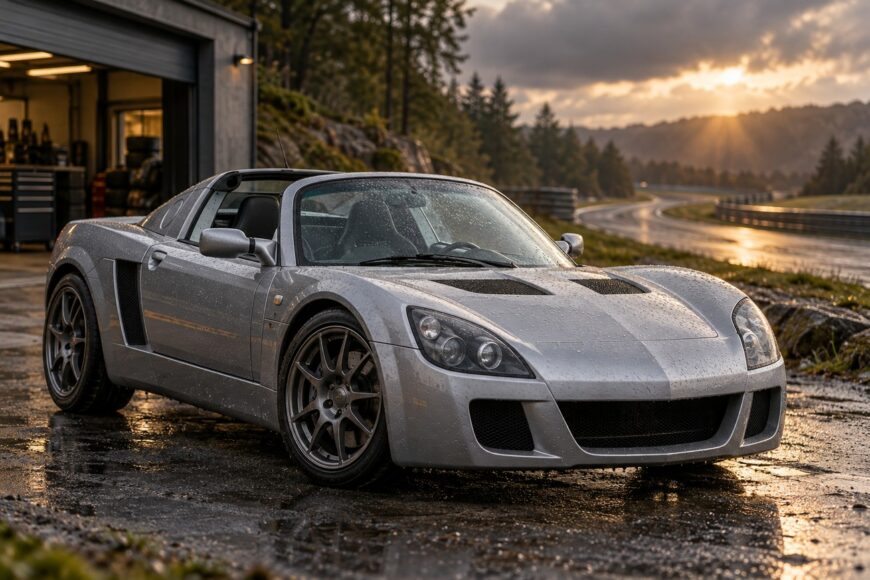
The Opel Speedster is an unusual contradiction: a lightweight sports car based on Lotus engineering, wearing an Opel badge, and using mass-market GM engines, yet far from cheap or easy to own. Built from 2000 to 2005, it offers the kind of direct steering and low mass that modern cars rarely provide.
That appeal comes with narrow limits. A good Speedster can be a superb weekend car, but its hard ride, noisy cabin, difficult access, leaks, scarce body parts, and uncertain track history make it a demanding daily driver. The engine may be familiar GM hardware; the rest of the car is a specialist proposition.
- What the Opel Speedster Really Is
- Two Ecotec Engines, One Lightweight Formula
- Why It Feels Special—and Why It Can Exhaust You
- The Ownership Costs Hidden Behind a GM Badge
- How to Inspect a Speedster Before Buying
- Myths, Modifications, and the Right Use Case
- Should You Buy an Opel Speedster?
- Frequently asked questions
- How much does an Opel Speedster cost?
- What car is the poor man’s Corvette?
What the Opel Speedster Really Is
The Speedster uses a Lotus-developed and manufactured aluminum chassis tub based on second-generation Elise architecture. Composite or plastic body panels keep weight low, while the two-seat cabin removes most conventional comfort equipment. Production ran from 2000 to 2005, and surviving estimates suggest approximately 7,000–8,000 cars, although estimates differ and a precise official total is not consistently available.
Calling it a rebadged Elise is therefore misleading. The cars share a structural starting point, but the Speedster received GM-specific engines, packaging, electrical components, and other calibration choices. Those differences matter when diagnosing faults or choosing a workshop.
Lotus specialists may understand the aluminum tub and suspension layout, while GM knowledge remains essential for the engine, wiring, sensors, and control systems. This mixed identity explains both the car’s character and its ownership complications: it is neither a conventional Opel nor simply a Lotus with different badges.
Two Ecotec Engines, One Lightweight Formula
The naturally aspirated version uses a 2.2-liter GM Ecotec inline-four producing 147 hp. It reaches 100 km/h in approximately 5.9 seconds and has a top speed of approximately 206 km/h. The turbocharged model uses a 2.0-liter Ecotec inline-four with 200 hp, reducing the 0–100 km/h time to approximately 4.9–5.0 seconds and raising top speed to approximately 243 km/h.
Both engines sit transversely behind the seats, driving the rear wheels in a mid-engine layout. In a car weighing so little, even the naturally aspirated engine feels responsive, while the Turbo delivers serious acceleration without needing exotic engine hardware.
Core Ecotec engine and gearbox parts may be sourced through mass-market GM applications, which can reduce parts prices. That advantage does not make servicing cheap overall. Access is restricted, and jobs involving the timing belt or chain, clutch, or some sensors can require partial body disassembly and substantial specialist labor.
Why It Feels Special—and Why It Can Exhaust You
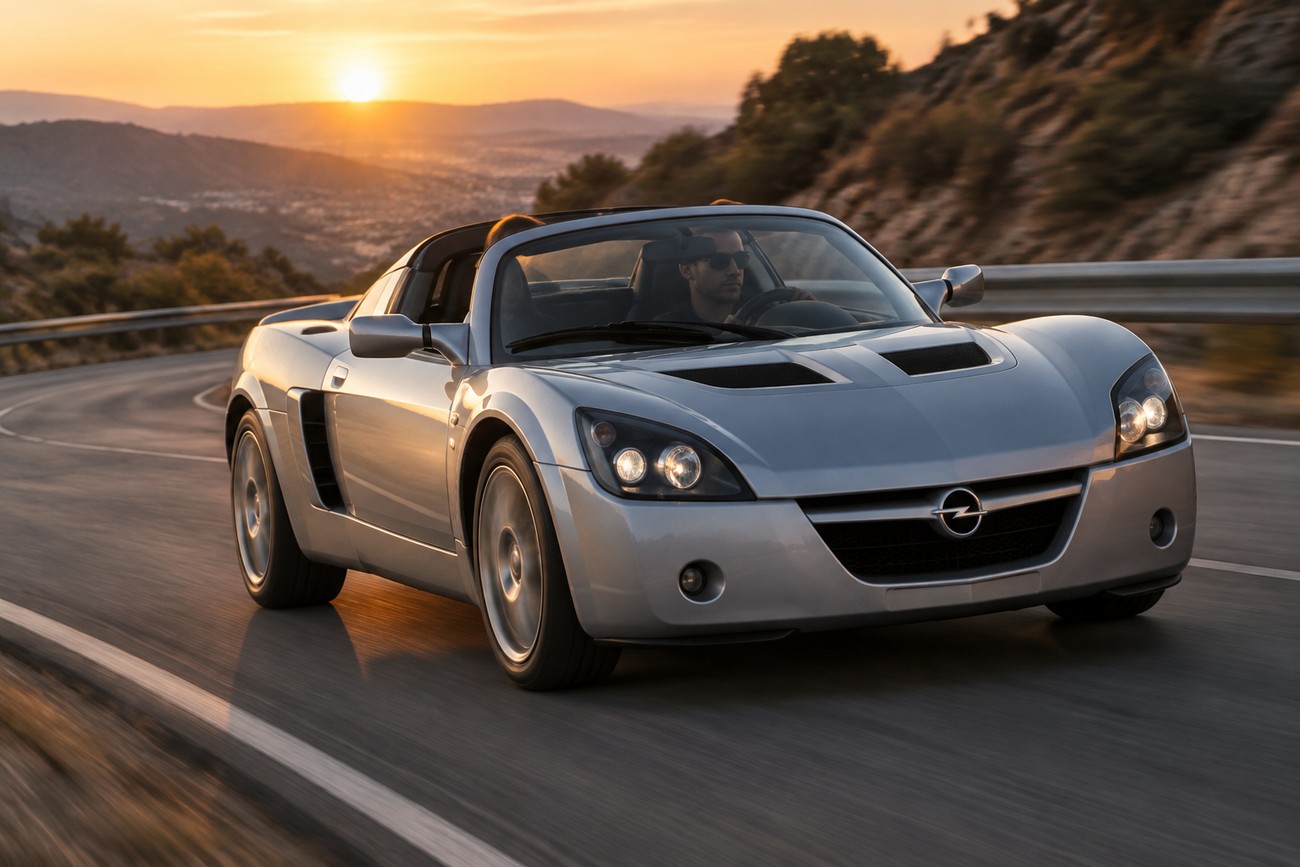
Typical mass is approximately 930–950 kg for the 2.2 and approximately 930–940 kg for the Turbo, depending on the source and specification. The aluminum tub gives the car a firm foundation, while the light body panels and minimal cabin preserve the immediate responses enthusiasts value.
The standard chassis is generally neutral and communicative. Steering inputs, throttle changes, and tire-pressure differences are easy to feel, which makes the Speedster rewarding on a good road or circuit. Excessive suspension or tire changes can reduce that predictability rather than improve it.
Daily use exposes the compromises. The ride is hard, cabin noise is high, the sill is tall, and the cockpit is restrictive for larger or taller drivers. The soft top and seals can allow water ingress during heavy rain, so the car is better understood as an enthusiast, weekend, or track-focused machine than as effortless transport.
The Ownership Costs Hidden Behind a GM Badge
The affordable part of ownership is usually the basic mechanical hardware. Original body panels, lighting, covers, trim, and interior pieces are much harder to find and can be expensive, especially after a crash. A car with a healthy engine can still become uneconomic if its nose, rear bodywork, or doors need replacement.
The aluminum tub is not the main rust concern. Steel fasteners, suspension components, and mounting hardware can corrode, particularly in wet or winter climates. Corrosion may complicate routine work and reveal that a car used year-round needs more than a cosmetic inspection.
Specialist knowledge is limited, and errors are costly when a workshop understands only one side of the car. A Lotus Elise specialist may know the structure, while GM-specific engine and electrical diagnosis requires separate competence. Insurance and registration can also be awkward because providers may classify the model inconsistently or apply high premiums.
Market value is another trap. Rare cars with clean histories often command strong prices, while cheaper examples may carry track damage, improvised wiring, or neglected cooling systems. The engine’s mass-market origins should never be used to justify a low total ownership budget.
How to Inspect a Speedster Before Buying
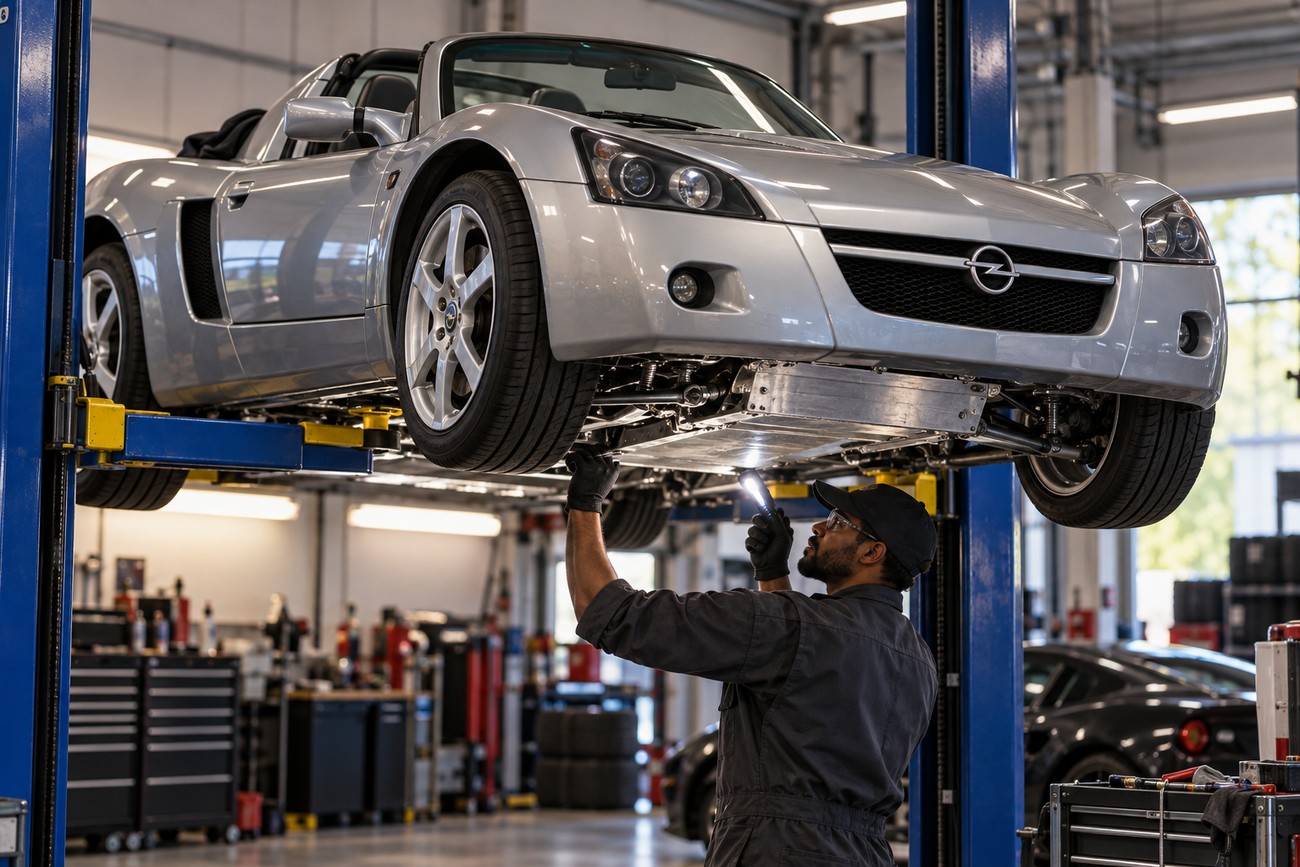
Start with the aluminum tub, suspension pickup points, mounting areas, and underbody. Look for altered geometry, impact marks, poor repairs, or evidence of an off-track excursion. A convincing ownership story is not proof of a straight chassis, and the engine’s GM origins do not reduce the importance of structural condition.
Frame geometry comes before engine diagnostics: a healthy GM motor cannot make a distorted or poorly repaired aluminum tub economical to save.
Inspect steel fasteners and suspension parts for corrosion, then check the soft top, seals, carpets, and footwells for rainwater intrusion. Examine rare panels before agreeing on a price, because a small-looking accident can involve parts that are difficult to replace. Test the roof with it fitted and the seat adjusted, especially if the driver is tall.
Modified cars need extra scrutiny. Track-oriented coilovers and semi-slick tires may make the car substantially less usable on public roads. On Turbo versions, increasing boost without corresponding cooling and fuel-system work can create overheating and reliability problems. Inspect wiring, hose routing, heat shielding, radiators, and evidence of improvised repairs.
A documented standard car is often the safer purchase than a faster example marketed through performance figures. Give priority to chassis integrity, corrosion control, seals, cooling, wiring, and service records. A cheaper car with a healthy engine but poor modifications can cost more than a sound car with less dramatic specifications.
Myths, Modifications, and the Right Use Case
The Speedster is not simply a rebadged Elise. Lotus architecture defines its structure and much of its feel, but GM-specific engines, electronics, and packaging create meaningful differences. That distinction matters when ordering parts or selecting a technician.
Mass-market Ecotec parts can lower component prices, yet specialist labor, bodywork, and chassis repairs remain expensive. The Turbo also should not be treated like an ordinary Opel that can accept more boost without preparation. Heat management, fuel delivery, and cooling capacity become critical as output rises.
Alignment, camber, and tire pressures have a major effect because the car has low mass and a short wheelbase. Additional ventilation or radiators can help only when properly engineered. For most buyers, the right use case is enthusiastic weekend driving or track work, with daily use accepted as a compromise rather than promised as a strength.
Should You Buy an Opel Speedster?
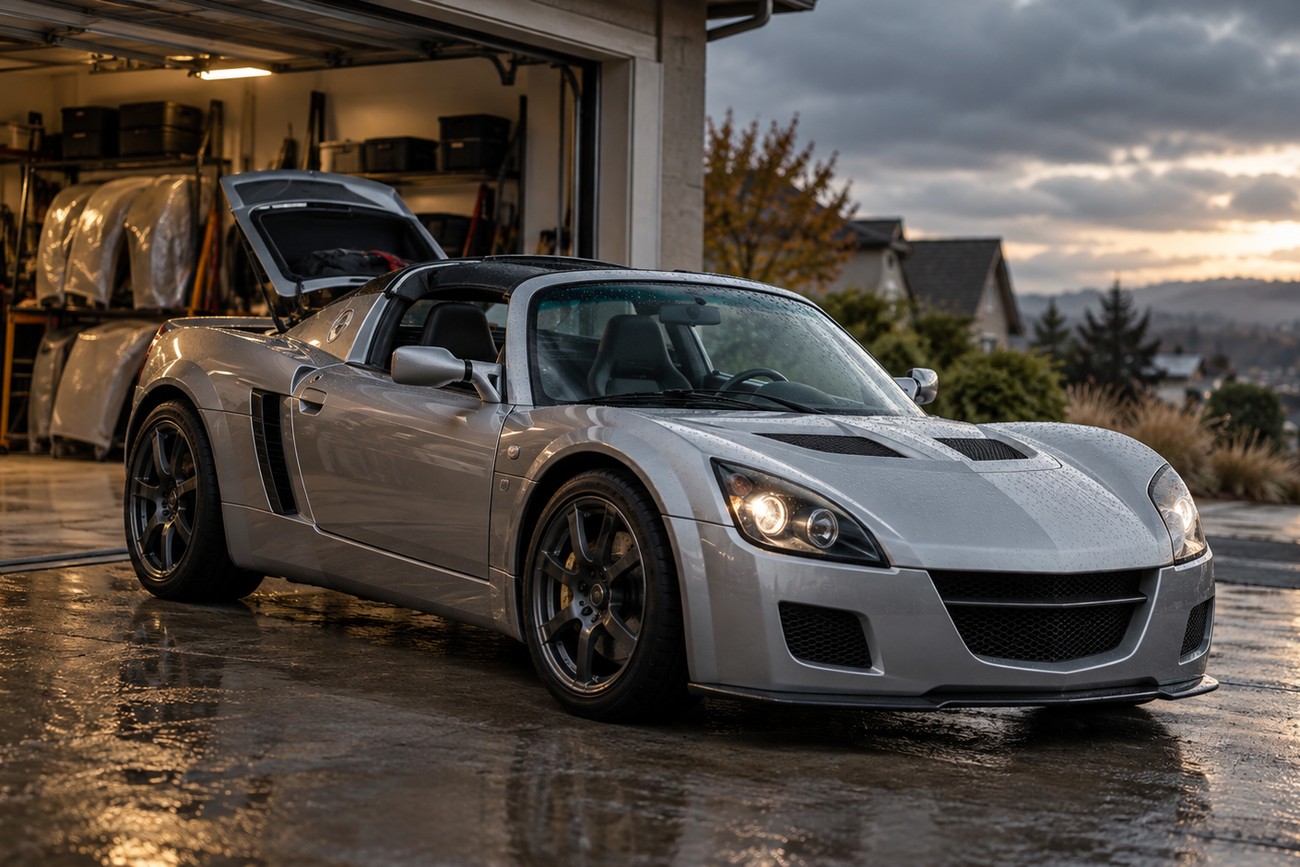
Buy one for its low mass, Lotus-developed chassis, mid-engine balance, rarity, and mechanical character. It rewards a driver who values steering feel and clear feedback more than storage, quietness, or all-weather convenience.
Walk away if comfort, luggage space, dependable weather protection, inexpensive body repairs, or easy servicing are priorities. Harshness, noise, water ingress, restricted access, scarce panels, and uncertain modifications are central ownership issues, not minor imperfections.
The soundest buying rule is simple: condition matters more than the advertised price or a dramatic ownership story. Prioritize structural integrity, cooling, corrosion control, seals, wiring, and documented maintenance over engine-part availability alone.
Frequently asked questions
How much does an Opel Speedster cost?
There is no single reliable fixed market price. Rarity, chassis condition, originality, regional market, documented maintenance, and track history can move the value more than the engine specification.
Assess the car as a complete system. A well-documented standard or carefully maintained example may justify a premium, while a cheaper Turbo with altered wiring, weak cooling, damaged panels, or uncertain structural repairs can require substantially more money after purchase.
What car is the poor man’s Corvette?
The Opel Speedster is sometimes given that nickname because it offers accessible mid-engine excitement and dramatic performance from a compact sports car. The comparison is shorthand, not a claim of equivalence.
A Corvette provides greater power, space, comfort, and long-distance usability. The Speedster is lighter, more Lotus-like in its steering and responses, and far more focused. Its appeal comes from intensity and simplicity, while the Corvette is generally the broader and more practical performance car.







