

The Moskvich 412 earned its endurance reputation in the 1968 London–Sydney Marathon. Four cars entered, and every Soviet crew reached the finish. That achievement still sits uneasily beside familiar complaints from ordinary owners: difficult cold starts, water-sensitive ignition, a hard brake pedal, cabin noise, and corrosion.
The distinction is preparation. Marathon cars received attention and servicing that an unmodified used sedan may not have had for decades. For anyone buying a 412 now, its rally history is a reason to respect the design’s potential; the condition of its body, brakes, and mechanical systems determines whether it can serve as an everyday car.
- What the Moskvich 412 Actually Was
- Specifications Without the Rally Myth
- Why the 1968 London–Sydney Marathon Matters
- Rally Credentials vs Everyday Reality
- The Daily-Driver Reality: What Fails First
- Buying One: Condition Beats Specification
- Common Mistakes and a Sensible Ownership Standard
- Verdict: Soviet Rally Heritage or Everyday Workhorse?
- Frequently asked questions
- What does the Moskvich 412D designation mean compared with 412E?
- How much luggage could a typical Moskvich 412 officially carry?
- How should I identify the correct parts for a Moscow or Izhevsk Moskvich 412?
What the Moskvich 412 Actually Was
The Moskvich 412 was a compact family sedan built in more than one place and over more than one production period. MZMA/AZLK-built cars from Moscow date approximately from 1967 to 1976. Izhevsk production continued considerably longer, so the model name alone does not identify a single, fully uniform specification.
Its basic layout was straightforward: rear-wheel drive, a unibody body, independent front suspension, and a four-speed manual gearbox. Power came from a carbureted UZAM four-cylinder engine displacing 1.48 liters. That mechanical simplicity can make faults easier to trace and repairs more approachable, provided the structure and previous work give you a sound starting point.
Factory, year, and model index still matter. Engine specifications varied, and similar-looking parts from Moscow and Izhevsk cars may differ. Before treating a published figure or a replacement part as applicable, match it to the actual car rather than the badge on its trunk.
Specifications Without the Rally Myth
For the 412E, reference technical data give 73.5 hp and 105.8 N·m. The low-octane 412D has separate reference figures of 66.6 hp and 102 N·m. Keeping those versions apart is more useful than repeating an attractive power claim without identifying the engine behind it.
A common reference version measures approximately 4,205 × 1,555 × 1,500 mm. Typical kerb weight is about 1,000 kg, with a gross weight of about 1,400 kg. Those figures describe a modest family car; they cannot tell you how an individual engine pulls or how securely an aged chassis responds.
The 412 seats five, has a 45-liter fuel tank, and has a stated luggage load of 50 kg. Ground clearance is about 173 mm, a practical advantage on rough surfaces. Clearance helps the underside avoid obstacles, though the car still depends on sound dampers, joints, steering, and brakes.
Some advertising and popular accounts attribute 85–90 hp to the standard engine. Available 412E technical data state 73.5 hp, and the evidence for a deliberately understated official figure is insufficient. On a used car, measured condition and verified engine identity deserve more weight than either claim.
Why the 1968 London–Sydney Marathon Matters

Four Moskvich cars took part in the 1968 London–Sydney Marathon. All Soviet crews reached the finish, and the Soviet team placed fourth in the team classification. Finishing an event of that kind gives the 412 a credible place in endurance-rally history.
The result reflects cars, crews, preparation, and servicing working together. Marathon cars were prepared and maintained differently from ordinary production 412s. The achievement therefore shows what the design could withstand under organized support, rather than what every showroom car could do without attention.
That distinction becomes sharper with age. A civilian sedan may have accumulated corrosion, improvised repairs, and long periods of deferred maintenance since its last regular use. Its historical connection to the marathon cannot certify the condition of a brake hose, an ignition lead, or a structural rail.
Rally Credentials vs Everyday Reality
The marathon result and the used-car inspection answer different questions. The comparison below keeps the prepared endurance car separate from the road-going 412 a buyer is likely to encounter.
| Consideration | Prepared marathon car | Ordinary road-going Moskvich 412 |
|---|---|---|
| Preparation | Prepared for a demanding event. | Condition depends on its maintenance and repair history. |
| Reliability | Its finish demonstrates endurance potential under event conditions. | Corrosion, worn components, and previous repairs determine reliability now. |
| Performance claims | Event participation does not establish standard-engine output. | The 412E reference figure is 73.5 hp; standard-engine claims of 85–90 hp lack sufficient confirmation. |
| Servicing | Received preparation and servicing distinct from normal road use. | Needs inspection and routine fault diagnosis by its owner or workshop. |
| Driver expectations | Judged by its ability to complete an endurance event. | Judged by predictable starting, braking, handling, and daily usability. |
The 412’s simple mechanical layout can ease a repair, but it cannot make decades of wear disappear. A car that starts readily on a dry afternoon may still stall when rain wets its low-mounted distributor. Reliability has to be demonstrated in the conditions in which you intend to drive.
Performance deserves the same restraint. The 412E’s 73.5 hp reference figure is a useful baseline; a marathon finish is no evidence that an ordinary car left the factory with more power. For a buyer, accurate identification and a healthy engine are worth more than an unsupported rally-derived claim.
The Daily-Driver Reality: What Fails First
Difficult cold starting is a recurring owner complaint, along with sensitivity to temperature and fuel quality. Those reports justify checking the fuel and ignition systems before relying on the car for regular trips. They do not mean every 412 has the same starting fault.
Rain can reveal a more specific weakness. The low-mounted distributor may become wet after heavy rain or puddle crossings, leading to poor starting or a stall. Inspecting its cap, connections, and surrounding ignition components is particularly important if the car will see wet-weather use.
When fuel consumption rises, measure fuel-pump pressure and check float level and needle-valve sealing before condemning the carburetor. Excess fuel entering the float chamber can mimic a broader carburetor fault.
A hard brake pedal can indicate a failed or malfunctioning vacuum booster. Braking that feels unpredictable calls for diagnosis before further driving, rather than an adjustment in driving style. The age of brake cylinders and hoses adds reason to inspect the system as a whole.
Cabin noise is another common complaint and can make sustained journeys tiring even when the car runs correctly. Owners also report low-rpm hesitation and detonation, although neither is a guaranteed characteristic of every example. A test drive should reveal whether these symptoms are present on the particular car, without treating them as proof of a single cause.
Buying One: Condition Beats Specification
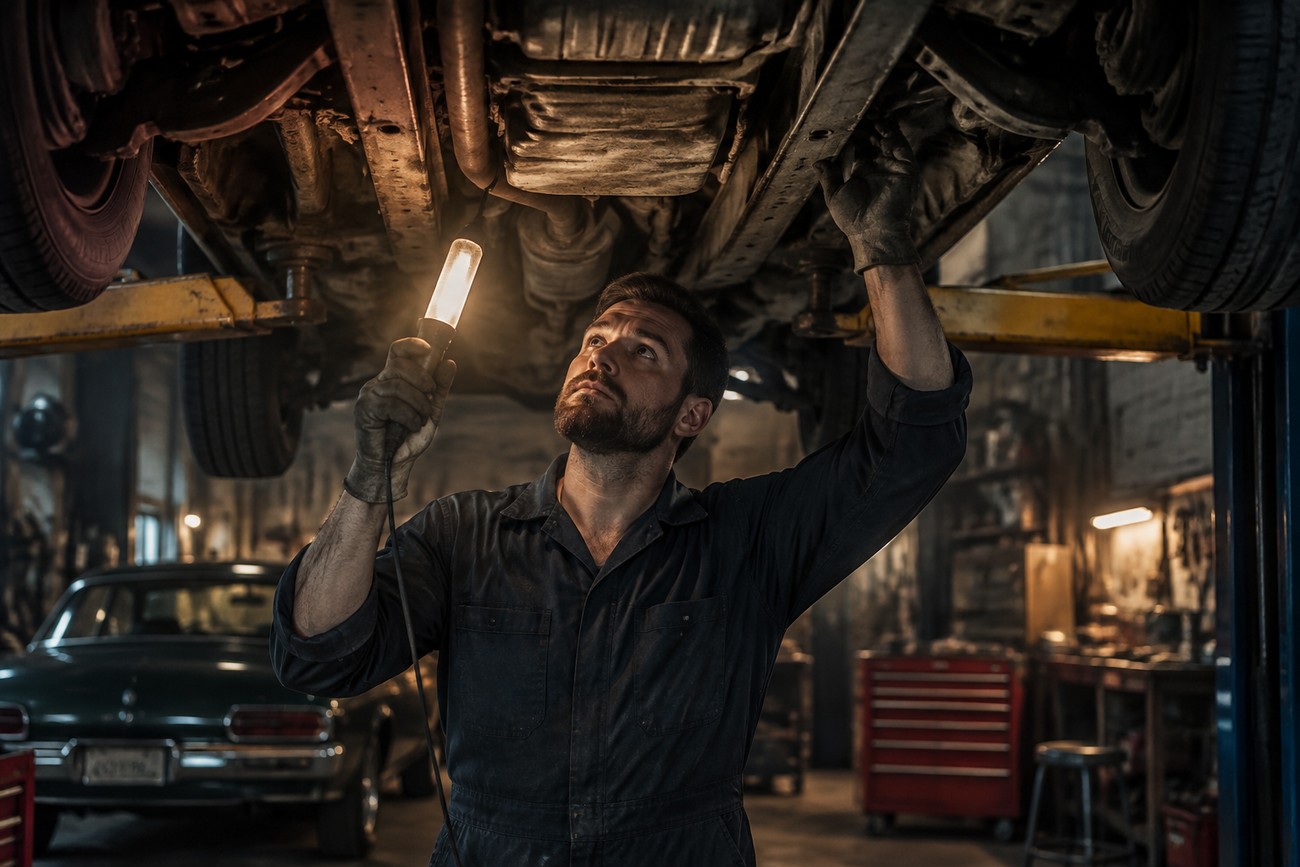
Start underneath, even if the paint shines and the seller can demonstrate a cold start. Examine the floors, sills, and structural rails for corrosion, patches, and questionable welding. In a unibody car, the quality of those repairs matters more than a desirable index or an impressive account of its rally ancestry.
Next, establish that the brakes work predictably and the steering feels sound. Check for a hard pedal, then inspect cylinders and hoses rather than assuming the booster is the only possible concern. Ground clearance of about 173 mm offers no protection against worn dampers, joints, steering components, or faulty brakes.
Under the hood, look beyond whether the engine idles. Inspect wiring, seals, the fuel system, and the distributor and its connections; age makes hidden deterioration plausible even on a clean-looking car. A cold-start demonstration is useful evidence of that one start, not a substitute for checking hot operation and wet-weather vulnerability.
Identify the factory, production year, index, and engine before planning repairs. Parts that look alike on Moscow and Izhevsk cars may not interchange, so confirm the exact modification against the vehicle documents when ordering. A dry, structurally sound example with dependable brakes offers a better ownership prospect than a rarer version needing major bodywork.
Common Mistakes and a Sensible Ownership Standard
Buying on paintwork, a successful start, or a rally story puts the easiest evidence ahead of the most consequential. Structural corrosion can remain out of sight while the engine runs smoothly. Insist on inspecting the underside and assessing old repairs before the car’s specification influences your decision.
Parts replacement should follow diagnosis. If fuel consumption is excessive, check the needle valve, float level, fuel-pump pressure, and general fuel-system condition before replacing the carburetor or raising pump pressure. Changing settings without finding the cause can leave the fault in place.
Regular wet-weather use calls for attention to the distributor, cap, wires, and ignition protection. A car that behaves well in dry conditions may fail after water reaches low-mounted ignition components. Likewise, a hard pedal or unpredictable braking is a repair priority: take the car out of service until the fault has been diagnosed.
Verdict: Soviet Rally Heritage or Everyday Workhorse?

The Moskvich 412 was an everyday workhorse in concept. Its rear-wheel-drive layout and simple mechanics suit a car intended to be used and repaired, while the London–Sydney finish gives its endurance reputation a genuine historical basis.
Those identities apply under different conditions. The marathon result demonstrates the potential of prepared, serviced cars and their crews; it does not make an unmodified sedan a factory-standard rally car. Claims of 85–90 hp for the standard engine remain insufficiently confirmed against the 412E reference figure of 73.5 hp.
For daily use, choose the soundest structure and most trustworthy brakes you can verify. A dry body and careful previous repairs matter more than rare trim, disputed horsepower, or a famous finish from 1968. They determine whether this particular 412 can live up to its workhorse reputation.
Frequently asked questions
These details help separate closely related versions and apply reference figures to the car in front of you.
What does the Moskvich 412D designation mean compared with 412E?
The 412D denotes a low-octane specification, with reference output of 66.6 hp and 102 N·m. The 412E reference figures are 73.5 hp and 105.8 N·m. Check the actual engine and vehicle documents before using either set of figures to describe a particular car.
How much luggage could a typical Moskvich 412 officially carry?
A common reference version has a stated luggage load of 50 kg. That is a luggage figure, separate from the car’s seating capacity and its gross-weight figure of about 1,400 kg; it should not be read as permission to load the trunk without regard to the rest of the car’s occupants and cargo.
How should I identify the correct parts for a Moscow or Izhevsk Moskvich 412?
Confirm the factory, production year, model index, and installed engine, then compare those details with the vehicle documents before ordering. Similar-looking Moscow and Izhevsk parts may differ. If a car has been repaired or modified over the years, inspect the fitted component as well rather than relying on its badge alone.







