
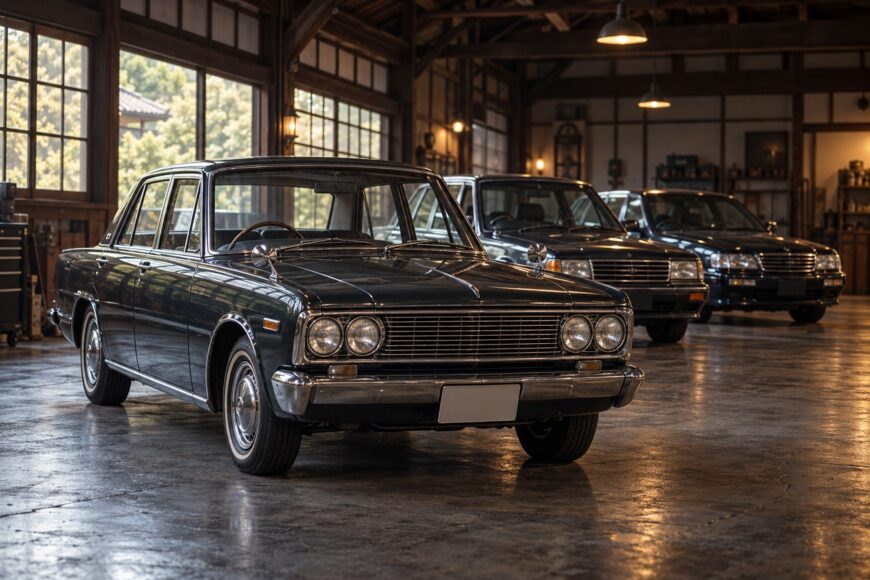
“22 years unchanged” is the memorable description attached to the Mitsubishi Debonair, and it contains a precise historical truth. The first-generation S20 was produced from 1964 to 1986, approximately 22 years, without a generational change. The Debonair nameplate itself continued through three main generations until 2001, so the claim becomes misleading when applied to the entire model.
That long first-generation life reflects the car’s purpose. The Debonair was a quiet Japanese executive sedan built around status, corporate use, long-wheelbase comfort, and restrained presentation. Today, those qualities can make it appealing as a historical car, while corrosion, scarce parts, aging electronics, automatic-transmission faults, and V6 running costs turn ownership into a specialist project rather than an inexpensive route into old luxury.
- The 22-Year Claim Is Almost True—but Not Quite
- Why Mitsubishi Kept This Conservative Flagship Alive
- Three Generations, Three Different Debonairs
- What Ownership Feels Like Today
- The Inspection Mistakes That Make a Rare Debonair Expensive
- Is the Debonair a Collector’s Car or Just an Old Luxury Sedan?
- Frequently asked questions
- Which Mitsubishi Debonair generation is the safest choice for a first-time owner?
- How can you tell whether a Debonair is genuinely original?
- What should an overseas buyer confirm before importing a Debonair?
- Why is the Debonair less liquid than a Toyota Crown or Nissan Cedric?
The 22-Year Claim Is Almost True—but Not Quite
The S20 arrived in 1964 as Mitsubishi’s flagship and remained in production until 1986. For a passenger car, approximately 22 years without a generational change is remarkable, especially as Japanese manufacturers became increasingly aggressive with model updates during the 1970s and 1980s. The popular phrase therefore has a solid foundation, even though it is usually shortened beyond accuracy.
The correct wording is that the first generation stayed in production for 22 years. The Debonair as a model continued through three main generations: S20 from 1964 to 1986, V/W from 1986 to 1992, and S40 from 1992 to 2001. Each generation brought different engineering, equipment, and market positioning, so describing the complete nameplate as unchanged erases most of its later history.
Slow evolution was part of the Debonair’s identity rather than simply an engineering failure. Mitsubishi was serving a narrow executive market in which a familiar, formal sedan could retain value for corporate and official users. Its conservative image communicated continuity, while the company could add richer equipment, larger engines, and comfort technology without abandoning the name’s established role.
That strategy also explains the model’s limited wider impact. A mass-market business sedan needed frequent updates and broad appeal; the Debonair could remain a niche flagship with substantially lower domestic sales. The result is historically interesting precisely because it shows a manufacturer preserving an executive image through gradual change rather than pursuing constant reinvention.
Why Mitsubishi Kept This Conservative Flagship Alive
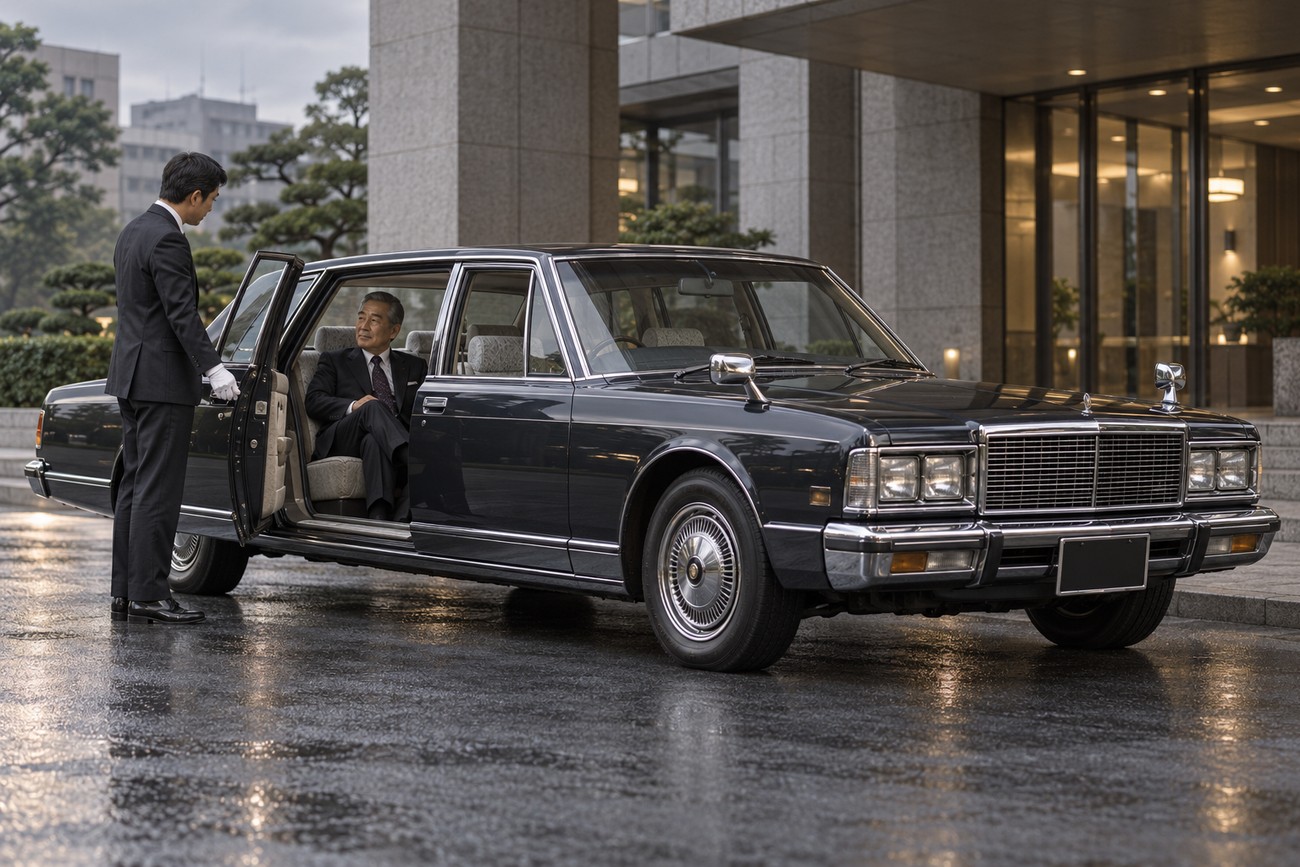
The Debonair targeted Japan’s executive-sedan segment, where the buyer could be a company, institution, or senior official rather than an enthusiast seeking sharp handling. Its selling points were status, quiet authority, and a comfortable journey. Corporate purchases mattered, and the car’s restrained appearance suited an environment in which conspicuous performance was less important than appearing established.
A long wheelbase and soft ride gave the Debonair a distinctive kind of luxury. Passengers received a calm, gently isolated experience, while the driver operated a large sedan intended to move smoothly through urban traffic and formal appointments. The car’s appeal was closer to official composure than to the driver-focused luxury associated with European performance sedans.
The distinction matters because the Debonair is often described as a Japanese equivalent of a BMW 7 Series. That comparison is too simple. The Mitsubishi emphasized conservative presence and corporate comfort, whereas the German reference point carried a stronger performance and engineering image. The Debonair’s character is quieter, more reserved, and more dependent on the condition of its individual example.
Its conservative formula also limited its reach. Domestic sales remained niche and were substantially lower than those of mass-market Japanese business sedans. from the perspective of practitioners in the sector. rather than a broad international ownership network.
Three Generations, Three Different Debonairs
The Debonair’s three generations share a name and a formal mission, yet their technology changed considerably. The table shows why the 22-year description belongs specifically to the S20.
| Generation | Production | Engine direction | Technology and platform character | Market role |
|---|---|---|---|---|
| S20 | 1964–1986 | Early cars used a 2.0-liter inline-six; later versions added V6 engines | Long-lived, progressively upgraded, and increasingly well equipped, while retaining an old-platform character | Niche Japanese executive flagship focused on status, comfort, and corporate use |
| V/W | 1986–1992 | 3.0-liter V6 | More modern executive hardware with electronically controlled suspension or comfort equipment | Japanese domestic-market luxury sedan with limited wider recognition |
| S40 | 1992–2001 | V6-based executive-sedan powertrains | Platform and components related to Mitsubishi executive sedans of the late 1980s and early 1990s | Later domestic-market flagship with a more contemporary corporate presentation |
The early S20 used a 2.0-liter inline-six, an engine choice that gave the car a smooth and suitably formal character. Later S20 versions received V6 engines and richer equipment, yet the underlying platform remained old by the standards of the 1970s and 1980s. This mixture of improved specification and inherited architecture is central to the car’s historical interest.
The 1986 V/W generation marked a clearer technical step. It used a 3.0-liter V6 and offered electronically controlled suspension or comfort equipment for its class. Such features could make the car feel sophisticated when functioning correctly, while adding age-related systems that are more difficult to diagnose and repair today.
The 1992 S40 moved closer to Mitsubishi’s contemporary executive-sedan engineering. Its platform and components were related to Mitsubishi executive sedans from the late 1980s and early 1990s, giving it a more modern basis than the S20. It still remained primarily a Japanese domestic-market car, and the name never developed the global support network enjoyed by better-known executive sedans.
What Ownership Feels Like Today
A sound Debonair delivers softness and official composure rather than modern luxury refinement. The ride can feel relaxed, and the cabin may have the spacious, formal atmosphere that attracts collectors to old Japanese flagships. Its noise isolation and road manners, however, are only good in period terms; beside a modern luxury sedan, the body control, sealing, ergonomics, and acoustic refinement feel dated.
The interior is often more impressive in materials and equipment than in usability. Numerous switches, unfamiliar controls, and an old-fashioned driving position can make the cabin feel ceremonial rather than intuitive. Visibility and seating may also reflect the compromises of the era. A well-preserved interior is valuable, but preservation does not turn an obsolete layout into a modern one.
V6 versions carry a practical cost that is easy to underestimate when the purchase price appears attractive. Fuel consumption and taxation can make them expensive as everyday transportation, particularly in markets where engine displacement affects annual charges. The Debonair can therefore be affordable to acquire and costly to use, an unwelcome combination for anyone treating it as an ordinary used sedan.
Age creates a second layer of risk. Automatic transmissions, electrical systems, and comfort equipment may develop intermittent faults that are difficult to reproduce. A switch, control unit, wiring connection, or suspension component can become a model-specific problem rather than a routine repair. Body panels, interior pieces, trim elements, and electrical parts are also often difficult to source, especially outside Japan.
Odometer mileage is a weak shortcut on a car of this age. A higher-mileage Debonair with documented care, a dry body, and an intact interior can be a safer purchase than a low-mileage example that spent years neglected or exposed to corrosion.
The condition and originality of the individual car matter more than its odometer reading. A preserved car with working equipment and an uncorroded shell can support a manageable ownership plan; a cosmetically attractive car with hidden structural damage can consume that budget quickly. For a novice, this is an unsuitable daily driver unless a capable specialist and a parts strategy are already available.
The Inspection Mistakes That Make a Rare Debonair Expensive
The first mistake is trusting photographs. Clean paint, polished chrome, and a tidy engine bay reveal little about the areas that determine whether the car is viable. The inspection should include the sills, structural rails, suspension mounting areas, floor sections, and hidden cavities, ideally with the car raised and with trim or access panels examined where practical.
Corrosion deserves priority over cosmetic wear. Rust in a visible fender may be repairable; corrosion in structural rails, sills, or enclosed cavities can require extensive fabrication and may compromise the economics of the purchase. Imported cars can also carry a history of repairs that photographs conceal, including filler, underseal applied over rust, or replacement panels of uncertain quality.
Electrical diagnosis should be performed before negotiation, not after the sale. Test the instruments, lighting, climate controls, power accessories, warning systems, and every factory comfort feature. An automatic transmission should be checked from a cold start and through a full drive, because delayed engagement, harsh shifts, slipping, or intermittent behavior can point to work that is far more expensive than a routine fluid service.
A cold-start electrical and automatic-transmission diagnosis should accompany a lift inspection for structural rust. Intermittent faults and hidden corrosion usually cost more to resolve than visible cosmetic wear, and both can be missed during a brief warm inspection.
Modified cars require particular caution. Engine swaps, undocumented wiring, non-factory switches, improvised brackets, and repaired interiors can obscure the original specification and make future service harder. Rarity does not guarantee that replacement parts are waiting in storage; many body, trim, and model-specific electrical items may come only from specialist dismantlers or another incomplete car.
Finally, calculate the full acquisition cost before committing. Shipping, import administration, certification, taxation, registration, and corrective work can materially increase the final figure. A car that seems inexpensive at the seller’s location may become poor value once delivery and legal registration are included, especially if local parts support is weak.
Is the Debonair a Collector’s Car or Just an Old Luxury Sedan?
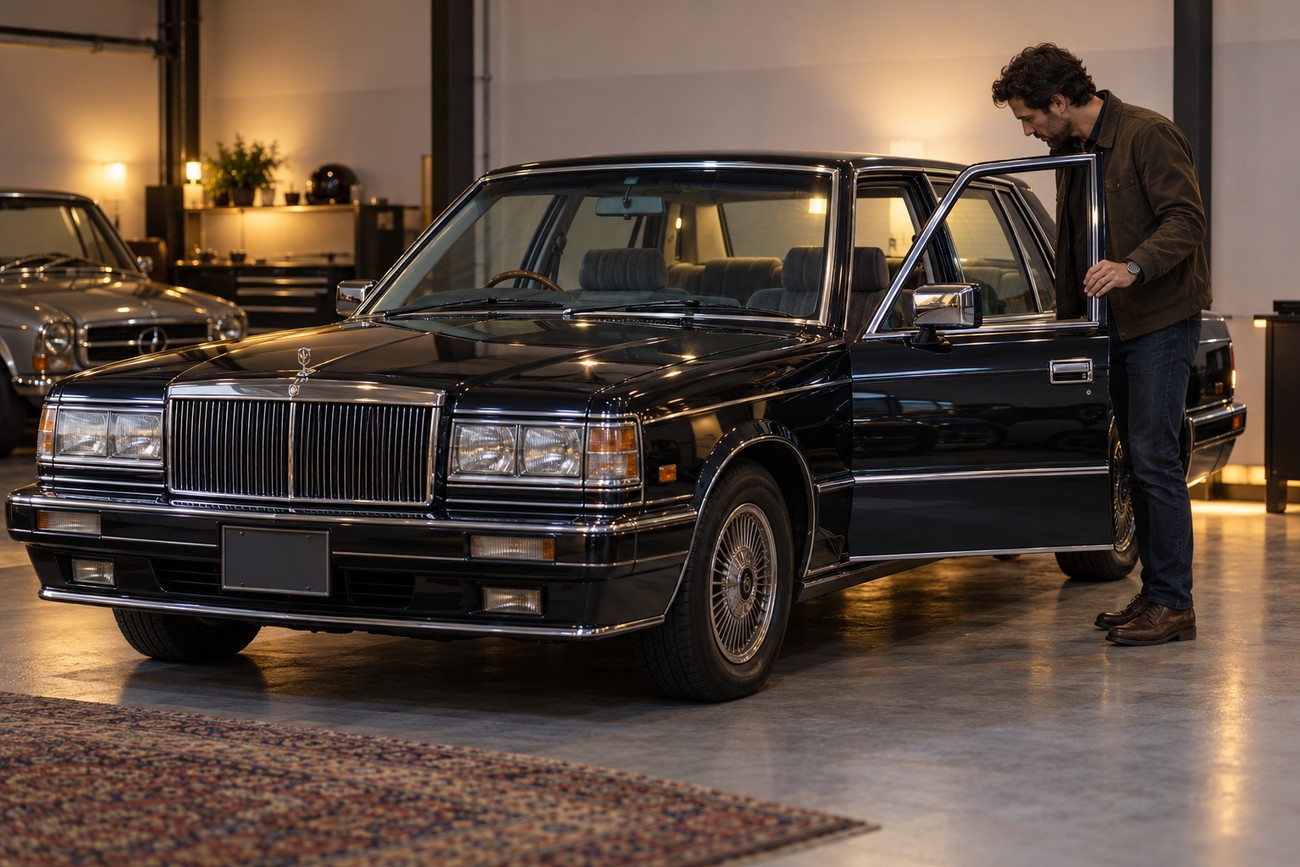
The Debonair can be a legitimate collector’s car, though rarity alone does not establish value. Its importance lies in Mitsubishi’s conservative attempt to enter the executive-sedan market and maintain a formal flagship without radical changes. That story gives the model historical character, particularly in its home-market context.
Collectors generally care more about the original interior, factory equipment, preserved materials, and overall integrity than about the model year alone. A correct cabin, period controls, original trim, and functioning factory options can distinguish a meaningful example from a large old sedan wearing fresh paint. Cosmetic perfection has less importance when it has been achieved through replacement materials or undocumented modifications.
A lightly worn, convincing survivor may appeal more than a heavily rebuilt car. Factory patina can show that the materials and fittings have remained together, while a full modernization may remove the details that make the Debonair historically useful. This does not make every unrestored car desirable: structural rust, unsafe repairs, and missing equipment remain serious liabilities.
Liquidity is another limitation. In markets where the model is little known, resale is weaker than for a Toyota Crown or from the perspective of specialists with hands-on experience sound. The right buyer is someone seeking historical character, quiet status, and a distinctive ownership project. The wrong buyer is someone seeking cheap luxury, effortless parts access, or quick resale.
Frequently asked questions
Which Mitsubishi Debonair generation is the safest choice for a first-time owner?
The safest choice is the best-preserved example with the strongest documentation, regardless of generation. The S20 offers the greatest historical appeal and can have a simpler mechanical character in early form, but its age, structural condition, and parts scarcity demand careful inspection. A later V/W or S40 may provide more equipment and a more contemporary driving environment, yet electronically controlled comfort systems and aging V6-related components add complexity.
For a first-time owner, a car with a known maintenance history, an intact cabin, and local specialist support is preferable to a theoretically superior trim imported without records. A pre-purchase inspection should establish whether the car is usable before its collector significance is considered.
How can you tell whether a Debonair is genuinely original?
Check the cabin first. Matching seat materials, door panels, carpets, dashboard surfaces, switchgear, factory trim, and period equipment are stronger evidence than a glossy exterior or a low odometer reading. Compare the car’s equipment with its claimed generation and trim, and look for consistent aging across the interior rather than a mixture of restored and improvised parts.
Under the hood and beneath the dashboard, look for non-factory wiring, unusual connectors, relocated controls, engine-swap evidence, cut brackets, and repairs that do not follow the original layout. Paintwork can be renewed easily; an intact combination of factory materials and correctly integrated equipment is much harder to recreate.
What should an overseas buyer confirm before importing a Debonair?
Confirm the car’s chassis and ownership documents, export eligibility, specification, parts availability, shipping arrangements, and local certification requirements before paying a deposit. Ask whether the vehicle can be registered under local rules, including taxation based on engine size or age. A car that cannot be economically certified may become unusable regardless of its mechanical condition.
Obtain a realistic transport and repair estimate that includes port charges, insurance, storage, customs work, and likely corrective repairs. It is also sensible to identify a local workshop familiar with older Mitsubishi systems and establish a source for body, trim, and electrical parts before the car leaves its original market.
Why is the Debonair less liquid than a Toyota Crown or Nissan Cedric?
The Debonair has weaker name recognition outside Japan and a smaller enthusiast network. That reduces the number of informed buyers, specialists, reference cars, and used parts available when an owner decides to sell. A mechanically sound example may therefore take longer to find the right buyer than a similarly priced Crown or Cedric.
Low liquidity affects pricing as well as selling speed. The car’s value depends heavily on originality, documentation, and local interest, while its maintenance costs remain tied to its rare components. Buyers should purchase because they want the Debonair’s specific history and character, with resale treated as uncertain rather than guaranteed.







