
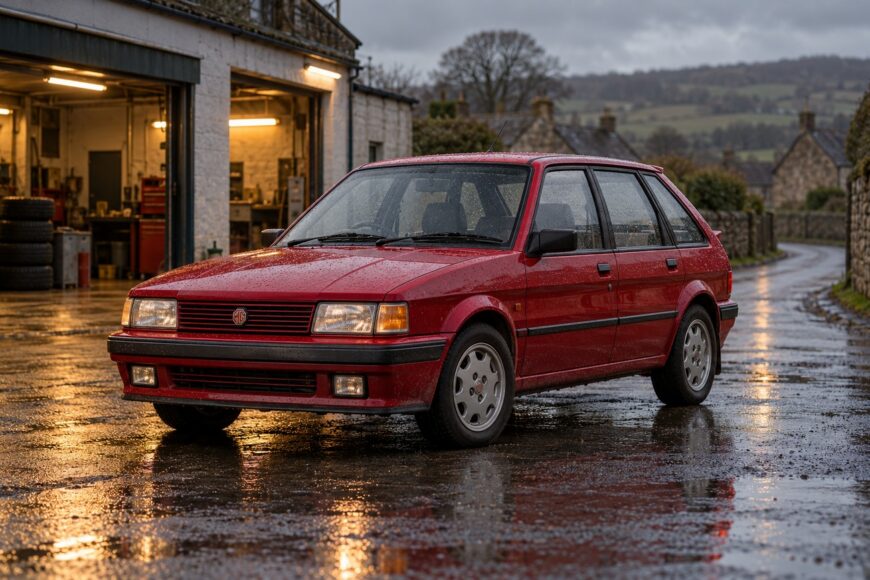
A lightweight British hatchback from 1989 with roughly 150 hp sounds entertaining; the MG Maestro Turbo makes the description sound faintly dangerous. Its 2.0-liter O-Series engine, Garrett T3 turbocharger, and low curb weight gave it performance that still looks serious on paper.
The conflict lies in the ownership reality. This is a rare collectible with carburetor-fed turbocharging, noticeable lag, rough manners, and uncertain condition across the surviving cars. Its reputation deserves judgment through period road tests, engineering details, and inspection risks rather than a single headline horsepower figure.
- What Made the MG Maestro Turbo Special
- MG Maestro Turbo: The Numbers That Actually Matter
- Why It Feels Brutal Rather Than Modern
- The Hidden Costs of Owning One Today
- How Buyers Get the MG Maestro Turbo Wrong
- The Myths Behind the Maestro Turbo’s Reputation
- Frequently asked questions
- Was the MG Maestro Turbo a good car?
- What is the most famous hot hatch?
- What is the most famous MG car?
- Why is the MG Maestro Turbo so rare today?
What Made the MG Maestro Turbo Special
The MG Maestro Turbo was built in Britain and produced from 1989 to 1991, after its first public appearance at the Birmingham Motor Show in October 1988. That timing matters: the car arrived near the end of the carbureted turbo hot-hatch era, just before electronic engine management became the normal route to sharper response and easier emissions control.
Only 505 cars were built. That production total places the Turbo in a different category from an ordinary sporting trim level, although rarity alone does not guarantee quality. Many surviving examples have had hard lives, modifications, or long periods of neglect.
Tickford body styling gave the Turbo its period-specific identity, with distinctive exterior treatment and factory colors including red and green. Those details matter to collectors because an original body specification, color, and documented identity can be more valuable than a later conversion carrying a larger turbocharger or a louder exhaust.
A regular 2.0-liter Maestro is not automatically a Maestro Turbo. The genuine car combines the turbocharged engine specification with its related trim, body styling, and provenance. A credible history file, correct components, and evidence of factory identity should therefore be treated as part of the car, rather than as paperwork added after the mechanical work.
MG Maestro Turbo: The Numbers That Actually Matter
The figures vary slightly between professional catalog-style data, period testing, and online aggregators. The period road-test result is especially useful because it shows what a correctly functioning car achieved in real conditions, while catalog figures describe the specification more generally.
| Item | Reported specification |
|---|---|
| Production period | 1989–1991 |
| Production total | 505 cars |
| Engine | 2.0-liter O-Series inline-four, mounted transversely at the front |
| Induction | Carburetor-fed turbocharging |
| Turbocharger | Garrett T3 |
| Power | 150 hp at 5,100 rpm in professional catalog-style data; 152 hp in some aggregators |
| Peak torque | 229 Nm at 3,500 rpm |
| Top speed | Approximately 206–210 km/h; a period road test recorded 128 mph, approximately 206 km/h |
| Acceleration | Approximately 6.5–6.9 seconds in reported sources; about 6.8 seconds from 0–60 mph in the period test |
| Curb weight | Approximately 1,070–1,087 kg |
Why It Feels Brutal Rather Than Modern
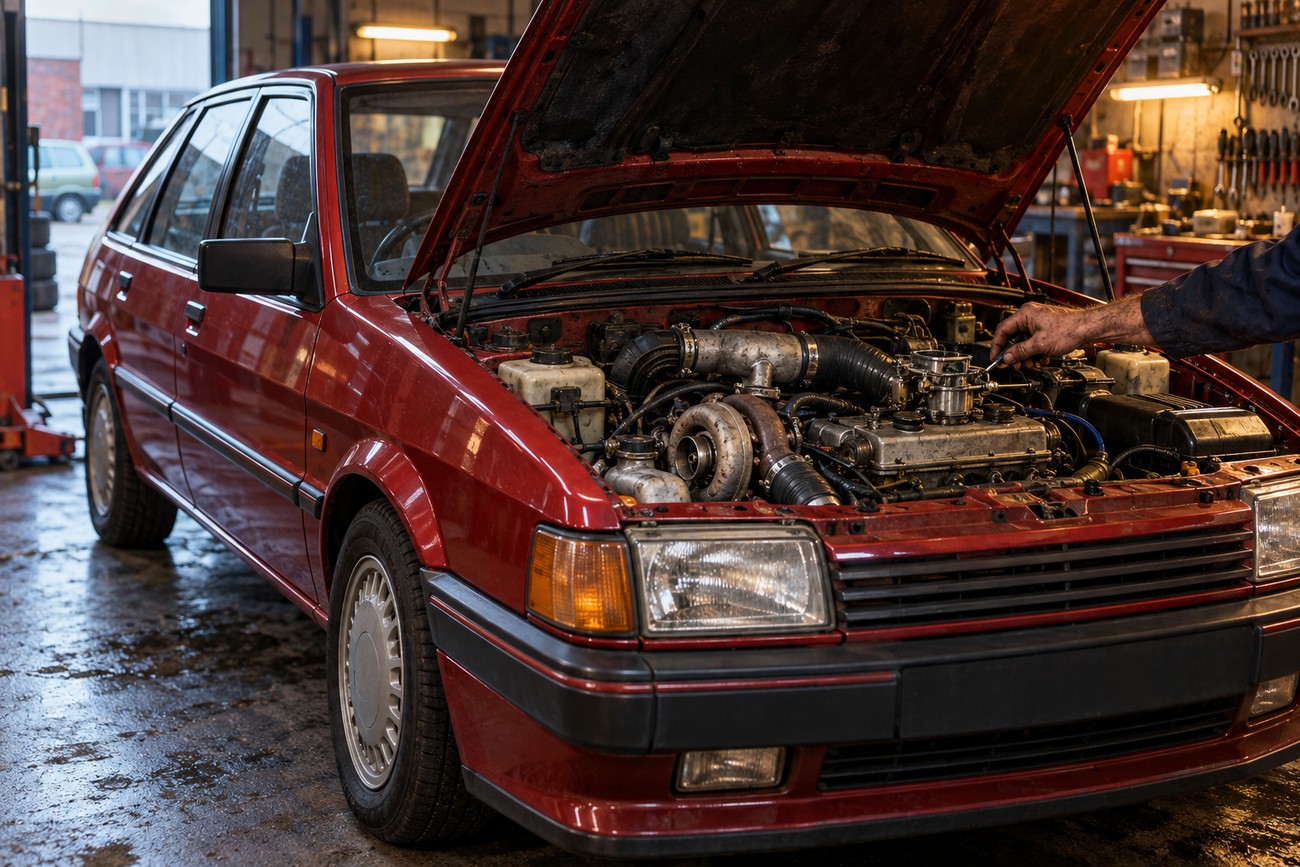
The Garrett T3 and carburetor combination creates noticeable turbo lag. Throttle response can feel subdued before the turbocharger builds boost, followed by a more forceful surge as the engine reaches its working range. That delay is central to the car’s character and can make an apparently healthy Maestro feel slower around town than its performance figures suggest.
Calibration is crucial. Carburetor settings, boost behavior, and ignition-related adjustments need to work together, and a car that has been altered without a coherent setup can develop poor response, uneven drivability, or disappointing performance. The engine’s quoted output tells you little about the quality of that relationship.
Rear drum brakes underline the car’s period limitations: the powertrain could deliver serious pace, while the chassis and braking hardware still belonged to an earlier generation of performance hatchbacks.
Noise, vibration, and a generally raw platform make the Maestro feel mechanical in a way modern hot hatches rarely do. The period chassis can be enjoyable on a clear road, yet it offers less refinement and stability under high load. The 128 mph road-test result and approximately 6.8-second 0–60 mph time explain the car’s pace; they do not promise modern composure.
The Hidden Costs of Owning One Today
Carburetor and boost tuning are the first areas to investigate. A modified airbox, altered boost control, or poorly adjusted carburetor can leave the car running worse than its original specification. Correct diagnosis may require specialist knowledge and patience, especially when replacement components are scarce.
The cooling system deserves close inspection. Check for leaks, aged hoses, signs of overheating, and evidence that previous owners treated the system as routine maintenance rather than as a critical part of a turbocharged car. A cooling fault can quickly turn an enjoyable recommissioning project into a much larger engine repair.
Brake and suspension wear is significant on any example that has been driven hard. Inspect the rear drum brakes, front braking hardware, dampers, bushes, steering components, and mounting points rather than assuming that a clean exterior indicates a sound chassis.
Hidden corrosion is another serious inspection risk, particularly around structural areas and suspension or drivetrain mounting points. The limited production run also makes original parts and suitable replacements difficult to source. Budgeting for custom or specialist solutions should form part of the purchase decision.
Scarcity changes the economics of ownership. A cheap car may need rare trim, correct Turbo components, cooling-system work, and structural repairs before it becomes usable. A more expensive example with documented identity and preserved factory specification can represent better value if its condition has been properly verified.
How Buyers Get the MG Maestro Turbo Wrong
Horsepower claims are a poor starting point. The commonly quoted figure is 150 hp, while some aggregators list 152 hp; neither number confirms that a particular car is healthy. Compression, boost behavior, oil condition, cooling performance, and carburetor calibration provide far more useful evidence.
A proper inspection should include a compression test and a careful assessment of how the engine builds boost under load. Look for hesitation, smoke, unstable running, overheating, and signs of improvised plumbing. A test drive should cover low-speed response as well as full-throttle acceleration, since a car can feel dramatic at peak boost while remaining badly calibrated elsewhere.
Authenticity requires more than a turbocharged engine in a Maestro shell. Check the Tickford body styling, interior and trim details, engine-bay arrangement, identification records, and the history of major replacement parts. A converted or mixed-specification car may still be enjoyable, though its collectability and future parts requirements are different.
Confusing a regular 2.0-liter Maestro with the Turbo is an expensive mistake. Verify the model through documentation and physical specification before paying a premium, then confirm that scarce original parts are present or realistically obtainable. The factory color and documented identity can matter as much as the headline performance figures.
The Myths Behind the Maestro Turbo’s Reputation
The 150-versus-152 hp argument is mainly a source problem. Professional catalog-style data gives 150 hp at 5,100 rpm, while some aggregators publish 152 hp. The difference does not establish a separate official version, and a collector should prioritize the correct specification for the car’s market and year.
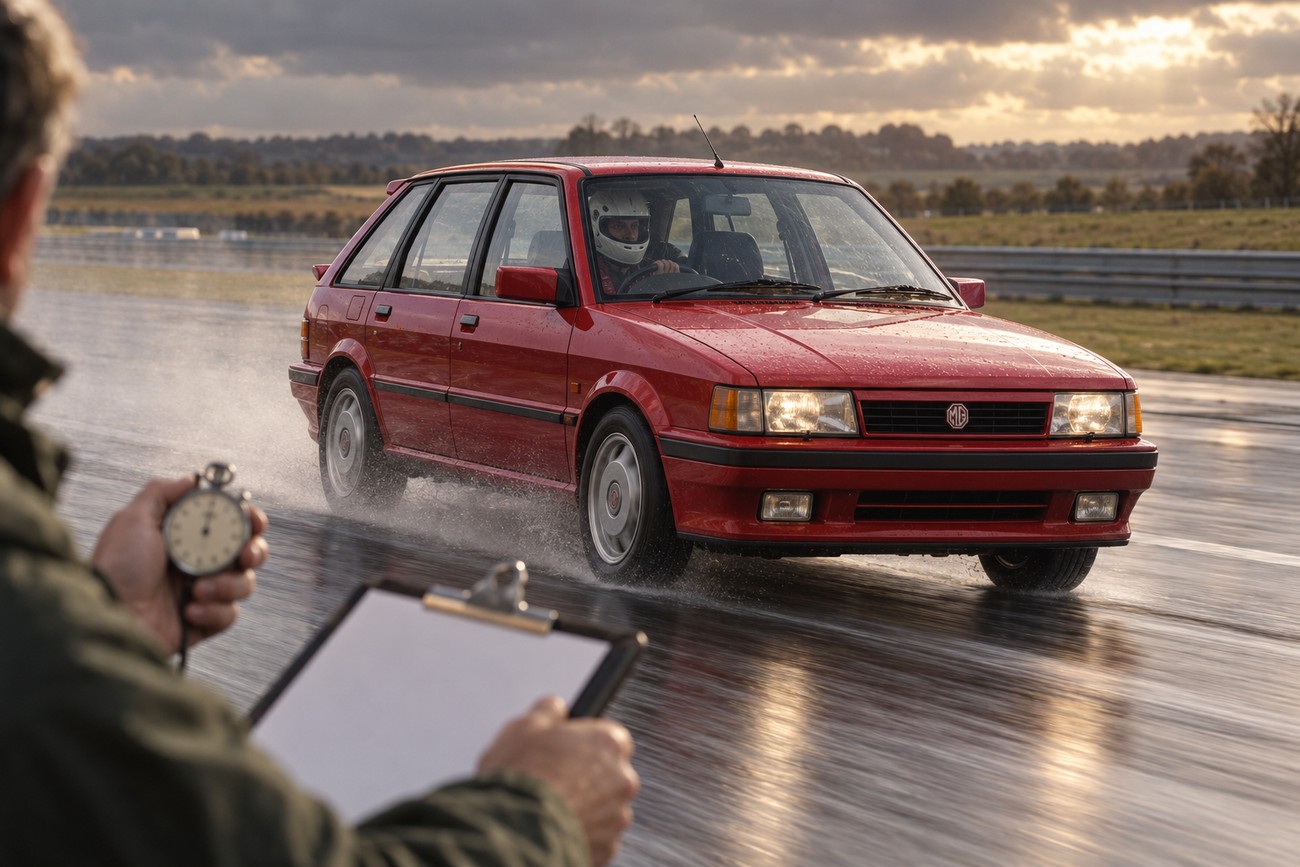
Acceleration claims also need context. Reported figures range from approximately 6.5 to 6.9 seconds, while the period Autocar/Performance Car test recorded about 6.8 seconds from 0–60 mph. Differences in test method, surface, temperature, driver technique, and vehicle condition can easily explain the spread.
Top-speed references cluster around 206–210 km/h, with the period test recording 128 mph, approximately 206 km/h. That road-test result is more informative than repeating a rounded catalog claim, although neither figure proves that every surviving car still produces its original performance.
The biggest myth is that the Turbo was simply a mass-produced Maestro with a turbocharger added. It was a rare, distinct specification built in Britain, with Tickford styling and only 505 examples produced. Its reputation is deserved for pace and character, while its rough refinement and specialist maintenance make the car a demanding enthusiast purchase.
Frequently asked questions
The MG Maestro Turbo appeals through its rarity, period performance, and distinctive engineering. Its drawbacks are equally important, especially for buyers considering a surviving example today.
These answers place the car’s reputation, collectability, and ownership demands in context.
They also distinguish the Turbo from more familiar MG models and mainstream hot hatches.
Was the MG Maestro Turbo a good car?
It was a good car for an enthusiast who values rarity, period performance, and mechanical involvement. The combination of low weight, serious turbocharged pace, and distinctive British identity gives a sound example real appeal.
It is a poor choice for anyone expecting quiet running, immediate throttle response, modern stability, or effortless daily use. Specialist maintenance, scarce parts, and the need to preserve correct calibration are central to ownership.
What is the most famous hot hatch?
The Volkswagen Golf GTI is usually the default mainstream answer because it established the hot hatch as a widely recognized performance-car category. Its name became associated with usability, balance, and broad cultural reach.
The MG Maestro Turbo occupies a different place. It is a rarer and more eccentric British alternative, remembered for its carbureted turbo punch and limited production rather than for becoming the standard reference for the entire class.
What is the most famous MG car?
The MGB is the MG model most widely associated with the marque. Its long production history and classic sports-car shape made it the brand’s best-known car for many international enthusiasts.
The Maestro Turbo matters as a specialist performance chapter in MG history. Its importance comes from the combination of Tickford identity, British construction, turbocharged pace, and scarcity, rather than from being the brand’s most familiar model.
Why is the MG Maestro Turbo so rare today?
Only 505 MG Maestro Turbos were built, so the surviving pool was limited from the beginning. These cars were also bought for performance, which increased the likelihood of hard use, modification, accident damage, and mechanical wear.
Parts scarcity has made long-term survival harder. Some cars require extensive recommissioning, specialist tuning, or custom replacement solutions before they can return to reliable road use. That in the view of practitioners in the sector







