
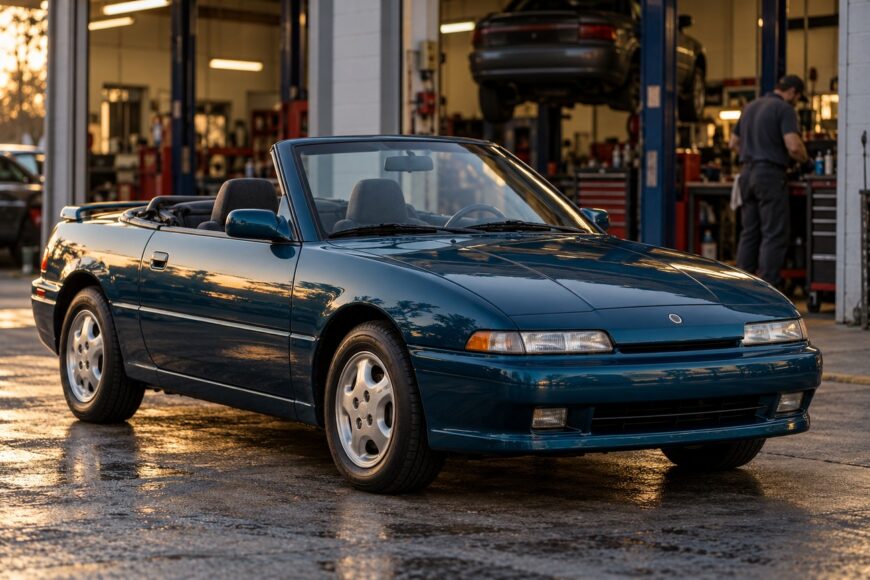
The Mercury Capri XR2 is an Australian-built North American export based on the Ford Capri Mk III, rather than an American Mustang with a different badge. Its appeal comes from a lightweight convertible body, a factory turbocharged engine, and a specification now uncommon enough to attract serious collector interest.
That appeal has a practical limit. Corrosion, scarce Capri-specific parts, aged fuel and cooling systems, and uncertain originality can turn an attractive example into a long restoration project. Condition, correct specification, and documentary evidence matter more than a polished photograph or a single performance figure.
- What the Mercury Capri XR2 Actually Is
- Engine, Gearbox, and Turbocharged Character
- Australian Construction, Rarity, and Factory Identity
- Buying Inspection: The Problems Photos Hide
- Ownership, Parts, and Returning One to Stock
- Originality, Value, and the Collector’s Decision
- Frequently asked questions
- What is the top speed of a 1991 Mercury Capri XR2?
- Was the Mercury Capri a good car?
- How much is a Ford Capri worth today?
- What is the value of a 1991 Mercury Capri convertible?
What the Mercury Capri XR2 Actually Is
The Mercury Capri XR2 was built in Australia for the North American market and was based on the Ford Capri Mk III. It belongs to the Capri family’s export history, with its own body, trim, equipment, and powertrain context. Describing it as a Mustang variant obscures the features that make the car interesting in the first place.
The distinction is important during a purchase inspection. The XR2 was a separate Capri specification, not an American Mustang with a different badge. Its lightweight convertible body and factory turbocharged powertrain gave it a character closer to a compact European-style performance car than to the larger American pony cars commonly associated with the Mercury name.
Factory identity is also where many surviving cars become difficult to classify. Some have received replacement engines, altered turbo plumbing, aftermarket trim, or cosmetic badges over the decades. A Capri wearing XR2 emblems is therefore not automatically a genuine factory XR2; the drivetrain, identification plates, equipment, and restoration history need to support the claim.
That distinction affects both enjoyment and value. A modified Capri may be a quick and usable driver, while an original or carefully documented XR2 is a different proposition for a collector. The two cars can look similar in photographs but require different buying decisions.
Engine, Gearbox, and Turbocharged Character
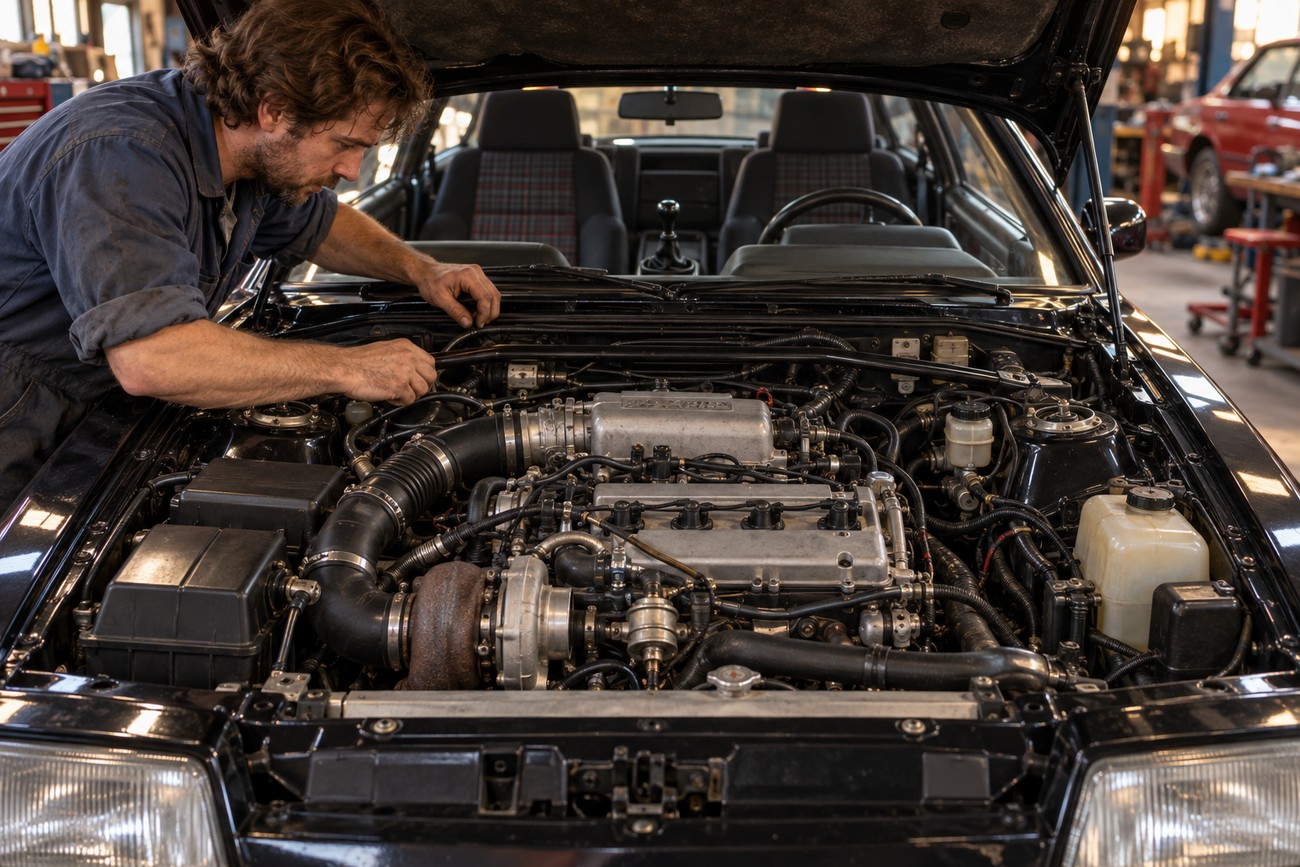
The XR2 uses a 1.6-liter turbocharged inline-four with electronic fuel injection. In commonly cited U. S. specification, output is approximately 132 hp. That figure gave the light Capri a lively period character, especially compared with naturally aspirated versions, without making it a modern high-performance car.
The typical factory transmission is a five-speed manual. An automatic was not the normal factory configuration for the XR2, so a claimed original car with an automatic transmission deserves careful investigation. The transmission itself is only one part of the check; engine identity, turbo hardware, intake plumbing, and supporting fuel and cooling components should agree with the claimed specification.
Turbo response can surprise drivers familiar with newer cars. Boost arrives later than many modern turbocharged drivers expect, and the Capri may feel soft at lower engine speeds before the turbocharger becomes effective. Once the boost arrives, the lightweight body makes the change in character noticeable, but the experience is about period response and momentum rather than instant acceleration.
A healthy example should still deliver a coherent driving experience: clean starting, stable idle, predictable boost, effective cooling, and a gearbox that selects each ratio without protest. Hesitation does not prove a major engine failure, but it should not be dismissed as a normal feature of an old turbo car. Vacuum leaks, deteriorated hoses, fuel-system faults, wiring problems, and non-stock boost settings can all change the way the engine behaves.
Australian Construction, Rarity, and Factory Identity
Australian assembly is central to the XR2’s identity. It also explains why restoration can be more demanding than the car’s compact size suggests. Many body, trim, sealing, and interior components are specific to the Capri Mk III or to export versions, and they are not broadly interchangeable with more common Ford parts.
Enthusiast sources generally describe the XR2 as a small and uncommon production model. No universally verified official worldwide total is established, however. Figures around approximately 1,000 examples appear in some enthusiast or isolated sources, but that number should be treated as a disputed estimate rather than confirmed factory production data.
Scarcity changes the meaning of a missing part. A damaged trim piece may not be something a parts store can replace, and a correct seal, interior component, or turbo-specific fitting may require patient searching or specialist fabrication. Improvised replacements can keep a car moving while making a later return to factory specification harder.
The export specification also gives small details unusual importance. Correct badges, identification plates, interior fittings, turbo hardware, and body components help establish what the car was when new. For a rare model with an incomplete archive trail, a consistent collection of physical evidence and restoration records is often more useful than a seller’s production-number claim.
Buying Inspection: The Problems Photos Hide
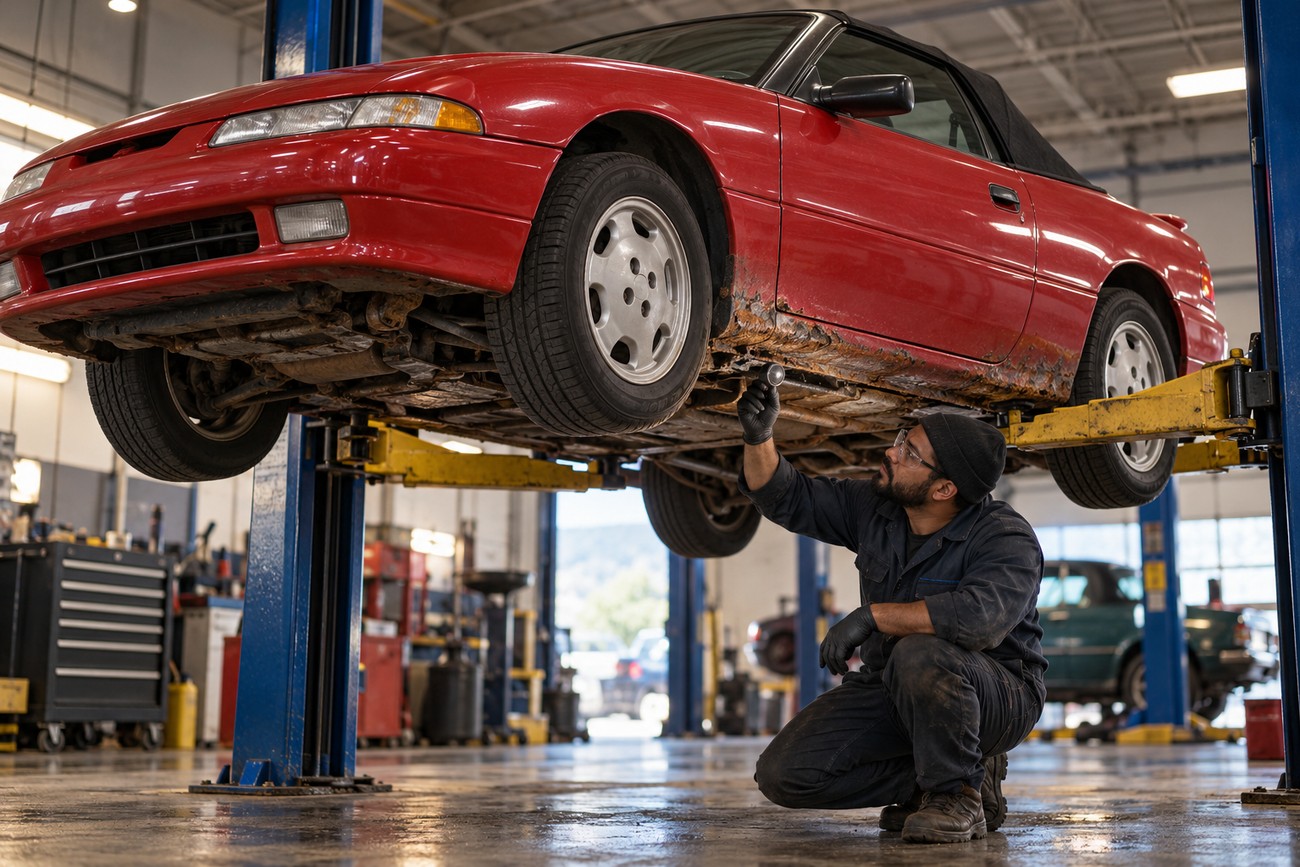
Start underneath the car, not with the paint. Hidden structural corrosion in the sills, wheel arches, floors, and areas around the glass is a primary risk, particularly on cars that have spent years outdoors or have undergone several repairs. Inspect the underside, lift carpets where possible, examine drain areas, and look for corrosion that has been covered rather than removed.
A clean exterior can conceal extensive welding, filler, or an incomplete restoration. Use a magnet where appropriate and a paint-thickness gauge if available, while remembering that neither tool replaces a careful visual inspection. Uneven panel gaps, overspray, fresh underseal, distorted seams, and changes in paint texture can indicate previous structural work or a hurried cosmetic repair.
Prioritize underside corrosion, repair quality, and non-stock turbo plumbing before discussing paint, mileage, or cosmetic appeal. A straight-looking body with poorly repaired structure will usually demand more attention than a tired finish on a sound shell.
Age-related systems deserve the same attention as the metal. Cooling hoses, the radiator, belts, fuel lines, vacuum hoses, wiring looms, and rubber mounts can all deteriorate even when the engine starts. Check for evidence of overheating, fuel smell, unstable idle, brittle insulation, amateur wiring, and replacement parts that do not suit a turbocharged application.
Past tuning is another hidden variable. Look for non-stock boost-control arrangements, improvised intake or intercooler-style plumbing, altered fuel components, disconnected vacuum lines, and clamps or hoses that appear to have been assembled without a consistent plan. Such changes may improve performance in one narrow condition while creating reliability, heat, and authenticity problems elsewhere.
A proper pre-purchase inspection should cover the VIN panels and identification plates, engine and transmission evidence, brakes, tires, steering, suspension, electrical operation, and the complete underside. A compression or leak-down test may help assess the engine, but it cannot compensate for a rotten shell or a missing factory turbo system. If the seller will not allow a lift inspection, the risk should be reflected in the decision.
Ownership, Parts, and Returning One to Stock
Ownership becomes easier when the car has a coherent history. Original body panels, seals, interior pieces, and turbo-specific mechanical parts can be difficult to locate, so a small fault may become a sourcing problem rather than a simple repair. Owners often need to search across specialist networks, dismantles, club contacts, and international listings.
An XR2 that has been stored for a long time should receive a systems review before regular driving. Irregular running after storage may come from old fuel-system components, vacuum leaks, wiring faults, degraded rubber, or contaminated fuel rather than one obvious engine defect. Replacing a single hose while leaving the rest of the aged system untouched can create a misleading sense of completion.
Cooling and fuel-system work should be treated as fundamental maintenance on an aging turbo convertible. A leaking hose, restricted radiator, weak fuel component, or incorrect mixture can produce drivability problems and increase the risk of engine damage. Tires and brakes also deserve attention before performance testing, regardless of how strong the car feels on a short drive.
Returning a modified example to stock specification can cost more than expected. Missing trim, altered wiring, substitute turbo hardware, and swapped engines or transmissions may each be repairable, yet finding the correct parts and documenting the original arrangement can take substantial time. A mechanically improved modified car may be the sensible choice for driving, but it is rarely the easy route to collector-grade originality.
Originality, Value, and the Collector’s Decision
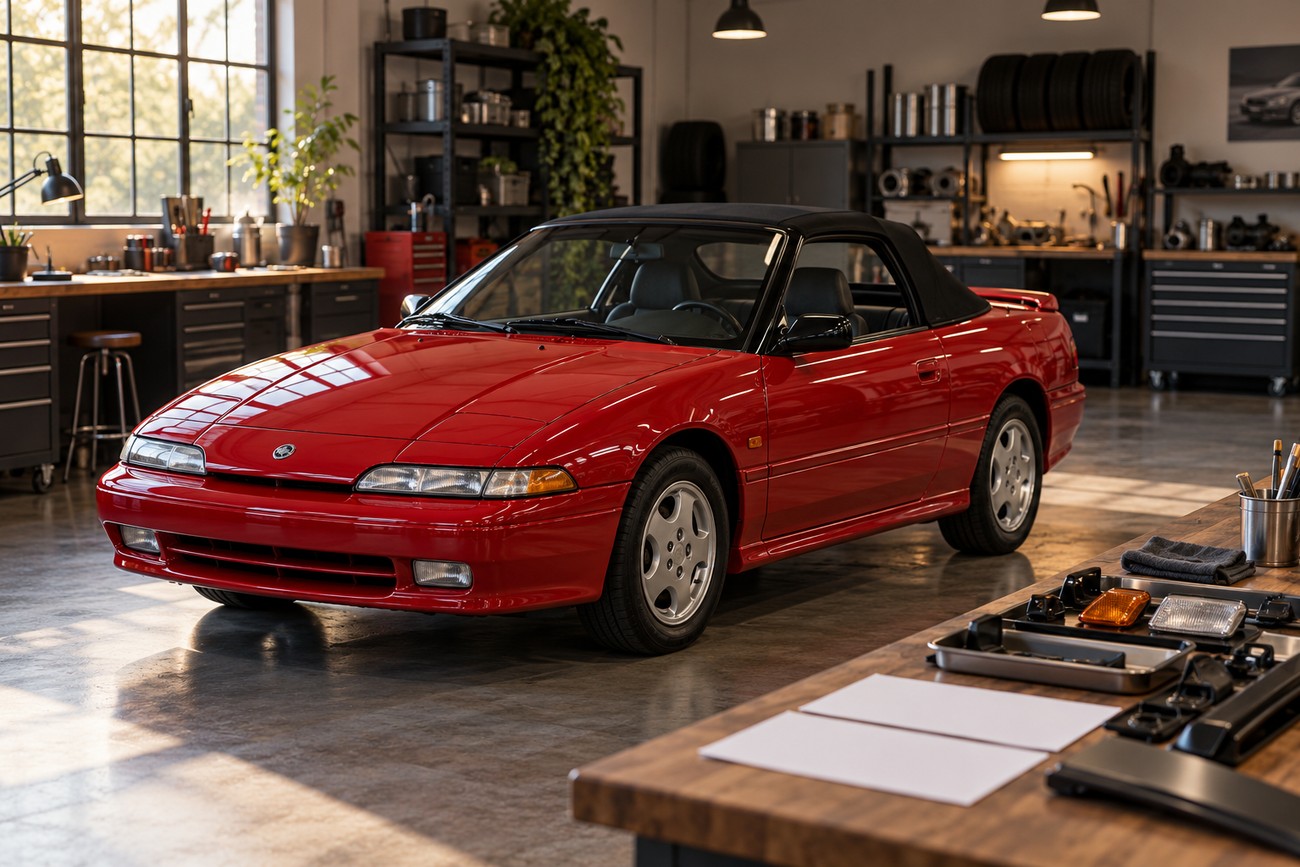
Collectors generally judge a Capri XR2 by more than mileage. Originality, documented history, structural condition, correct specification, and the quality of any restoration usually carry greater weight. A low odometer reading does not establish that the shell is sound or that the engine, transmission, and turbo system are the units fitted when the car was built.
Factory turbo hardware, correct trim and interior details, badges, identification plates, and credible drivetrain evidence all contribute to desirability. Restoration photographs, invoices, inspection reports, and records of previous ownership can help explain what has been replaced and what remains original. The strongest documentation is consistent with the physical car rather than relying on one isolated label or seller description.
Engine or transmission swaps can reduce collector value even when they improve drivability. That does not make a swapped car worthless; it changes the category of the purchase. A buyer seeking a usable weekend convertible may prefer reliable upgrades, while a collector comparing factory examples will usually place greater value on correct components and traceable restoration work.
Rarity makes verification especially important. Because production totals are not universally confirmed and some cars have been converted or rebadged, an asking price should be considered alongside the evidence supporting the car’s identity. The most convincing example is usually the one with a sound structure, correct export specification, factory turbo equipment, and a transparent record of repairs.
Frequently asked questions
What is the top speed of a 1991 Mercury Capri XR2?
There is no single dependable top-speed figure that applies to every 1991 Mercury Capri XR2. Period results can vary with gearing, test method, tires, weather, fuel, and whether the car was mechanically healthy. A worn turbo system, restricted exhaust, slipping clutch, poor fuel delivery, or incorrect boost control can make an otherwise similar car perform very differently.
Published figures should therefore be treated as period test context rather than a guarantee for an individual car. For a buyer, stable cooling, correct boost behavior, a healthy engine, and a properly functioning five-speed manual are more useful indicators than a claimed maximum speed.
Was the Mercury Capri a good car?
The Capri can be a good car for an owner who values a light convertible with distinctive turbocharged character and accepts the responsibilities of an older, uncommon vehicle. The XR2 offers a more engaging period experience than its modest displacement might suggest, and its compact size makes the performance feel meaningful at ordinary road speeds.
Reliability depends heavily on maintenance and previous repairs. Corrosion, scarce parts, aged hoses and wiring, cooling faults, and old modifications can outweigh the car’s enjoyable qualities. It is best considered a rewarding specialist classic when properly inspected and maintained, rather than a low-effort modern commuter.
How much is a Ford Capri worth today?
Broad Ford Capri asking prices cannot be transferred directly to an Australian-built Mercury Capri XR2. The cars differ in market position, specification, rarity, and availability, while advertised prices also vary by country and by whether the car is actually a genuine XR2.
A premium is easier to justify when the car has a sound structure, correct factory turbo hardware, matching or credible drivetrain evidence, correct trim, and documented restoration. A modified or poorly documented example may be worth substantially less to a collector even if it drives well. Current market location and completed-sale evidence are more useful than relying on a generic Capri price guide.
What is the value of a 1991 Mercury Capri convertible?
Model year alone is insufficient to establish the value of a 1991 Mercury Capri convertible. First classify the car by structural condition, then verify whether it is an authentic XR2 specification, a standard Capri, or a later conversion. Engine and transmission identity, factory turbo equipment, identification plates, body repairs, and restoration records should all be considered.
A practical classification is straightforward: a rusty project with uncertain identity, a usable driver with documented limitations, a sound and correctly specified car, or a carefully restored example with strong evidence of originality. Mileage can refine that assessment, but it should not replace inspection of the shell and verification of the car’s factory configuration.







