
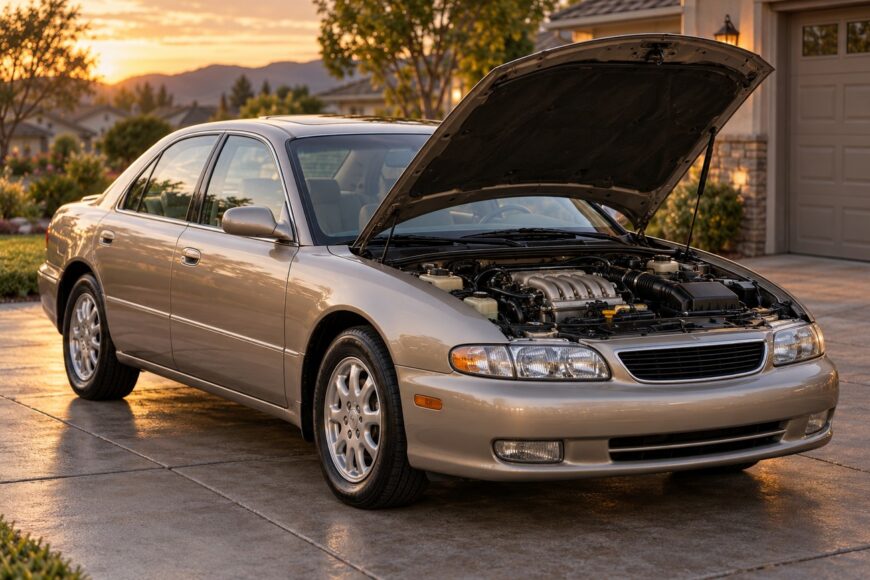
The Mazda Millenia S is an unusually engineered luxury sedan, and decades of use make that engineering a buying risk as well as an attraction. Its Miller-cycle V6 is the reason to seek out the S, yet the engine’s mechanical supercharger and specialized components also demand a closer inspection than a badge or brief test drive can provide.
This is a front-wheel-drive, four-door sedan whose appeal lies beneath an understated body. The 2.3-liter KJ-ZEM V6 gives the S a distinct identity within the Millenia range, rather than simply a stronger specification sheet. For a used-car buyer, the useful question is how well that particular engine—and the rest of the aging car—has been maintained.
- What Makes the Millenia S Different
- How the Miller-Cycle V6 and Supercharger Work Together
- Power, Fuel Use, and the Gap Between Specs and Expectations
- The Ownership Costs Hidden by a Rare Engine
- How to Inspect a Millenia S Before Buying
- Who Should Choose the Millenia S?
- Frequently asked questions
- How can you verify that a used Millenia is an S?
- What should you ask a repair shop before booking KJ-ZEM work?
- How should you assess a low-mileage claim on an older Millenia S?
What Makes the Millenia S Different
The Mazda Millenia S is a front-wheel-drive, four-door sedan fitted with the 2.3-liter (2,255 cm³) KJ-ZEM V6. Its defining feature is Miller-cycle intake-valve timing paired with a mechanical supercharger. An S badge matters because it points to this specific powertrain, rather than merely different exterior trim.
The wider Millenia range included 2.0–2.5-liter engines rated at roughly 160–220 hp. Those figures describe the range, not every S, and not every Millenia has a Miller-cycle engine. If you are comparing used listings, identify the installed engine before applying an S specification—or an S maintenance concern—to another Millenia.
Its four-door layout and restrained appearance make the S easy to mistake for an ordinary older sedan. That can be useful if you want distinctive engineering without conspicuous styling, but it also means a quick walkaround reveals little about its mechanical condition. A complete service file has more value than a tidy badge.
The supercharged V6 is therefore both the model’s selling point and the boundary of the buying decision. Someone seeking straightforward transport may find a conventional engine easier to support. Someone drawn to the S’s unusual design needs to assess whether a particular car still delivers that experience without carrying unresolved work.
How the Miller-Cycle V6 and Supercharger Work Together
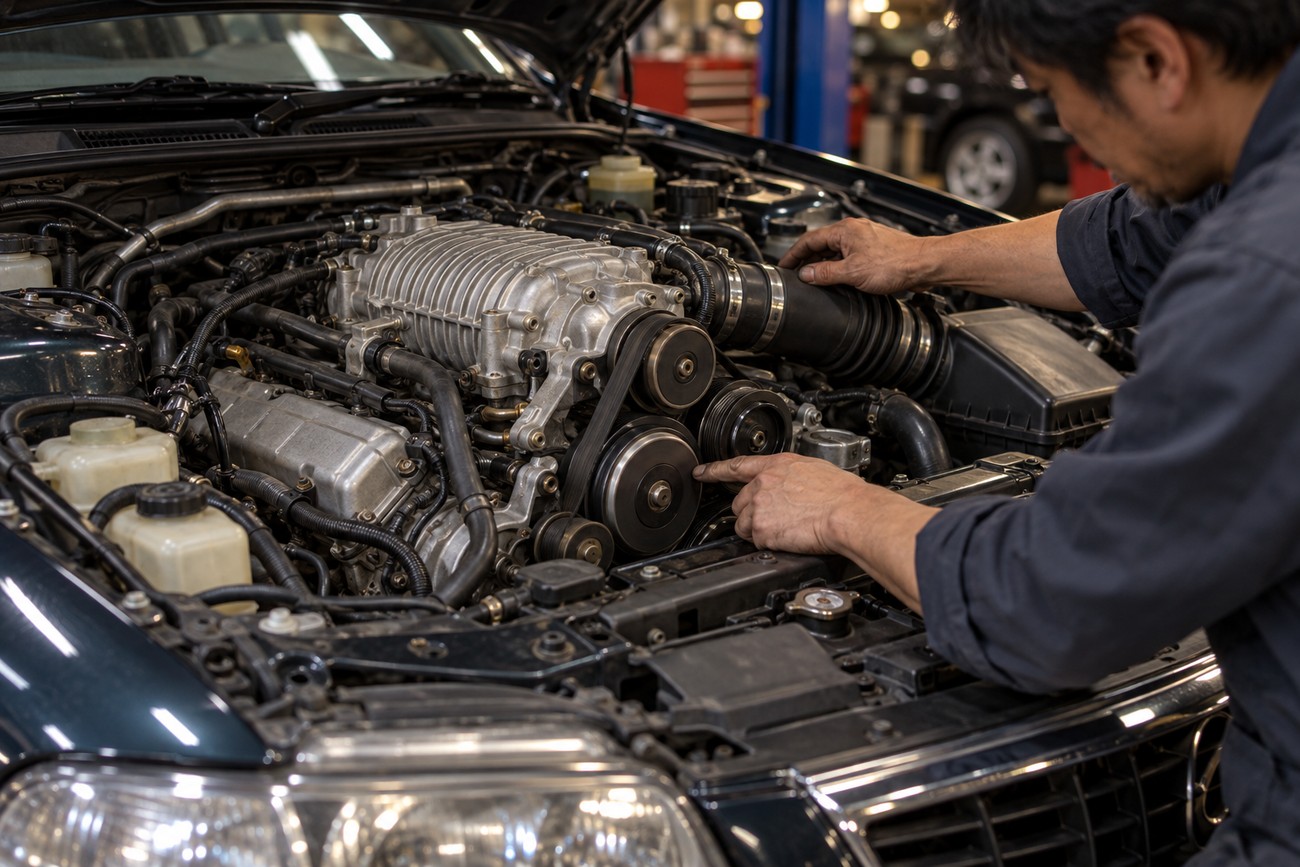
The KJ-ZEM combines Miller-cycle intake-valve timing with a mechanical supercharger. In simple terms, its intake valves remain open later than they would in a conventional cycle. That changes how much of the incoming charge is effectively compressed while allowing the engine to retain a longer expansion phase relative to effective compression.
Left on its own, that valve timing would reduce the charge trapped in the cylinders and limit output. The mechanically driven supercharger helps supply the air needed to recover usable power. The two features belong to the same design strategy; describing this engine as an ordinary V6 with a supercharger added misses why its valve timing matters.
Published output is approximately 210–220 hp and 280–290 N·m. Horsepower listings include 210, 211, and 220 hp depending on the source, so a single figure should not be treated as a universal rating for every listing. These numbers establish the engine’s intended performance, not the output of a particular used car.
Efficiency is part of the Miller-cycle concept, but it is no guarantee of low fuel bills. The supercharger makes the unusual timing practical in this sedan, while adding components that require informed diagnosis and upkeep. Understanding that trade-off is more useful to a buyer than treating “Miller cycle” as a stand-alone economy label.
Power, Fuel Use, and the Gap Between Specs and Expectations
Some catalogs list 11.8 L/100 km city and 8.4 L/100 km highway for the Millenia S. Those are published figures, not promised results from an aging example. Driving conditions, maintenance, and the condition of the engine and its supporting systems can all affect what you see between fill-ups.
The 2.3-liter displacement can also create the wrong expectation. In city traffic, a supercharged luxury sedan still consumes fuel while idling, accelerating, and moving its weight from stop to stop. The Miller-cycle design does not turn the S into an economy car, and the catalog’s city figure is already a reason to budget carefully.
Original power ratings have limited value if a car runs poorly or has been serviced inconsistently. A smooth, properly assessed example is a sounder basis for a decision than a disputed horsepower number. Likewise, published performance claims cannot substitute for checking how the actual engine and transmission behave.
The Ownership Costs Hidden by a Rare Engine
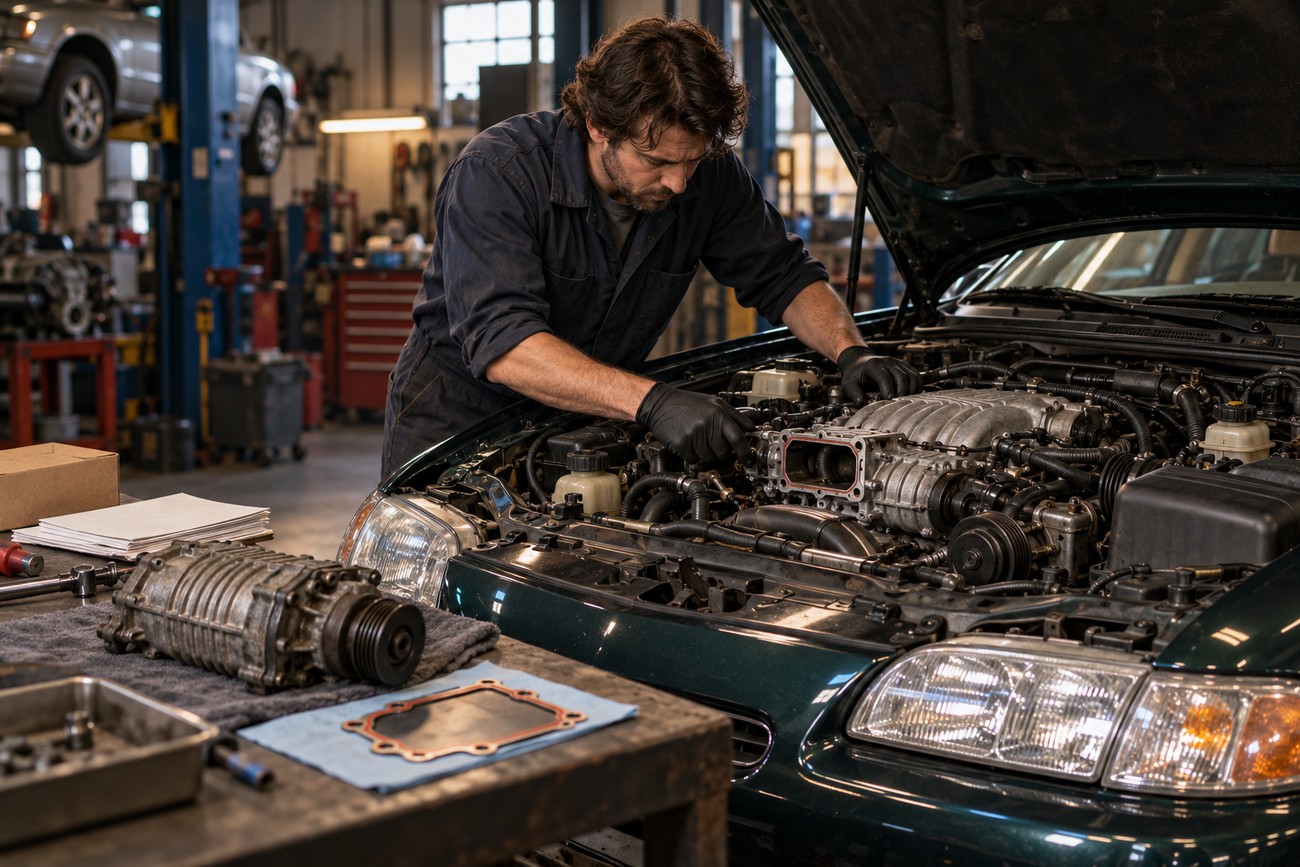
The KJ-ZEM’s Miller-cycle timing and mechanical supercharger can make diagnosis and some repairs more specialized than work on a common naturally aspirated V6. Before buying, consider whether a suitable repair shop and KJ-ZEM-specific parts are accessible where you live. A repair that is technically manageable may still leave the car waiting for parts.
Rarity also changes how you should read a maintenance record. Receipts showing what was replaced, when, and with which parts offer more reassurance than a seller’s broad claim that the car has been “looked after.” If important work is undocumented, the uncertainty belongs in your ownership plan even when the engine feels healthy.
The rest of the sedan has aged alongside its unusual V6. Cooling components, rubber parts, accessories, and electrical equipment all deserve attention, including on a car with an attractive exterior. Several modest age-related jobs arriving together can affect the ownership experience as much as one specialized engine repair.
A rare specification is not automatically a trouble-free collectible. It may be harder to find a suitable replacement component or someone familiar with diagnosing a fault. The condition of an individual Millenia S, supported by records and a careful inspection, matters more to likely ownership costs than its original power rating.
How to Inspect a Millenia S Before Buying
Start by confirming that the car matches its description. Compare its documentation with the installed engine and its identification: the S uses the 2.3-liter (2,255 cm³) supercharged Miller-cycle KJ-ZEM V6. Then review dated maintenance records, looking for specific work rather than accepting an S badge or a general assurance of regular servicing.
Establish the timing-belt service history next. Ask for evidence of completed work and related items recorded on the same invoice; an undocumented claim is less useful than a dated, itemized record. Since the supplied information does not establish a service interval, avoid assuming that mileage alone settles whether this work is current.
A normal short drive cannot establish the condition of supercharger-related components or confirm that timing-belt work was done. Records and a focused inspection answer different questions, and both matter before committing to the car.
Have a shop assess the supercharger and its related systems, especially if there are symptoms or gaps in the history. Check the cooling system and look for deterioration in rubber parts, accessories, and electrical equipment. During the drive, note how the transmission engages and shifts, without treating one car’s behavior as proof of a model-wide defect.
If the history is incomplete or a symptom remains unexplained, seek an assessment from someone familiar with the KJ-ZEM before agreeing to buy. The purpose is to identify material uncertainty and the work it may imply. A clean-looking cabin and a brief, pleasant drive are useful observations, but neither closes those gaps.
Who Should Choose the Millenia S?
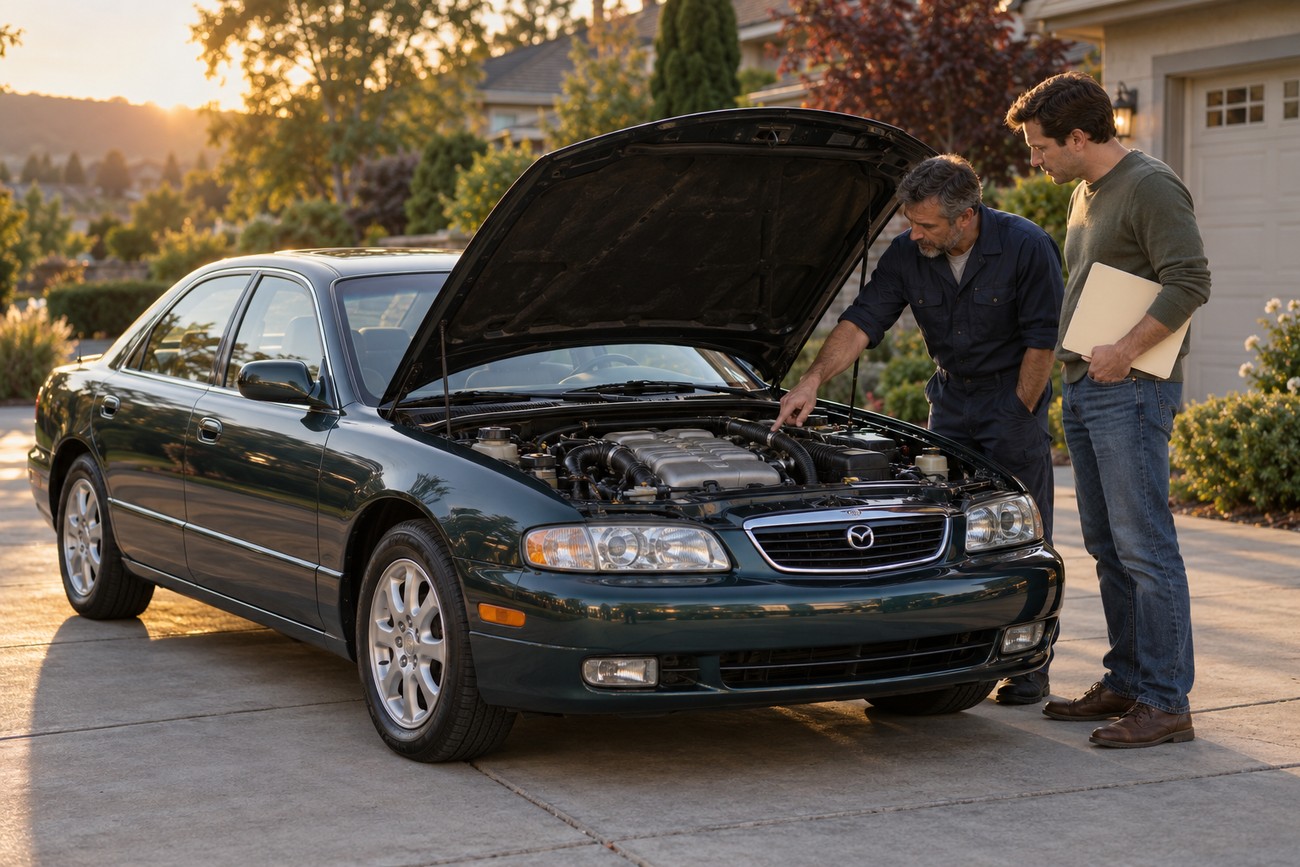
The Millenia S suits a buyer who values unusual engine design and is prepared to maintain it deliberately. Its supercharged Miller-cycle KJ-ZEM is the reason this version stands apart, but it also makes access to knowledgeable service and suitable parts part of the purchase decision.
If you need uncomplicated daily transport, an example with missing records or unresolved symptoms is difficult to justify on its original specifications alone. The engine’s approximately 210–220 hp rating says little about how a particular car has aged. Even a well-presented sedan may need attention beyond its distinctive powertrain.
A promising S has a verifiable identity, credible maintenance records, and an inspection that leaves you comfortable with the engine, supercharger, and wider condition. You should also be able to tolerate possible parts delays. Choose the individual car whose condition and support you can verify, rather than buying—or rejecting—every Millenia S on rarity alone.
Frequently asked questions
Before buying, confirm the car’s identity, assess its maintenance history, and plan for specialized repairs. Documentation shows what work has been recorded, while an inspection helps establish the car’s current condition. If the records and physical evidence disagree, resolve the discrepancy before committing.
How can you verify that a used Millenia is an S?
Compare the car’s documentation with the installed engine and its identification, looking for the 2.3-liter KJ-ZEM V6 that defines the S. Do not rely on exterior badging alone. If the paperwork and engine identification disagree or cannot be checked confidently, resolve that discrepancy before using S specifications to judge the car.
What should you ask a repair shop before booking KJ-ZEM work?
Ask whether the shop has worked on the KJ-ZEM and can assess its supercharger-related systems, what the initial diagnostic work will cover, and how it will source engine-specific parts. Clarify how the estimate will change if inspection reveals additional work, so an uncertain diagnosis does not become an open-ended authorization.
How should you assess a low-mileage claim on an older Millenia S?
Compare the reading with dated service records and the car’s physical condition, including wear, aging rubber, and evidence of maintenance. A low reading does not show how the car was stored or whether time-sensitive work was done. Gaps in the record call for closer inspection, even if the displayed mileage appears plausible.







