
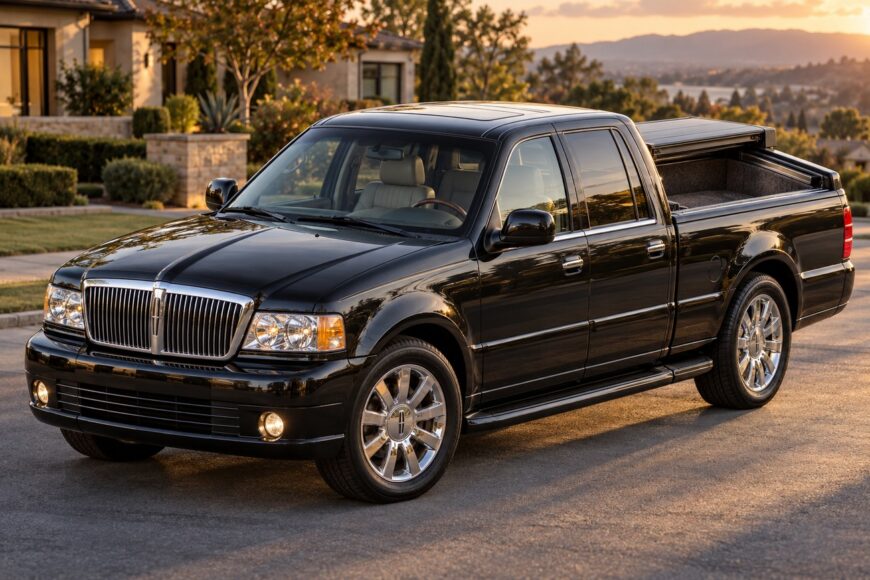
The Lincoln Blackwood has the presence and hardware of a full-size luxury vehicle, yet its carpeted, short cargo compartment limits the work it can actually do. The result is a truck-shaped vehicle whose most memorable feature is also its greatest practical compromise.
That makes the Blackwood a choice between distinctive luxury and usable truck practicality. Its V8, towing rating, and substantial chassis suggest conventional pickup capability, while the enclosed bed, powered cover, and swing-out doors suit protected cargo and lifestyle use far better than hay, firewood, soil, or dirty tools.
- What the Lincoln Blackwood Was Built to Be
- Lincoln Blackwood Specs: Capability Versus Compromise
- The Carpeted Bed Is the Blackwood’s Defining Weakness
- Powered Cargo Cover, Swing-Out Doors, and the Systems That Matter
- Towing, Payload, Snow, and Everyday Driving
- Buying a Used Lincoln Blackwood: What to Inspect First
- The Biggest Lincoln Blackwood Myths
- Frequently asked questions
- How much does a Lincoln Blackwood cost?
- How rare is the Lincoln Blackwood?
- Why was the Lincoln Blackwood discontinued?
What the Lincoln Blackwood Was Built to Be
The Lincoln Blackwood was built as a luxury-oriented cargo vehicle for the 2002 model year, which was its only model year. Specialist reference material lists approximately 15,000 vehicles, although that production estimate comes from one specialist reference source. Its rarity today adds appeal while also making unusual parts and repairs more consequential.
Its architecture combined Navigator-related components with an F-150 SuperCrew chassis. That gave the Blackwood a full-size footprint, a substantial V8, and the underlying presence buyers associated with a premium sport-utility vehicle. The mechanical relationship with Ford’s truck family can help with some service work, although it does not make the complete vehicle equivalent to a standard F-150.
Rear-wheel drive was the only drivetrain configuration; four-wheel drive was not offered. That decision matters because the Blackwood’s size and weight can suggest all-weather ability that the specification does not provide. On snow-covered roads or loose surfaces, the driver receives none of the traction advantage associated with a four-wheel-drive system.
The enclosed cargo area was central to the concept. A powered cover, stainless-steel lining, carpet, side storage, and unusual rear doors gave the vehicle a more finished and protected cargo space than an open pickup bed. Those features also reduced its usefulness for ordinary work, making the Blackwood closer to a luxury cargo vehicle than a conventional work pickup.
Lincoln Blackwood Specs: Capability Versus Compromise
The figures show a capable full-size platform, but each one needs to be read alongside the cargo design, rear-wheel-drive layout, and age of the vehicle.
| Specification | Lincoln Blackwood | Practical limitation |
|---|---|---|
| Engine | 5.4-liter naturally aspirated DOHC V8 | Age, maintenance condition, and vehicle weight influence real-world performance. |
| Output | 300 hp and 355 lb-ft | Useful for a full-size vehicle, though the four-speed automatic and heavy structure limit modern-feeling response. |
| Transmission | Four-speed automatic | Fewer ratios than newer trucks, with greater dependence on condition and gearing when towing. |
| Drivetrain | Rear-wheel drive only; four-wheel drive was not offered | Traction is more limited on snow, ice, and loose surfaces. |
| Cargo-bed length | 56.3 inches | Short for bulky or long work cargo, with reduced loading flexibility. |
| Cargo volume | Approximately 26.5–27 cubic feet | Side storage areas help organization while taking space away from wide objects. |
| Cargo-floor construction | Carpeting over stainless-steel lining | Protects the finish from direct contact with metal, but holds dirt, moisture, and odors. |
| Maximum payload | 1,200 lb | Passengers, accessories, and hitch load reduce the remaining capacity. |
| GVWR | 6,800 lb | The vehicle’s total allowable weight includes occupants, cargo, and equipment. |
| Maximum stated towing capacity | Up to 8,700 lb with the factory Class III/IV hitch | This is a maximum rating, not a universal safe trailer weight for every loaded vehicle. |
| Wheelbase | 138.5 inches | Long body dimensions make tight urban maneuvers and parking more demanding. |
| Turning diameter | Approximately 45.9 feet | Requires more space for U-turns, narrow driveways, and crowded parking areas. |
The 5.4-liter naturally aspirated DOHC V8 produced 300 hp and 355 lb-ft, paired with a four-speed automatic transmission. Those numbers remain adequate for normal driving and moderate towing when the vehicle is maintained correctly. They should not be confused with the response, refinement, or transmission flexibility of a newer luxury truck.
The 1,200-lb maximum payload is easy to misunderstand. It includes the practical load carried by the vehicle, so passengers, accessories, and hitch load consume part of that allowance before cargo is added. A trailer may be within the headline towing rating while the tow vehicle itself is overloaded.
The cargo measurements also explain why the Blackwood feels more limited than its exterior suggests. The 56.3-inch bed length and approximately 26.5–27 cubic feet of volume are useful for protected luggage and smaller equipment, while wide, dirty, or unusually shaped loads quickly expose the short opening and interior storage constraints.
The 138.5-inch wheelbase and approximately 45.9-foot turning diameter create a separate everyday compromise. The Blackwood occupies substantial road space and needs planning in compact parking areas, narrow streets, and tight loading zones. Its luxury presentation does not reduce the physical demands of a full-size chassis.
The Carpeted Bed Is the Blackwood’s Defining Weakness
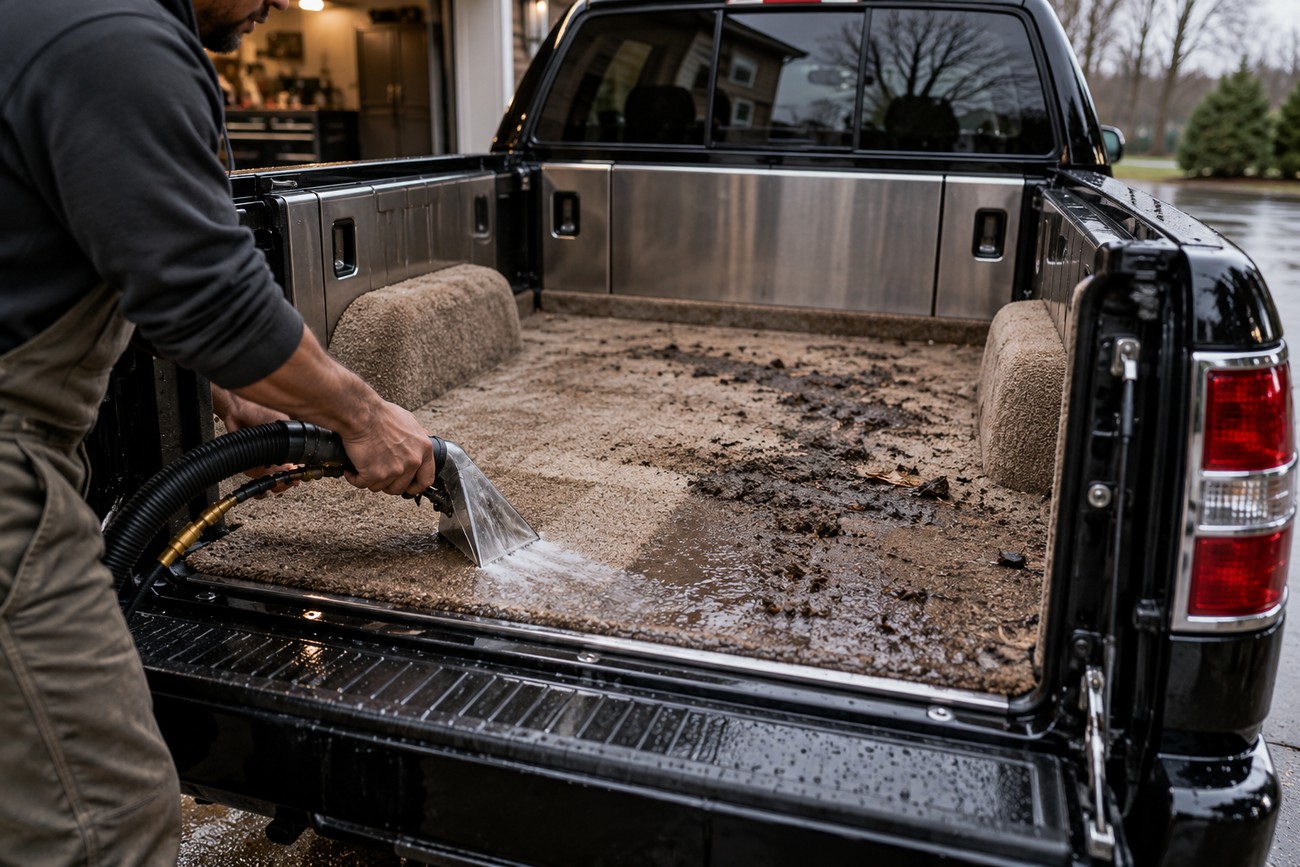
The cargo floor used carpeting over stainless-steel lining, a combination that looks premium and protects cargo from direct contact with bare metal. It also changes the bed’s basic job. A conventional pickup bed can be swept, rinsed, or hosed out; carpet often requires more involved cleaning and drying after contamination.
Hay, firewood, soil, wet equipment, and abrasive debris are poor matches for this arrangement. Dirt can work into the fibers, while water and organic material can leave odors that remain after the visible mess is gone. Tools can also grind grit into the carpet, creating wear that is expensive to correct because the cargo finish is specific to the Blackwood.
Weight and contamination are separate concerns. A load can remain below the 1,200-lb payload limit and still be unsuitable because it introduces moisture, mud, sap, dust, or sharp debris. The stainless-steel lining resists some forms of surface damage, but it does not make the carpeted compartment easy to clean or quick to dry.
The 56.3-inch cargo length adds another limitation. Two swing-out rear doors replaced a conventional drop tailgate, so the opening does not provide the familiar horizontal support for long items. Side pockets and door compartments improve organization for smaller objects while reducing the usable width available to bulky cargo.
Powered Cargo Cover, Swing-Out Doors, and the Systems That Matter
The powered cargo cover is integrated into the vehicle’s structure. It should be treated as part of the body and cargo system, rather than as a simple removable truck-bed accessory. That distinction affects both inspection and repair because a fault can involve the cover mechanism, controls, latches, or related body electronics.
The rear access arrangement adds its own demands. The two swing-out doors need clear space behind the vehicle, and their alignment affects sealing, closing effort, and access to the cargo area. In a confined parking space, the arrangement can be less convenient than a conventional tailgate.
Electrical faults can restrict access to the cargo area, which makes the powered cover more than a cosmetic feature. Before purchase, operate the cover repeatedly, test the locks and lighting, check every control, and look for hesitation, unusual noise, incomplete travel, or inconsistent latching. Inspect the carpet and surrounding trim for water intrusion as well.
On this vehicle, the powered cover, latches, and cargo electronics deserve testing before the shared V8 and chassis components. Unique failures are harder to source and repair, even when the underlying mechanical platform remains familiar.
Check the stainless-steel panels for corrosion, staining, damaged fasteners, or evidence of trapped moisture. Stainless steel does not eliminate corrosion risk in an old vehicle, particularly around hardware, seams, and contaminated areas. A clean exterior can conceal problems inside the enclosed cargo structure.
Towing, Payload, Snow, and Everyday Driving
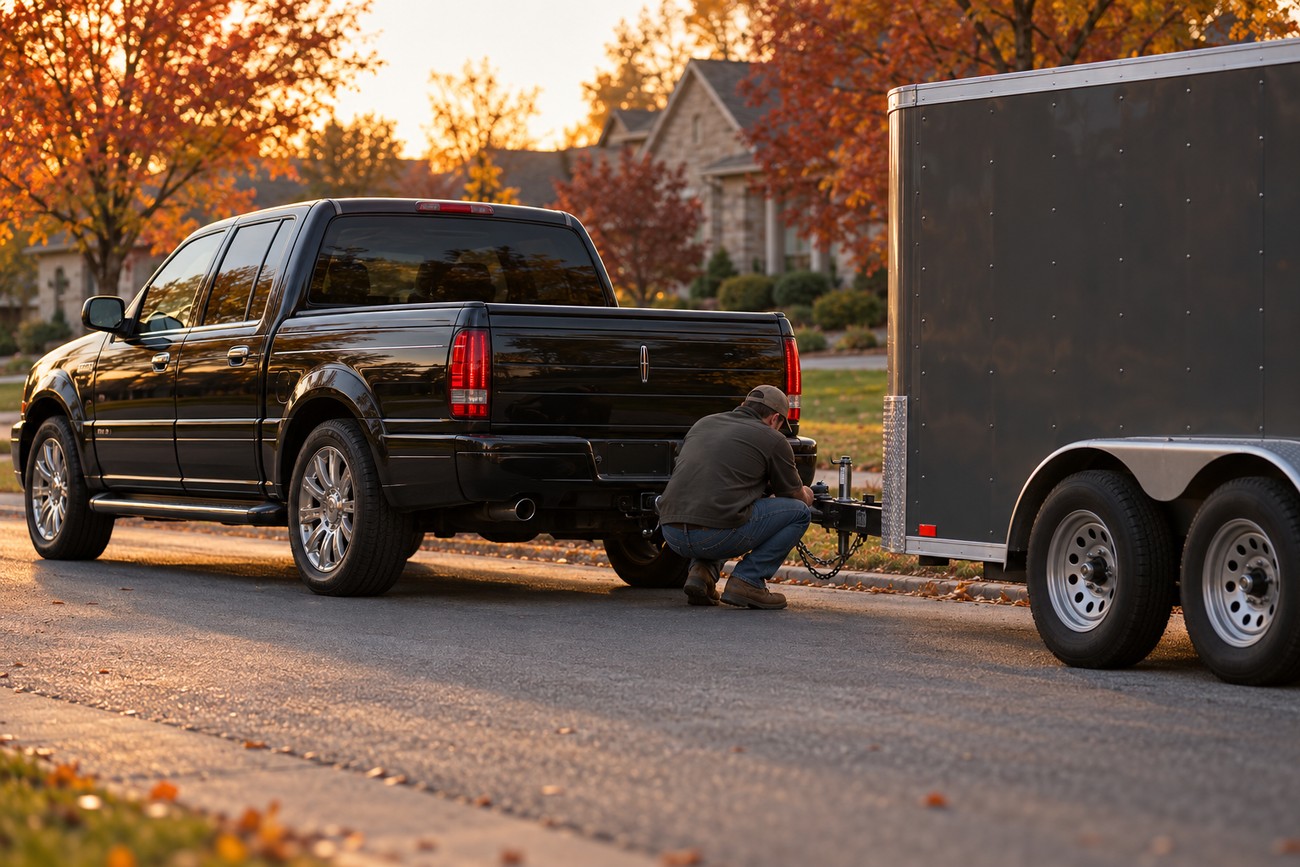
The maximum stated towing capacity was up to 8,700 lb with the factory Class III/IV hitch. That figure describes a rated configuration under specified conditions; it does not make every trailer of that weight appropriate for every Blackwood. The actual vehicle, trailer, hitch equipment, tires, axles, brakes, and loading arrangement all matter.
The 1,200-lb maximum payload must be calculated separately from trailer weight. Passengers, accessories, cargo, and the trailer’s hitch load reduce the remaining capacity. A buyer evaluating a Blackwood for towing should check the vehicle’s actual ratings and condition instead of relying on the largest number in a brochure.
Rear-wheel drive was the only drivetrain configuration, so winter traction deserves realistic expectations. Good tires and careful loading can improve control, while they cannot provide the driven-front-axle assistance that four-wheel drive offers. The Blackwood’s mass may feel reassuring without guaranteeing useful traction on snow or loose ground.
Urban driving brings another penalty. The 138.5-inch wheelbase and approximately 45.9-foot turning diameter make tight turns, compact parking spaces, and narrow driveways more demanding. Specifications list 13 mpg combined, while actual fuel economy varies with V8 condition, vehicle weight, and driving conditions.
Buying a Used Lincoln Blackwood: What to Inspect First
Start with the unique cargo and body systems, not the attractive exterior or the fact that the V8 starts easily. Inspect the carpet for trapped moisture, odors, embedded dirt, worn areas, and evidence that it has been repeatedly wet. Look beneath and around the cargo trim for leaks, corrosion, and signs of improvised repairs.
Operate the powered cover through its full range and test the locks, lighting, controls, and door alignment. Confirm that the two rear doors open and close without interference, seal correctly, and leave enough clearance for the owner’s parking environment. A malfunction that prevents access to the cargo area can be more disruptive than a minor engine issue.
Inspect the stainless-steel lining and its attachment points rather than treating the material as indestructible. Check the underside and body seams for corrosion, examine the electrical connections for water exposure, and look for contamination that has penetrated beneath the carpet. Evidence of leaks deserves attention even when the carpet feels dry on the day of inspection.
Platform-related mechanical parts may be easier to source through Ford analogues, but buyers should not assume every component is as easy to service as a standard F-150 part. Blackwood-specific body, cargo, trim, latch, and interior pieces can be scarce, and dealer support may be limited. Condition and completeness therefore matter more than a low purchase price alone.
The Biggest Lincoln Blackwood Myths
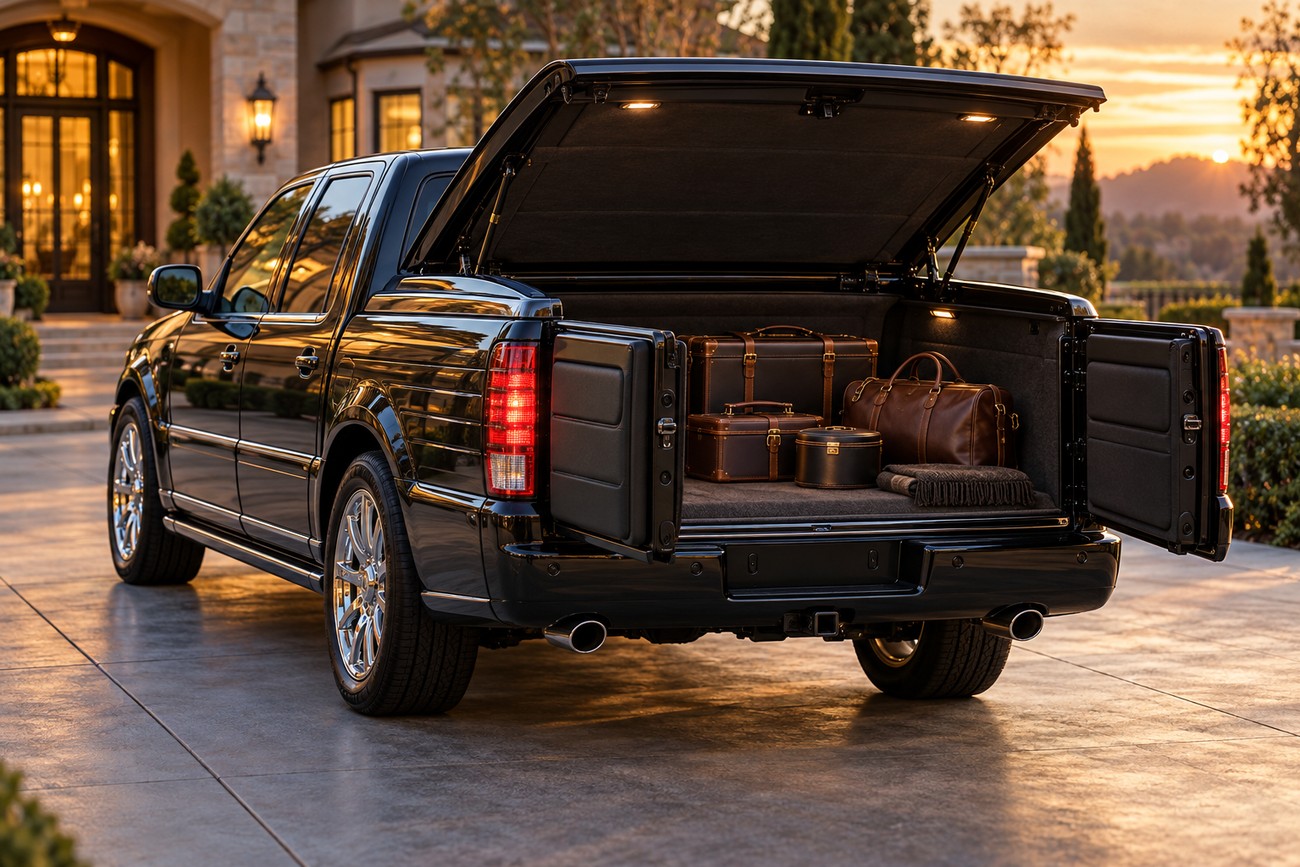
The first myth is that the Blackwood is a normal work pickup. Its 5.4-liter V8, truck-based chassis, and towing rating provide genuine utility, yet the 56.3-inch carpeted cargo area, powered cover, and swing-out doors are poorly suited to the repetitive handling of dirty or bulky materials. It is closer to a luxury cargo vehicle with towing ability than a conventional job-site truck.
The second myth is that 8,700 lb means effortless towing. That is the maximum stated towing capacity with the factory Class III/IV hitch, and it must be considered alongside vehicle loading, passengers, hitch load, tires, axles, and trailer brakes. Buyers should treat it as a rating to verify against a specific combination, rather than as a universal operating recommendation.
Stainless-steel lining also creates false confidence. It can protect the underlying surface from direct contact with cargo, while the carpet above it still retains water, odors, and abrasive dirt. The lining does not prevent leaks, electrical-cover failures, or the cleaning problems created by wet and dirty loads.
Finally, shared Ford architecture does not guarantee easy access to every part. The Navigator-related components and F-150 SuperCrew chassis can help with some mechanical sourcing, while Blackwood-specific body, trim, latch, cargo, and interior parts remain a separate risk. That distinction should influence both the inspection and the repair budget.
Frequently asked questions
The Blackwood’s appeal depends heavily on condition and on how much value a buyer places on its unusual luxury-truck design. The most important answers concern rarity, equipment condition, and the cost risk attached to specialized parts.
How much does a Lincoln Blackwood cost?
There is no single defensible price from the supplied data. Valuation should reflect condition, originality, working cargo mechanisms, the state of the carpet and stainless-steel lining, and the availability of rare body and trim parts.
A vehicle with a fully functioning powered cover, sound latches, dry cargo compartment, and complete specific trim deserves a different assessment from one that runs well but has electrical faults or missing cargo components. The shared Ford mechanical hardware can reduce some repair difficulty, while unique Blackwood systems can substantially change ownership cost.
How rare is the Lincoln Blackwood?
The Lincoln Blackwood was offered only for the 2002 model year. Specialist reference sources list approximately 15,000 vehicles, with that figure attributed to one specialist reference source.
Its rarity is therefore relevant to parts availability as well as collector interest. A buyer should prioritize originality and completeness because replacing a missing Blackwood-specific component may be harder than servicing a related Ford mechanical system.
Why was the Lincoln Blackwood discontinued?
The supplied evidence confirms only that 2002 was the Blackwood’s sole model year and that it represented a highly specialized luxury-truck concept. It does not establish a verified official rationale for discontinuation.
Its narrow role is clear from the design: the vehicle combined full-size truck hardware with a short, carpeted, enclosed cargo area and unusual powered access systems. That specialization helps explain its distinct identity, while the available information does not justify claiming a specific official reason for the end of production.







