
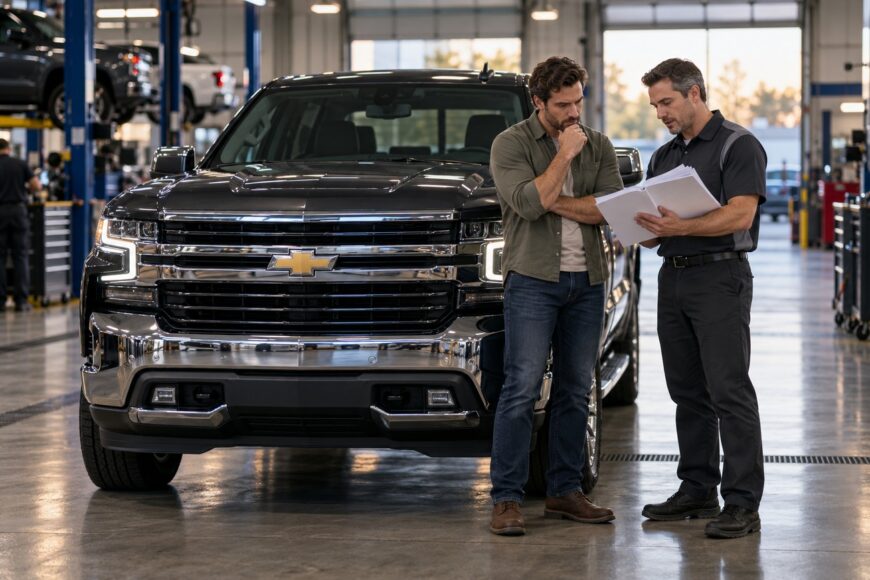
A Chevy Silverado can return to the dealership with the same transmission hesitation, camera failure, warning light, or vibration after each visit. The service adviser may describe the symptom as normal operation, say that the technician could not reproduce it, or treat each visit as unrelated. That pattern is frustrating, but it does not automatically establish a lemon-law claim.
Lemon law is not one federal rule. Eligibility, deadlines, notice requirements, repair standards, and available remedies vary by state. Your position usually depends on the Silverado’s warranty coverage, the seriousness of the defect, the number of documented repair attempts, the days the truck was unavailable, and whether you followed the required notice and dispute process.
A successful claim can sometimes lead to a repurchase or a comparable replacement, although neither result should be assumed. A single breakdown, an undocumented complaint, or a dealer trade-in may leave you with less leverage than a clear repair history supported by orders, mileage records, written communications, and timely formal notice.
- Is Your Chevy Silverado Legally a Lemon?
- Which Silverado Problems Can Support a Lemon Claim?
- New, Used, and Leased Silverado Eligibility
- Build the Evidence Before You Notify GM
- The Repair, Notice, and Final-Attempt Process
- What a Successful Silverado Lemon Claim Can Deliver
- Common Silverado Lemon-Law Mistakes and Myths
- When to Escalate to a Lemon-Law Attorney
- Frequently asked questions
- How do I get GM to buy back my Chevy Silverado?
- How hard is it to win a Lemon Law case involving a Silverado?
- What if GM offers an extended warranty instead of a buyback?
Is Your Chevy Silverado Legally a Lemon?
A Silverado generally must have a substantial defect affecting its use, safety, or value before it can qualify under a state lemon law. The defect must also remain unresolved after the repair opportunities or downtime required by that state. A transmission problem that affects acceleration, a recurring safety-system failure, or a truck that spends substantial time unavailable can raise a stronger legal issue than an isolated inconvenience.
States use different tests. Some states use approximately three or four repair attempts, while others assess the total circumstances, the seriousness of the defect, or a combination of attempts and time out of service. Some states use 30 or more cumulative calendar days out of service as a benchmark. These figures are examples used by some states, rather than nationwide rules that apply to every Silverado.
One serious repair usually does not automatically make a Silverado a lemon. A failed transmission component may be expensive and disruptive, yet the manufacturer may argue that it was promptly repaired and that the vehicle now conforms to the warranty. The legal analysis changes if the same symptom returns, the repair fails, the truck cannot be diagnosed, or the repair history shows repeated unsuccessful efforts.
The relevant period may also be narrower than the truck’s entire ownership. A state may tie eligibility to the manufacturer’s warranty period, a mileage limit, the first purchase date, or another statutory trigger. Before assuming that a year has passed and the claim is lost, or that the warranty period protects you indefinitely, check the applicable state law and preserve evidence from the earliest repair visit.
Which Silverado Problems Can Support a Lemon Claim?
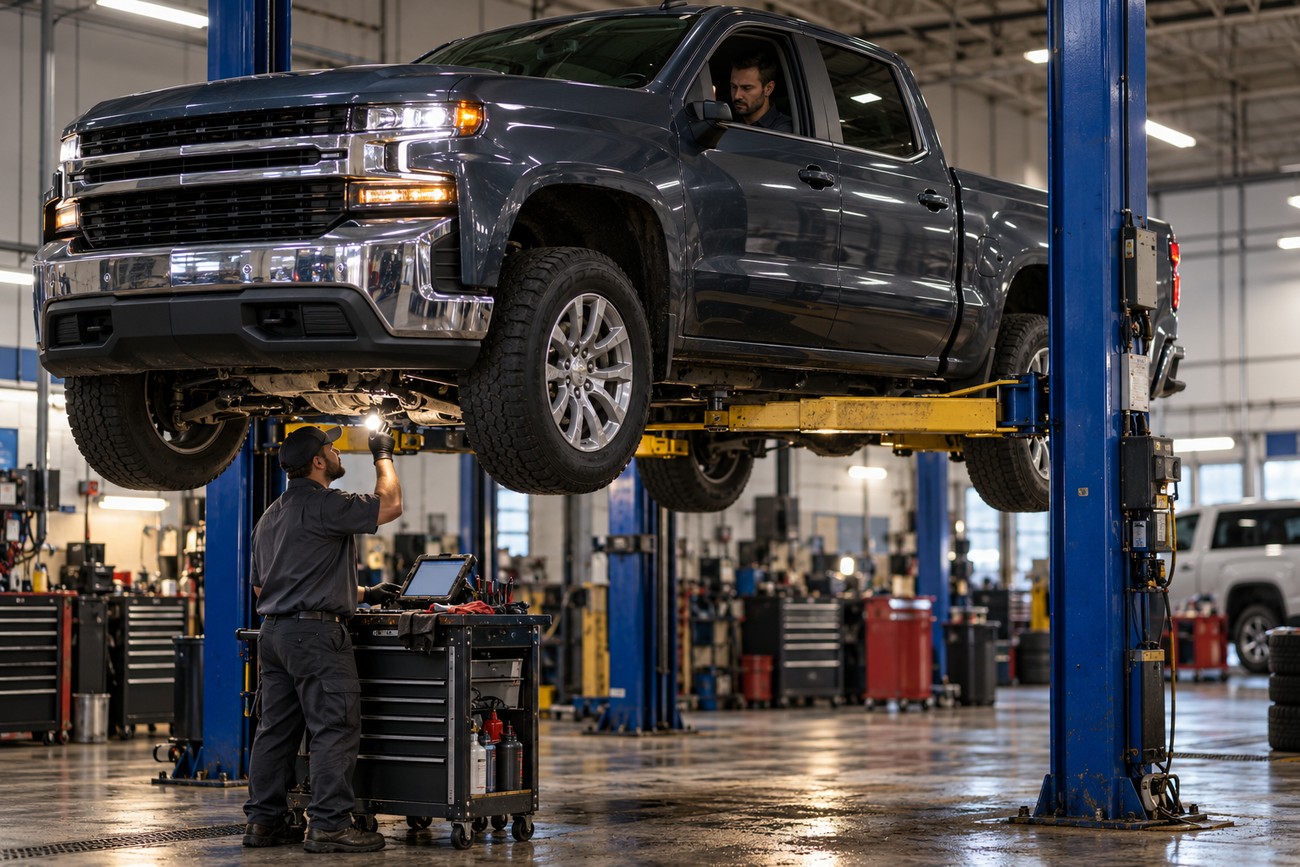
Transmission hesitation, delayed shifting, shuddering, and recurring vibration can support a claim when they materially affect operation and remain unresolved. The evidence becomes more useful when repair orders describe the symptom in concrete terms, such as a delay during acceleration, a repeatable vibration at a particular speed, or a harsh shift that affects control or drivability. A general statement that the truck “feels wrong” is harder to evaluate than a dated, consistent description.
Repeated infotainment failures may also matter. A frozen display, recurring loss of the rear-view camera, failed parking sensors, or interruption of a safety-related system can affect the truck’s function or safe operation. The legal significance depends on the specific system, the frequency of the failure, the repair attempts, and the state’s substantial-defect standard.
Dealers sometimes describe an electronic or drivability symptom as normal operation, especially when a scan shows no permanent code or a technician cannot reproduce the problem. That characterization does not by itself decide whether the defect is legally substantial. Your repair orders, videos made safely while the problem occurs, warning messages, communications, and repeat visits can show that the concern was persistent and material.
Cosmetic defects, ordinary wear, and an isolated rattle often fall short when they have no meaningful effect on use, safety, or value. A noise may deserve closer attention if it reflects a steering or suspension problem, worsens, affects control, or accompanies a safety concern. The central issue is the defect’s practical impact and the manufacturer’s unsuccessful attempts to correct it, rather than the owner’s level of annoyance alone.
New, Used, and Leased Silverado Eligibility
Most state lemon laws primarily cover new vehicles purchased or leased from a dealer while covered by the manufacturer’s warranty. That usually makes a new Silverado with documented warranty repairs the clearest starting point for a claim. The purchase contract, warranty booklet, delivery documents, and repair history help establish whether the truck falls within the statutory coverage rules.
A used Silverado is often outside the standard lemon law. Some states provide separate used-car warranty protections, disclosure rules, or other remedies, but those protections differ from a new-vehicle lemon law and may be more limited. A used truck still may present a warranty, contract, misrepresentation, or consumer-protection issue even when the state lemon law does not apply.
Leasing adds another ownership question. The person who drives and pays for the Silverado may be different from the lessor or titled owner named in the documents. Rights may involve the lessor or titled owner, and the lease may require cooperation in a buyback, replacement, payoff, or settlement. Do not assume that the regular driver alone can file every claim or sign away every interest.
Check the names and dates on the purchase or lease agreement, title, registration, warranty records, and repair orders. A mismatch between the actual driver, the named purchaser, the business listed as owner, and the lessor can complicate standing and settlement paperwork. Financing can create a similar issue because a lienholder may need to receive payoff funds or participate in title transfer.
Build the Evidence Before You Notify GM
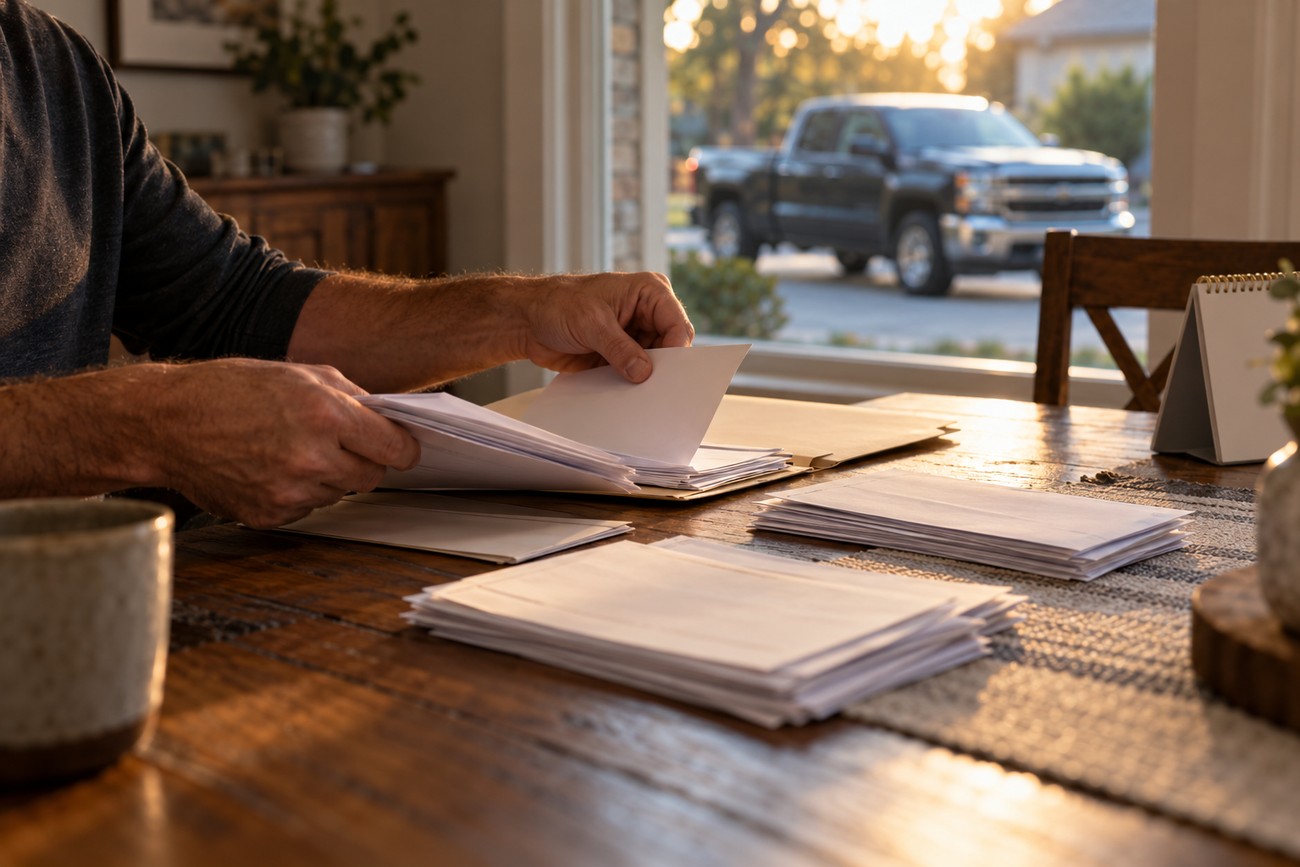
Start a chronological file as soon as the problem appears. Keep every repair order, invoice, diagnostic report, appointment confirmation, email, text message, roadside-assistance record, tow receipt, and communication with the dealer or GM. Each repair order should record the complaint, mileage, dates, diagnosis, attempted repair, and return-to-customer date. Read the order before leaving and ask for corrections if it omits the symptom you reported.
Track downtime by calendar date. Record the day you delivered the Silverado, the day it became available, and every intervening period when you could not use it because of diagnosis, parts delays, or an incomplete repair. Broken-up periods out of service are commonly added together, and some states count calendar days rather than only business days. A dealer’s summary may omit a weekend, a second visit, or time spent waiting for a part while the truck remained unavailable.
Written complaints are stronger than an undocumented phone call. After a conversation, send a short email confirming the symptom, the date, the mileage, and what the representative said would happen next. Save photographs or videos when they can be made safely, especially for intermittent display, camera, warning-light, or vibration problems. Avoid editing the original file in a way that removes the date or context.
Use authorized warranty repair channels unless a safety emergency requires another response. An independent mechanic’s evidence can help explain a technical dispute or show the seriousness of a condition, but authorized-dealer documentation may carry greater weight when proving statutory repair attempts. An unsigned inspection, an informal visit with no repair order, or a repair by a friend may leave a gap in the official record even if the mechanical work was competent.
The Repair, Notice, and Final-Attempt Process
Report the defect promptly and describe its effect on driving, safety, or vehicle function. Bring the Silverado to an authorized dealer for warranty diagnosis, and preserve each repair order after every visit. If the dealer says the symptom is normal or cannot be reproduced, ask that the complaint and that conclusion appear on the order. A repeated “could not duplicate” entry can still document notice and visits seeking repair, even if whether those visits count as statutory repair attempts depends on state law.
Next, review the lemon-law notice rule for the relevant state. Many states require formal notice to the manufacturer and a final opportunity to repair before a lemon-law filing. The notice may need to identify the vehicle, describe the defect, provide repair history, and use a specified address or delivery method. A routine email to a service adviser may not satisfy that requirement.
Downtime is often reconstructed from every calendar day, including split repair visits and parts delays while the truck is unavailable, rather than copied from the dealer’s final summary. A personal timeline can reveal qualifying days that do not appear as one continuous service stay.
GM customer-assistance and arbitration programs may be required or relevant in some states. Programs can involve customer assistance, a manufacturer dispute process, the Better Business Bureau Auto Line program, the National Center for Dispute Settlement, or another designated procedure, depending on the state and the warranty documents. Program names, filing rules, deadlines, and the effect of a decision vary, so treat a program requirement as a state-specific procedural issue.
Do not let an arbitration discussion cause you to miss a filing deadline. Common deadline structures include 12 to 24 months or a mileage limit in some states, while other states use the first purchase date, the warranty period, the date of a qualifying repair, or another trigger. Waiting too long to give formal notice can jeopardize a claim even when the Silverado remains defective. Obtain a written record of the submission date and keep copies of everything sent.
What a Successful Silverado Lemon Claim Can Deliver

A successful claim commonly results in repurchase of the Silverado or replacement with a comparable vehicle, subject to state law and the resolution process. The available choice may depend on the statute, the owner’s request, the vehicle’s status, and whether the matter ends through negotiation, arbitration, or court. A manufacturer may also offer continued repairs, an extended warranty, a cash settlement, replacement, or repurchase depending on the facts.
A statutory repurchase is different from a dealer trade-in. A buyback normally requires an accounting for the vehicle price and may address taxes, registration charges, financing, and other amounts under the applicable law. A trade-in can involve a new purchase contract, a new loan, negative equity, and a vehicle allowance that does not equal a statutory refund. Read the proposal as a separate financial transaction before signing.
A repurchase may include a reasonable-use deduction based on mileage before the defect or qualifying repair history. The calculation varies by state and may use a statutory formula or another method. Ask how the manufacturer calculated the deduction, which mileage date it used, and whether the proposed amount accounts for the defect’s early appearance and the time the truck was unavailable.
Review title, lien, taxes, fees, payoff amounts, and release language before accepting any resolution. A financed Silverado may require coordination with the lienholder, and the lender’s payoff may differ from the balance shown on a recent statement. An agreement that appears to provide a full return of the truck can still leave questions about deficiency balances, personal property, trade-in credits, or claims being released.
Common Silverado Lemon-Law Mistakes and Myths
Relying on verbal complaints is one of the most avoidable mistakes. A call to the dealer may alert the business, yet it may leave no reliable record of the symptom, date, mileage, or requested remedy. Repair the documentation gap by confirming each conversation in writing and requesting a repair order for every warranty presentation, including visits where the technician finds no fault.
Using a friend or independent shop as the primary repair route can also weaken the statutory record. It may be sensible for an emergency or a condition outside warranty coverage, but many lemon-law claims depend on showing that the manufacturer had repeated authorized opportunities to repair. Keep independent reports if you obtain them, and return to the warranty channel for the manufacturer’s response where safe and practical.
One major breakdown generally does not establish lemon status without the state’s required repair attempts, notice, or days-out-of-service criteria. The opposite myth is equally risky: a truck does not become ineligible merely because the dealer calls a recurring electronic or drivability issue normal. The evidence must connect the symptom to a substantial effect on use, safety, or value and show what happened after notice.
Most states do not treat every used Silverado as covered by the standard new-vehicle lemon law. A trade-in of the disputed truck can replace or complicate the formal lemon-law route, particularly if the transaction includes a release or rolls unpaid loan balance into a new purchase. Marketing promises of a fast, guaranteed replacement or refund should be treated cautiously. Speed and outcome depend on state law, evidence, GM’s position, and any arbitration or court process.
When to Escalate to a Lemon-Law Attorney

An attorney will usually screen the case through several connected questions: Is the Silverado covered by the applicable warranty and statute? Is the defect substantial? Are the repair attempts documented? How many qualifying days was the truck unavailable? Was formal notice timely and properly delivered? Does the client have the correct ownership or lease interest to bring the claim?
Bring the lawyer a concise file rather than only a description of how frustrating the truck has been. Include the purchase or lease agreement, warranty information, title or registration, every repair order, mileage, dates out of service, photographs, written complaints, GM correspondence, and settlement offers. A clear timeline allows counsel to identify a deadline or missing repair order before the issue becomes harder to fix.
A defect can feel serious to the owner and still be legally weak if it is minor under the state standard or cannot be tied to documented warranty repairs. That is one reason lawyers may decline cases involving only intermittent annoyances, cosmetic concerns, ordinary wear, or thin records. A refusal does not decide the merits, but it signals that the evidence or legal fit may need closer review.
Some lemon-law attorneys work on a no-fee-unless-you-win basis, while still accepting only stronger claims. Confirm whether that arrangement applies to arbitration and litigation, how costs are handled, whether a settlement requires your approval, and what happens if the claim is unsuccessful. Regardless of fee structure, verify the state-specific deadline before relying on a consultation or waiting for the manufacturer to respond.
Frequently asked questions
These answers provide general information. The state where the Silverado was purchased, leased, or registered may impose different coverage rules, procedures, and deadlines.
How do I get GM to buy back my Chevy Silverado?
Begin with a complete buyback request file: repair orders, mileage at each visit, dates and calendar days out of service, written complaints, diagnostic results, ownership or lease records, and the warranty information. Send formal notice in the manner required by your state and address any required GM customer-assistance, arbitration, or final repair opportunity. State the recurring defect clearly and explain how it affects use, safety, or value.
GM may propose continued repairs, an extended warranty, a settlement, replacement, or repurchase. A request does not guarantee a buyback, and a financed or leased Silverado may require the lienholder or lessor to participate. Review the proposed payoff, mileage deduction, title transfer, taxes, fees, and release before accepting terms.
How hard is it to win a Lemon Law case involving a Silverado?
Case strength depends on legally qualifying facts and documentation, rather than owner frustration alone. The key questions are whether the defect is substantial, whether the Silverado was covered, whether the manufacturer received repeated repair opportunities, whether the truck accumulated qualifying downtime, and whether notice and filing deadlines were met. A transmission or safety-system problem with consistent repair records may present a stronger case than a serious-sounding complaint documented only by informal calls.
State law controls the required attempts, downtime, notice, and procedure. A dealer’s statement that a symptom is normal is relevant evidence, but it does not settle the legal question. The complete repair history, communications, videos, downtime timeline, and technical findings determine how the dispute can be evaluated.
What if GM offers an extended warranty instead of a buyback?
Compare the offer with the remedy you may seek under state law. An extended warranty may provide additional repair coverage, but it may leave you with the same Silverado, the same defect, future downtime, and exclusions that affect practical value. Ask which components and symptoms are covered, how long coverage lasts, who pays diagnostic costs, and whether the offer includes a cash payment or other protection.
Before signing, identify whether the agreement releases lemon-law, warranty, statutory, or other claims; whether it records the defect and prior repairs; and whether it addresses financing, title, and future resale. Obtain time to review the terms. A repair-based settlement can be reasonable in some circumstances, while a repurchase or replacement may be more appropriate in others depending on the evidence and state law.







