
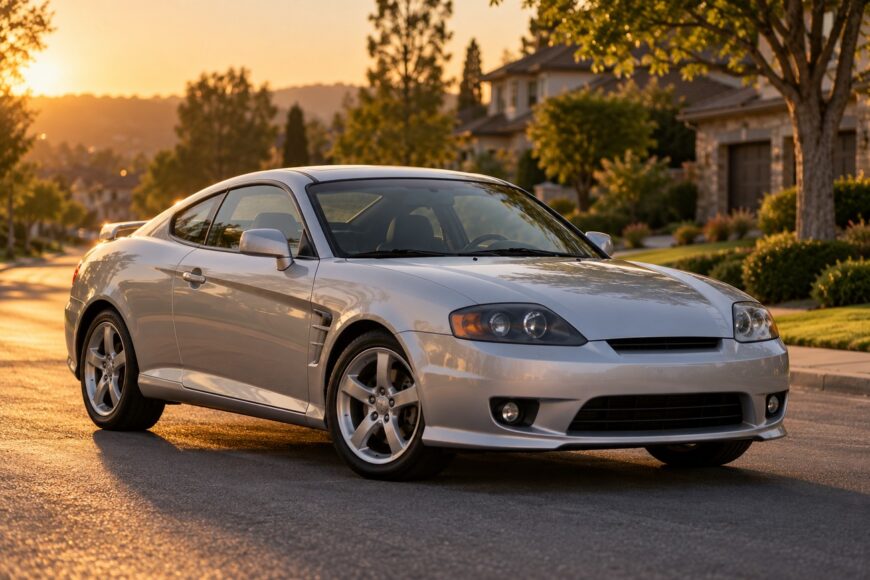
A stylish coupe with a V6 and an accessible used-car price has an obvious appeal. The Hyundai Tiburon GT offers that combination, along with enough everyday usability to make it more than a weekend toy. Its purchase price, though, tells you little about what it will cost to fuel, repair, or bring a neglected example back into shape.
The GT makes the most sense as a condition-sensitive daily grand tourer, rather than a lightweight sports car. A healthy car can be enjoyable; a tired transmission, worn suspension, or poorly repaired body can drain the pleasure quickly. The buying decision comes down to whether its V6 character is worth the running costs of an aging coupe.
- What the Hyundai Tiburon GT Actually Is
- V6 Performance: More Character Than Shock Value
- Manual or Automatic: The GT’s Most Important Choice
- The Budget Ends After the Purchase
- How to Inspect a Used Tiburon GT Without Buying Someone Else’s Project
- The Myths That Make the Tiburon GT Disappointing
- Who Should Buy a Hyundai Tiburon GT Today?
- Frequently asked questions
- What is the top speed of the Hyundai Tiburon GT V6?
- Why do Hyundai Tiburon GT horsepower figures differ between sources?
- What year of the Hyundai Tiburon should buyers avoid?
What the Hyundai Tiburon GT Actually Is
The second-generation GK Hyundai Tiburon, sold approximately from 2003 to 2008, gave the GT striking coupe styling and a 2.7-liter Delta V6. Output was approximately 172–173 hp and around 245 Nm, with published specifications varying somewhat by market and model year. Those figures promise useful pull, rather than exceptional power.
Underneath, this is a front-wheel-drive coupe built on mass-market Hyundai compact-car architecture. That foundation helps explain its familiar driving manners and practical appeal. It also sets a limit on the sports-car expectations its shape can create.
The V6 gives the GT a distinct sound and a relaxed way of gathering speed. You can enjoy the engine without driving flat out, which suits ordinary roads better than a track-focused setup would. Its character is closer to a budget everyday grand tourer than a dedicated performance car.
The cabin follows the same value-led approach. Its design may support the coupe image, but the materials and refinement do not turn the Tiburon into a premium GT. Buyers who like the exterior should spend just as much time sitting inside and driving on rough pavement before deciding whether they can live with it.
V6 Performance: More Character Than Shock Value
The 2.7-liter Delta V6 delivers approximately 172–173 hp and around 245 Nm. Its sound and low-speed pull can make the GT feel eager in everyday driving, particularly with the manual transmission. Neither quality should be mistaken for modern high-performance acceleration.
Typical 0–100 km/h results fall around 7.5–8.5 seconds, depending on transmission, condition, and test method. The V6 coupe weighs approximately 1,350–1,450 kg, so it has substantial mass for a compact coupe. A published time is best treated as a description of a healthy example under particular conditions, not a promise that any car for sale will match it.
A sound manual car can feel lively because the driver can keep the engine where it responds best. The four-speed automatic tends to soften that impression, and an aging transmission can make the gap more obvious. The GT is enjoyable for the way it delivers its performance, rather than for surprising outright speed.
Before dismissing a sluggish car as simply underpowered, consider its maintenance. Old spark plugs, a dirty throttle body, or a restricted intake or exhaust can dull response; transmission wear can add another layer of hesitation. Those possibilities call for diagnosis, not an assumption that every slow-feeling GT is an easy, inexpensive fix.
Manual or Automatic: The GT’s Most Important Choice
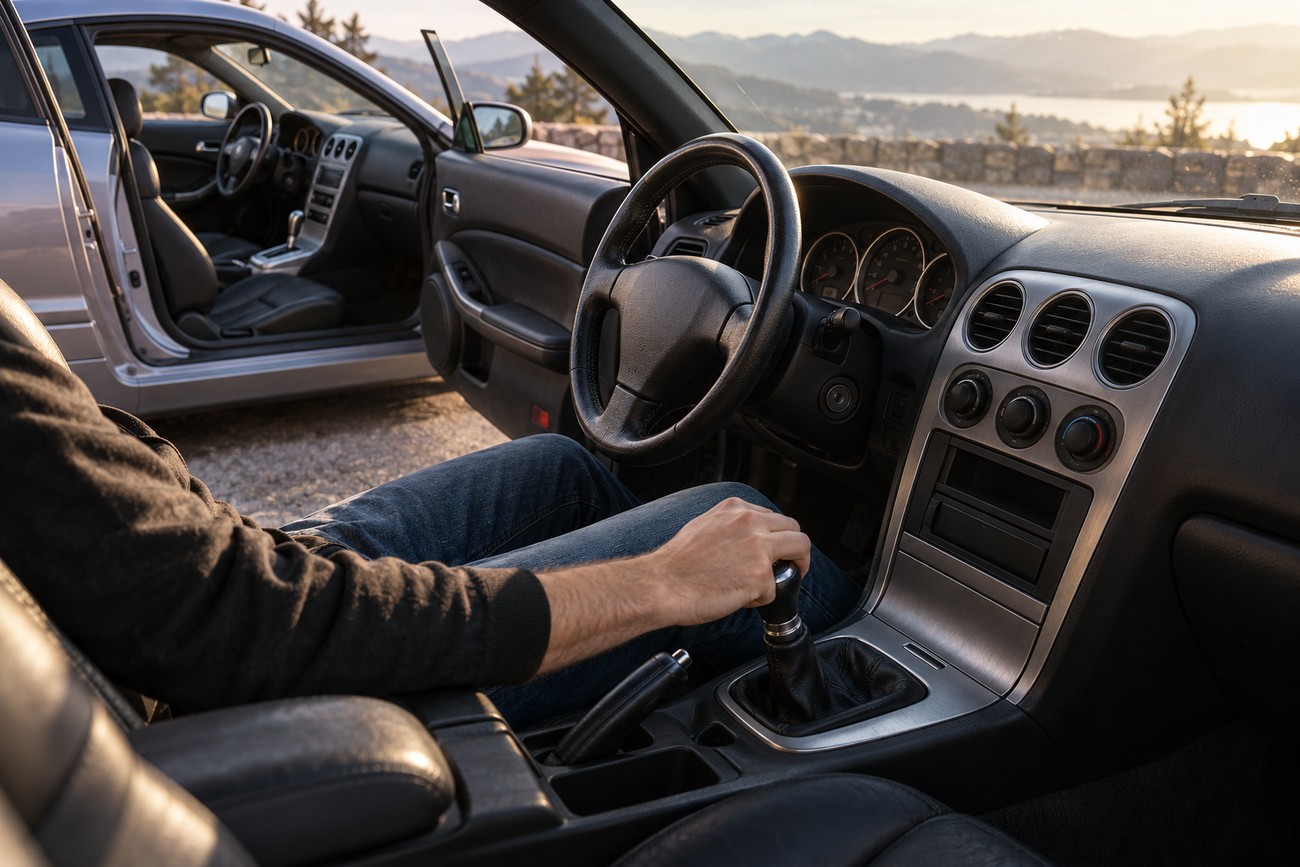
Buyers will encounter a five-speed manual or a four-speed automatic. The manual generally makes better use of the V6 and gives the driver more control over a modest power output. For an enthusiast, it is usually the more satisfying version.
The automatic is more frequently criticized for dull response and reduced performance. It may suit someone who values easier daily driving, but a test drive should include gentle cruising and firm acceleration. Hesitation, harsh shifts, or slipping deserve investigation before purchase.
A manual is no guarantee of a good buy. Check for clutch slip under load, difficulty selecting gears, and inconsistent shift quality during a drive. A car that feels reluctant or rough should be assessed on its actual mechanical condition, however appealing the GT badge or listing sounds.
Choose the transmission you can live with, then judge the individual car. A documented, healthy automatic may be a better ownership prospect than a neglected manual with an expensive clutch or gearbox problem. If the V6’s responsiveness is the main attraction, however, the manual remains the stronger starting point.
The Budget Ends After the Purchase
The low entry price can hide substantial fuel costs. Owner-reported urban use commonly falls around 12–15 L/100 km, varying with transmission and condition; highway consumption can be noticeably lower. A mostly city-driven GT should be budgeted as an older V6, regardless of how cheaply it was bought.
Age also brings small faults that accumulate. Wiring, sensors, and rubber components can cause intermittent problems, while cooling-system condition and engine ancillaries deserve attention. One nuisance may be manageable; several unresolved faults can make a bargain car frustrating to use.
Inside, hard plastics, rattles, and squeaks can undermine the sporty presentation. Road noise and a firm ride become more apparent on damaged pavement, particularly if the car wears unsuitable wheels or tires. A long test drive over the roads you normally use will reveal more than a brief run on smooth streets.
McPherson struts at the front and a multi-link arrangement at the rear give the chassis useful potential, but worn suspension parts affect both comfort and control. Repairs should be considered when assessing the asking price. The suspension layout does not make every car expensive to maintain; deferred work is what turns it into a larger bill.
Some body panels and interior trim pieces may be harder to find than routine service items. That matters if a cheap car has collision damage, missing trim, or a cabin full of broken fittings. Add the likely cost and availability of those parts to your ownership budget before treating cosmetic defects as trivial.
How to Inspect a Used Tiburon GT Without Buying Someone Else’s Project

Start with the body and its history. Look closely at lower sections, wheel arches, mounting points, and seams for corrosion, inconsistent repairs, or signs of collision damage. Poorly finished repairs deserve particular caution because the visible paintwork may reveal only part of the work needed.
Next, drive the car from cold and give the transmission enough time to warm up. An automatic should shift without hesitation, harshness, or slipping; a manual should engage gears cleanly, with no obvious clutch slip. Compare what you feel with maintenance records rather than accepting a seller’s explanation that the behavior is normal for an old coupe.
A smooth cold start alone does not establish that the V6 is healthy. Consider it alongside warm shift quality, evidence of cooling-system care, and the standard of any modifications; several small warning signs together are more informative than one reassuring moment.
Inspect the cooling system and engine ancillaries for condition and signs of neglected service. If the engine feels flat, remember that plugs, throttle condition, intake or exhaust restrictions, and transmission wear can all affect performance. A pre-purchase inspection is worthwhile when the cause is unclear.
Record every non-stock wheel, suspension, and exhaust change. Modifications can alter steering, ride quality, noise, and component life, and their installation quality matters as much as the parts themselves. A car on unsuitable tires may handle poorly even when its underlying chassis is sound.
Finally, weigh the whole car against its paperwork. Condition, maintenance, accident history, and modification quality matter more than odometer mileage alone on an aging Tiburon GT. A tidy, mostly stock car with documented care is a safer target than a cheaper listing that needs body, drivetrain, and suspension work at once.
The Myths That Make the Tiburon GT Disappointing
The first misconception is that a V6 badge guarantees major power. The GT’s approximately 172–173 hp is moderate by modern standards, even though the engine’s sound and around 245 Nm of torque give it an appealing character. Expect usable acceleration and an engaging soundtrack, rather than startling speed.
Another mistake is to equate an inexpensive purchase with inexpensive ownership. Urban fuel use, aging components, suspension work, and scarce trim or body parts can change the financial picture. The cheapest example may cost more overall than a better-kept car bought for a higher price.
The coupe shape can also suggest a dedicated sports car. In reality, the Tiburon GT uses front-wheel drive and mass-market compact-car architecture, and its weight and refinement suit everyday touring better than track work. Judged on those terms, its compromises are easier to understand.
Handling judgments need care, too. Good tires and healthy suspension bushings can materially improve steering feel and grip, while worn parts or poor tire choices can make the car seem less capable than it is. Check those basics before deciding that a particular GT’s road manners represent the model as a whole.
Who Should Buy a Hyundai Tiburon GT Today?
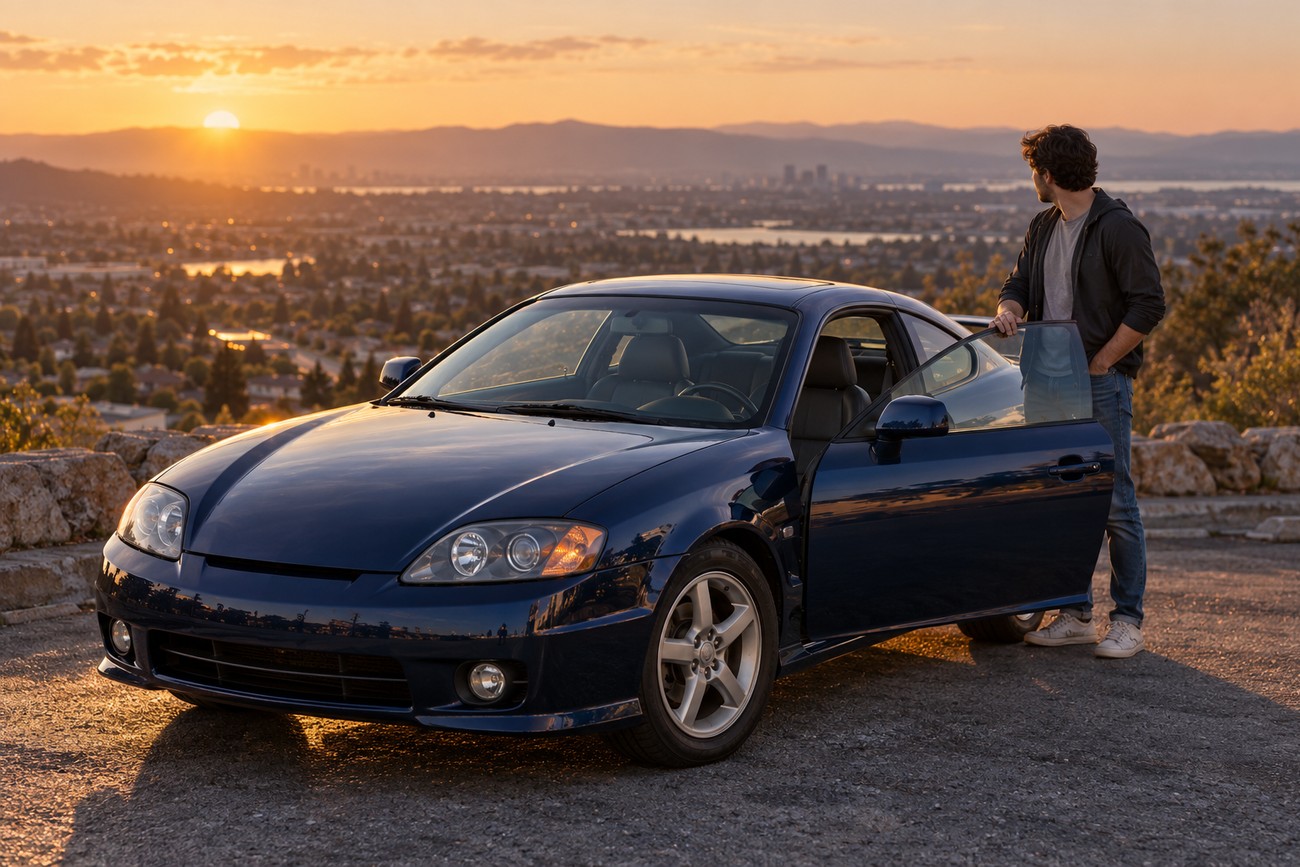
The GT suits a buyer who wants coupe styling, V6 sound, and an accessible purchase price, and who accepts the costs of running an older car. It can serve as an enjoyable everyday grand tourer if its mechanical condition matches its appearance. A well-maintained manual will usually have the strongest appeal for someone who enjoys driving.
It is a weaker fit if low fuel use, a quiet cabin, premium materials, or modern speed are priorities. Buyers seeking a track-focused car may also find its front-wheel-drive layout and weight at odds with their expectations. Those limitations are part of the car, rather than faults a test drive or modification will necessarily erase.
Shop for evidence of care instead of the lowest asking price. A documented, mostly stock, mechanically healthy example gives you a better chance of enjoying the coupe without immediately financing someone else’s deferred repairs. Leave room in the budget for age-related work even when the car looks good.
Frequently asked questions
The questions below address the GT’s performance figures and buying risks. They also clarify why condition and specification matter when comparing cars. Use them alongside a hands-on inspection and a review of the vehicle’s history.
What is the top speed of the Hyundai Tiburon GT V6?
There is no single top-speed figure that reliably describes every Tiburon GT V6. Published numbers can differ by market, transmission, and test conditions, while an older car’s mechanical condition adds further uncertainty. If a listing quotes a top speed, check which version and source it describes rather than using the number as evidence that the car is healthy.
Why do Hyundai Tiburon GT horsepower figures differ between sources?
Published figures vary somewhat by market and model year; they do not necessarily indicate different V6 engines. The GT’s 2.7-liter Delta V6 is commonly listed at approximately 172–173 hp, with torque around 245 Nm. When comparing listings, confirm the car’s market and year before treating a small specification difference as a mechanical distinction.
What year of the Hyundai Tiburon should buyers avoid?
There is no universal model year to avoid that replaces an inspection. On a second-generation GK Tiburon, maintenance, accident history, corrosion, transmission behavior, and modification quality are more useful buying filters than the year alone. A later neglected car can be a worse purchase than an earlier one with clear records and sound mechanical condition.







