
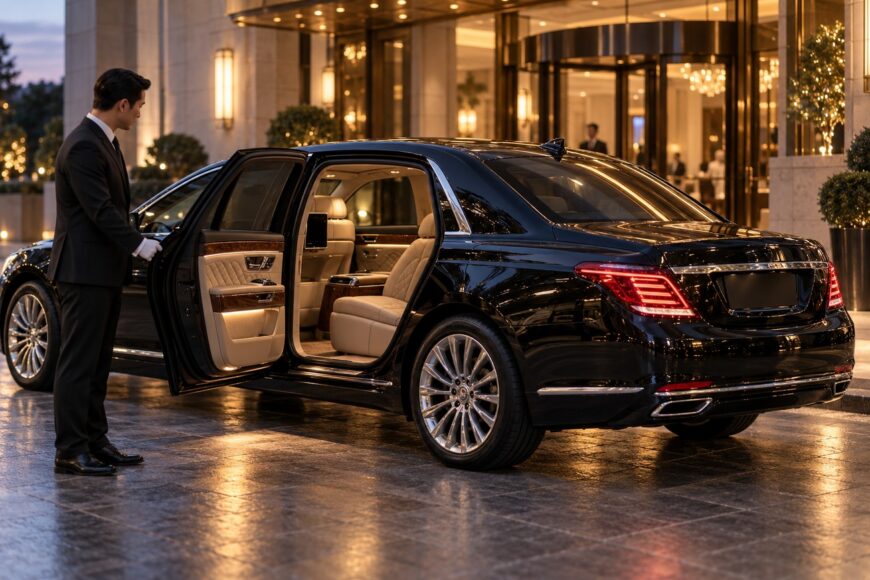
The Hyundai Equus can deliver a rear-seat lounge, flagship presence, and V8 performance for surprisingly little money. Its cabin has the space and equipment expected from a much more expensive luxury sedan, while a well-kept example can still feel composed and special years after it left the showroom.
The contradiction appears in ownership. Fuel, tires, brakes, suspension, electronics, and rare body parts remain luxury-car expenses even when the purchase price looks closer to that of an ordinary used Hyundai. The central buying decision is therefore whether the Equus is an overlooked flagship with exceptional comfort or an aging electronics-and-air-suspension liability.
That answer depends heavily on the exact market, model year, engine, equipment, and maintenance record. Equus specifications vary enough that a buyer should verify the VIN before trusting a catalog listing, then judge the car as a complex used luxury sedan rather than as a cheap large Hyundai.
- What the Hyundai Equus Was Really Built to Be
- Engines, Performance, and the Specification Confusion
- The Rear-Seat Experience Is the Equus’s Best Argument
- The Ownership Costs That the Purchase Price Hides
- Buying a Used Equus: What Must Be Checked First
- Equus Myths, Market Position, and the Ownership Verdict
- Frequently asked questions
- Why are Hyundai Equus sedans so cheap?
- Why did Hyundai discontinue the Equus?
- How much does a used Hyundai Equus cost?
What the Hyundai Equus Was Really Built to Be
The Equus was a full-size luxury sedan and Hyundai’s flagship. It occupied a different role from the company’s mainstream models, with a long body, rear-focused cabin, high equipment levels, and a presentation intended for executive transport. In some markets, the same model was sold under the Centennial name.
Its design brief favored quiet progress and passenger comfort over sharp handling. The long wheelbase gave rear occupants more room, and the cabin was arranged to feel like a private lounge rather than a driver’s sports sedan. That distinction matters on the used market: a buyer expecting a compact, agile luxury car may find the Equus cumbersome, while a buyer who values rear-seat comfort may understand its purpose immediately.
Some specifications list a four-seat interior, with a more substantial center console and greater separation between the rear passengers. Other versions and markets may differ, so the seating arrangement should be checked on the actual car rather than assumed from photographs or a generic listing. A four-seat Equus can be attractive for chauffeur-style use, but it is less flexible for family transport.
The “butler” idea is best understood as a description of the experience, not evidence that every car came with a literal personal attendant. Rear controls, powered adjustments, comfort functions, and the sheer quietness of the cabin create a limousine-like atmosphere. The value lies in how the car isolates passengers from the road, provided the systems supporting that comfort still work.
Engines, Performance, and the Specification Confusion
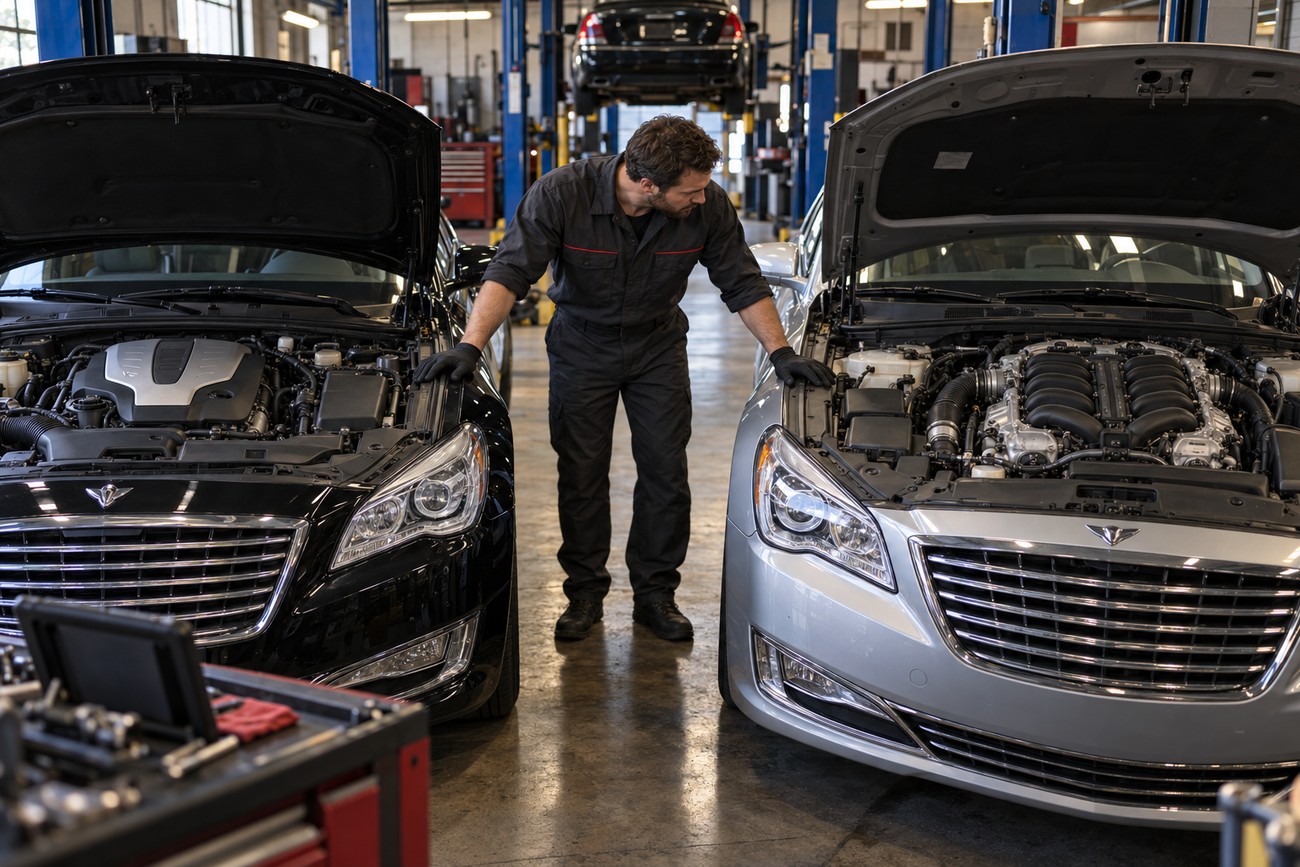
There is no single universal Equus specification. Early versions are commonly listed with a 3.8-liter V6 producing 290 hp, while facelift versions with a 3.8-liter V6 are listed at 334 hp. The difference is large enough to affect acceleration, market value, and how a buyer evaluates a comparison between two apparently similar cars.
A 4.6-liter V8 was also offered, with outputs listed at 366–373 hp depending on market and year. Other catalogs may show larger engines and different power figures across various generations and regional versions. Listings can therefore show 3.8–5.0 liters and 203–430 hp without necessarily describing the same car, model year, or market specification.
For the facelift 3.8 GDi with an eight-speed automatic, published figures include 0–100 km/h in 6.9 seconds and a 240 km/h top speed. That is serious performance for a large, rear-oriented sedan, although the Equus still feels more interested in effortless progress than repeated hard cornering. Its size and mass remain apparent when the road becomes narrow or uneven.
The same facelift 3.8 GDi specification lists fuel consumption of 10.9 L/100 km combined, 15.8 L/100 km in urban driving, and 8 L/100 km extra-urban. These are useful reference figures, not a promise for an old used car in traffic. Short trips, worn components, heavy wheels, and a driver using the available power can push real urban consumption higher.
Before comparing two advertisements, verify the VIN, market, model year, generation, engine, trim, and transmission. A catalog may merge data from different versions, and even an apparently precise power figure can be wrong for the car in front of you. The transmission matters as well: the driving response, equipment, and calibration can differ between early and facelift versions.
The Rear-Seat Experience Is the Equus’s Best Argument
The Equus makes its strongest case from the second row. A common specification gives dimensions of 5160 × 1890 × 1495 mm and a 3045 mm wheelbase, creating the visual presence and legroom associated with an executive sedan. The cabin feels substantial, especially when the rear seats are used for longer journeys rather than occasional passengers.
Some reviews describe versions with air suspension, ventilation for all seats, and rear-seat comfort controls. Those features are version- and source-dependent, so they should be confirmed by examining the equipment and operating every switch. When functional, they help explain why buyers often choose the Equus for its lounge-like cabin rather than its handling balance.
Rear passengers benefit most when the car is moving smoothly on open roads. The Equus can absorb distance with a calm, insulated character, but its luxury depends on many separate systems: seat motors, climate functions, suspension hardware, controls, and electronic modules. A quiet test drive is therefore only part of the inspection; a comfortable cabin with several dormant features is not a bargain.
Urban use exposes the compromises. The listed ground clearance is 154 mm, and the long, wide body needs planning in garages, narrow streets, and crowded parking areas. The turning space and rear visibility may feel less manageable than the purchase price suggests. Buyers who mainly drive in dense cities should budget for parking cameras and sensors to work correctly, while still treating them as aids rather than substitutes for the car’s dimensions.
The Ownership Costs That the Purchase Price Hides
The Equus is often attractive because depreciation makes a former flagship accessible. The running-cost equation is less forgiving. Owners commonly complain about high urban fuel consumption, and the listed 77-liter tank means a full refill can represent a substantial recurring expense even before maintenance is considered.
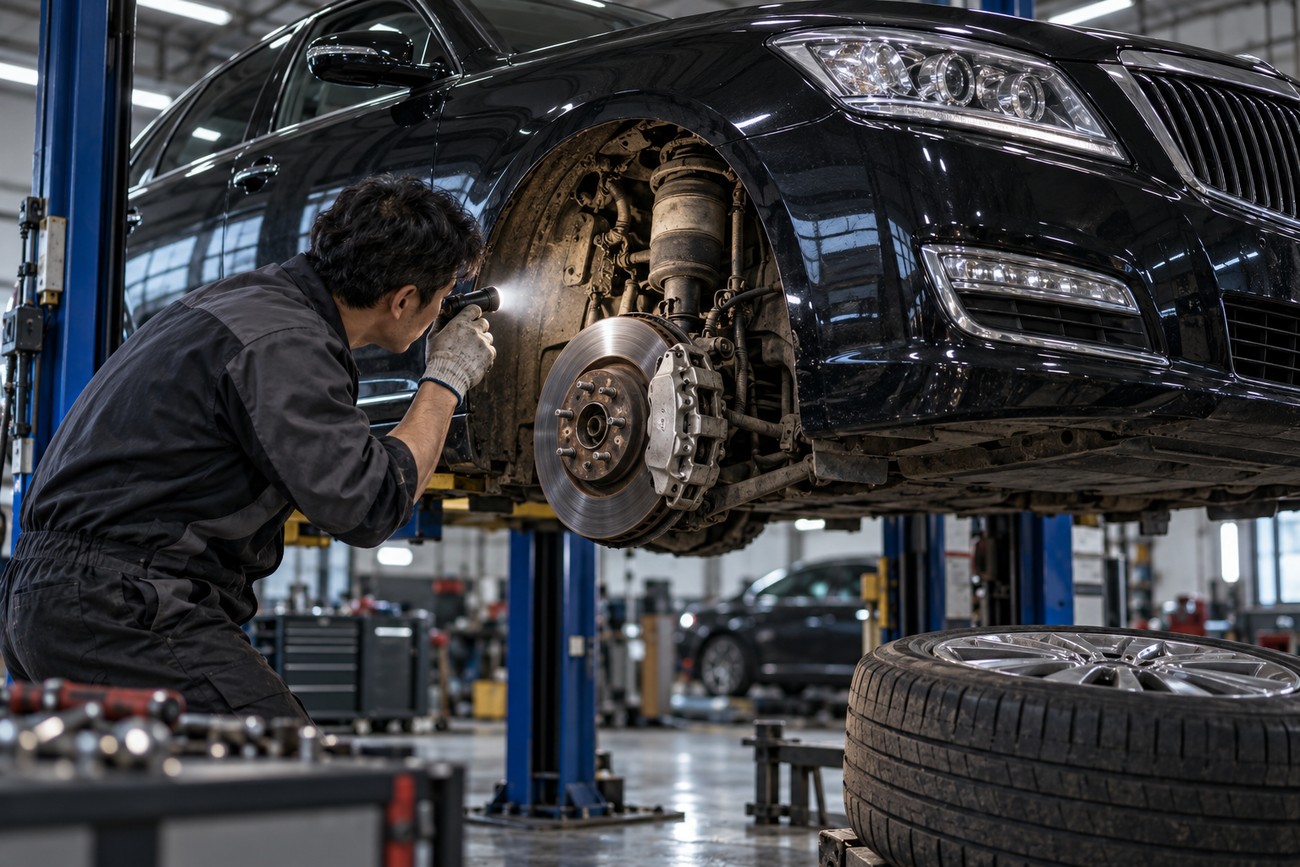
Mass is another quiet cost. A heavy luxury sedan places greater demands on brakes, tires, and suspension, particularly in stop-and-go traffic or on poor roads. Correct tire specification and timely brake work matter for ride quality and safety, while postponing suspension repairs can allow one worn component to affect the behavior of the rest of the car.
Parts support can be less predictable than the Hyundai badge implies. Rare body panels, lighting components, and other model-specific items may be disproportionately expensive or slow to source. A small collision can therefore create a longer repair process than a buyer expects from a mainstream brand, especially in a region with few Equus or related luxury Hyundai vehicles.
Age also affects the cabin independently of mileage. Climate control, seat memory, powered closures, multimedia, and sensors can all become repair items as the car grows older. A low odometer reading does not preserve rubber, electrical connections, screens, motors, or control modules, and a neglected low-mileage example may need more immediate attention than a higher-mileage car with complete service records.
The sensible budget includes fuel, tires, brakes, suspension inspection, diagnostic work, and a reserve for delayed parts. This is not an argument against the Equus. It is a warning against treating the purchase price as the total price of entry into flagship ownership.
Buying a Used Equus: What Must Be Checked First
Begin with the paperwork, then inspect the car cold. The VIN should confirm the market, generation, engine, transmission, and equipment shown in the advertisement. Compare the mileage with service records, inspection history, and the condition of the steering wheel, seat controls, pedals, and interior surfaces; an implausible story is more important than an attractive odometer reading.
A cold start can reveal warning messages, rough running, delayed engagement, or unusual sounds that disappear after the car warms up. During the road test, assess the automatic transmission for harsh shifts, hesitation, flare, and inconsistent response. Test the brakes from different speeds and listen for suspension noise on uneven surfaces, because the car’s mass makes neglected wear more noticeable.
Require testing the air suspension and scanning every luxury-electronics module before negotiating on price, because a cheap-looking fault can become the largest repair on the car.
Air suspension deserves its own inspection. Check whether the car sits evenly after being parked, whether it changes height as intended, how quickly the compressor operates, and whether warning messages appear. A leak, weak compressor, incorrect ride height, or intermittent fault may not be obvious during a short drive, so the vehicle should be inspected on a lift and scanned with equipment capable of communicating with the relevant modules.
Scan the complete electronic system rather than relying only on the engine computer. Operate every seat adjustment and memory function, all climate zones, ventilation, multimedia, cameras, sensors, powered closures, lighting, and rear comfort controls. One failed button is manageable; several unrelated faults suggest that the car’s age and maintenance history are catching up with its equipment.
Inspect the body and lighting closely for mismatched paint, repaired structural areas, moisture in lamps, damaged trim, and missing model-specific parts. Confirm that a local workshop has experience with the Equus or comparable luxury Hyundai systems before buying. On this car, documented maintenance is more valuable than age alone, and the cheapest example may be the least economical once deferred work is itemized.
Equus Myths, Market Position, and the Ownership Verdict
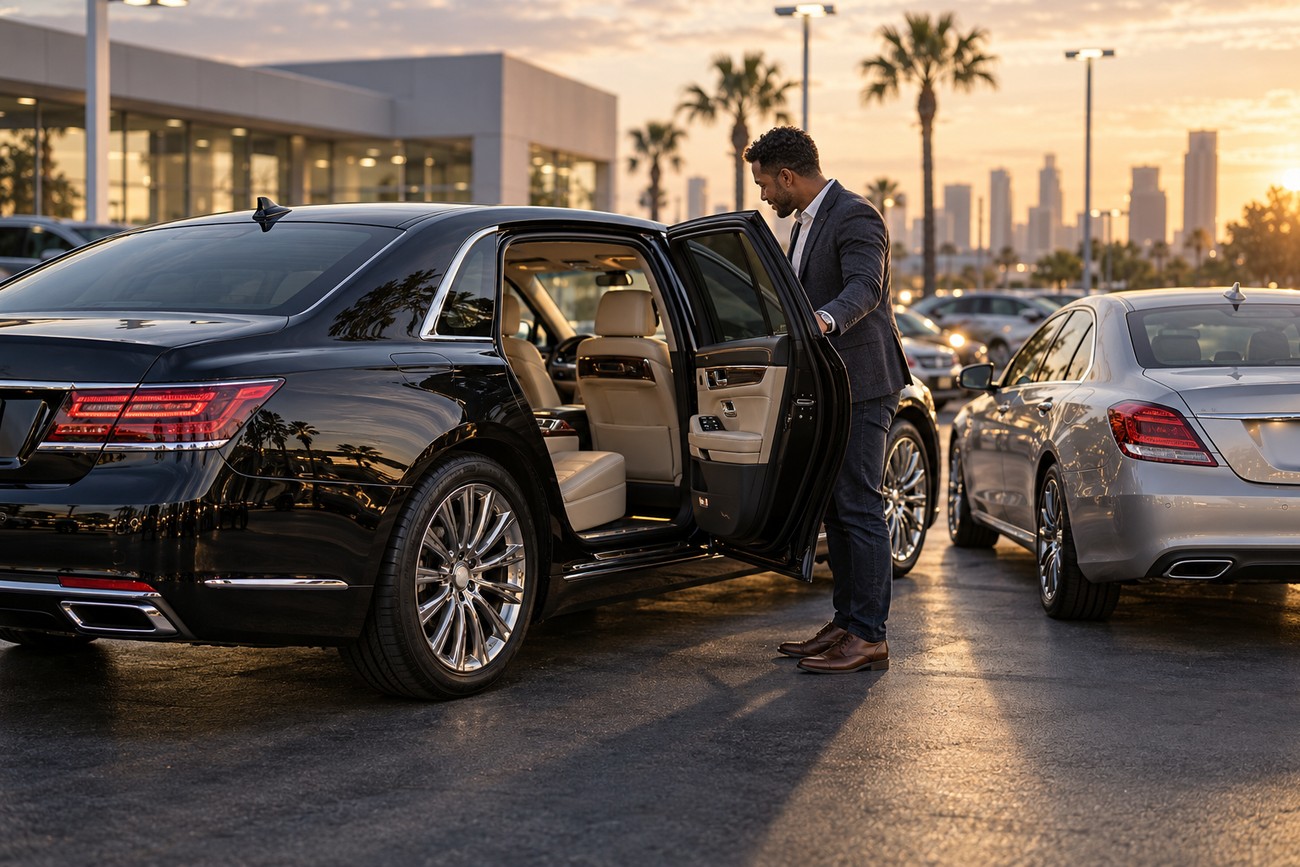
The Equus was not simply an elongated Genesis. It held a separate flagship role, with a stronger emphasis on representative comfort, rear-seat space, and high equipment levels. The relationship between Hyundai luxury models can make listings confusing, but the Equus should be assessed as its own full-size sedan with its own parts, systems, and ownership profile.
Another common mistake is assuming every car has the same 3.8-liter output. Early 3.8-liter V6 versions are listed at 290 hp, facelift versions at 334 hp, and the 4.6-liter V8 at 366–373 hp depending on market and year. Seating is also not universal: some versions are specified as four-seat sedans, so the rear layout should be verified before purchase.
Resale liquidity is generally weaker than that of German competitors. That can help the second owner buy a lot of cabin and performance for the money, but it makes the eventual sale slower and more dependent on condition, records, and the right buyer. Buying for status alone is risky when the brand has less recognition in the flagship segment and specialist support varies by region.
A well-documented Equus can be an unusually comfortable value buy. It offers genuine flagship presence and a rear-seat experience that many newer ordinary sedans cannot reproduce. A neglected example can quickly approach German-luxury costs while offering weaker resale support and less predictable parts availability. The right car is a maintenance purchase first and a bargain purchase second.
Frequently asked questions
The Equus is easiest to understand by separating its acquisition value from its long-term obligations. Market, specification, condition, and local support can change the calculation substantially.
Why are Hyundai Equus sedans so cheap?
Used Equus prices are held down by weak resale demand, unfamiliar flagship branding, and the difficulty of selling a large luxury sedan from a discontinued or renamed line. Buyers also discount the risk of aging luxury electronics, air-suspension repairs, high fuel consumption, and limited specialist support. Depreciation is therefore only one part of the explanation.
The low price does not turn the car into a mass-market Hyundai from a maintenance perspective. A clean example with records may be excellent value, while a cheap car with unclear mileage, inoperative equipment, or suspension warnings can consume the savings quickly.
Why did Hyundai discontinue the Equus?
The answer depends on the market and Hyundai’s brand strategy. In some regions, the Equus name disappeared as Hyundai moved toward a dedicated luxury-brand approach and changed how its flagship models were positioned and sold.
That naming change should not be treated as one universal cancellation date for every country. Market availability, the Centennial name, and the transition to newer luxury products varied by region. For a used-car buyer, the practical issue is whether local parts, diagnostics, and specialist knowledge still support the particular vehicle.
How much does a used Hyundai Equus cost?
There is no reliable single price without specifying the market. Compare the year, engine, trim, seating layout, mileage, service history, accident record, equipment, and immediate repair needs. A facelift V6, a V8, and an early car with different equipment should not be priced as identical vehicles.
Start with the total purchase plan: inspection, registration, tires, brakes, suspension work, electronics, fuel, and likely parts delays. The cheapest listing may have the highest total cost if it needs air-suspension repairs, body components, or multiple electrical fixes. Condition and documentation should therefore carry more weight than the lowest advertised number.







