
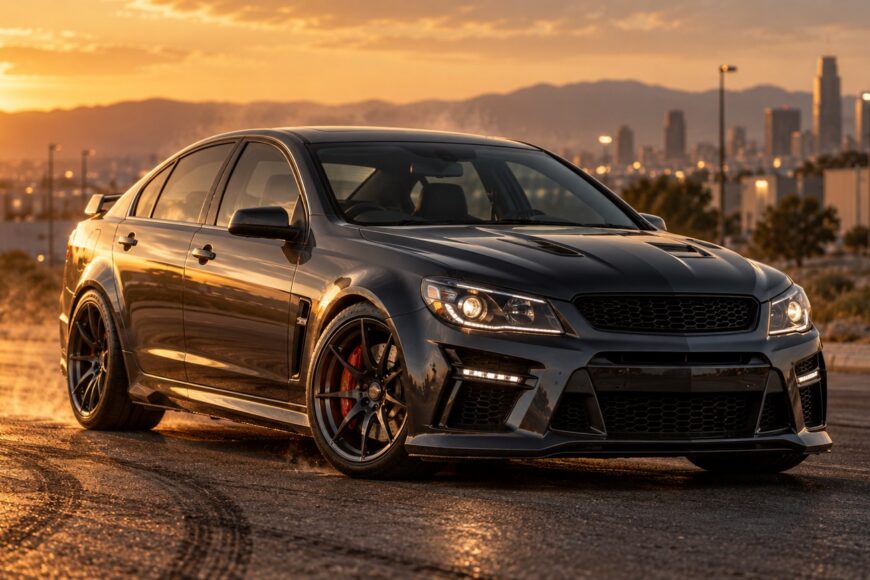
The HSV GTS delivers supercharged V8 performance while carrying the mass, heat, and running costs of a large sedan. The VF GTS used a 6.2 L LSA V8 with 430 kW and 740 Nm, driving the rear wheels through either a six-speed manual or automatic transmission.
That combination makes the GTS a serious performance car, though the power figure tells only part of the story. Traction, tire condition, temperature, cooling, transmission health, and the car’s considerable mass all shape how it performs on the road.
Holden and HSV have since ceased operations, giving the GTS added rarity and collector relevance. This article assesses it as a high-performance purchase, with attention to ownership costs, inspection risks, and the differences between a preserved example and an abused one.
- What the HSV GTS Really Is
- 430 kW on Paper, Heavy-Sedan Physics on the Road
- Chassis, Brakes, and the Limits of a Supercharged Aussie Sedan
- The Real Cost of Owning an HSV GTS
- Buying a Used HSV GTS: Inspect the Car, Not the Badge
- Why the GTS Is More Than a Holden with Stickers
- Why the HSV GTS Became a Modern Australian Classic
- Frequently asked questions
- How much is a HSV GTS worth?
- What is the 0-to-100 time of the HSV GTS-R?
- What is the fastest HSV car?
What the HSV GTS Really Is
The HSV GTS is HSV’s flagship Australian performance sedan, based on the Holden Commodore VE/VF. That relationship explains its spacious four-door layout and rear-wheel-drive architecture, though the GTS received far more engineering attention than a standard Commodore trim level.
The VF GTS used a supercharged 6.2 L LSA V8, supported by performance-focused calibration and a powertrain designed to handle substantially greater output. Its package also included an upgraded chassis and large Brembo brakes, giving the car the hardware needed to manage its speed and mass.
Rear-wheel drive remained central to the car’s character. It allows throttle-adjustable handling and a traditional V8 performance feel, while also placing greater demands on the rear tires, differential, half-shafts, and driver judgment.
Years, markets, and specifications differ, so buyers should avoid treating every GTS as mechanically identical. Transmission choice, regional equipment, modifications, and maintenance history can change the ownership experience more than a familiar badge suggests.
430 kW on Paper, Heavy-Sedan Physics on the Road
The headline figure for the VF GTS is 430 kW from its supercharged 6.2 L LSA V8, with 740 Nm of torque. The factory output is approximately 585 hp; some sources round it to 587 hp. The metric figure remains the clearest reference when comparing specifications across markets.
Buyers could choose a six-speed Tremec TR-6060 manual or a six-speed automatic. The manual adds involvement and control, though its clutch and driveline need careful assessment. The automatic suits daily use and traffic better, provided servicing and temperature management have been taken seriously.
Mass changes the character of the car. A large sedan with this output can accelerate hard, yet it does not respond like a lightweight sports car, particularly when the road turns or the tires lose grip.
Rear-wheel drive also makes traction a variable rather than a guarantee. Tire condition, surface quality, and throttle application influence how effectively the engine’s torque reaches the road, especially when the car is driven aggressively.
Temperature adds another layer. Heat, fuel quality, intercooler condition, and cooling performance can materially affect consistency, so a healthy GTS may feel substantially sharper than one suffering from heat soak or neglected maintenance.
Chassis, Brakes, and the Limits of a Supercharged Aussie Sedan
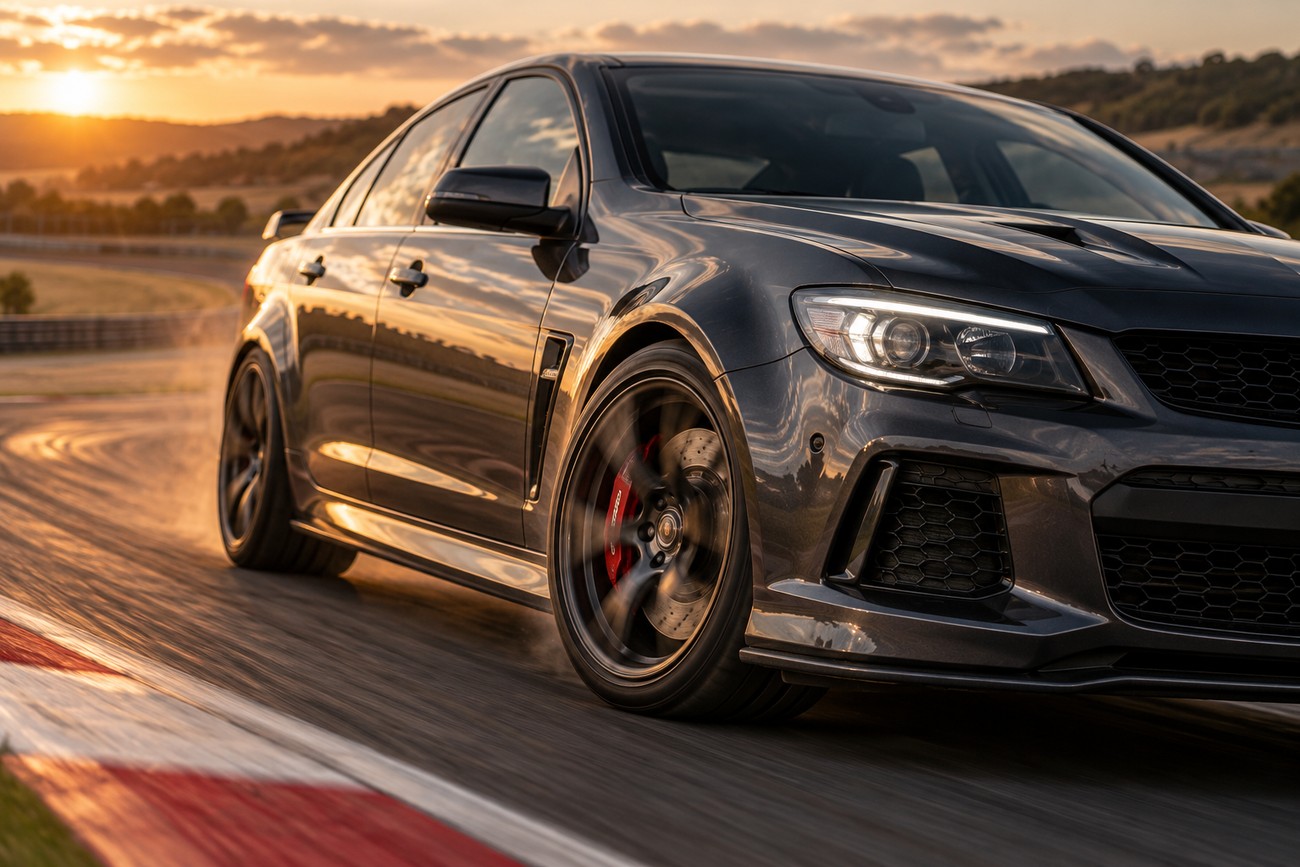
The GTS chassis was developed to manage high power through the rear wheels while carrying the weight of a full-size sedan. Large Brembo brakes provide essential stopping capacity, but braking performance still depends on pad condition, fluid, discs, tires, and temperature.
Near the limit, owners commonly describe a heavy front end and understeer. That behavior is understandable in a powerful, heavy sedan, and it becomes more obvious when the front tires are worn or the alignment is aimed at ordinary road use.
The rear tires face a difficult workload. Torque, vehicle mass, and rear-wheel drive can wear them quickly, particularly on cars that have seen repeated hard launches or enthusiastic road driving.
A city-friendly suspension setup can make the GTS easier to live with, yet it may feel less focused on a track. Appropriate tires, a sensible alignment, and careful brake preparation usually produce a larger improvement in confidence than simply adding more engine power.
The Real Cost of Owning an HSV GTS
Fuel is the first recurring expense most buyers notice. Real-world urban consumption is high and is commonly described as double-digit liters per 100 km, with driving style, traffic, temperature, and tire condition influencing the result.
The running budget also includes rear tires, large brake components, engine and differential oils, cooling-system maintenance, and transmission servicing. These costs accumulate quickly because the GTS is a heavy high-performance car, rather than an ordinary family sedan with a larger engine.
Manual cars can place heavy demands on the clutch, especially when modified or driven aggressively. Automatic cars are sensitive to servicing and temperature, so a smooth test drive does not replace evidence of proper maintenance.
Under-hood heat can reduce consistency during hard driving or hot weather. A buyer who budgets only for fuel and cosmetic repairs is likely to underestimate the cost of keeping the car dependable.
Buying a Used HSV GTS: Inspect the Car, Not the Badge
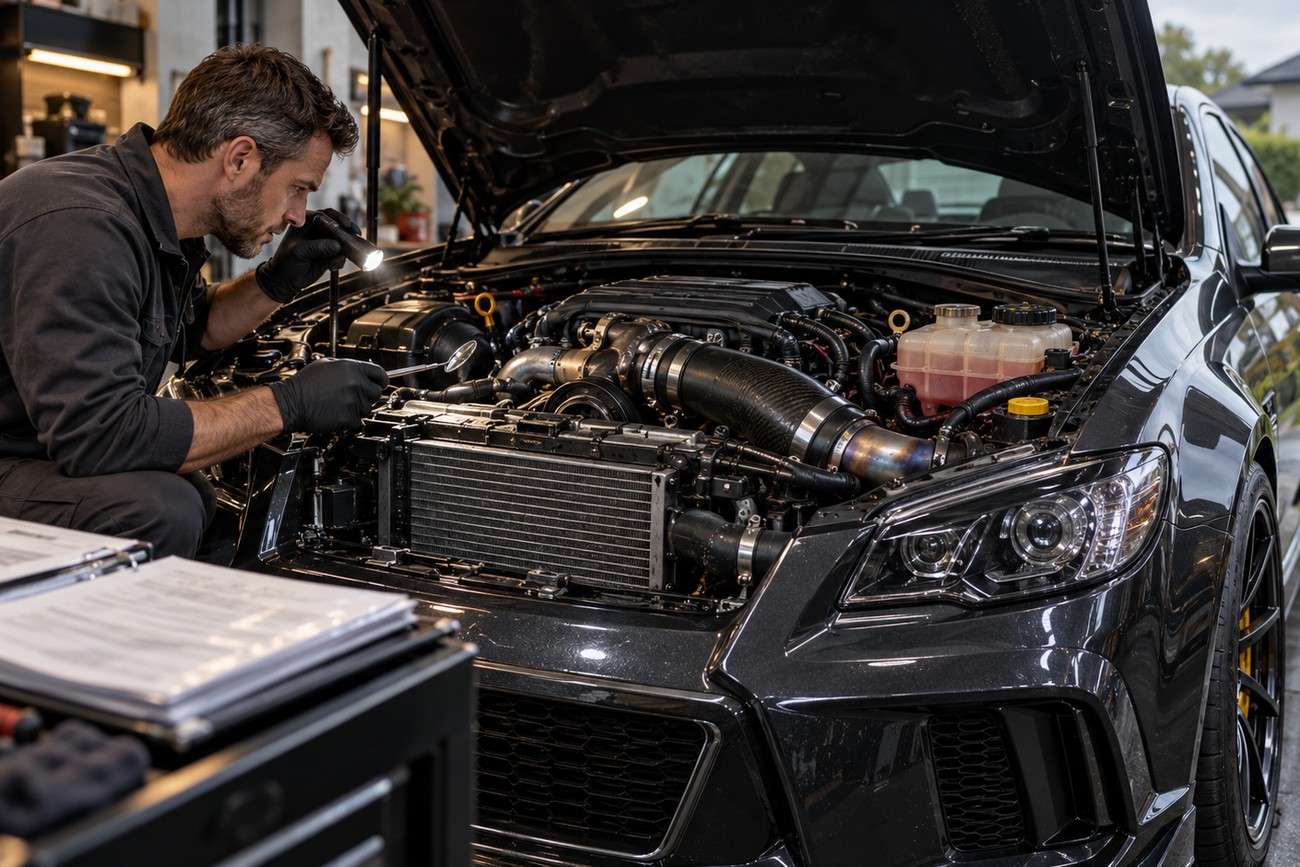
Start with the service history, then establish whether the car remains close to its original configuration. A modified example with incomplete records carries more mechanical and valuation risk, even if its advertised power is higher.
Cooling-system and intercooler condition deserve early attention. Look for signs of overheating, inconsistent performance, poor temperature control, and repairs that may have followed repeated hard use.
Inspect the transmission, clutch, differential, driveshafts, half-shafts, and rear suspension. The differential and rear driveline absorb substantial loads, and neglected wear can be expensive to correct.
Tire wear, brake condition, and alignment can reveal how the car was driven. Uneven wear, damaged wheels, worn suspension components, and heavily worn rear tires may indicate a harder life than the paintwork suggests.
Originality and documented servicing often matter more than aftermarket power. A stock-looking car is not automatically healthy, though clear records, correct parts, and consistent maintenance make its condition easier to evaluate and its future value easier to defend.
Why the GTS Is More Than a Holden with Stickers
The HSV GTS was a genuine performance package rather than a cosmetic Holden variant. Its identity came from the supercharged engine, chassis work, calibration, large Brembo brakes, and supporting drivetrain hardware.
That engineering does not remove the laws of physics. The 430 kW output and 740 Nm of torque are significant, yet mass, traction, temperature, and transmission condition determine how much of that potential reaches the road.
The factory supercharger is designed for performance use, but its durability does not make the car cheap to operate. Fuel, tires, brakes, fluids, and servicing remain substantial ownership expenses.
The sensible way to view the GTS is as a complete high-performance system. Engine output matters, though cooling, driveline condition, and tire quality decide whether the car remains enjoyable after repeated use.
Why the HSV GTS Became a Modern Australian Classic
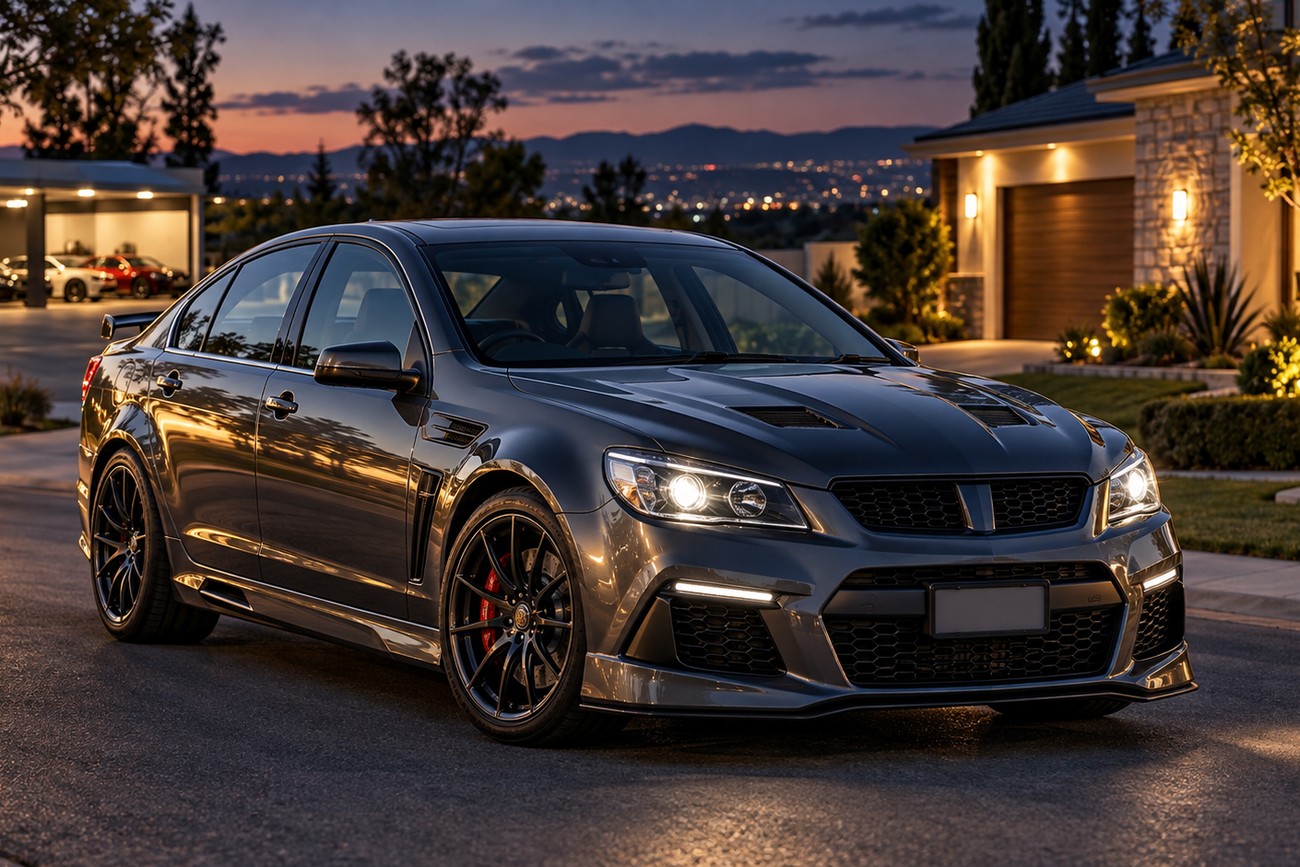
The end of Holden and HSV increased the GTS’s significance. It belongs to the final generation of Australian V8 performance sedans, a category that has become increasingly difficult to replace with a car offering the same combination of size, rear-wheel drive, and supercharged V8 character.
Regional availability affects demand. Its factory right-hand-drive configuration, any documented left-hand-drive conversion, import history, local specification, and parts access can all influence how practical the car is for a particular market.
Preservation matters. A well-documented example with original equipment and careful servicing can be more desirable than a heavily modified car with greater claimed output but uncertain mechanical history.
Collectors and serious buyers often examine the cooling system and differential before worrying about minor cosmetic defects. The GTS appeals strongly through its V8 character and Australian identity, even if its chassis is not as precise or polished as every European rival.
Frequently asked questions
The HSV GTS market rewards careful comparison. Year, specification, condition, and documentation can change the answer more than the model name alone.
How much is a HSV GTS worth?
There is no universal price for an HSV GTS. Value depends on market, year, specification, originality, mileage, condition, documentation, and modifications.
A preserved, correctly serviced example may command stronger interest than a more powerful car with uncertain history. Regional rarity, its right-hand-drive configuration, and any documented left-hand-drive conversion also affect demand, particularly where the model was sold only as an import.
What is the 0-to-100 time of the HSV GTS-R?
Published 0-to-100 figures vary with GTS-R specification, transmission, test method, surface, tires, and weather. The HSV GTS-R is a distinct variant from the standard GTS, so its figures should not be used to describe every GTS.
Acceleration claims are most useful when tied to a specific car and test condition. A modified example, an automatic car, and a manual car can produce different results even when their advertised power appears similar.
What is the fastest HSV car?
The answer depends on what “fastest” means: highest power, quickest acceleration, or greatest top speed. HSV generations and specifications differ, so one ranking can be misleading.
The GTS is among the most significant high-output HSV sedans, especially in VF form, though a meaningful comparison should identify the exact model, transmission, test method, and performance measure.







